
Harireh Ancient City: Exploring the Historical Heart of Kish Island
- Introduction
- Where Is Harireh Ancient City?
- Historical Background
- Archaeological Significance
- Architectural Features
- Cultural Importance
- Conclusion
Introduction
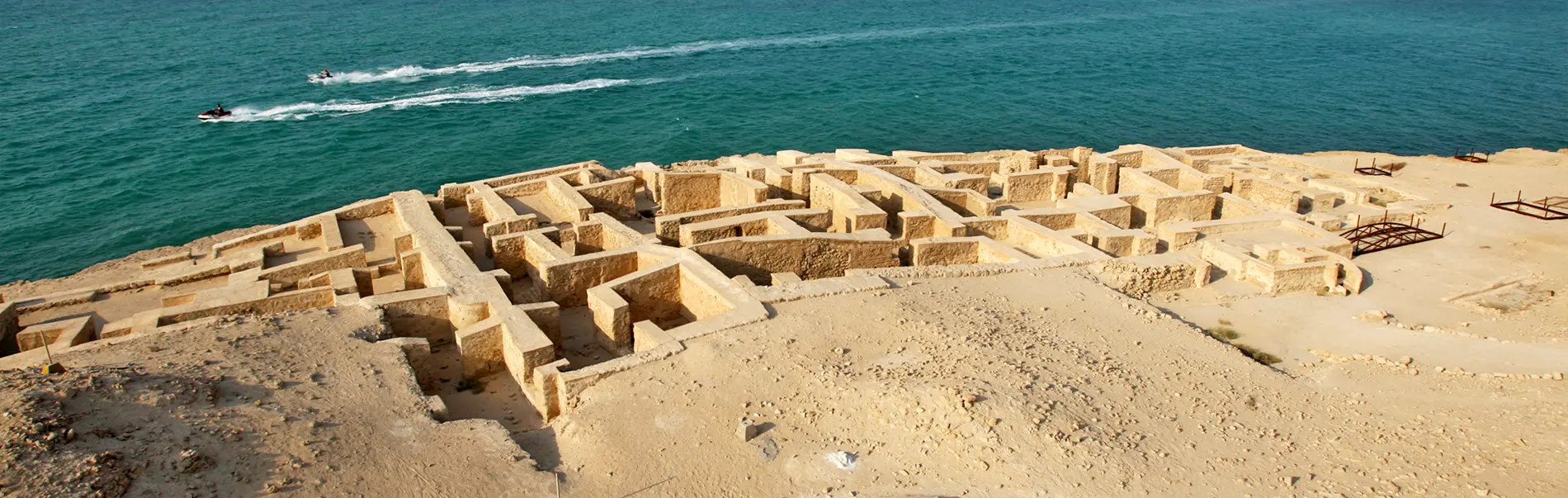
Harireh Ancient City is one of the most significant historical attractions on Kish Island, Iran. With its origins dating back over 800 years, Harireh offers a rare glimpse into the Persian Gulf's prosperous past during the medieval Islamic era. This archaeological site is a must-visit for history enthusiasts, researchers, and cultural tourists interested in exploring the rich heritage of southern Iran.
Where Is Harireh Ancient City?
Harireh is located on the northern coast of Kish Island, part of Iran’s Hormozgan Province in the Persian Gulf. The site lies near the modern city center, making it easily accessible to visitors exploring the island's many attractions.
Historical Background
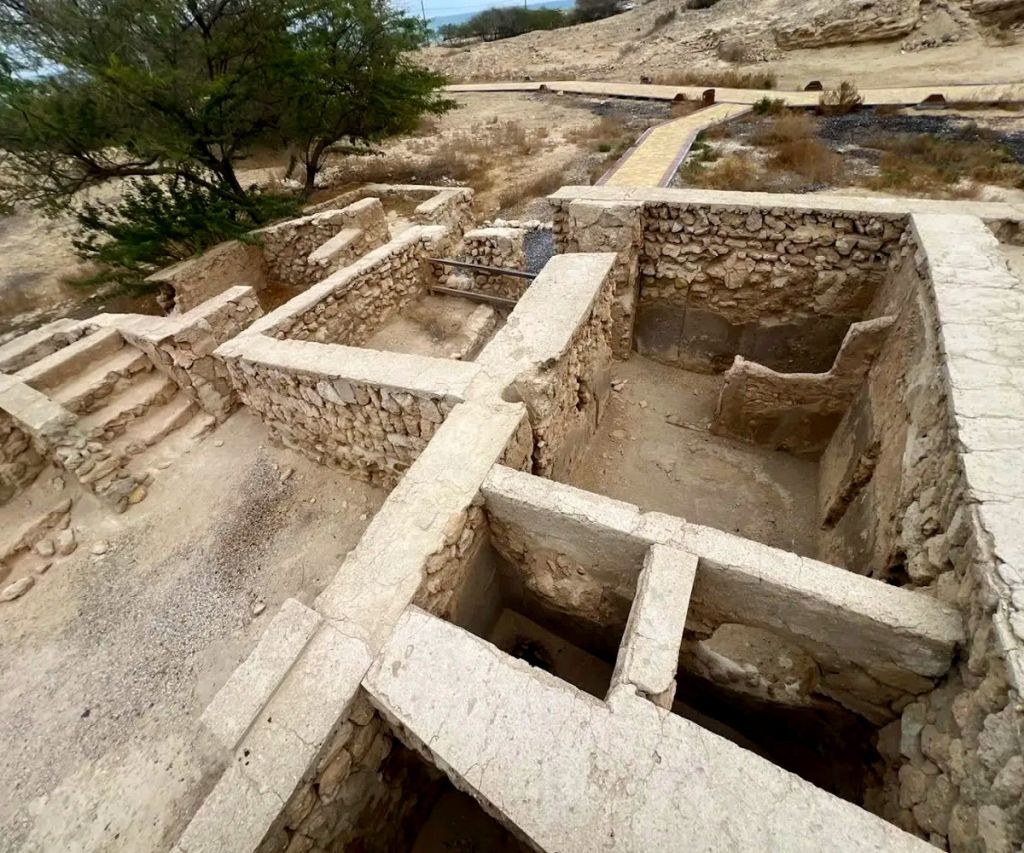
The City of Harireh is believed to have been founded between the 8th and 10th centuries CE, during the early Islamic period. It flourished particularly during the Seljuk and Ilkhanid periods as a commercial and cultural hub along the Persian Gulf’s trade routes.
Harireh was once a thriving city known for its commerce, shipping, and pearl diving. It is mentioned in the writings of Persian poets and travelers, including Saadi Shirazi, who referred to Harireh as a wealthy and vibrant settlement.
Over time, the city declined due to environmental changes and shifts in trade routes, eventually becoming a deserted ruin.
Archaeological Significance
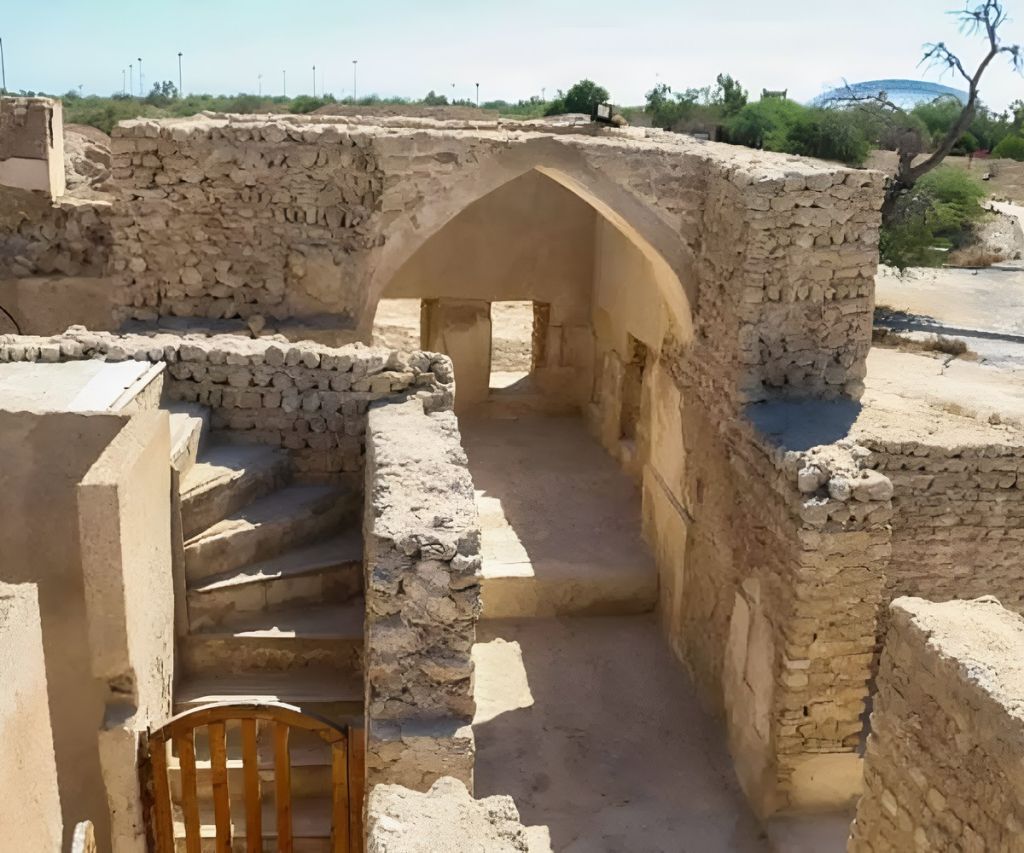
Excavations at the Harireh site began in the late 20th century and revealed a well-planned urban settlement. The findings demonstrate the architectural and cultural sophistication of the city’s inhabitants.
Key Discoveries:
- Residential buildings: Multi-room homes with thick walls designed to handle the island’s hot climate.
- Public bathhouse (hammam): Featuring traditional heating systems and water channels.
- Caravanserai and warehouses: Indicating the city’s role in trade and commerce.
- Mosque ruins: Reflecting Islamic architectural styles and religious practices.
- Pottery and ceramics: Many dating back to the 9th–12th centuries.
These discoveries provide evidence of Harireh’s importance as a commercial and administrative center during its peak.
Architectural Features
The architecture of Harireh Ancient City showcases traditional Iranian-Islamic urban planning, including:
- Wind towers (badgirs) for natural cooling
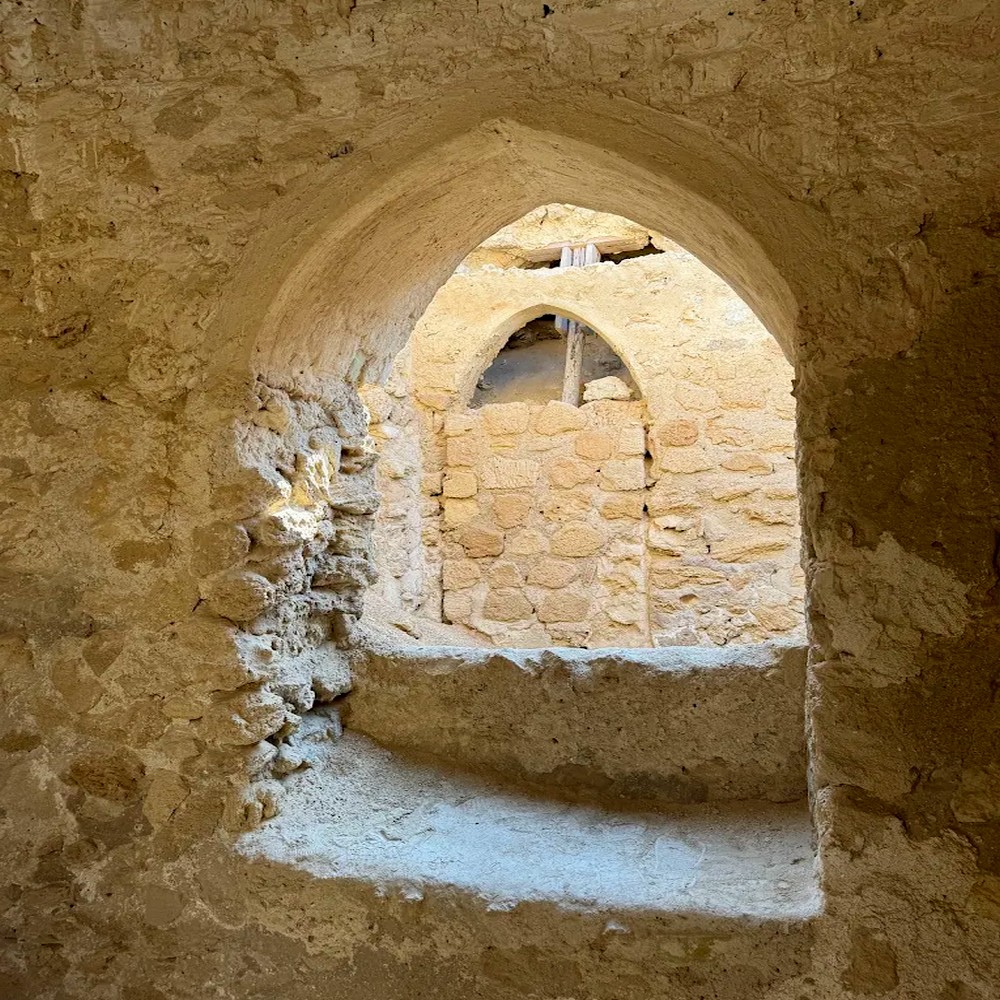
- Stone and coral brick structures
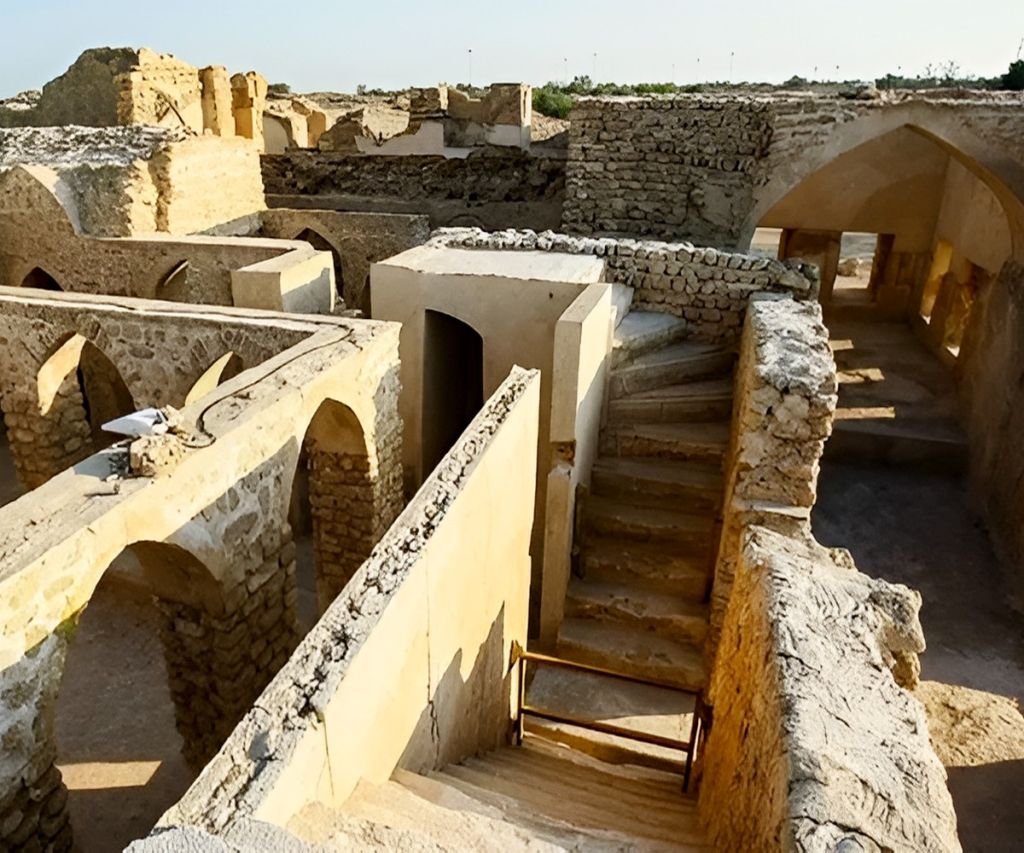
- Vaulted ceilings and domes
- Complex underground water channels
The city’s design reflects a thoughtful adaptation to Kish’s climate and geography, using local materials and sustainable construction techniques.
Cultural Importance
Harireh serves as a cultural symbol of Kish Island’s long-standing role in Persian Gulf trade and Islamic civilization. The site is protected by the Iranian Cultural Heritage Organization and contributes to ongoing research in Persian Gulf archaeology.
It offers valuable insights into:
- Urban life in the Islamic Golden Age
- Trade dynamics in the Persian Gulf
- Early Islamic architecture and engineering
Conclusion
The Harireh Ancient City on Kish Island is a remarkable window into Iran’s medieval past. Its historical ruins, coastal location, and architectural remains tell the story of a thriving city that once played a major role in Persian Gulf trade and culture. Whether you're passionate about archaeology, history, or simply want to explore the deeper layers of Kish Island, Harireh offers an unforgettable journey through time.
I want to visit
Ancient City Harireh






Ancient City Harireh
Visitor Information
- Opening Hours:
- Monday: 10:00 – 22:00
- Tuesday: 10:00 – 22:00
- Wednesday: 10:00 – 22:00
- Thursday: 10:00 – 22:00
- Friday: 10:00 – 22:00
- Saturday: 10:00 – 22:00
- Sunday: 10:00 – 22:00
- Entrance: For free
- Region: Hormozgan Province
- City: Kish Island
- Address: Kish Stadium Neighborhood, Olympic Boulevard, Karaneh Road
- Postal code: 7915957913
- Phone number: +987633687197
- Is open to public visitors: Yes