
Chehel Sotoun: The Palace of Forty Columns in Isfahan
- Historical Background of Chehel Sotoun
- Architectural Features of Chehel Sotoun
- Chehel Sotoun Garden (Bagh-e Chehel Sotoun)
- Cultural Significance
- Nearby Attractions
- Conclusion
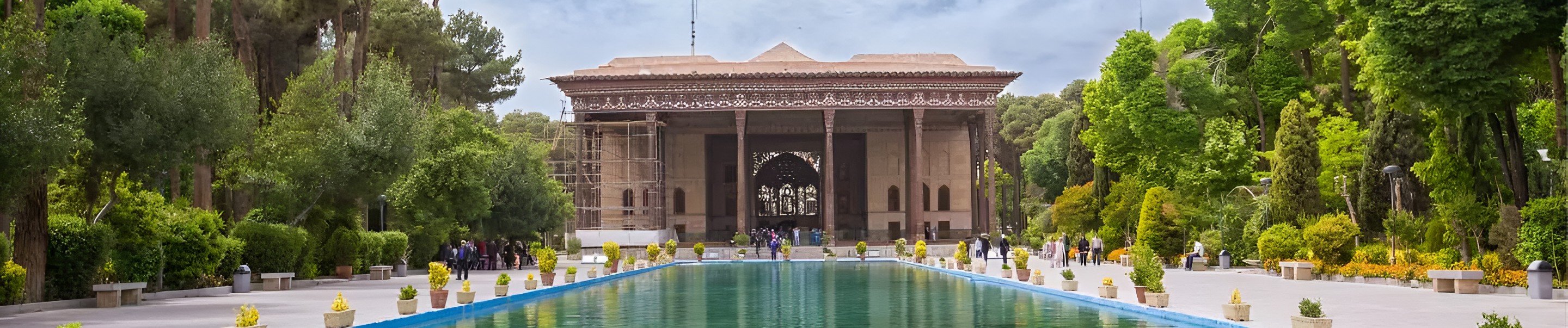
- The Columned Veranda (Talār): Twenty tall, slender cedarwood columns support a magnificent wooden ceiling, richly decorated with carved designs and geometric patterns.
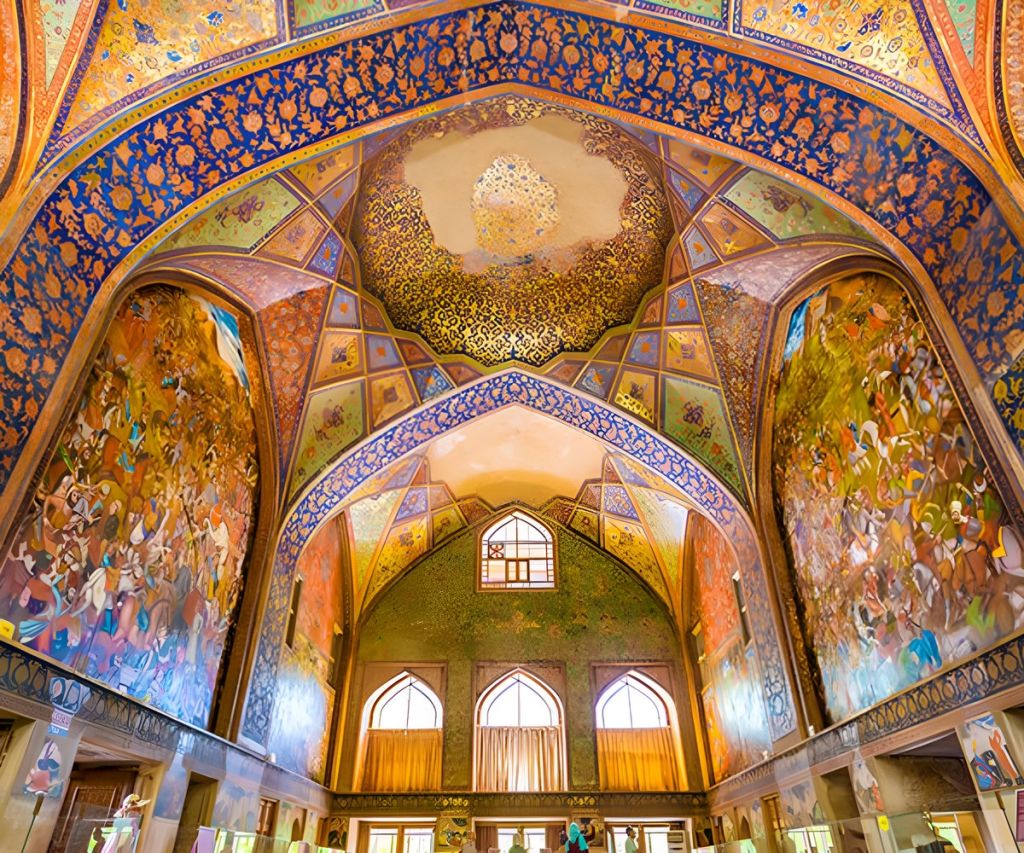
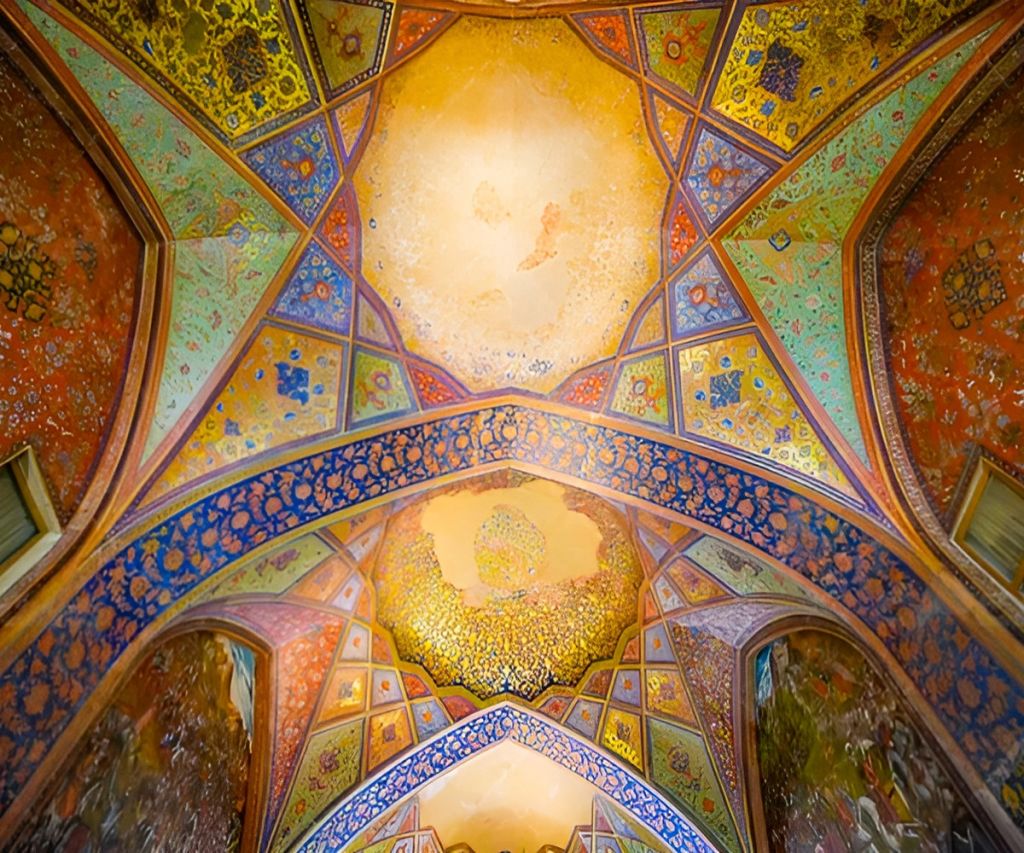
- Mirror Hall: The central reception hall is covered with exquisite mirror mosaics, creating a dazzling effect when sunlight enters the space.
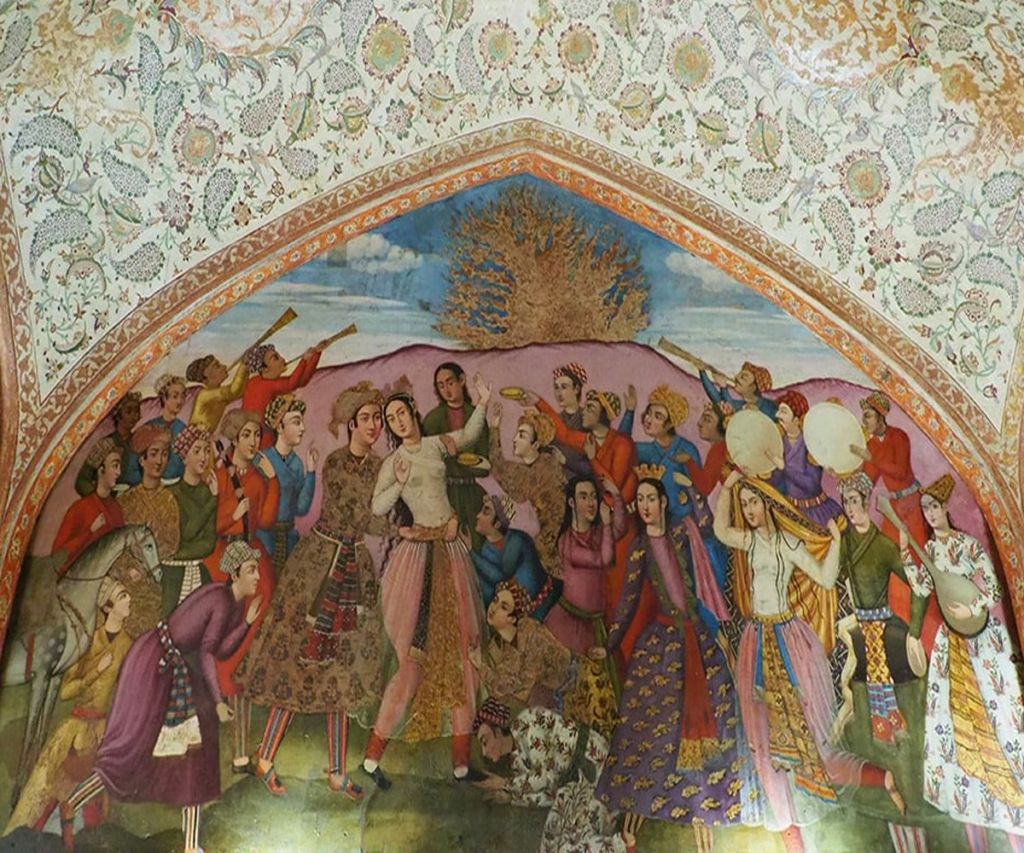
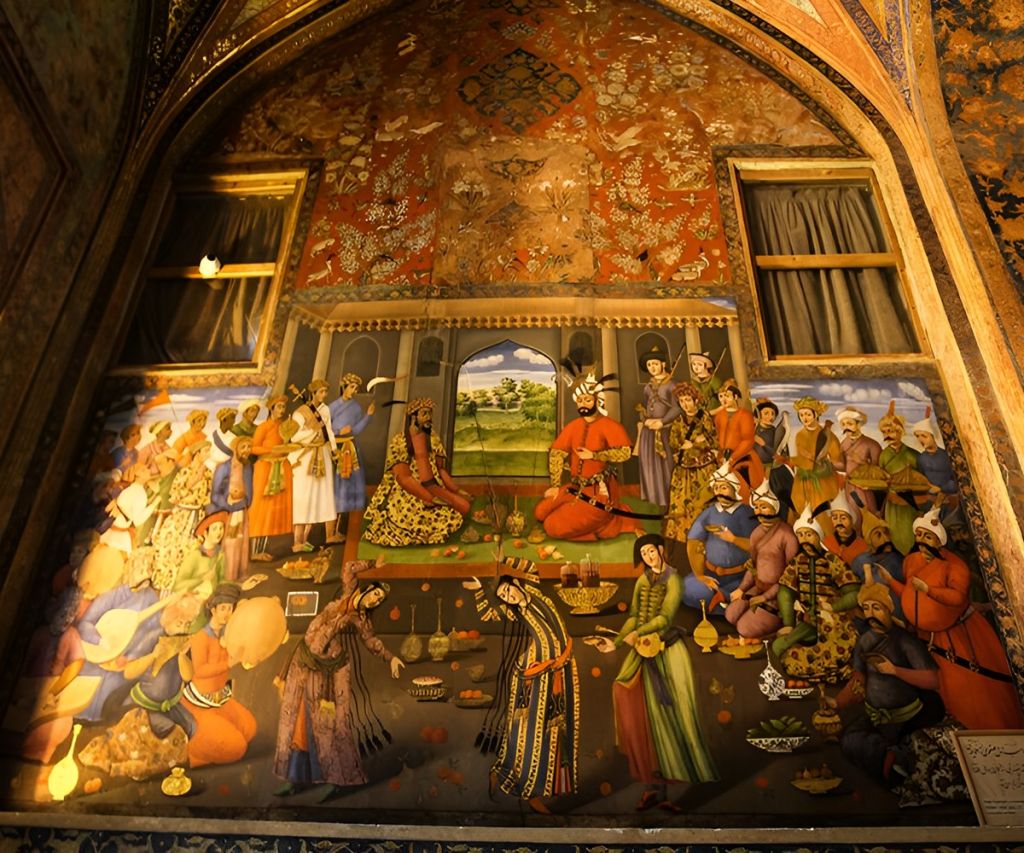
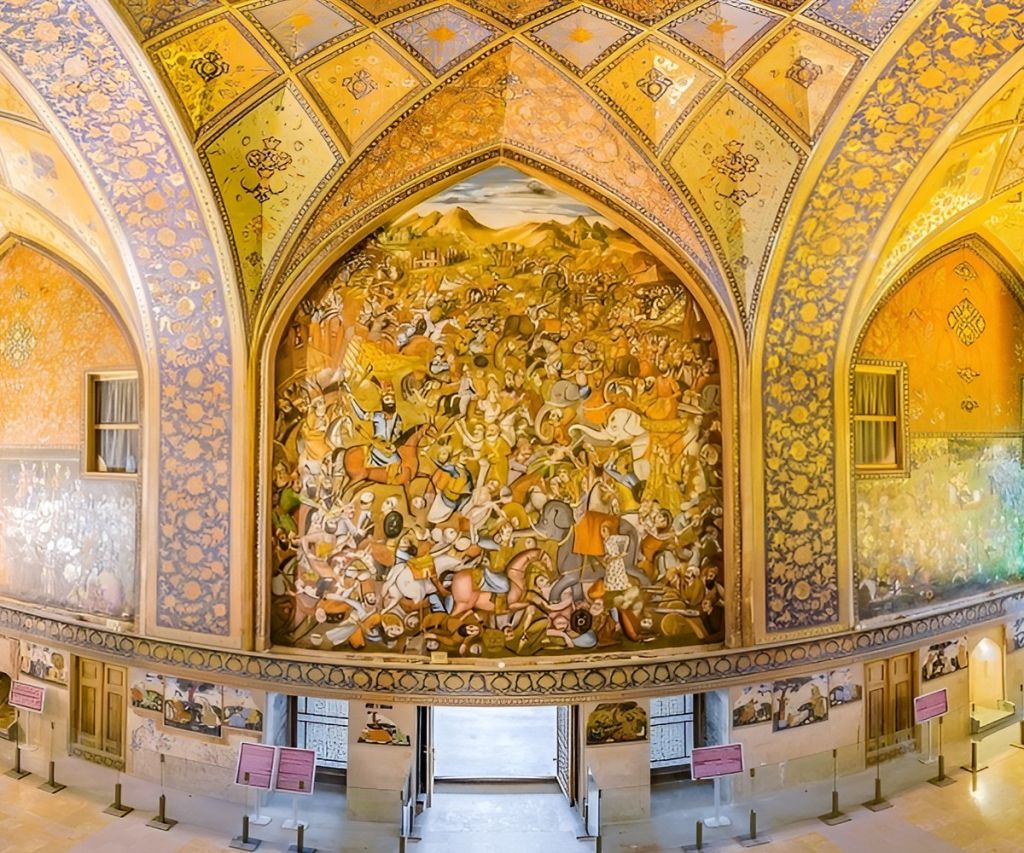
- Wall Murals and Paintings: The interior walls are adorned with detailed frescoes and miniature paintings, depicting historical scenes such as royal banquets, battles, and diplomatic encounters with foreign emissaries.
- The Reflecting Pool: In front of the veranda lies a long rectangular pool that reflects the palace, enhancing the illusion of forty columns and providing a tranquil atmosphere.
- A symmetrical layout with water channels and fountains
- Tree-lined pathways and flower beds
- The use of water as a central design element, both aesthetically and functionally
- Naqsh-e Jahan Square (Imam Square)
- Ali Qapu Palace
- Shah Mosque (Imam Mosque)
- Sheikh Lotfollah Mosque
- Hasht Behesht Palace
Chehel Sotoun Palace is one of the most celebrated historical monuments in Isfahan, Iran. Known for its magnificent garden setting, stunning Safavid-era architecture, and intricate wall paintings, Chehel Sotoun is a UNESCO-listed gem that continues to captivate visitors with its timeless beauty and artistic mastery.
Located near Naqsh-e Jahan Square, this palace served as a ceremonial reception hall and royal pavilion for Shah Abbas II and other rulers of the Safavid dynasty.
Historical Background of Chehel Sotoun
Chehel Sotoun, meaning "Forty Columns", was constructed in the mid-17th century, during the reign of Shah Abbas II, though it builds upon foundations laid during the rule of Shah Abbas I. The name refers to the twenty wooden columns at the front of the palace, which appear to double when reflected in the surface of the palace's long pool, creating the illusion of forty columns.
The palace was used for royal audiences, official ceremonies, and diplomatic receptions. It played a key role in showcasing the power, wealth, and artistic sophistication of the Safavid court.
Architectural Features of Chehel Sotoun
Chehel Sotoun is a masterpiece of Persian architecture and garden design, combining elements of Islamic, Persian, and Central Asian styles. The palace consists of a central hall, columned veranda, and several side rooms adorned with frescoes and mirrorwork. The main architectural highlights include:
Chehel Sotoun Garden (Bagh-e Chehel Sotoun)
Chehel Sotoun is set within one of the finest examples of a Persian garden, known as Bagh-e Chehel Sotoun, which is part of the Persian Garden UNESCO World Heritage Site. The garden is characterized by:
This garden was designed not only for beauty but also to reflect philosophical and cosmological ideals in Persian culture, representing paradise on earth.
Cultural Significance
Chehel Sotoun is not only architecturally significant but also holds great historical and cultural value. The murals within the palace are visual records of important moments in Iranian diplomacy, warfare, and royal life, making it a valuable resource for scholars and historians.
The palace also reflects the artistic heights of the Safavid era, known for its patronage of the arts, architecture, and poetry. It stands as a symbol of Isfahan's status as a capital of culture during the 17th century.
Nearby Attractions
Chehel Sotoun is centrally located, making it easy to explore other major historical sites in Isfahan:
Conclusion
Chehel Sotoun stands as a remarkable legacy of the Safavid era, showcasing the fusion of art, architecture, and nature that defines classical Persian aesthetics. From its ornate frescoes and mirrorwork to the peaceful garden that surrounds it, the palace offers a window into the cultural sophistication of 17th-century Isfahan. Whether you are a traveler, historian, or lover of art and architecture, a visit to Chehel Sotoun Palace is an essential part of experiencing the rich heritage of Iran.
I want to visit
Chehel Sotoun Palace






Chehel Sotoun Palace
Visitor Information
- Opening Hours:
- Monday: 09:00 – 17:00
- Tuesday: 09:00 – 17:00
- Wednesday: 09:00 – 17:00
- Thursday: 09:00 – 17:00
- Friday: 09:00 – 17:00
- Saturday: 09:00 – 17:00
- Sunday: 09:00 – 17:00
- Entrance: Paid
- Cash/Credit Card accepted: Cash
- Region: Isfahan Province
- City: Isfahan
- Address: Hasht Behesht, Bagh Goldasteh Blvd., Beheshtinejad St., Ostandari St., Chehel Soton Palace
- Postal code: 8144714813
- Phone number: +983132220181
- Is open to public visitors: Yes