
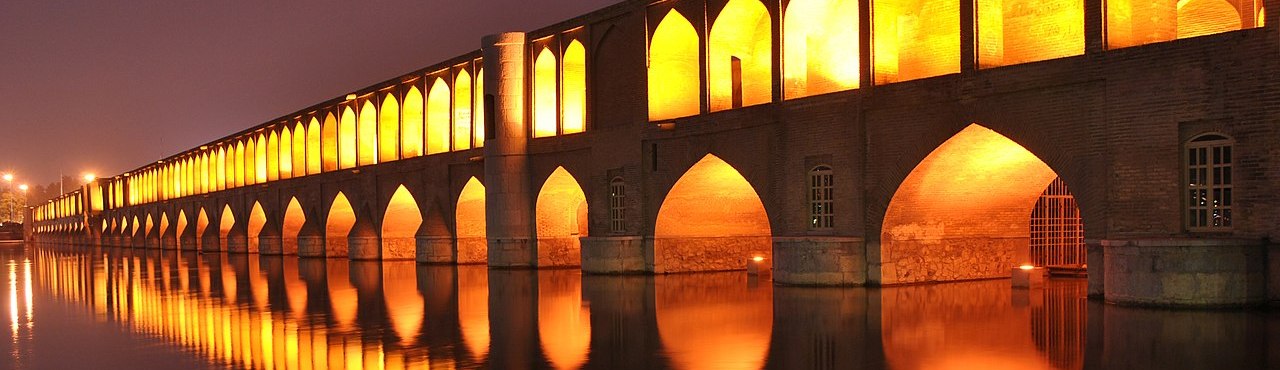
Si-o-Se Pol Bridge — The Bridge of 33 Arches and a Thousand Stories
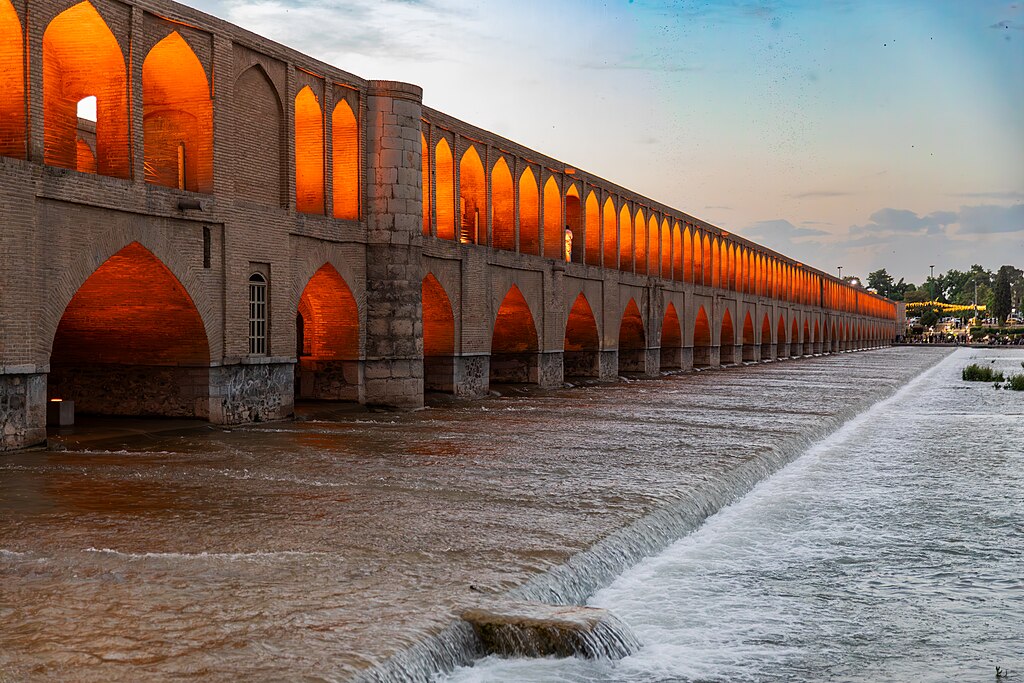
In the heart of Isfahan, where the Zayandeh River once flowed freely and the city pulsed with Safavid grandeur, stands a bridge that has witnessed centuries of footsteps, festivals, and whispered dreams. The Si-o-Se Pol Bridge, meaning “Bridge of 33 Arches,” is more than stone and symmetry — it’s a living monument to Iran’s golden age of architecture, diplomacy, and urban vision.
A Bridge Born of Empire
Commissioned by Shah Abbas I in 1599 and completed in 1602, Si-o-Se Pol was part of a grand plan to transform Isfahan into the Safavid capital — a city of gardens, palaces, and poetic geometry. The bridge was built under the supervision of Allahverdi Khan Undiladze, a Georgian-born general and trusted chancellor of the Shah.
But this wasn’t just a bridge. It was a symbol of unity, connecting the elite mansions of central Isfahan to the Armenian quarter of New Julfa, reflecting the Shah’s policy of religious tolerance and cultural integration.
Architecture That Speaks
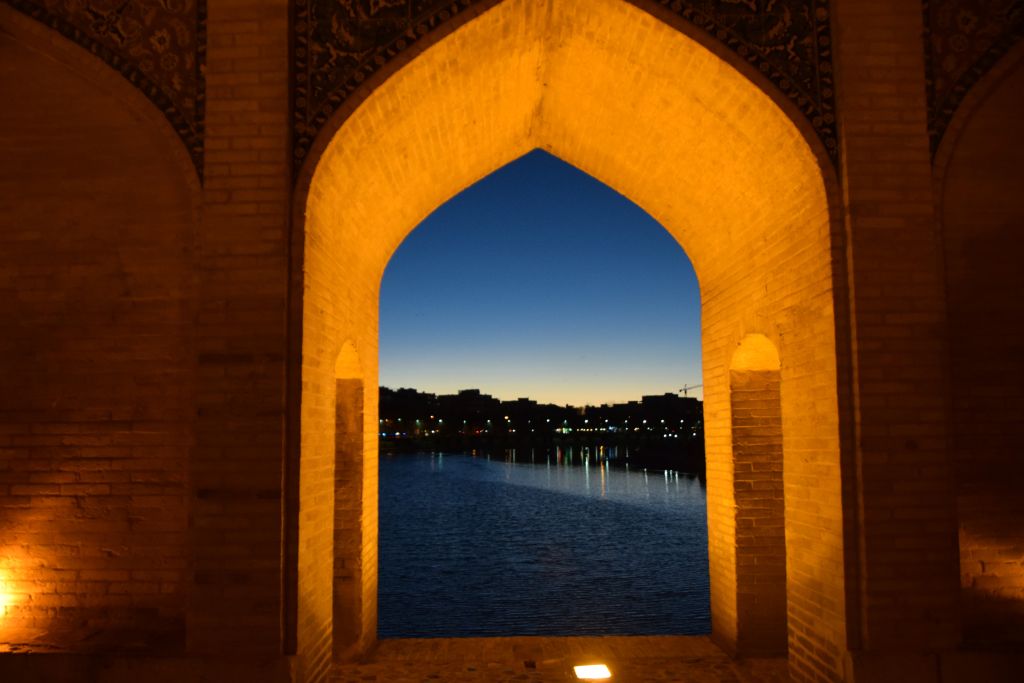
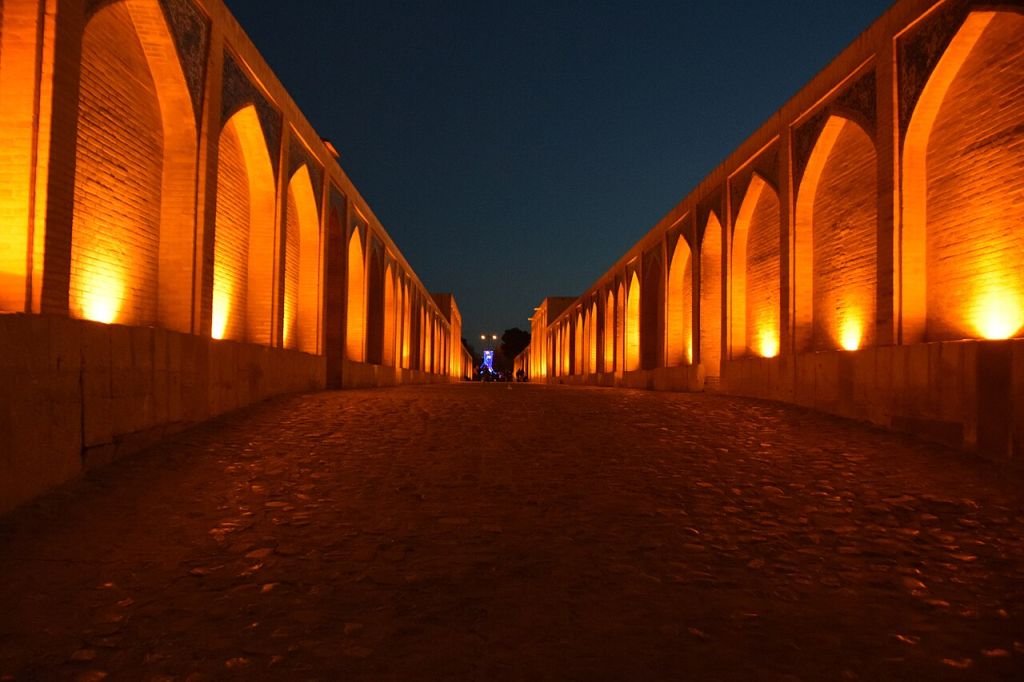
Stretching nearly 298 meters in length and 14.75 meters in width, Si-o-Se Pol is the longest bridge over the Zayandeh River. Its 33 arches, arranged in two symmetrical rows, create a rhythmic visual harmony that has captivated artists, poets, and travelers for centuries.
Crafted from stone and baked brick, the bridge features:
- A dual-level design: upper deck for pedestrians, lower arches for shaded strolls
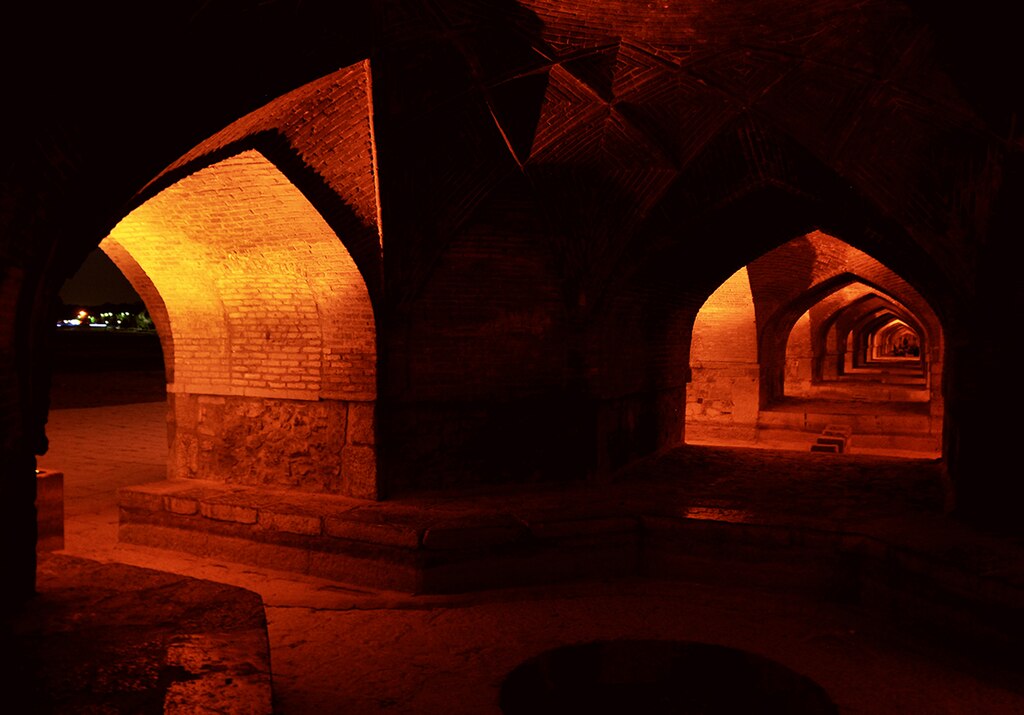
- Vaulted corridors that echo with laughter and music during festivals
- Reflections on water that turn the bridge into a glowing ribbon at sunset
- Originally, the interior was adorned with erotic frescoes, a nod to the Safavid court’s indulgent tastes — though these were later removed.
A Stage for Celebration
Si-o-Se Pol wasn’t just functiona l— it was festive. During the Safavid era, it hosted:
- Nowruz ceremonies, with flower showers and music
- Armenian water rituals, like Ab-Pashan and Khaj Shouyan, celebrating baptism and renewal
- Public gatherings, poetry readings, and royal processions
The bridge became a cultural artery, where people of different faiths and backgrounds mingled under the arches.
Why It Endures
- Historical gravity: A cornerstone of Safavid urban planning
- Architectural elegance: A masterclass in proportion, material, and symbolism
- Cultural resonance: A place where politics, religion, and art converged
- Emotional pull: Whether dry or flowing, the river beneath still carries memory
Today, even when the Zayandeh River runs dry, the Si-o-Se Pol Bridge remains a place of gathering, storytelling, and quiet awe. It’s where lovers linger, elders reminisce, and children chase echoes through ancient arches.
To walk its length is to walk through time — and to feel, if only for a moment, the heartbeat of a city that once called itself Half the World.
I want to visit
Si-o-Se Pol Bridge






Si-o-Se Pol Bridge
Visitor Information
- Opening Hours:
- Monday: 00:00 – 23:59
- Tuesday: 00:00 – 23:59
- Wednesday: 00:00 – 23:59
- Thursday: 00:00 – 23:59
- Friday: 00:00 – 23:59
- Saturday: 00:00 – 23:59
- Sunday: 00:00 – 23:59
- Entrance: For free
- Region: Isfahan Province
- City: Isfahan
- Address: Isfahan, Enghelab Square, southern end of Chaharbagh Bala Street or northern end of Chaharbagh Abbasi Street
- Postal code: 8144714813
- Phone number: +983132235113
- Is open to public visitors: Yes
Tours featuring a visit to the Si-o-Se Pol Bridge
- GUIDED GROUP TOUR

Guided group tour package
Tehran - Shiraz - Persepolis - Yazd - Isfahan - Abyaneh - Kashan
Tour start dates:
26.02.2026 - 04.03.2026
08.03.2026 - 15.03.2026
05.04.2026 - 12.04.2026
19.04.2026 - 26.04.2026
03.05.2026 - 10.05.2026
17.05.2026 - 24.05.2026
SGL € 750 per person
DBL € 650 per person
- GUIDED GROUP TOUR

Guided group tour pacakge
Tehran - Shiraz - Persepolis - Yazd - Isfahan - Abyaneh - Kashan - Qeshm Island - Hormuz Island - Hengam Island - Tehran
Tour start dates:
26.02.2026 - 07.03.2026
08.03.2026 - 19.03.2026
05.04.2026 - 16.04.2026
19.04.2026 - 30.04.2026
03.05.2026 - 14.05.2026
17.05.2026 - 28.05.2026
SNG € 1 200 per person
DBL € 1 000 per person