
Yazd Tower of Silence: Where Earth, Sky, and Spirit Meet
- A Ritual Rooted in Purity
- Architecture of Silence
- A View Worth the Climb
- From Sacred to Symbolic
- Why to visit the Tower of Silence
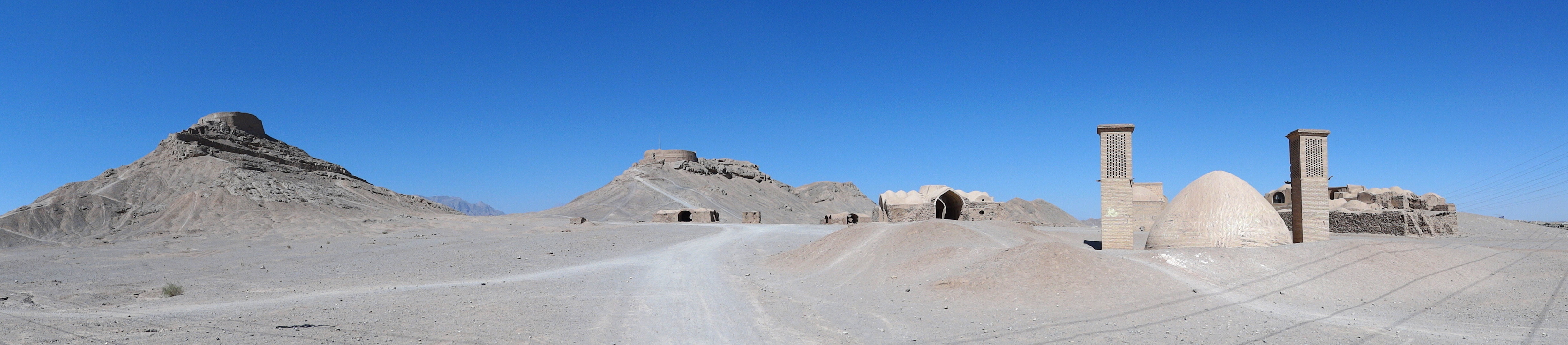
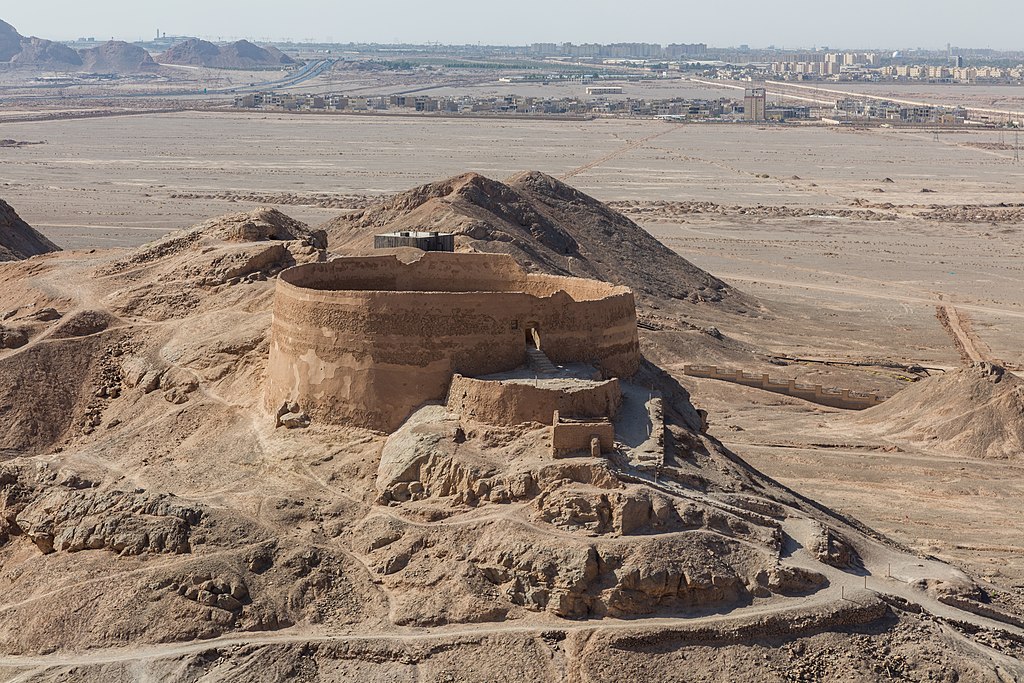
Just beyond the sunbaked edges of Yazd, where the desert breathes ancient secrets, rises a solemn stone circle atop a hill — the Tower of Silence, or Dakhmeh. It's not just a monument. It's a philosophy carved into clay. A place where the Zoroastrian soul once began its final journey, not buried or burned, but returned to nature with reverence.
A Ritual Rooted in Purity
In Zoroastrian belief, the elements - earth, fire, water, and air - are sacred and must remain unpolluted. Death, seen as a source of impurity, could not be allowed to taint them. So instead of burial or cremation, the deceased were placed atop these towers, exposed to the sun and desert vultures. The process was called excarnation, and it was as much spiritual as ecological.
- Men's bodies were laid in the outer ring
- Women in the Middle
- Children's in the innermost circle
- Once the bones were cleansed, they were placed in the Ostudan, a central ossuary well
This wasn't morbid - it was a cosmic return. A surrender to the cycle of life and the purity of the universe.
Architecture of Silence
- Circular stone structure atop a hill, designed for maximum sun exposure
- Concentric rings reflect order and spiritual hierarchy
- Central pit (Ostudan) for bone collection
- Surrounding walls built from stone and clay, blending into the desert
- Drainage channels carved to protect the sacred ground from rainwater
The tower's simplicity is its power. No ornamentation, no distraction - just form serving function, and belief shaping space.
A View Worth the Climb
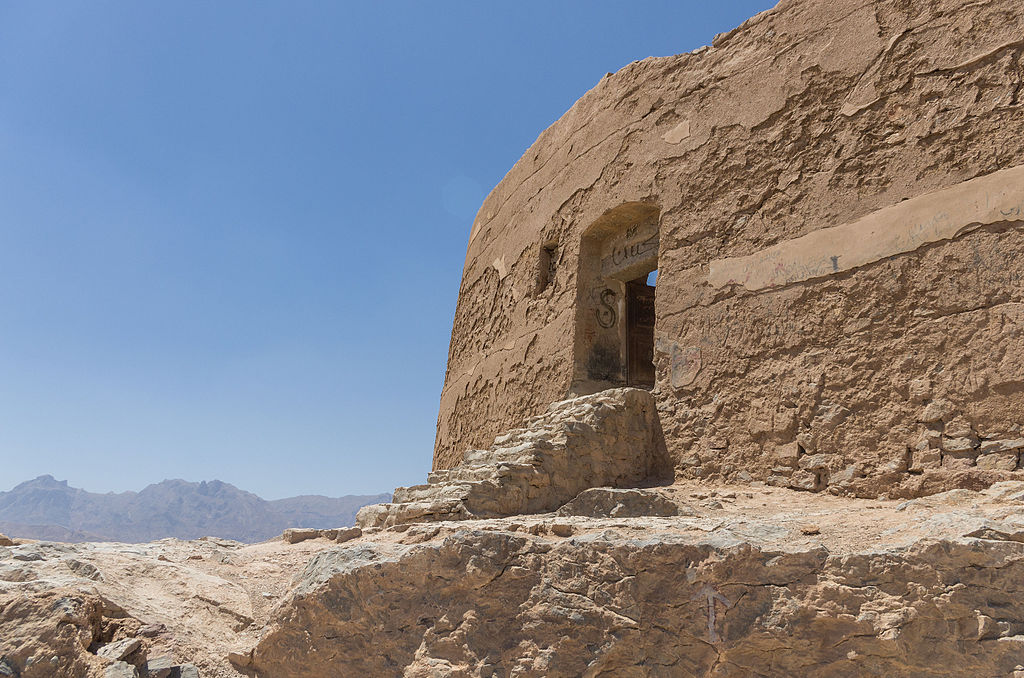
The tower sits about 15 kilometers southeast of Yazd, on Dakhmeh Mountain. The climb is steep but short, and the reward is breathtaking: a panoramic view of the desert, the city's windcatchers in the distance, and the quiet hum of history beneath your feet.
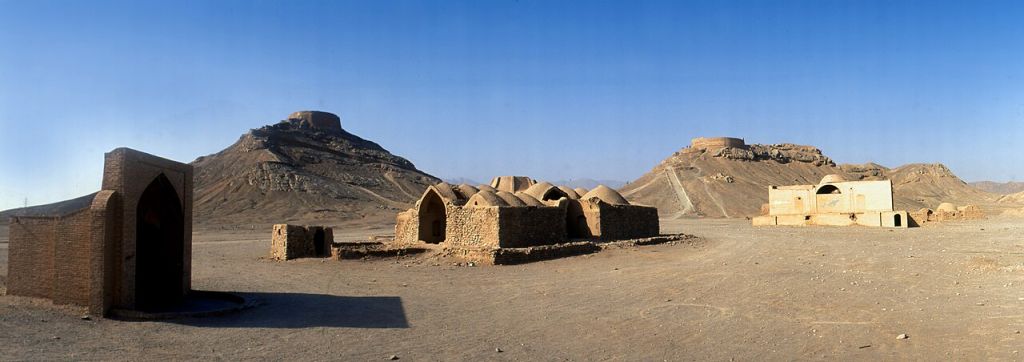
At the base, you'll find abandoned prayer halls, ceremonial buildings, and a modern Zoroastrian cemetery - a poignant contrast between ancient ritual and contemporary adaptation.
From Sacred to Symbolic
- The practice was officially banned in Iran in the 1970s, but the tower remains a national heritage site (No. 6312)
- Today, it's a place of reflection, education, and cultural preservation
- Visitors come not to mourn, but to understand — to witness a worldview where death is not an end, but a return
Why to visit the Tower of Silence
Because it's not just a relic - it's a revelation. It invites you to stand between sky and stone, and feel the weight of a belief system that saw death not as decay, but as cosmic harmony.
I want to visit
Yazd Tower of Silence






Yazd Tower of Silence
Visitor Information
- Opening Hours:
- Monday: 08:00 – 17:30
- Tuesday: 08:00 – 17:30
- Wednesday: 08:00 – 17:30
- Thursday: 08:00 – 17:30
- Friday: 08:00 – 17:30
- Saturday: 08:00 – 17:30
- Sunday: 08:00 – 17:30
- Entrance: Paid
- Cash/Credit Card accepted: Cash
- Region: Yazd Province
- City: Yazd
- Address: 15 kilometers southeast of Yazd, near the Safaiyeh area (neighborhood).
- Postal code: 8916773918
- Phone number: +983538232724
- Is open to public visitors: Yes
Tours featuring a visit to the Yazd Tower of Silence
- GUIDED GROUP TOUR

Guided group tour package
Tehran - Shiraz - Persepolis - Yazd - Isfahan - Abyaneh - Kashan
Tour start dates:
26.02.2026 - 04.03.2026
08.03.2026 - 15.03.2026
05.04.2026 - 12.04.2026
19.04.2026 - 26.04.2026
03.05.2026 - 10.05.2026
17.05.2026 - 24.05.2026
SGL € 750 per person
DBL € 650 per person
- GUIDED GROUP TOUR

Guided group tour pacakge
Tehran - Shiraz - Persepolis - Yazd - Isfahan - Abyaneh - Kashan - Qeshm Island - Hormuz Island - Hengam Island - Tehran
Tour start dates:
26.02.2026 - 07.03.2026
08.03.2026 - 19.03.2026
05.04.2026 - 16.04.2026
19.04.2026 - 30.04.2026
03.05.2026 - 14.05.2026
17.05.2026 - 28.05.2026
SNG € 1 200 per person
DBL € 1 000 per person