
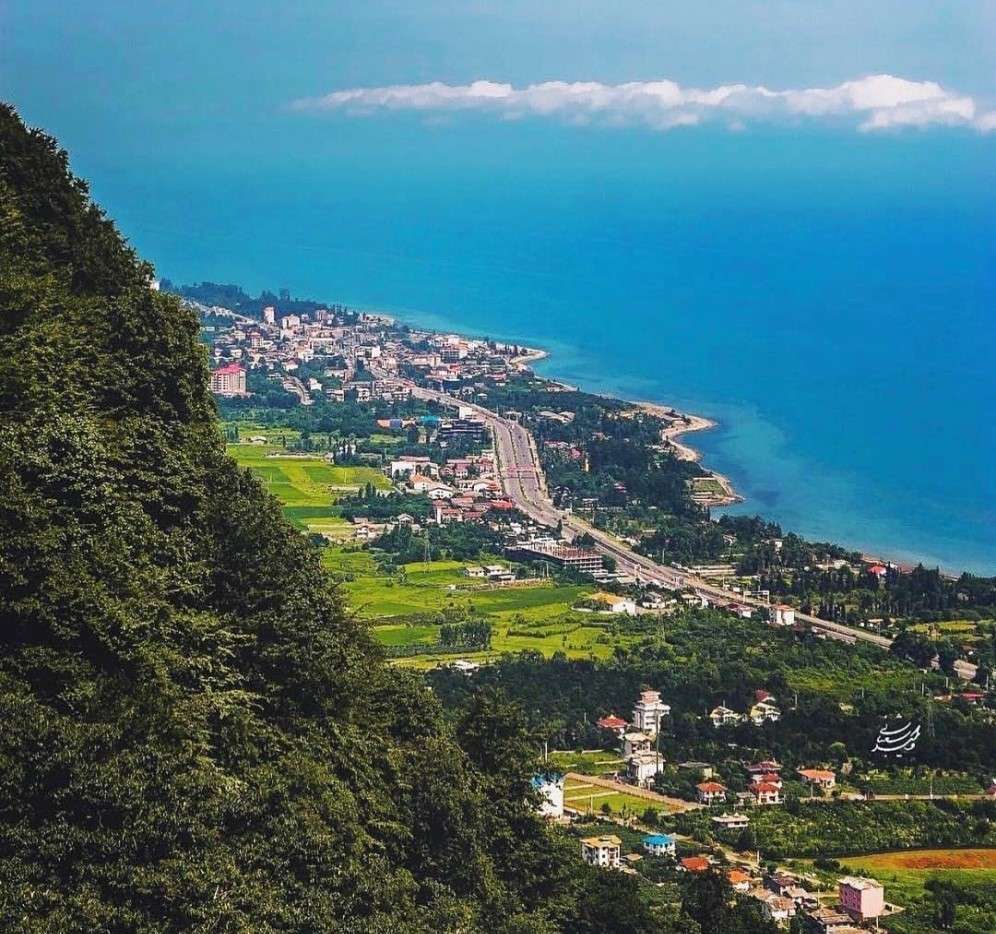
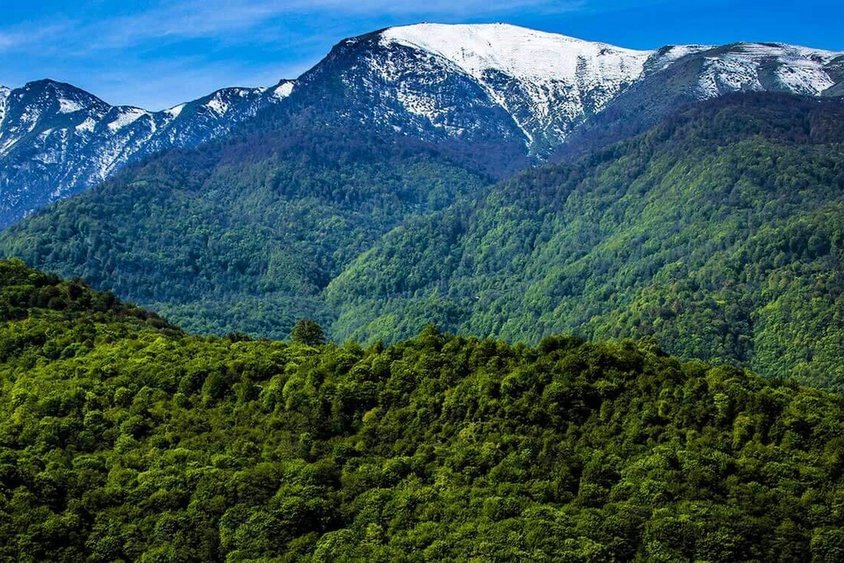
Gilan Province is a picturesque region of Iran, with an area of 14,042 km². It is located on the southwestern coast of the Caspian Sea, west of Mazandaran. Gilan attracts attention with its varied landscape: here you can see the northwestern end of the Alborz mountain range and the Gilan Lowland, the southwestern part of the Caspian Lowland.
The province's topography is striking in its contrasts. Its lowest point, Bandar Anzali, reaches 28 meters below sea level. The highest point in Gilan is considered to be Kuh-e Somam (Somamos), a 3,703-meter peak in the Alborz mountain range.
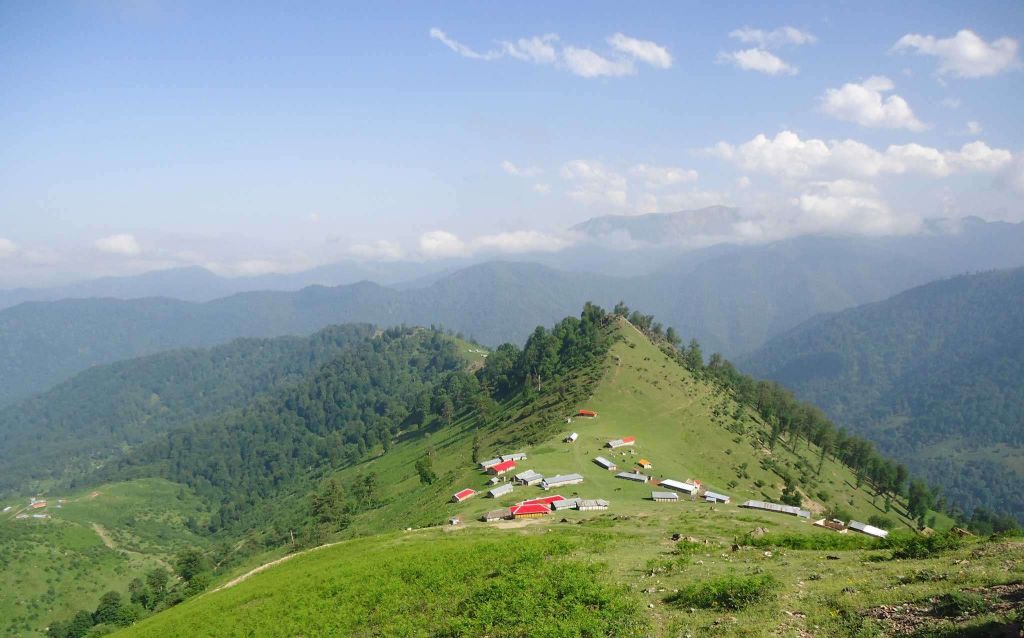
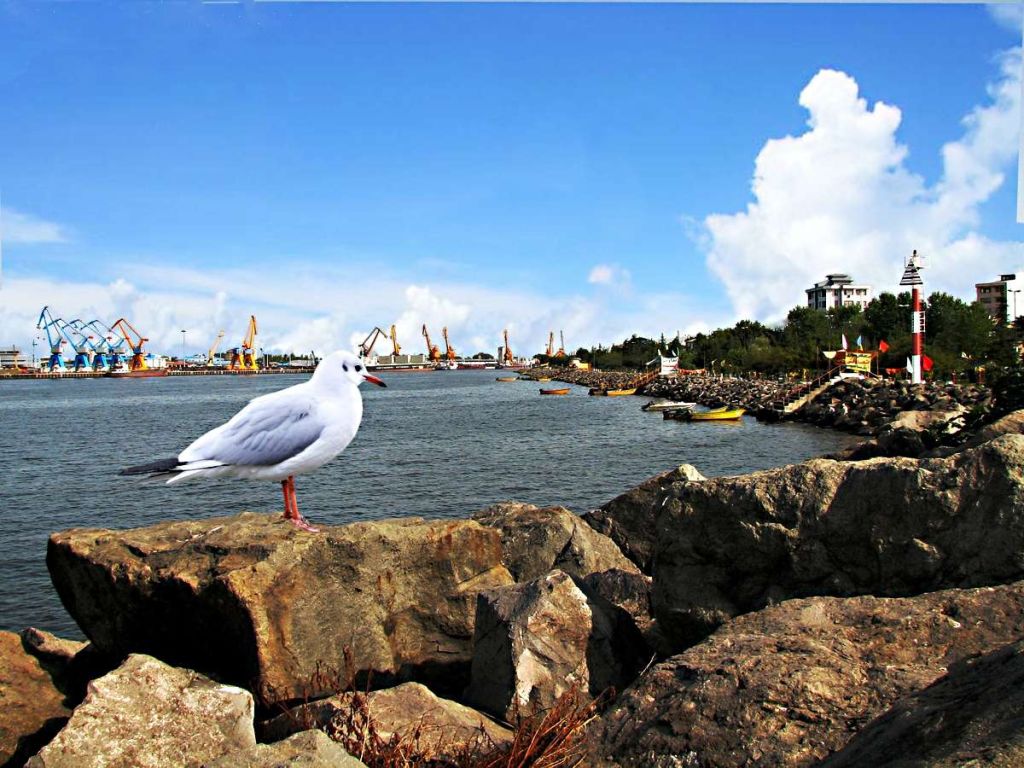
The Talysh Range, part of the Lesser Caucasus mountain system, stretches northwest of the province. This range plays an important geographic role, separating Iran from the Republic of Azerbaijan. Due to its border location and the presence of Iran's largest Caspian port, Bandar Anzali, Gilan Province is often called the country's "Northern Gate."
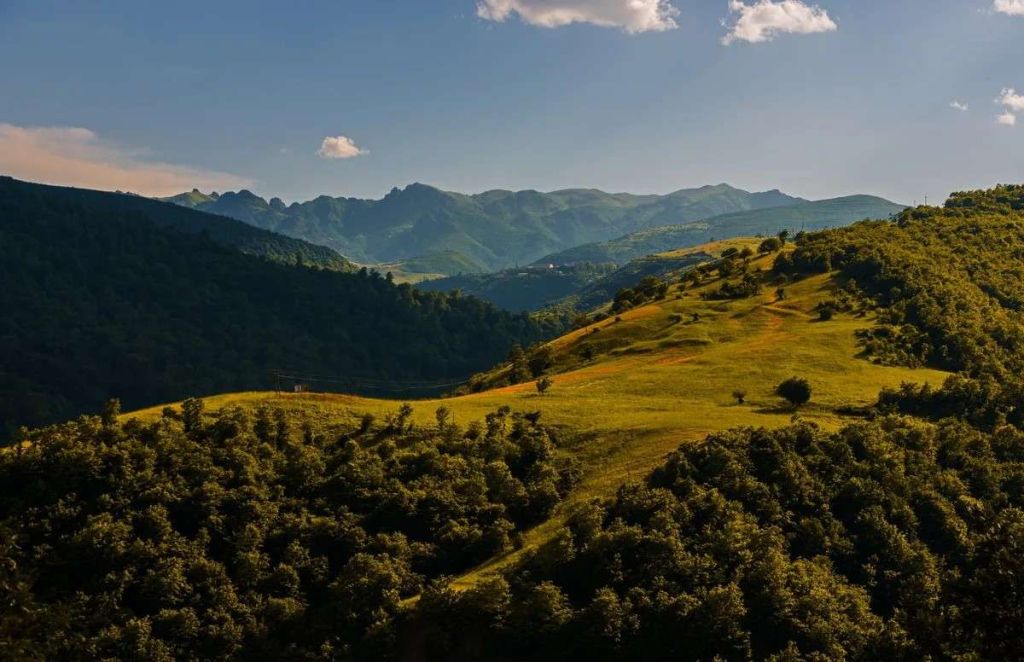
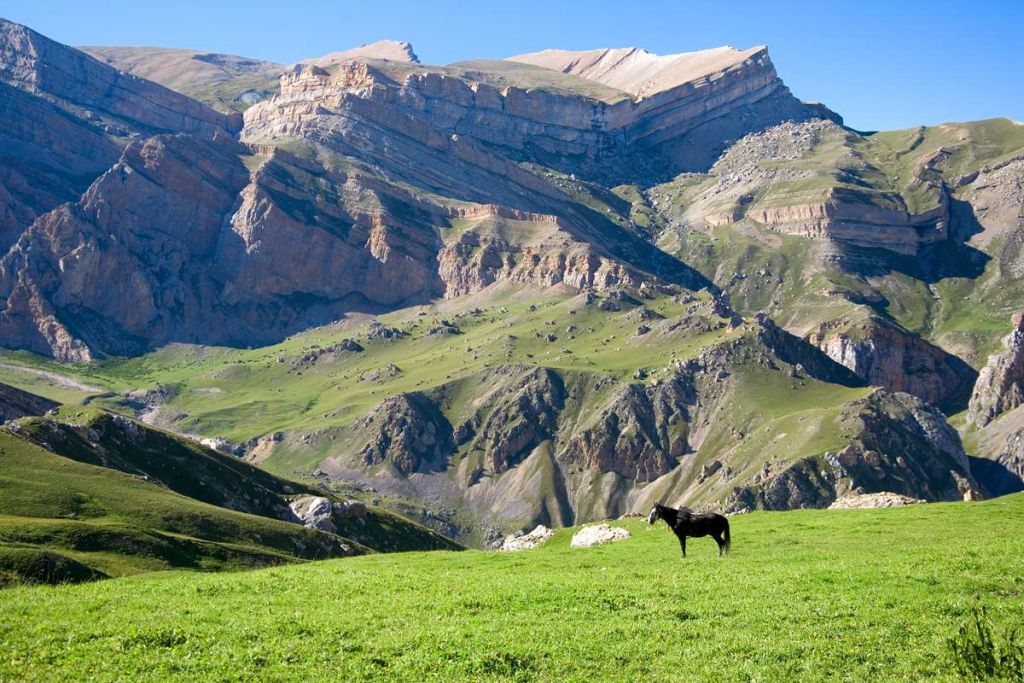
Gilan's Caspian Sea coastline stretches for 265 km, offering magnificent seascapes. A special place in the province's landscape is occupied by the deep transverse valley of the Safid Rud River, the largest river on the Iranian Caspian coast. Its delta flows toward the city of Rasht, giving the region its unique charm and strategic importance.
Climate of Gilan Province
The climate of Gilan Province is humid subtropical. It is characterized by mild winters, hot and very humid summers, and abundant rainfall throughout the year—annual rainfall reaches 2,000 mm.
Temperatures in Gilan vary significantly regionally. In July, the average temperature ranges from 21°C to 26°C, gradually increasing from the southwest to the northeast.
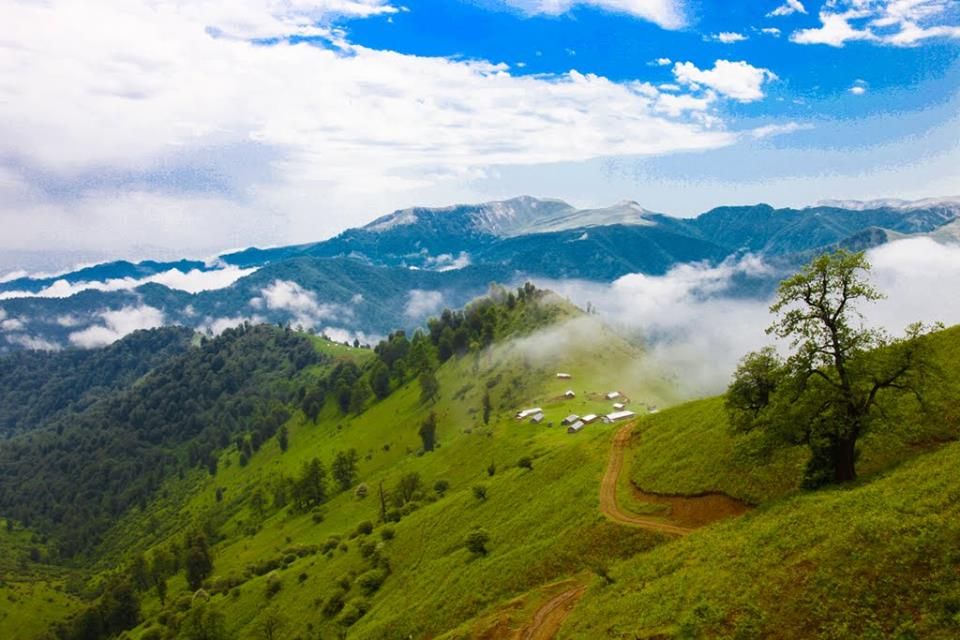
The winter months in Gilan Province are relatively warm: in coastal areas, daytime temperatures average 11°C, while nighttime temperatures average 8°C. Temperatures rarely drop below freezing. However, the topography makes its own adjustments: frost is possible in the mountainous areas of Gilan Province, while in the highlands, temperatures down to -10°C and below are not uncommon.
Population of Gilan Province
The population of Gilan Province, according to the 2016 census, is 2,530,696. Despite its relatively small territory, Gilan Province is characterized by a high population density. Among them are the administrative center of Rasht, with a population of 680,000, as well as significant port and cultural centers: Lengerud, Lahijan, and Bandar Anzali.
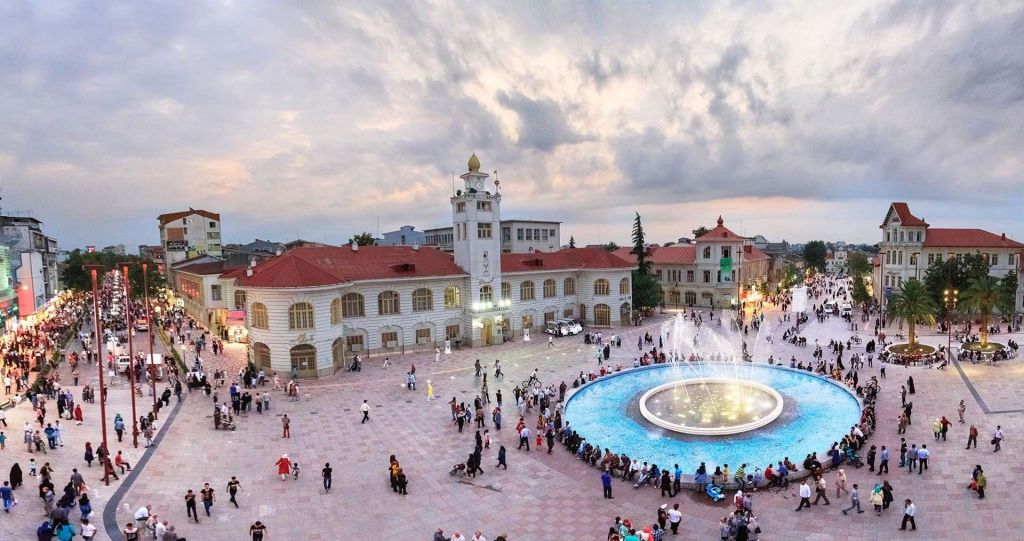
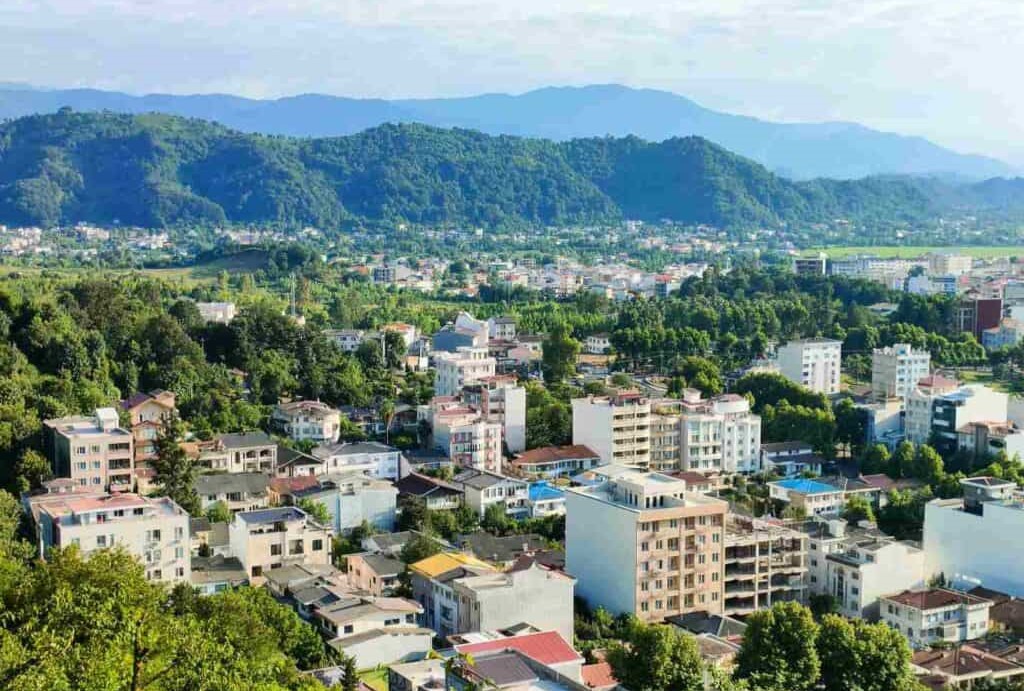
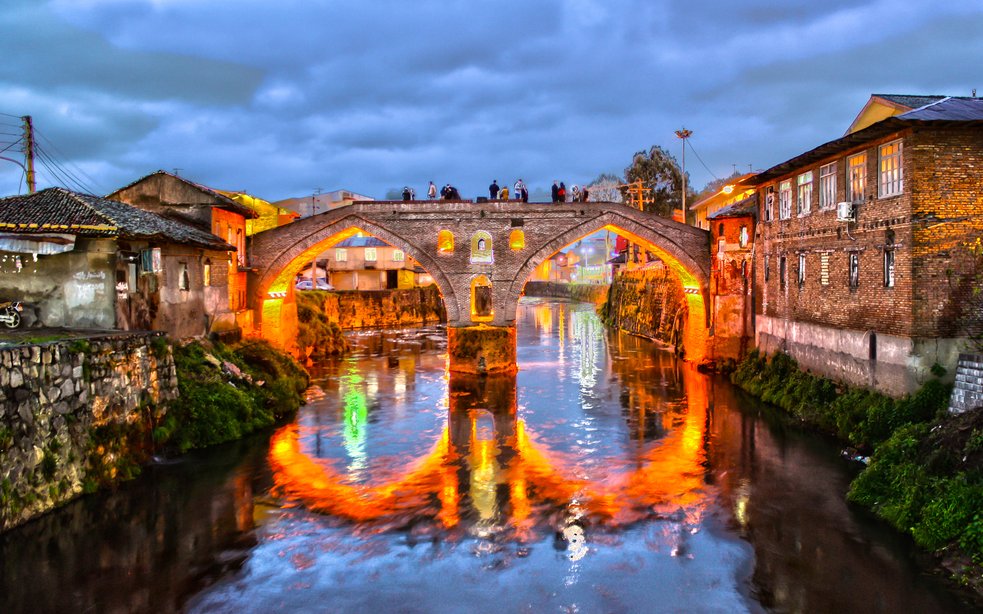
In addition to major cities, Gilan Province is home to famous tourist and historical sites: Kheshtper, Levendvil, Astara, Rudsar, and the village of Masuleh.
A distinctive feature of Gilan Province is its relatively low level of urbanization. Only 37.7% of the population lives in cities, making Gilan the least urbanized province in Iran. This is due to the high rural population density and moderate level of industrialization in the region.
The name "Gilan" derives from the ancient Scythian tribe of the Gels, the ancestors of the modern Gilan people (their self-designation is "Gilyani"). Gilan Province is multi-ethnic: in addition to the Gilan people, other ethnic groups also live here. The mountainous regions are home to the Galeshi people, a sub-ethnic group of the Talysh people. Kurds, Persians, Azerbaijanis, Tats, and Talysh also live in the province.
In everyday speech, local residents of Gilan Province most often use the Gilaki language, which belongs to the northwestern branch of the Iranian languages of the Indo-European family. It is represented by two main dialects:
- Reshti (Rashti);
- Mountain Gilaki (Gilyashi).
These dialects do not yet have an official written language or established norms. Azerbaijani (Torki), Tat, and Talysh are also commonly spoken.
However, all residents of Gilan Province speak Persian, the official language of the Islamic Republic of Iran. It is mandatory in schools and is used in official communications.
Religion in Gilan Province
90% of the population of Gilan Province, like the rest of Iran, are Shia Muslims. Most adhere to the Twelver School of Judaism (Jafari madhhab). The province also has a significant following of the Shia Nuktawi sect, which is rooted in Zaidism: this movement does not recognize the "hidden imam" and accepts the legitimacy of the first three caliphs.
Besides Shiites, Gilan Province is home to Sunni Muslims, primarily Kurds. There are also communities of Jews, Zoroastrians, and Baha'is—followers of a monotheistic syncretic religion that proclaims the "oneness of humanity." This faith originated in Iran in the mid-19th century.
The Christian community in Gilan Province accounts for 1% of the population, primarily Armenians and Assyrians. The St. Nicholas Prayer House operates in the city of Enzeli, located in Gilan Province. It was built in the early 21st century under the auspices of the Russian Orthodox Church. The community consists of Russian specialists working in Iran and their family members.
Industry in Gilan Province
Gilan Province's industry is primarily concentrated in the industrial zone south of the city of Rasht. There are 280 industrial enterprises located here, primarily in the food, processing, and light industries—textiles, woodworking, glass, and electrical engineering. The province also has a metallurgical plant with a capacity of approximately 700,000 tons of steel ingots per year.
Rasht, with its adjacent port of Bandar Anzali, is an important trade and logistics hub for the region and the Trans-Caspian branch of the North-South International Transport Corridor. Cargo is transported via the ports of Astrakhan, Makhachkala, and Baku, and then by rail, to Iranian ports in the Persian Gulf.
Gilan Province is a historical and key center of sericulture in Iran. It accounts for up to 50% of the national production of silkworm cocoons. Sericulture in Gilan was developed as early as the Sassanid era, and until the mid-19th century, the province was the largest exporter of raw silk in the world. Today, more than 40,000 families are engaged in this industry. Mulberry plantations in Gilan Province cover 12,000 hectares. Modern silkworm farming technologies and new mulberry tree varieties are being developed at the Rasht Sericulture Research Center.
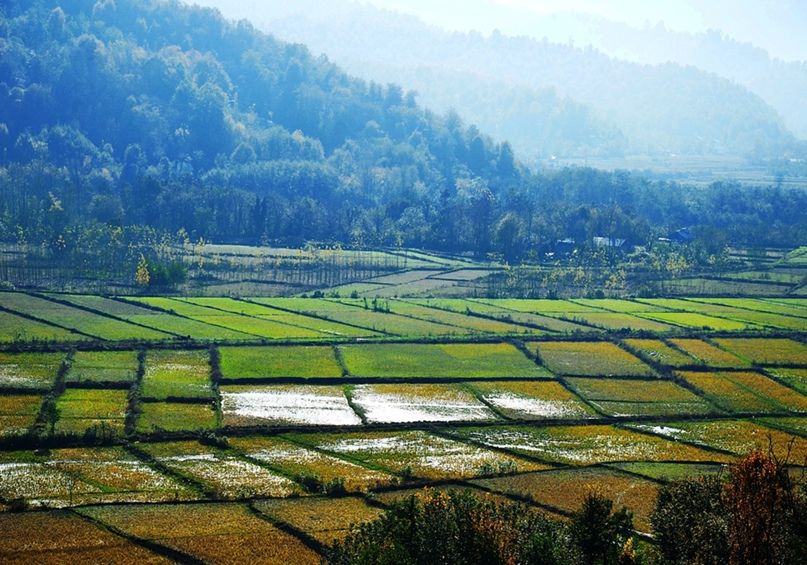
30% of the total area of Gilan Province is used for agriculture. The Caspian lowlands and the Sefid Rud River delta are occupied by rice fields. Their area reaches 238,000 hectares with an average yield of 4.5 tons per hectare. This makes Gilan Province, along with neighboring Mazandaran, one of Iran's main rice-growing provinces.
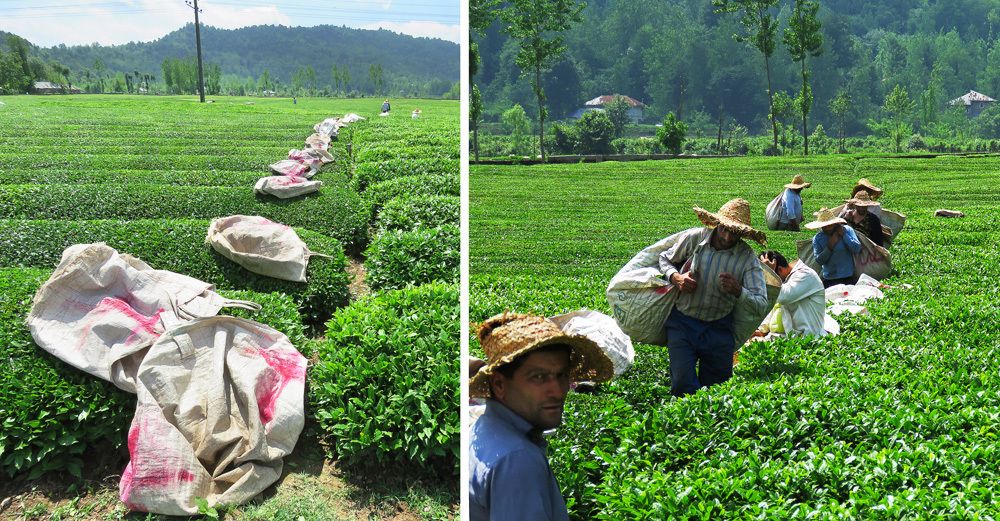
Gilan accounts for 90% of the country's tea production. Tea plantations covering 28,000 hectares are located on the mountain slopes, primarily in the Lahijan region. Tea bushes grow up to 40 cm tall but can produce leaves for fifty years. They are pruned for winter, a task performed by men. Leaf picking is an exclusively female occupation. Approximately 55,000 families are involved in tea production. Gilan tea, a hybrid of Indian Assam and more frost-hardy Chinese tea, is known for its purity: virtually no pesticides are used in its cultivation.
Olives, tobacco, citrus fruits, hazelnuts, peanuts, and kiwis are grown commercially in Gilan Province. Poultry farming, beekeeping, and fisheries, including sturgeon farming and caviar production, are also developed here.
Gilan Province is home to 80% of the 8,000 medicinal plants found in Iran. Approximately 245 tons of medicinal plants are harvested here annually. The Faculty of Pharmacy at Gilan University of Medical Sciences is constantly researching the properties of these plants to develop new medications. In Rasht, the Rahkaran-e Shimi pharmaceutical company produces cardiovascular medications, antibiotics, antiviral drugs, and cancer treatments.
Both the mountain and sea air of Gilan Province are considered healing. This makes the region attractive for wellness tourism: in recent years, many eco-hotels and motels have opened here.
Folk Crafts in Gilan Province
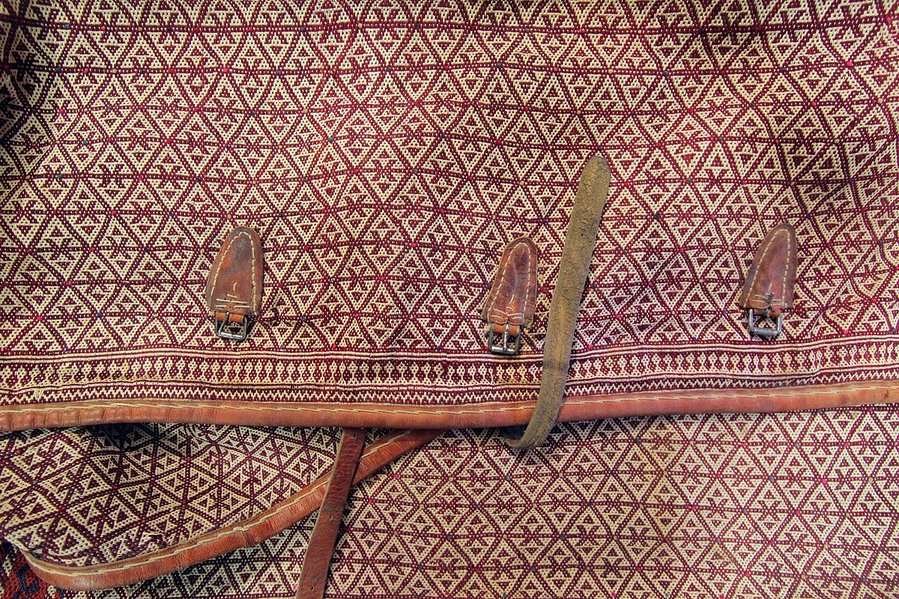
Gilan hand-woven silk and wool carpets are as renowned worldwide as the carpets of Qom, Kashan, Tabriz, and Isfahan. Particularly prized are the works of artisans from the small town of Astana-Ashrafieh, 30.6 km from Rasht. Small rugs called "kilims" and double-sided lint-free bedspreads called "jajims" are in great demand among tourists. Gilan artisans also make bags, pillows, and throws from this fabric.
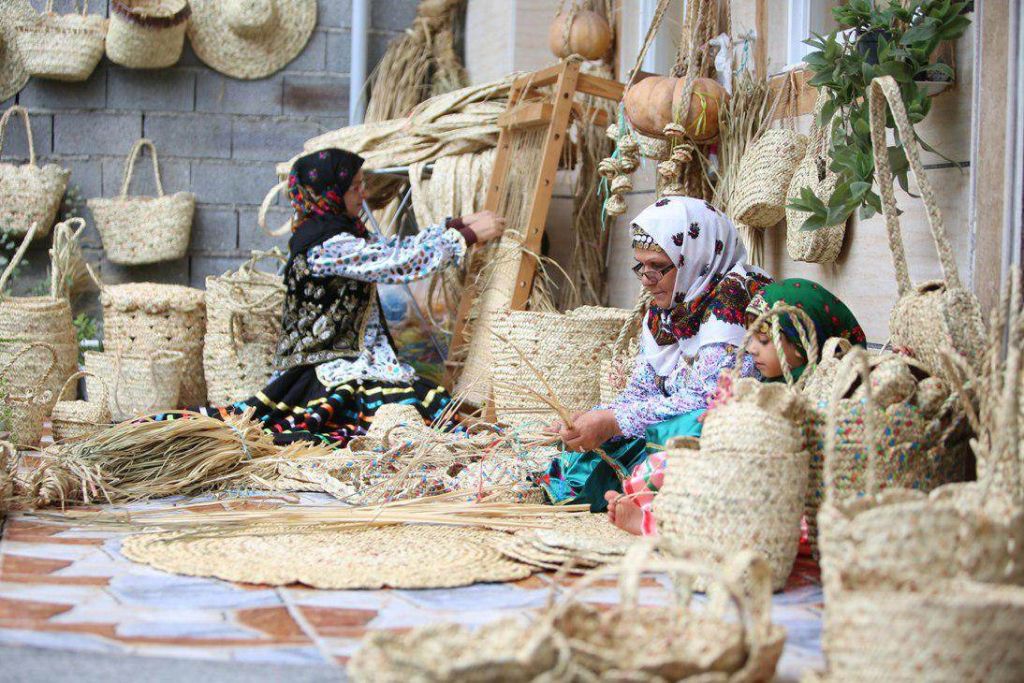
The art of weaving, "hasirbafi," has been practiced among the inhabitants of Gilan Province since ancient times. The region's rich natural environment offers a wide selection of plant materials: reeds, cattails, willow, bamboo, grapevines, hemp fiber, rice stalks, and rushes. Gilanians skillfully create mats, baskets, boxes, bags, hats, shoes, trivets, as well as fishing nets, bird traps, furniture, and even boats.
The abundance of forests and wood in Gilan Province has contributed to the development of such crafts as wooden utensil making and artistic wood carving. Gilan boxes, sugar bowls, salt shakers, ashtrays, walking sticks, shelves, and hangers are distinguished by their elegance and durability. Bas-reliefs and mosaics by Gilan artisans, inlaid with rare wood species, adorn international exhibitions and interiors far beyond Iran's borders.
Napkins, tablecloths, and clothing with distinctive geometric and floral patterns are rightfully considered the hallmark of Gilan Province. They are embroidered using a special technique called "rashti-duzi" — crocheted on thick terry cloth.
One of the distinctive crafts of Gilan Province is pumpkin crafts. As they grow, pumpkins are carefully shaped and then skillfully decorated. Gilan artisans use pumpkins to create musical instruments, lampshades, planters, vases, and water containers for hookah smoking (called "kalyan-kui").
Just as they have been for millennia, Gilan Province still has many pottery artisans. Handmade pottery, as well as small sculptures of animals and people, are distinguished by their vibrant colors—yellow, orange, burgundy, and azure. These colors also predominate in the folk costumes of the residents of Gilan Province.
You can see artisans creating traditional handicrafts in the courtyard of the Gilan Province Rural Life Museum in Rasht.
Attractions of Gilan Province
Travelers visiting Gilan Province will long remember the picturesque Gulf of Anzali with its numerous islands surrounded by reeds and sea lilies. The nature reserve near Lake Estil in Astara deserves special attention—it is inhabited by rare and sweet-voiced birds.
Beautiful views of the plains and the sea can be enjoyed from the cable car from the Green Roof of Lahijan. The Hyrcanian Forests, a UNESCO World Heritage Site, are home to valuable endemic trees, some up to 500 years old.
History buffs in Gilan Province can visit the Kuchik Khan Mausoleum (1882–1921) in Soleymandorab. Kuchik Khan was the founder of the Jangali movement in Gilan against the Qajar dynasty. Between Lahijan and Langerud is the tomb of Sheikh Zahid Gilani (1216–1301), the great dervish, poet, and teacher of Sheikh Safi ad-Din Ardebili (1252–1334), the founder of the Safavid dynasty.
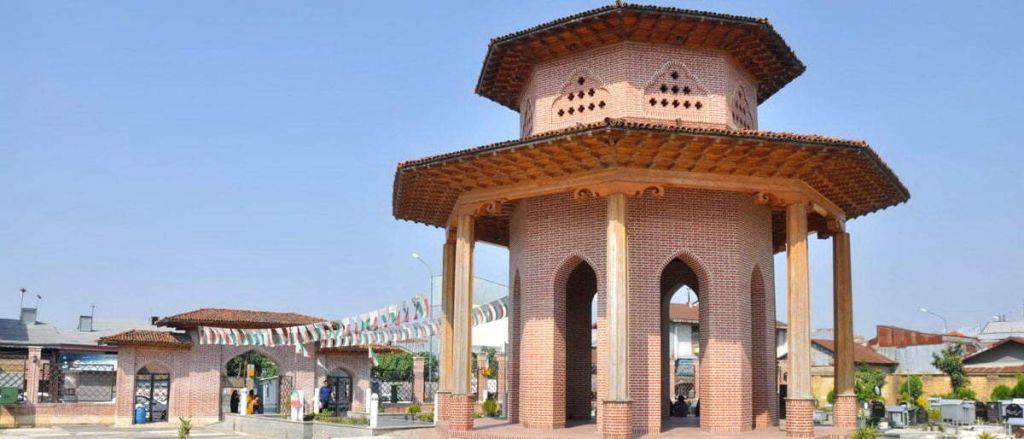
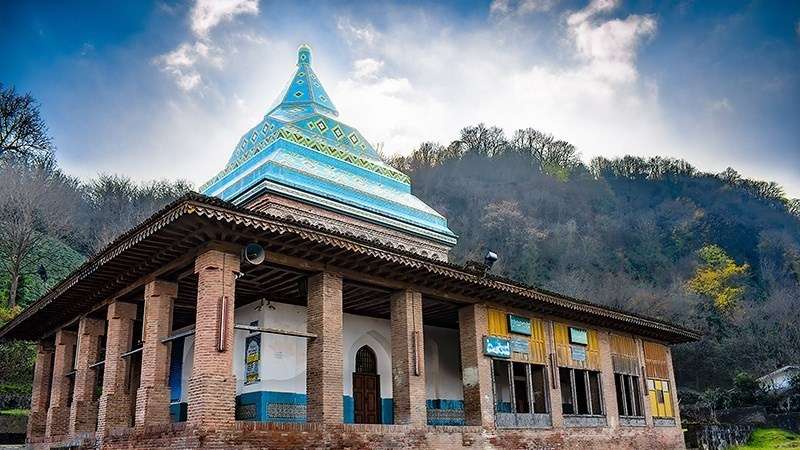
An important pilgrimage center in Gilan Province is the city of Astana-e Ashrafieh. The mausoleum of Sayyid Jalal ad-Din Ashraf (9th century) is located here—the son of the seventh Shiite Imam Musa al-Kazim and brother of Imam Reza.
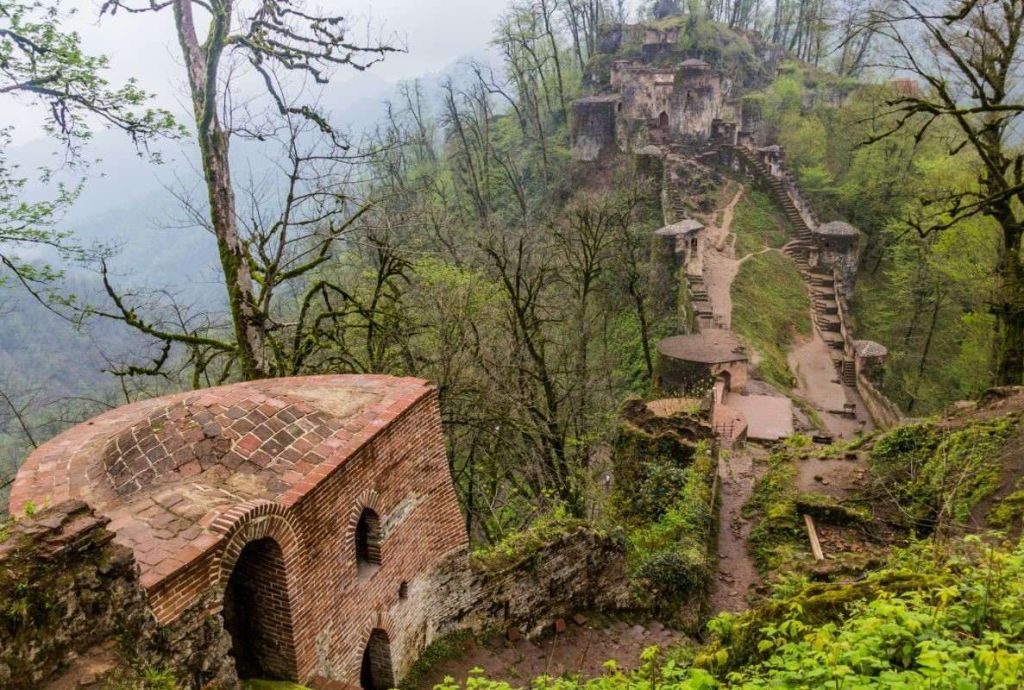
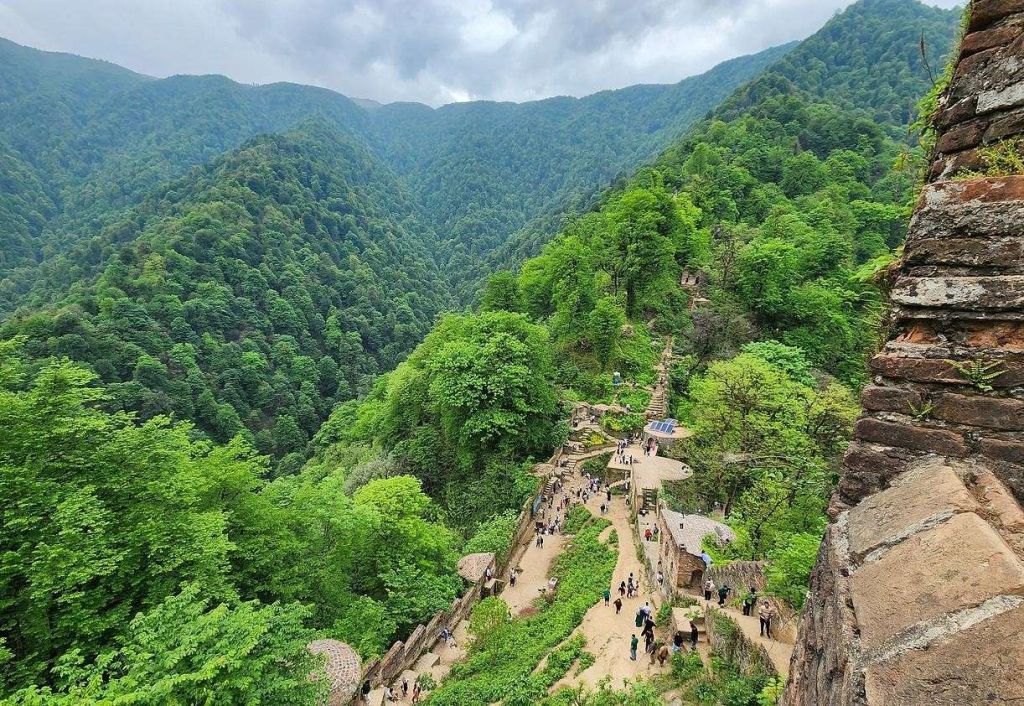
At an altitude of over 700 meters above sea level stands the Rudkhan Fortress. It defended Iran during the Sassanid era and was rebuilt about five hundred years ago, during the Safavid era. The fortress walls are 1,500 meters long. The numerous towers and galleries of the fortress impress with their architectural sophistication and the spirit of history, palpable in every stone.
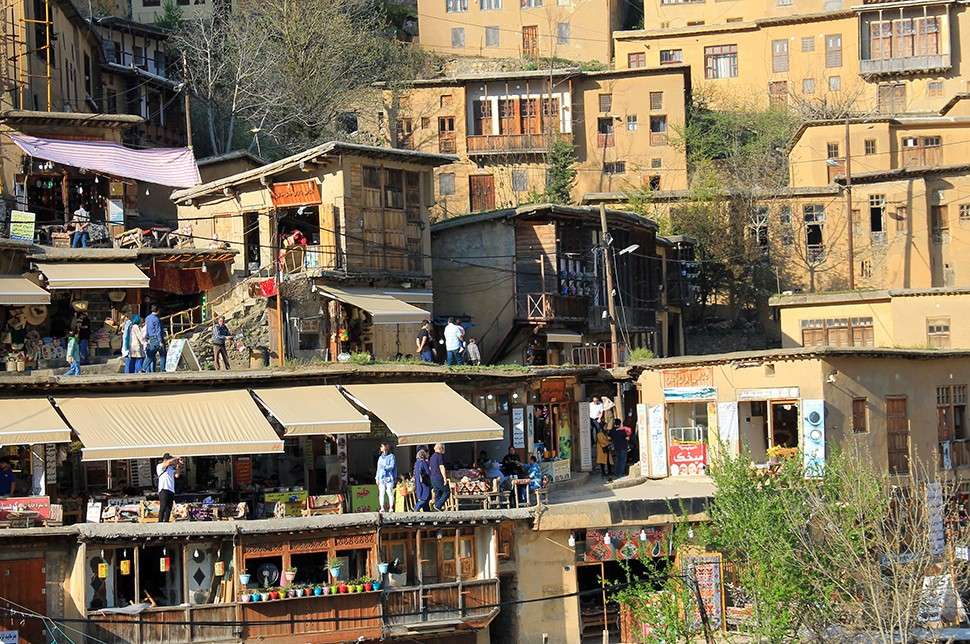
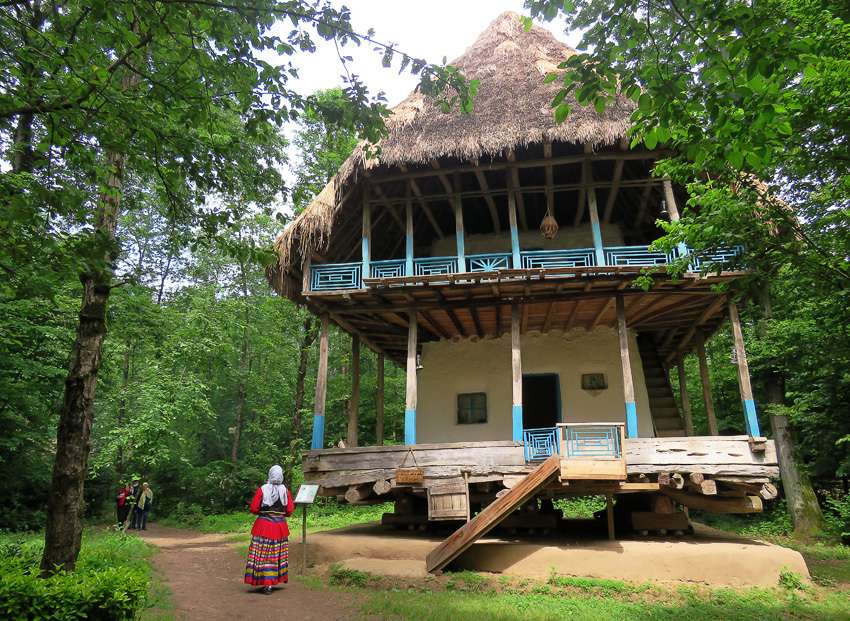
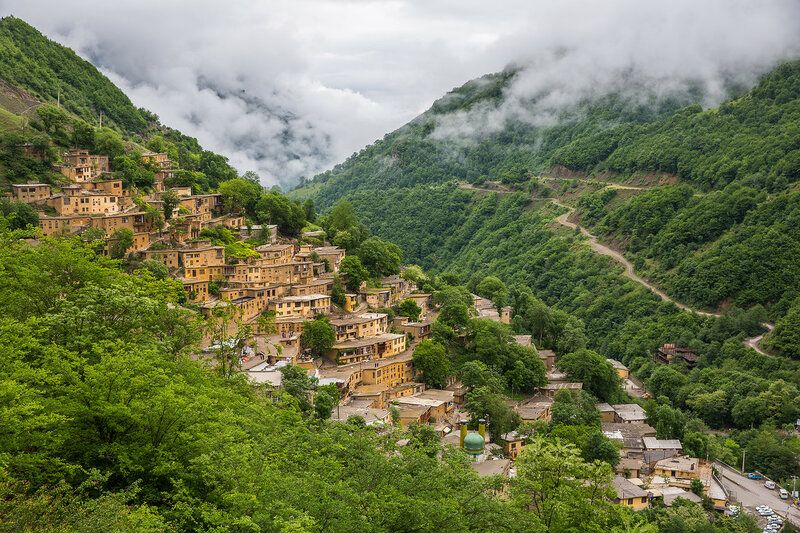
40 km from Rudkhan Fortress lies the mountain village of Masuleh. It has preserved its appearance since its founding in the 10th century and is the only village in Iran wh ere vehicles are prohibited: the houses are built one above the other and connected only by pedestrian corridors and squares. Near Masuleh are three picturesque waterfalls and the Museum of Anthropology, founded in 2002.
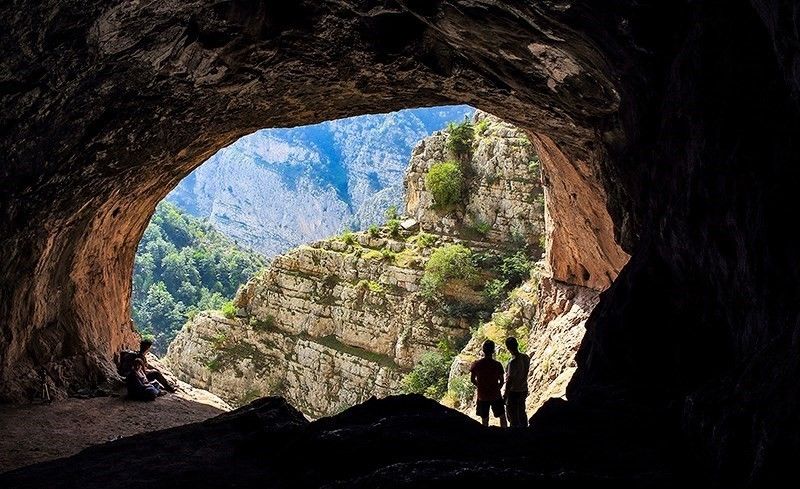
On the northern side of the canyon of the Siyah Rud River (a tributary of the Sefid Rud River) lies the Darband Cave. In 2012, Iranian paleontologists discovered stone artifacts from the Middle Pleistocene period here—side scrapers and hand axes. These finds indicate that humans inhabited these areas as early as a quarter of a million years ago.
In 1962, an archaeological expedition from the University of Tehran discovered the ancient site of Marlik Tepe (also known as Cheragh Ali Tepe) in the valley of the Gowhar Rud River (another tributary of the Sefid Rud River). It dates back to the end of the 2nd millennium BC (approximately 14th–10th centuries BC). The following were found in the 53 tombs at the site:
- Assyrian and Babylonian cylinder seals;
- bronze and ceramic human figurines;
- tableware with relief ornamentation;
- a gold necklace with three swastikas;
- a pure gold cup (the "Marlik Cup"), 18 cm high, with images of griffins and winged bulls.
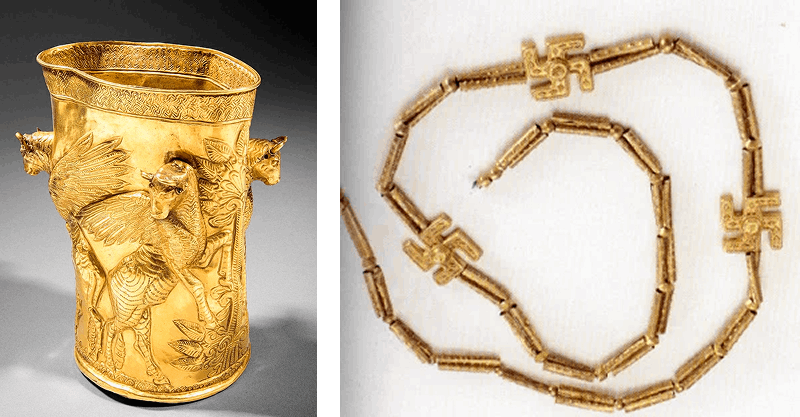
These works of art, recovered from the ancient land of Gilan Province, are of global significance. Today, they are housed in the Iranian National Museum in Tehran.