
Geography of Golestan Province
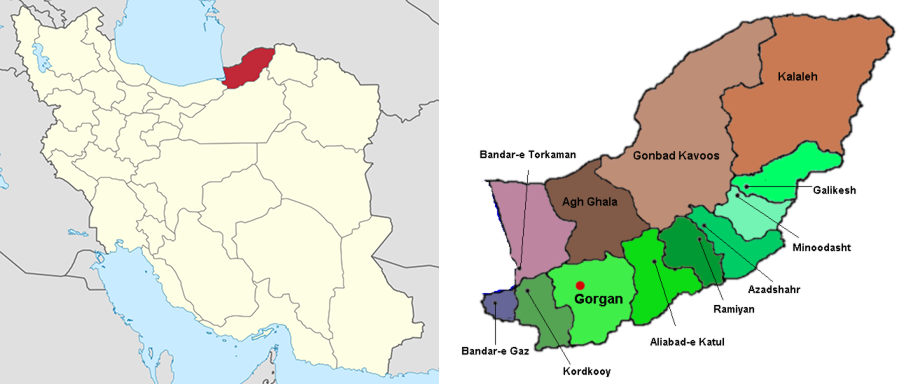
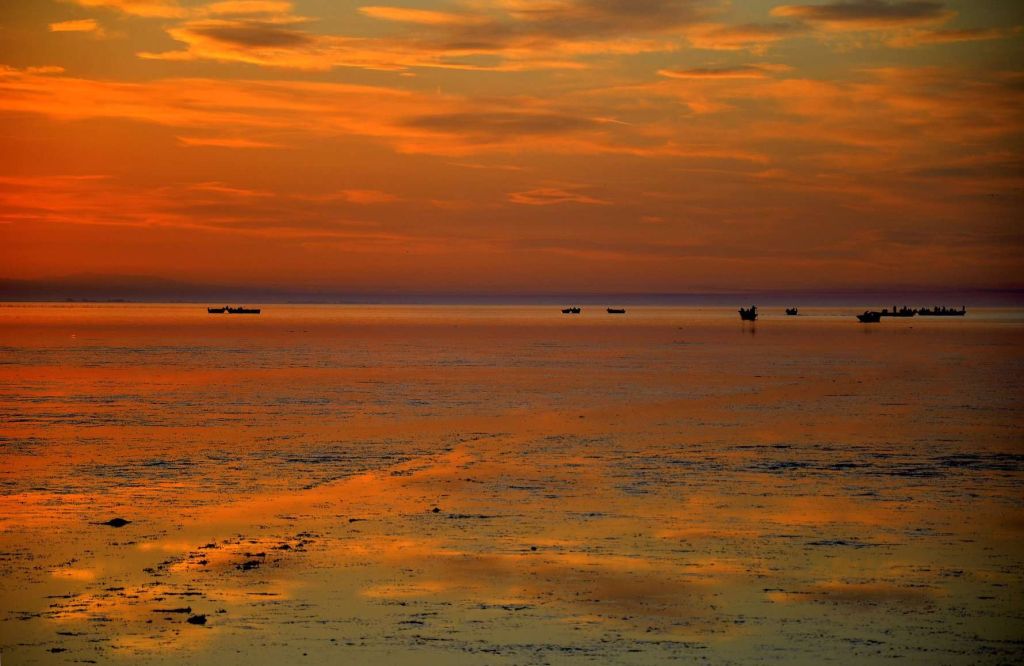
Golestan Province, the area of which Golestan Province is 20,195 km² in area and is located on the southeastern coast of the Caspian Sea. The sea borders the province on the west, with a coastline of 131 km.
Golestan Province borders Mazandaran Province to the west and lies to the east and northeast. Golestan Province was established as a separate administrative unit relatively recently, in 1997.
Golestan Province comprises 12 shahrestans (districts). The largest of them are:
- Gorgan (administrative center, population 340,000);
- Gombede Kavus (140,000);
- Bender-Torkamen (127,000);
- Gumush (100,000);
- Kord-Kuy (68,000);
- Aliabad (47,000).
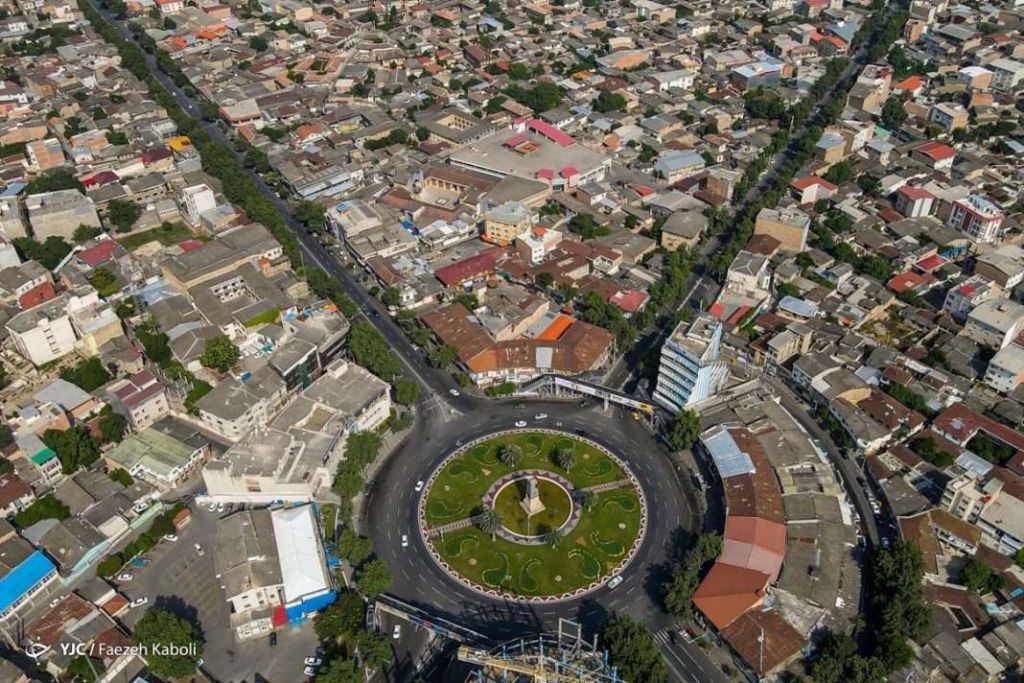
The name "Golestan" translates as "Land of Flowers." However, until the 7th century, this territory was known as "Gorgan" ("Land of Wolves"). This was the name given to the inhabitants of ancient Hyrcania, who, even in ancient times, were renowned as stern and courageous warriors who defended their lands. Today, this name is borne by the provincial capital, the city of Gorgan.
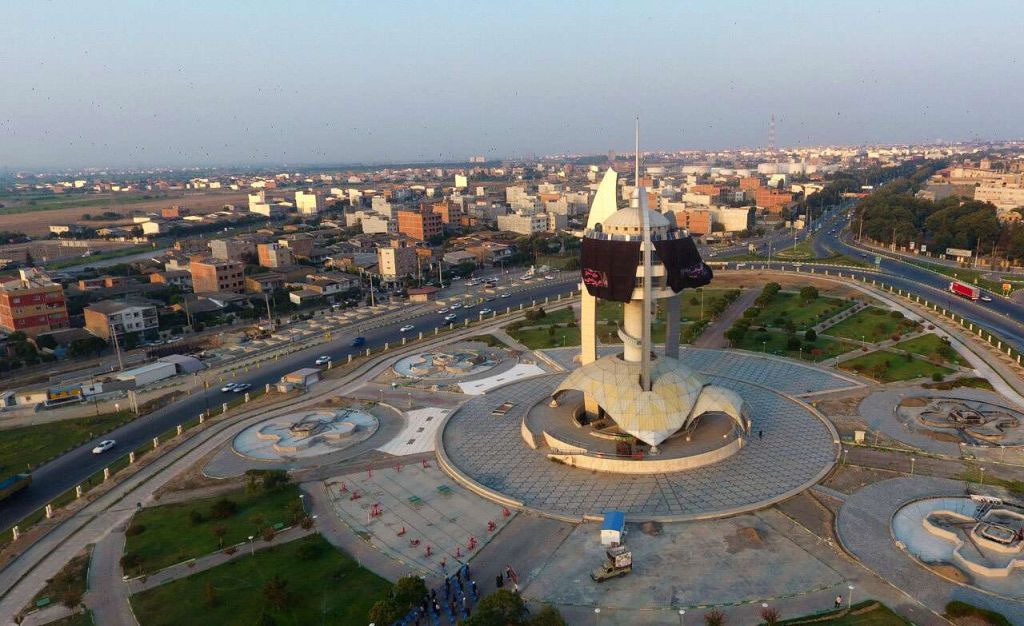
From the 16th century until 1937, the city was called Ester-abad. There are different versions of the origin of this name: from the Persian word "esterahat" - "city of rest" and from the Turkic word "astar" - "lowland", that is, "a city located in a lowland" (this version is more common). Sometimes the name is mistakenly associated with the Persian word "setare" - "star" (similar to the name "Astrakhan"). In Russian sources, the city is more often referred to as "Astrabad".
The relief of Golestan Province is characterized by significant differences in elevation:
- The lowest point is 29 meters below sea level (in the Gulf of Gorgan, south of Ashur-Ada Island);
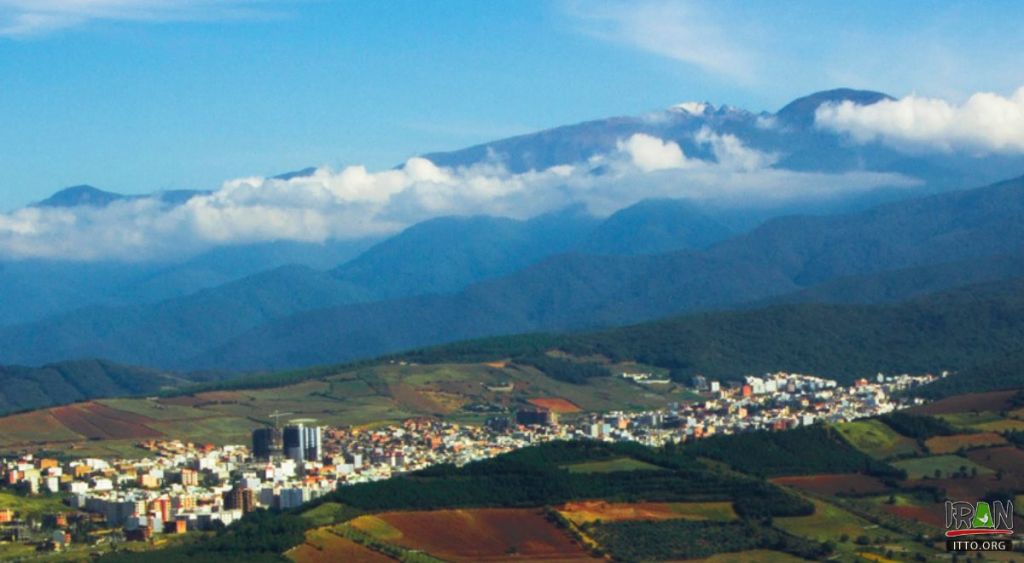
- The highest point is Shahvar-Kukh Peak (3,859 meters) in the northeastern part of the Alborz mountain range.
Climate of Golestan Province
The climate of Golestan Province is classified as "humid subtropical, Caspian type." It is characterized by moderately hot summers and mild winters. The average annual temperature is about 18°C, and annual precipitation reaches 600 mm or more.
The influence of the Alborz mountain range and the proximity of the Caspian Sea create three climatic zones in the province:
- Humid coastal zone: summer: +25-30°C, winter: +10-15°C;
- Temperate mountain zone: at low altitudes (closer to Gorgan): summer: +22-25°C, winter: +10-14°C during the day, winter: +2-4°C at night, and in highland areas: summer: 18-20°C, winter: down to -5°C and below.
- Semi-arid zone (Gorgan Valley) and desert zone (east and southeast of Golestan): summer: +40°C, winter: 10-12°C below zero;
Thanks to this climatic diversity, the region boasts high biodiversity and significant agricultural productivity.
Population of Golestan Province
According to estimates for 2025, the population of Golestan Province has reached 2 million 20 thousand people. The region is characterized by a multi-ethnic composition: Persians, Turkmens, Mazandarans, Azerbaijanis, Kazakhs, Balochs, and representatives of other peoples live here.
Golestan serves as an example of peaceful coexistence between Shiites and Sunnis:
- 30% to 40% of the population are ethnic Sunnis (primarily Turkmens, as well as Kurds, Baloch, and Kazakhs);
- Shiism (Islam of the Ja'fari madhhab) is practiced by Persians and Azerbaijanis;
- Christians, Zoroastrians, and Baha'is make up about 1%.
Economy of Golestan Province
According to the 2016 census, the urbanization rate in Golestan is 47–48%. This is significantly lower than the Iranian average of 70–75% due to the high proportion of the rural population. The province is important for Iran's food security.
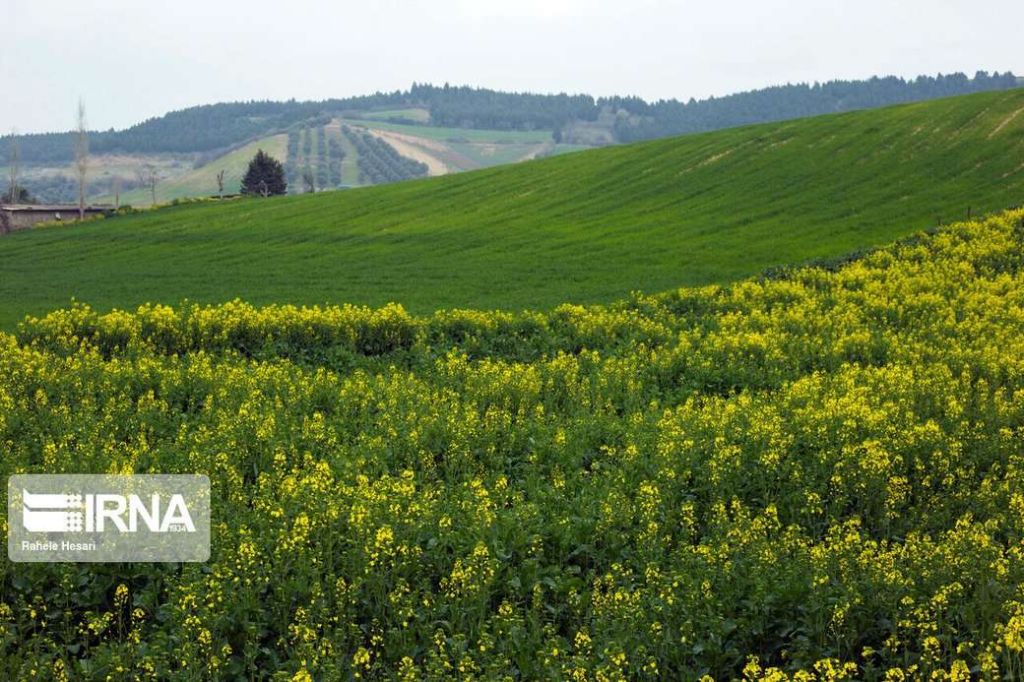
Golestan leads the country in oilseed production, growing rapeseed, soybeans, and sunflowers on 51,000 hectares, yielding approximately 80,000 tons of crops annually. By comparison, Khuzestan Province (second place) harvests approximately 76,000 tons from 45,500 hectares. Rice, barley, wheat, cotton, tobacco, potatoes, onions, bananas, strawberries, flowers, and ornamental plants are also grown on an industrial scale.
Golestan accounts for 50% of Iran's farmed sturgeon (Gorgan Bay is the "cradle of sturgeon"). Since 2012, beluga sturgeon has been farmed in the Gümüşan region and their caviar has been produced using a "gentle method" (preserving the life of the fish), which has allowed for increased exports without harming the Caspian Sea's bioresources. Golestan Province is one of the country's largest shrimp farming centers.
Golestan Province is Iran's leading producer of poultry and eggs. Key economic sectors include food, textile, petrochemical, and automotive industries, coal mining, energy, and transportation. There is an oil refinery in Gorgan, and the Peyvand-e Golestan cement plant in Peyvand.
The Inche-Burun border crossing (SEZ, 12,500 hectares) and the port of Bandar-e-Torkamen are key hubs on the eastern branch of the North-South International Transport Corridor: they connect the railway networks of Turkmenistan, Kazakhstan, and Russia with the port of Bandar-e-Khomeini on the Persian Gulf.
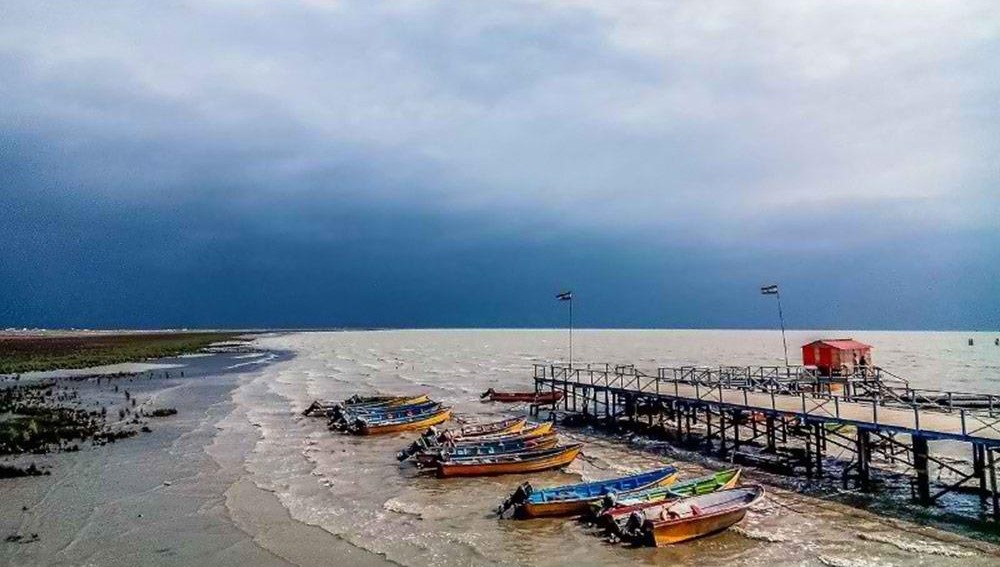
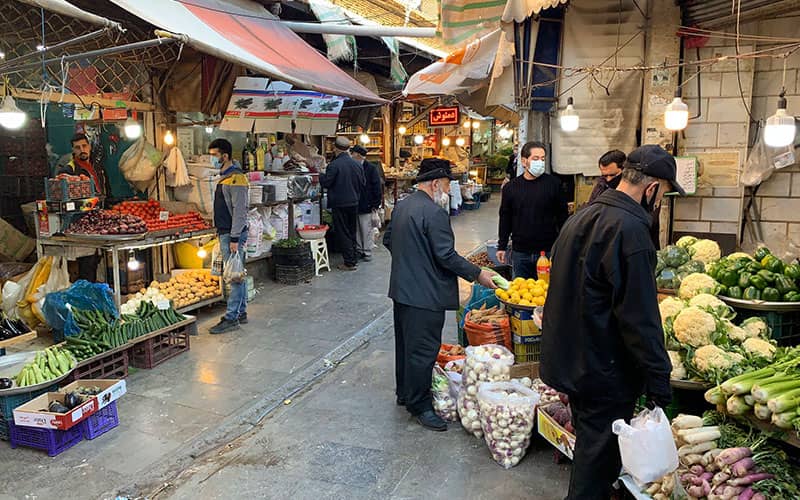
Golestan Province is a picturesque region with tourism potential: it boasts valleys, islands, lakes, waterfalls, verdant villages, natural sites, ancient monuments, and historical buildings. There are 140 ecotourism centers in the province.
Natural Attractions of Golestan Province
Golestan National Park stretches across the eastern foothills of the Alborz Mountains. Its territory encompasses not only Golestan Province itself but also neighboring North Khorasan and Semnan. The park is located near the Tehran-Mashhad highway.
Traveling along this road through the park, you can see almost all the typical Iranian landscapes: rocky mountains, gorges, rolling plains, mountain and steppe forests, and, in the eastern part, dry desert plains.
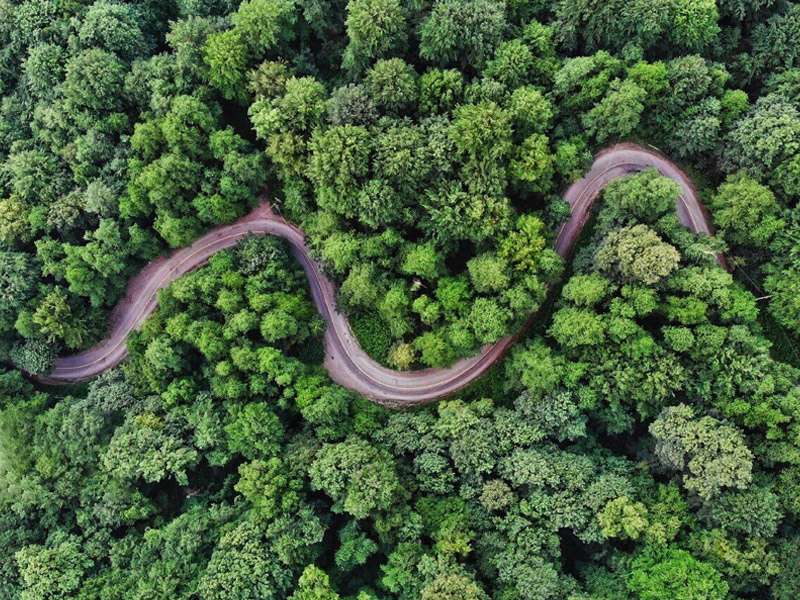
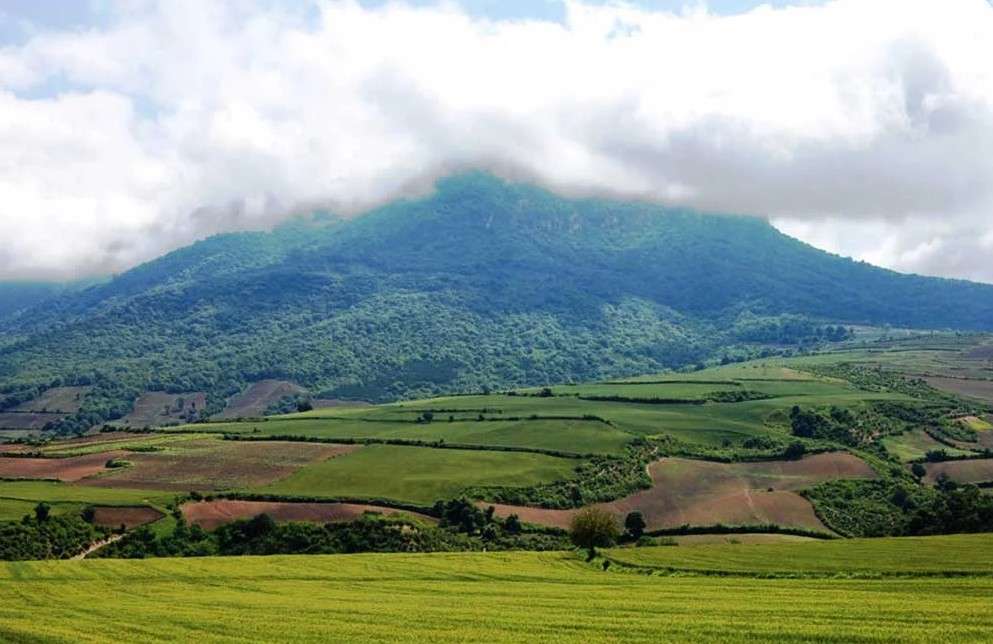
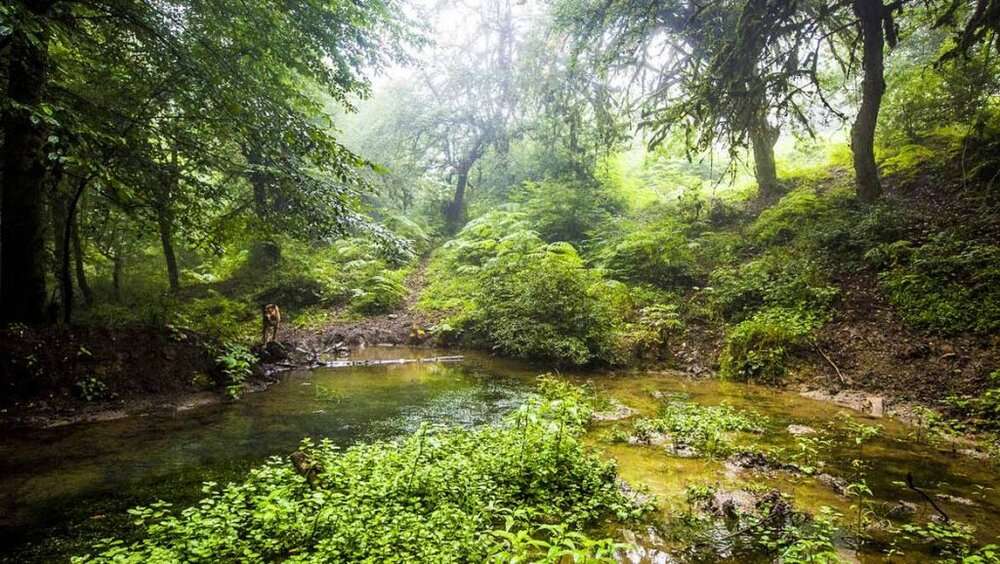
In the western part of the park, sections of the relict Hyrcanian forests, included in the UNESCO list, have been preserved. Broadleaf, moisture-loving trees predominate here: chestnut-leaved oak, beech, maple, ash, elm, alder, hornbeam, and Caspian poplar. Loquat, fig, hackberry (stone tree), pear, pomegranate, and mulberry are also common. In drier areas, juniper (archa), barberry, saxaul, milk vetch, camel thorn, and other steppe plants are found.
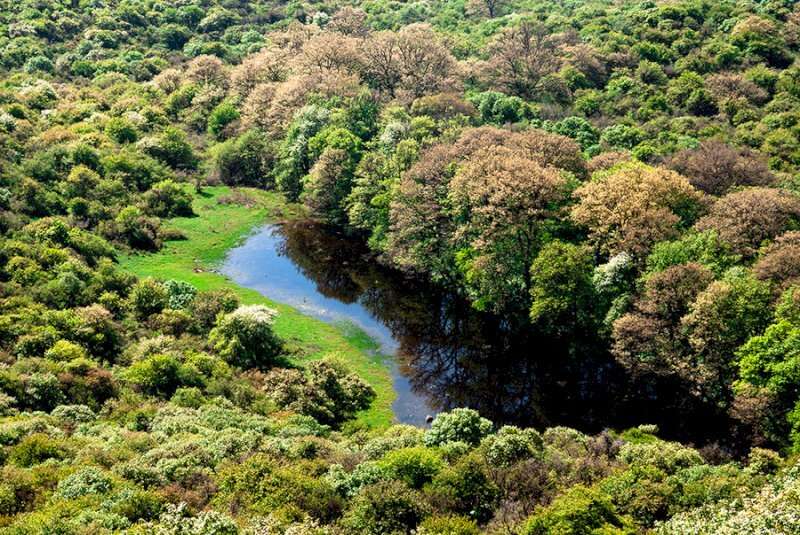
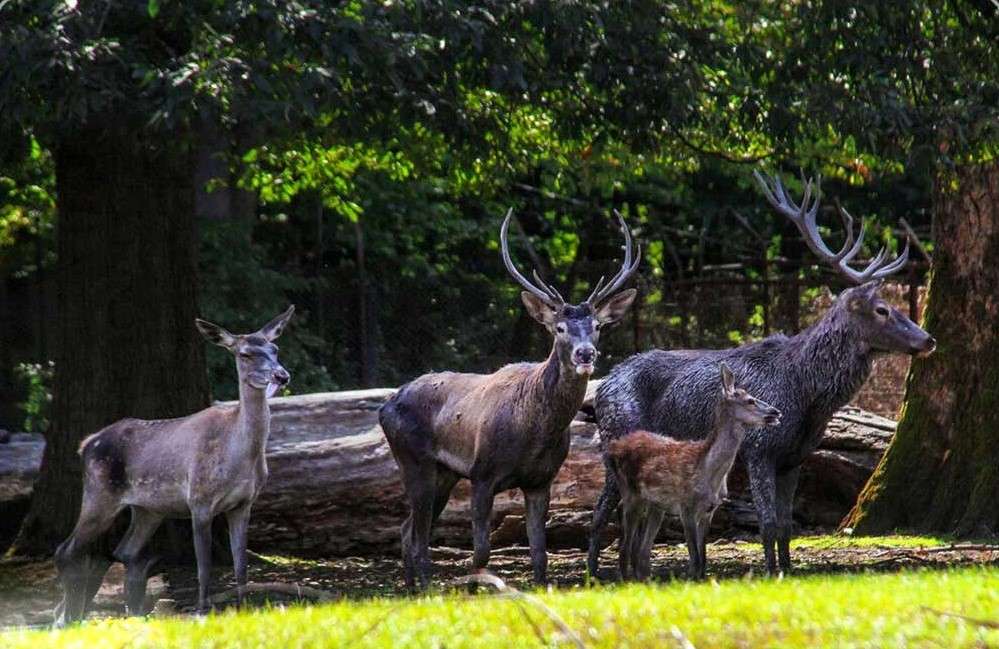
The park's fauna is diverse. The forests are home to Persian deer and gazelles, while the steppe regions are home to antelopes, ibex, sheep, and cheetahs. In the dense thickets, far from the highway, live leopards, wild boars, brown bears, wolves, jackals, lynxes, and wild cats.
The Atrek River flows through Golestan from the Turkmen-Khorasan Mountains to the Caspian Sea. In its lower reaches is the Ak-Kale Lagoon. The lagoon's marshy saltwater basins, overgrown with reeds and tamarisk, serve as a wintering ground for many migratory birds: flamingos, pelicans, swans, coots, and wild geese. Their food source is local fish, including carp and grass carp.
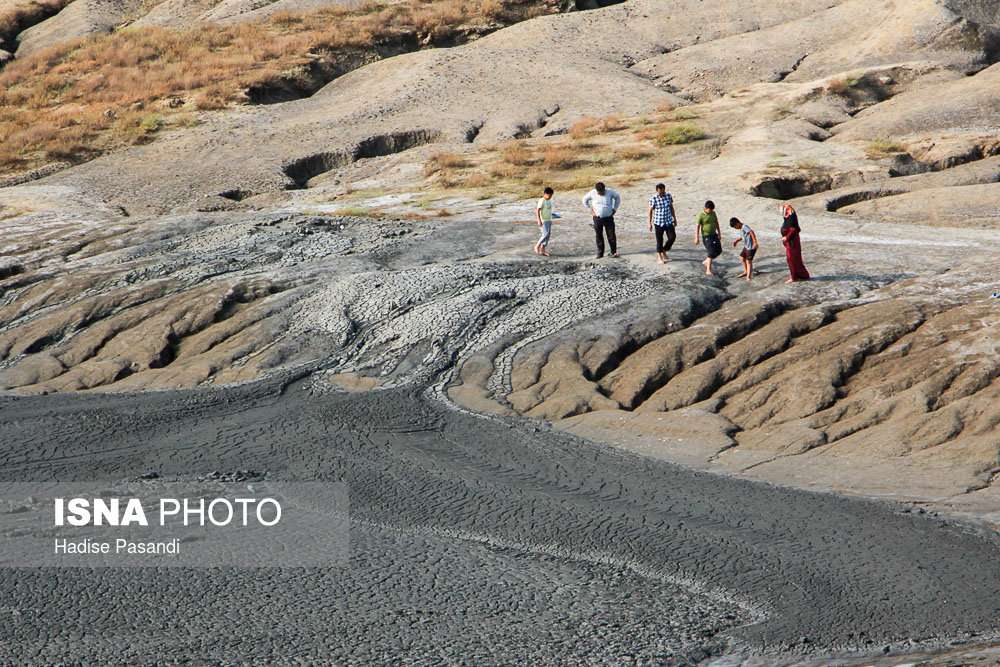
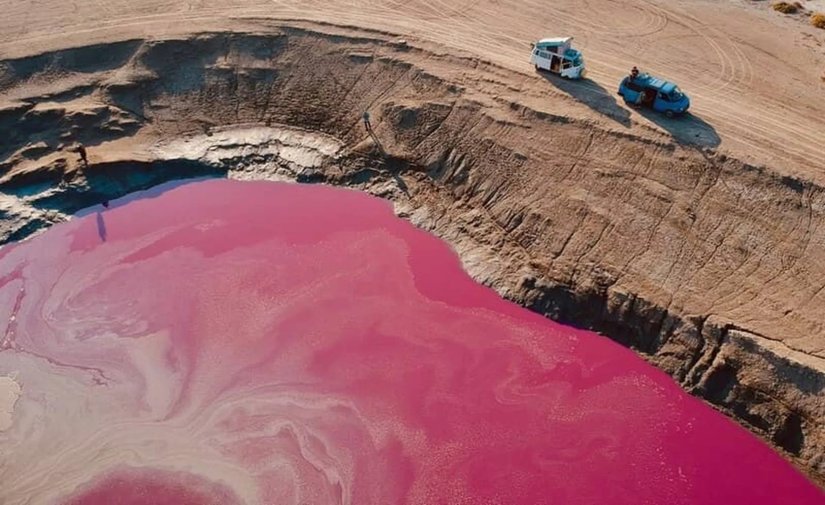
On the Gorgan Plain, in the Gumush and Ak-Kale areas, one can see a rare natural phenomenon—bubbling mud volcanoes. Through their flat vents, cooled mud masses saturated with mineral salts emerge to the surface under the pressure of underground gases. Interacting with the atmosphere, these masses color the bodies of water in unusual hues. For example, near the Neftelije volcano, a small pink-purple lake has formed.
Historical landmarks of Golestan Province
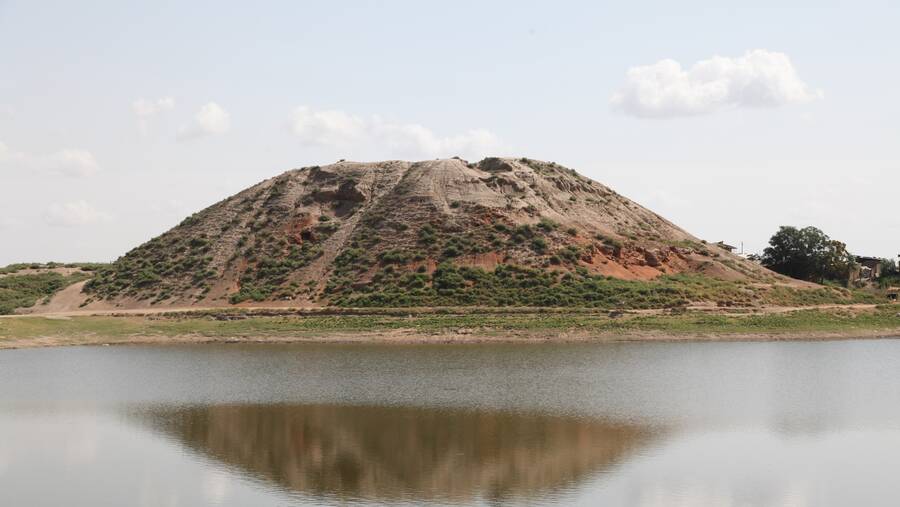
20 km from Gorgan and in 60 km from the Caspian Sea, near the village of the same name, rises the hill of Turang Tepe. Archaeological excavations in the 1930s, conducted by French specialists, proved that people settled here as early as the 6th millennium BC. Artifacts from various eras have been discovered on the hill—from the Bronze and Iron Ages to the Achaemenid, Parthian, Sassanid, and Islamic periods, including the Ilkhanid period (13th–14th centuries). Among the finds are gold, silver, and bronze objects: cups, bowls, stone tools, weapons, vessels with relief images, copper and bronze daggers, and small stone statues. Today, these artifacts are housed in both Iranian and foreign archaeological museums.
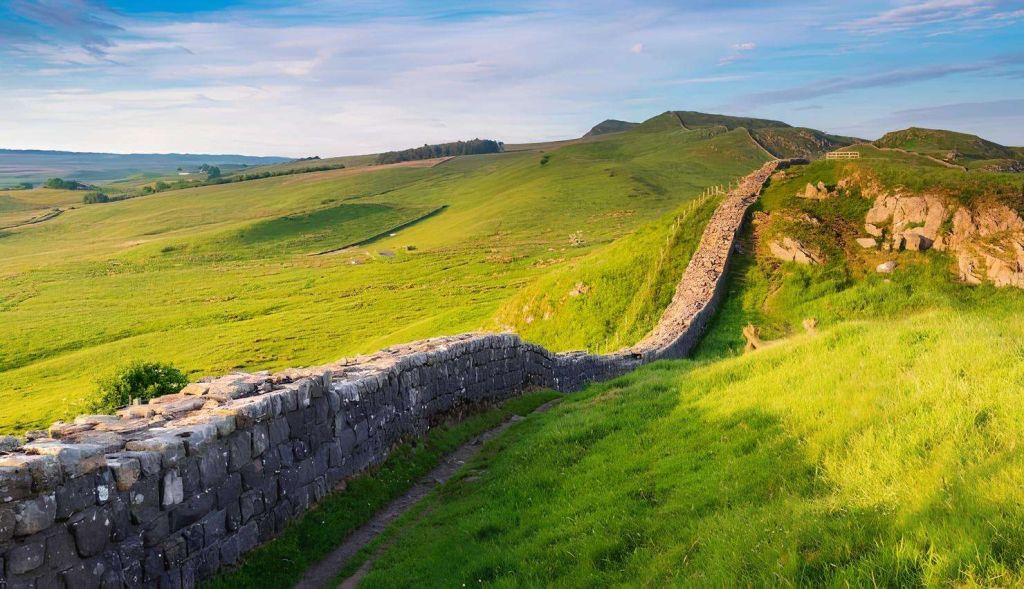
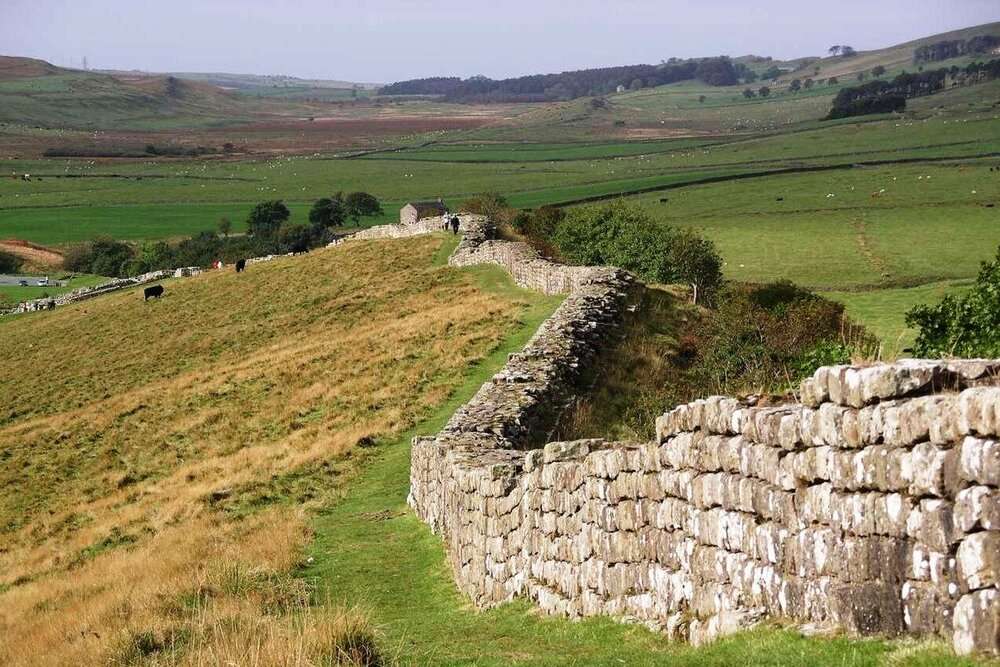
During the Sassanid era (3rd to mid-7th centuries AD), the Great Wall of Gorgan was built to protect against nomads. It stretched almost 195 km from west to east—from the Gulf of Gorgan to the Pishamar Mountains. The structure is built of smooth, square red bricks, which is why locals nicknamed it the "Red Snake" in ancient times. The wall's width varies from 6 to 10 meters, with guard forts located every 6 to 10 kilometers—a total of about 40. Archaeologists estimate that the wall could accommodate up to 30,000 soldiers, and in peacetime, the garrison was reduced to 15,000. It is believed that the "Double Derbent Wall" on the western shore of the Caspian Sea was part of a large-scale Sasanian project to protect possessions.
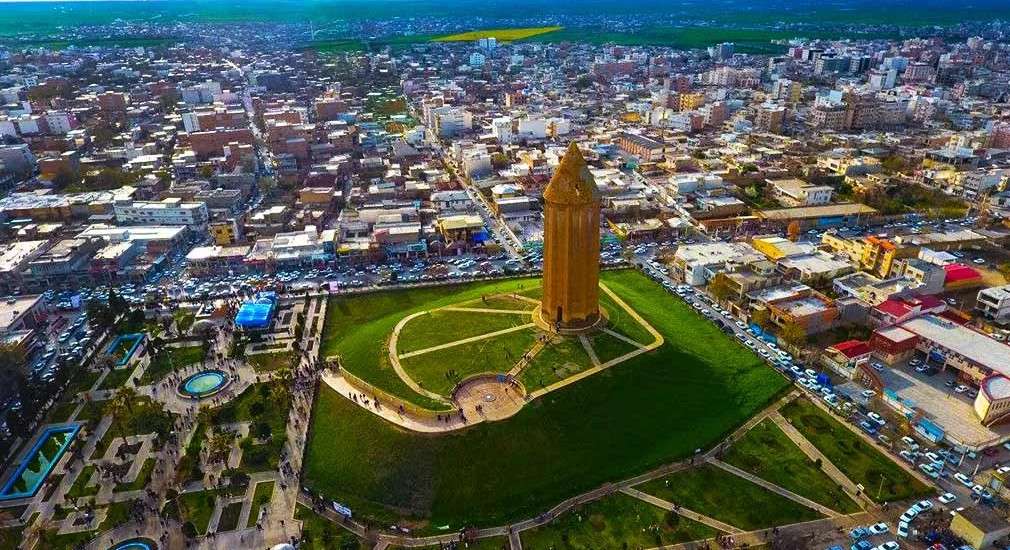
3 km from Gorgan stands a mysterious 12-sided tower with a conical top – Gombed-e Kavus. Built in the early 11th century by order of Emir Shams al-Ma'ali Kavus ibn Wushmagir of the Ziyarid dynasty, it likely served as his tomb. The site is inscribed on the UNESCO World Heritage List.
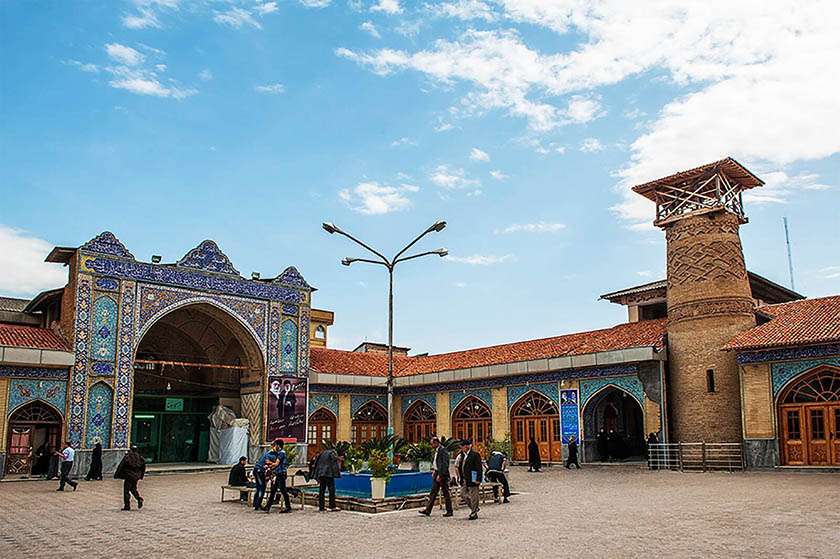
In Gorgan, on the site of the historic Nalbandan Bazaar, stands the Friday Mosque, notable for its unique architecture. It retains a minaret dating back to the Seljuk era, when Gorgan was incorporated into their empire in the mid-11th century. The mosque building has been destroyed and rebuilt several times. The mosque bears the features of the Kara-Kayunlu era (Safavid period) and contains inscriptions from the late 15th century.
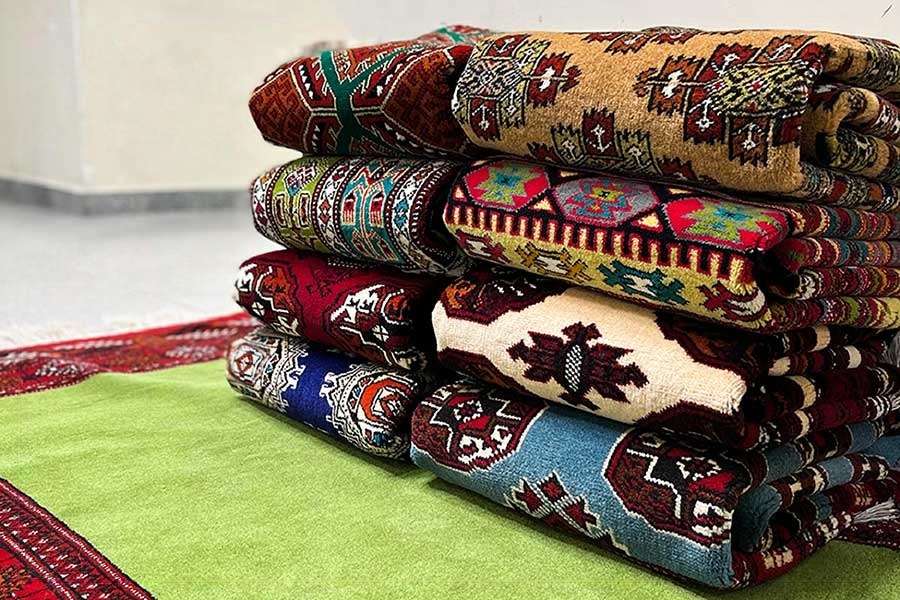
Carpet weaving is the oldest craft in Golestan Province, dating back 6,000 years. The Turkmen carpet with its characteristic geometric gol patterns is a symbol of local craftsmanship. The region also produces kilims (lint-free rugs), silk Turkmen shawls, embroidered clothing, felt rugs and bedspreads, bags, pillows, and home decor items made from double-sided woolen fabric called "jajim." Each piece embodies centuries of experience and the warmth of the artisans' hands.
Turkmen silver jewelry with red agate is especially popular among Iranian and foreign tourists: headbands, necklaces, belts, earrings, rings, and bracelets.