
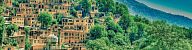
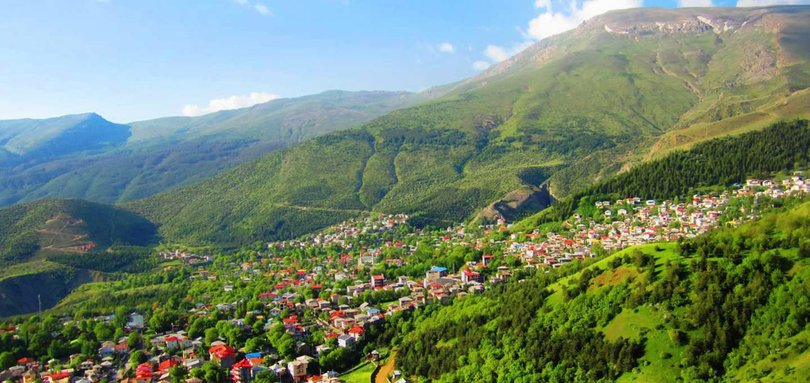
Mazandaran is a central province of northern Iran, covering an area of 23,840 km². Its coastline along the Caspian Sea is 350 km, making it the longest maritime border in northern Iran.
Mazandaran borders several provinces (ostans):
- to the west – Gilan and Qazvin;
- to the south – Tehran and Semnan;
- to the east – Golestan.
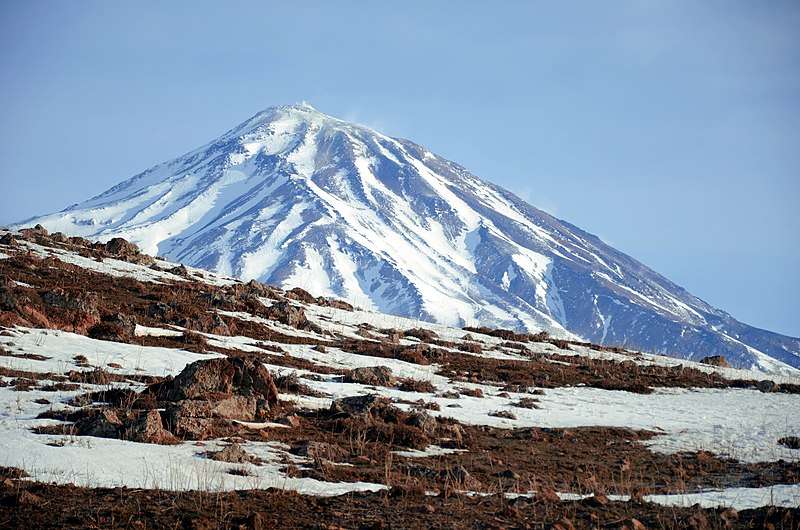
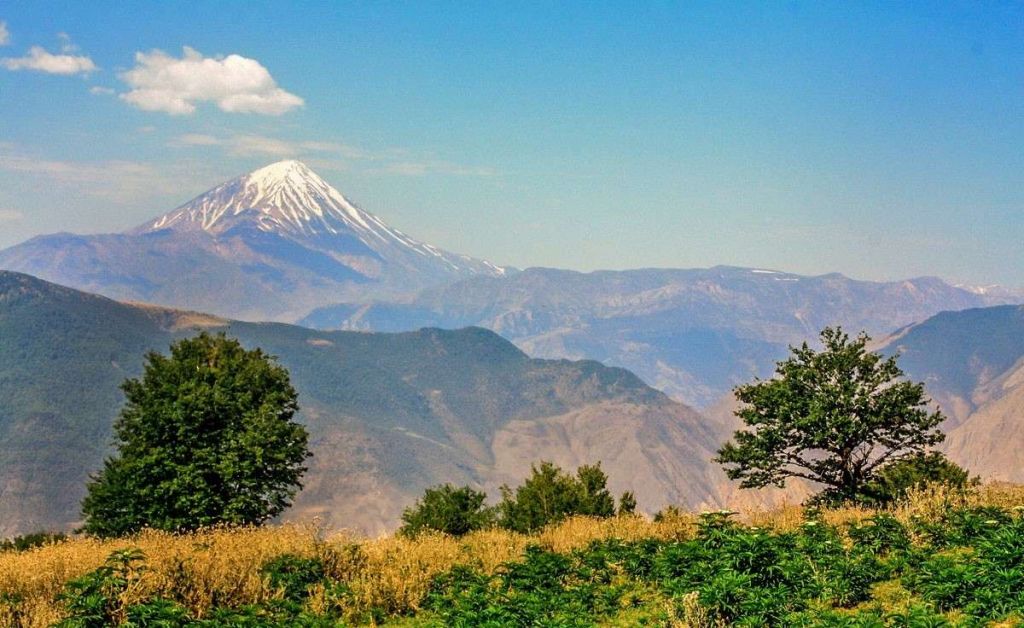
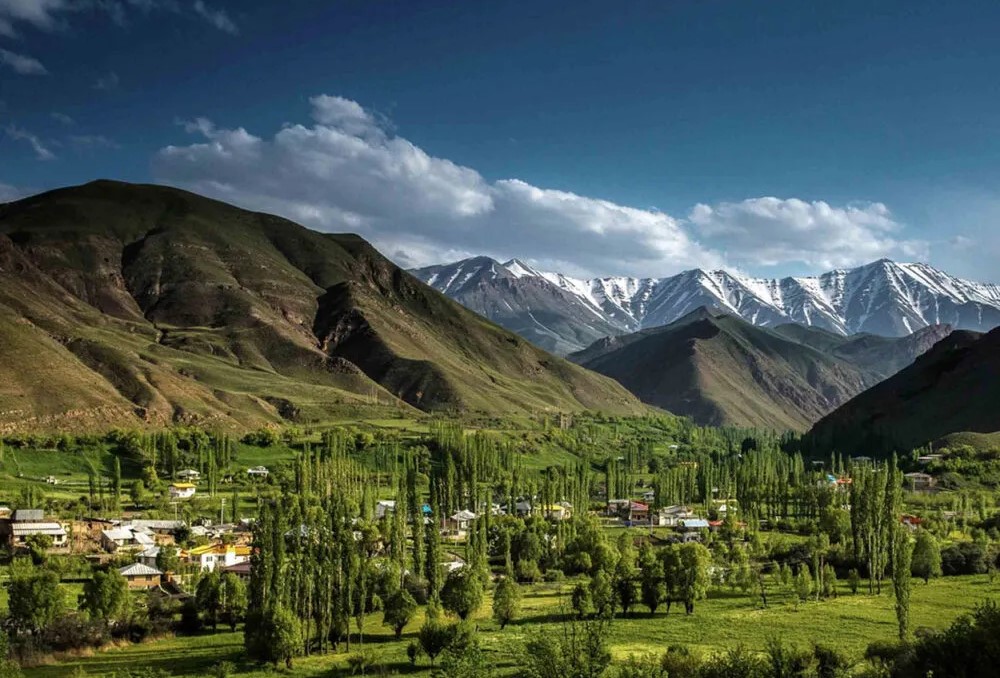
Mazandaran is home to Iran's highest point – the summit of Mount Damavand (5,610 m). Its crater, 400 m in diameter, is filled with a lake. Damavand is part of the Alborz mountain range, which has shaped the province's unique landscape. Mountain ranges stretch from the Caspian Sea coast to snow-capped peaks, among which stand out such significant peaks as:
- Tahte-Soleiman (4,643 m);
- Alam-Kuh (4,848 m).
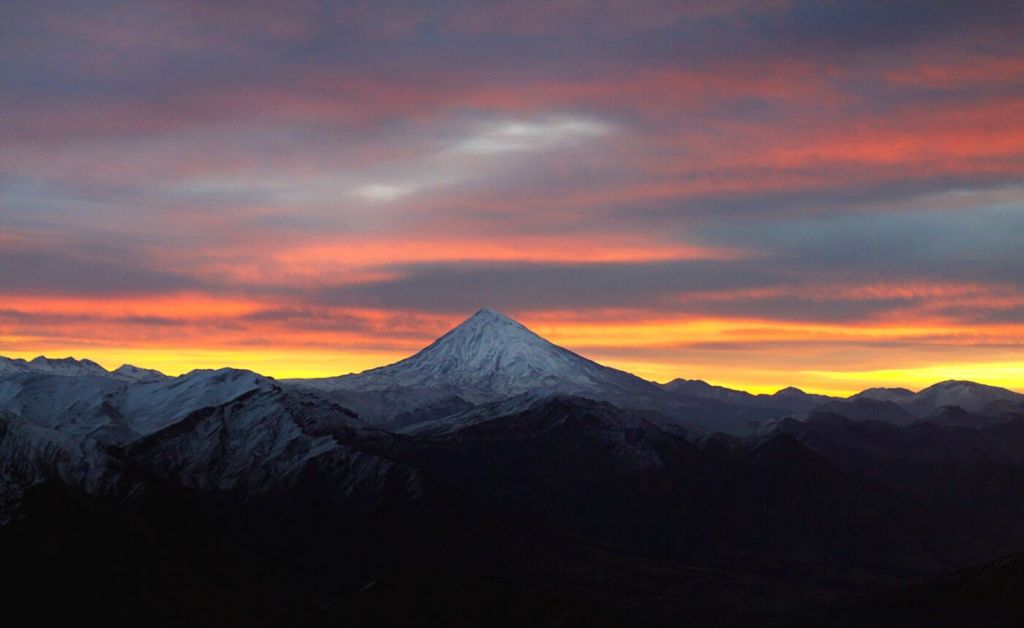
The abundance of mountains and volcanoes, at the foot of which thermal, sulfur, and mineral springs bubble, is reflected in the province's name. In the Avestan language, "Mazandaran" translates as "Land of Giants". In the epic poem "Shahnameh" (10th century), the province is mentioned as "The Land of Devas" (demons), who guard its riches from humans.
Climate of Mazandaran Province
The climate in Mazandaran Province is moderate subtropical, humid, with mild winters and warm, hot summers. Its location on the southern shore of the Caspian Sea and proximity to the Alborz Mountains create a variety of landscapes: from sun-drenched beaches to snow-capped peaks.
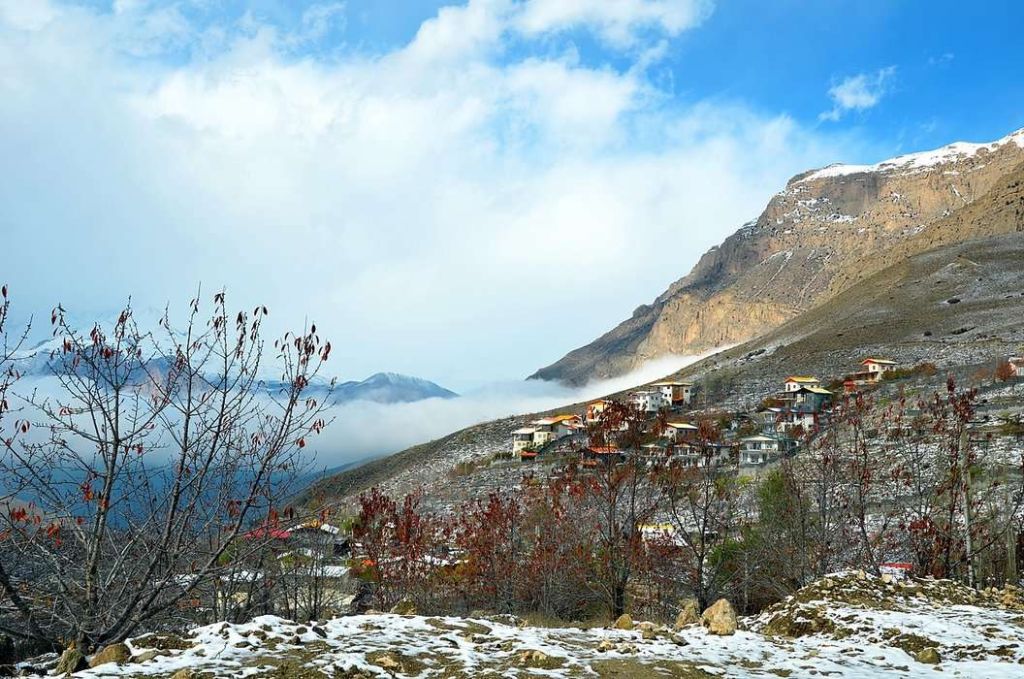
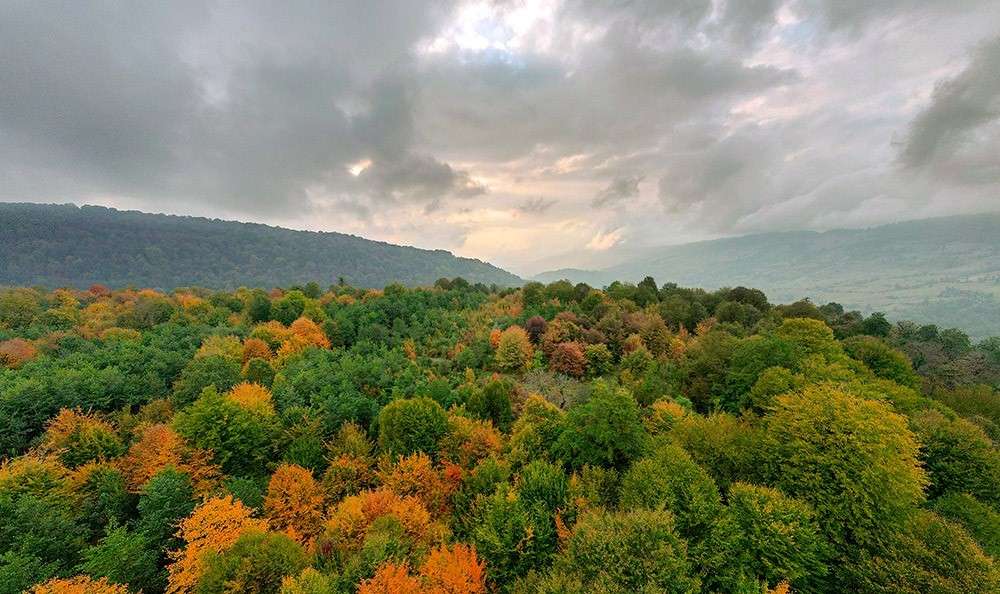
Mazandaran Province is famous for its fertile soil and rich vegetation, including dense forests. Valuable tree species grow here: ironwood, beech, oak, boxwood, maple, hornbeam, and others.
Forests occupy 900 hectares thousand hectares, agricultural land - 500 thousand hectares.
Population and Language of Mazandaran Province
The population of Mazandaran Province is 4 million people. The majority of the residents are Mazandarans. They speak not only Persian, but also the Mazandaran language, which belongs to the northwestern branch of the Iranian language group.
Since the region was called Tabaristan until the end of the 12th century, the Mazandaran language is often called Tabari. Initially, in the 10th–15th centuries, it had its own writing system, but later switched to the Perso-Arabic alphabet.
Besides Mazandarans, the province is home to people from other regions of Iran and neighboring territories: Persians, Gilaki, Turkmen, Kurds, Baloch, Azerbaijanis, Talysh, Armenians, Georgians, and Circassians.
Georgians, Armenians, and Circassians were resettled in Mazandaran in the early 17th century by decree of Shah Abbas the Great.
Administrative structure of Mazandaran Province
Administratively, the province consists of 22 shahrestans. A shahrestan in Iran is an administrative unit comparable to a region or district in Russia.
The capital of Mazandaran Province is the city of Sari. It is located 380 km north of Tehran at an altitude of 42 meters above sea level.
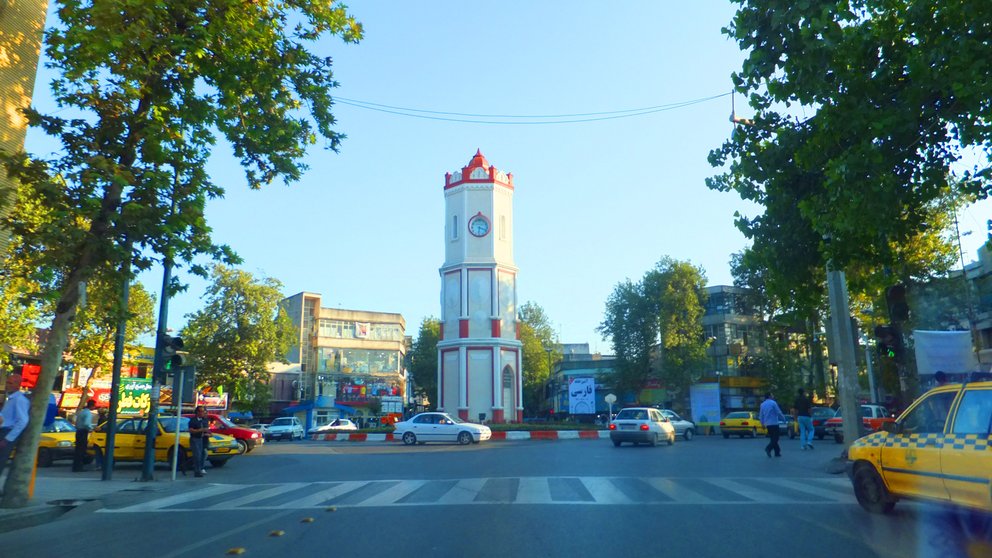
Sari's population exceeds 300,000. The largest ethnic groups are Mazandaran, Persian, Gilaki, and Talysh. Although the official language in the city, as throughout Iran, is Persian, residents primarily speak Mazandaran in everyday communication.
The climate in Sari, like the rest of Mazandaran, is humid subtropical. It is characterized by hot and humid summers with an average temperature of 27°C (80°F) in July and August and mild, rainy winters with a low of 8°C (46°F). Frost and snowfall are rare in the mountainous regions.
Economy and Industry of Mazandaran Province
Mazandaran Province has three ports: Feridunkenar, Nowshahr, and Amirabad. The port of Amirabad plays a key role in the International North-South Transport Corridor (INSTC): it is located in a free economic zone and has a direct connection to the railway network.
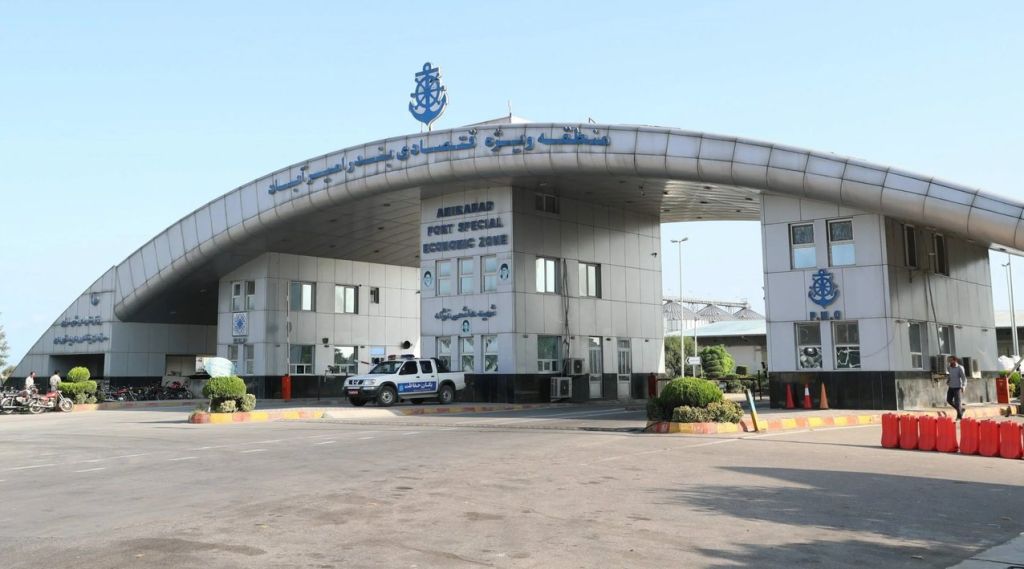
There is an international airport in the city of Ramsar. The province has over 40 industrial zones and districts, as well as five customs points in the cities of Sari, Amirabad, Nowshahr, Fereydun Kenar, and Amol.
According to provincial authorities, at the end of the Iranian calendar year 1402 (March 2024), Mazandaran accounted for approximately 4% of Iran's gross domestic product (GDP).
The main sectors of the economy are agriculture, livestock farming, and related industrial production. Export goods produced in Mazandaran include:
- waterproofing coatings;
- food and dairy products;
- fruit juices;
- tomato paste;
- edible oils;
- paper and cardboard;
- jute bags;
- cement and building materials.
The province's natural resources are quite significant: the mountains and subsoil of Mazandaran contain large deposits of granite, coal, iron ore, marble, fluorite, dolomite, and quartzite.
There are 130 mines operating in the province.
About 3,500 companies are registered in Mazandaran. Among the largest enterprises are:
- Sanaye Choob va Kaghaz Woodworking and Paper Mill (Sari);
- Pishraneh Electronic Electrical Engineering Company (Sari);
- Desa Diesel Engine Plant (Amol);
- Iran Khodro Automobile Plant (Babol);
- MAZ Automobile Assembly Plant (Noushehr);
- SAIPA Automobile Plant (Miyandorud);
- Shahid Salimi Thermal Power Plant (Neka);
- Sadra Shipyard (Neka);
- Oil Terminal (Neka);
- Mazandaran Cement Company (Neka);
- Demavend Metallurgical Plant (Amirabad);
- Kalleh Dairy Meat and Dairy Plant (Amol);
- Behpak Oil and Fat Plant (Behshahr);
- Shekar Shekan Confectionery Plant (Amol);
- Pak Samar Fish Processing Company (Babolsar).
Agriculture and Fisheries in Mazandaran Province
A large fish farm specializing in salmon and sturgeon farming in sea cages operates in Nowshahr. The enterprise produces 35,000 tons of fish annually and helps restore populations of valuable species. Mazandaran accounts for over 50% of Iran's total caviar production.
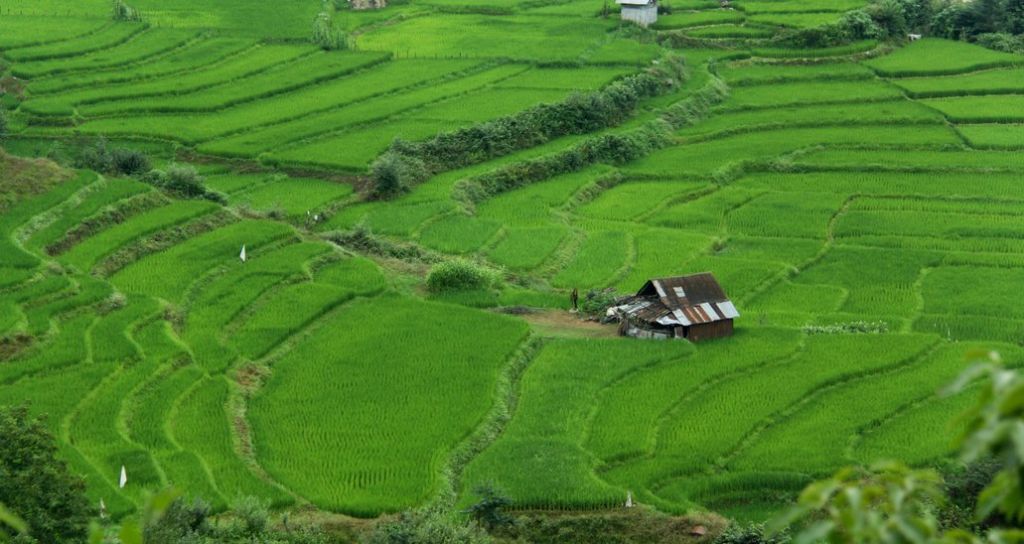
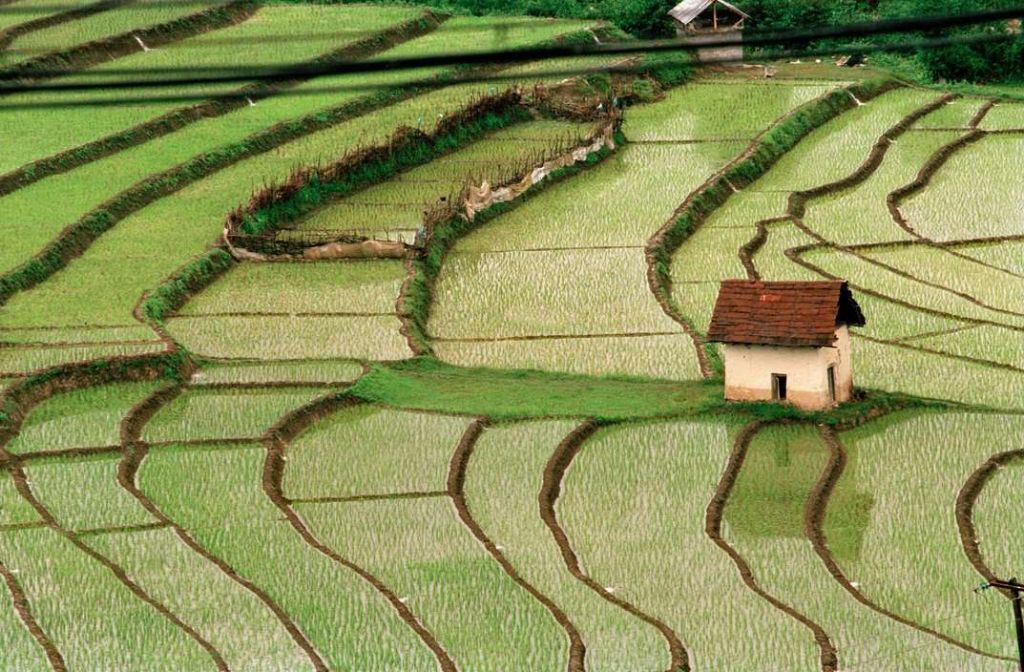
Mazandaran's fertile soil allows almost the entire coastal lowland to be used for agriculture. The province accounts for 42% of the country's rice needs, with 230,000 hectares of rice planted.
The total area of citrus orchards in Mazandaran is 112,000 hectares. 80,000 hectares are occupied by various varieties of oranges, 30,000 hectares by mandarins, and the rest by lemons. The total annual citrus harvest is 2.5 million tons.
6,000 hectares of Mazandaran land are devoted to kiwi. The annual harvest exceeds 250,000 tons, accounting for 85% of Iran's total kiwi production. Mazandaran Province ranks first in this category in the country.
For many years, Mazandaran has held first place in Iran for the production of rice, citrus fruits, flowers, ornamental trees and houseplants, chicken, farmed fish of various species, and caviar. Mazandaran ranks second in Iran for the production of soybeans, strawberries, and rapeseed.
While Gilan, with 28,000 hectares of plantations, is considered the main tea province, Mazandaran also has significant tea plantations. 4,000 hectares of tea plantations are located on the mountain slopes of the Ramsar and Tonekabon districts.
Folk Crafts in Mazandaran Province
Folk crafts are widely represented:
- ceramics;
- carpets;
- felt and straw mats;
- patchwork quilts with characteristic patterns;
- carved utensils;
- decorative panels with wood inlay.
Historical Landmarks of Mazandaran
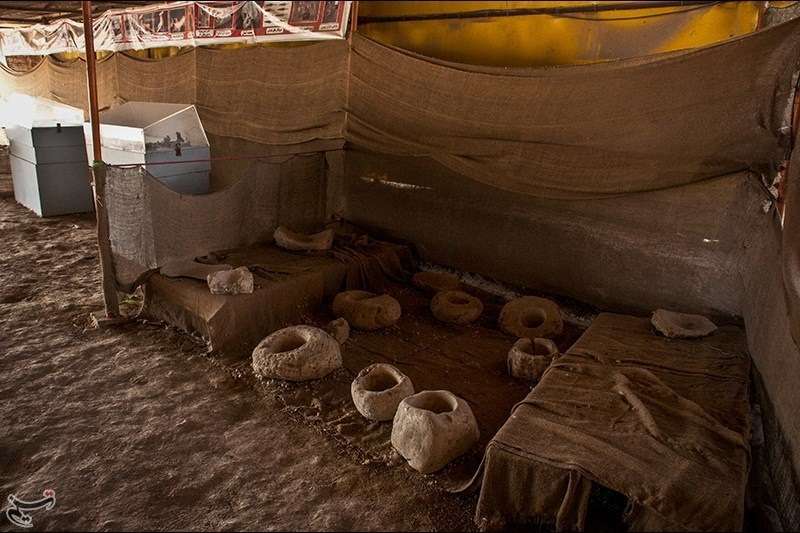
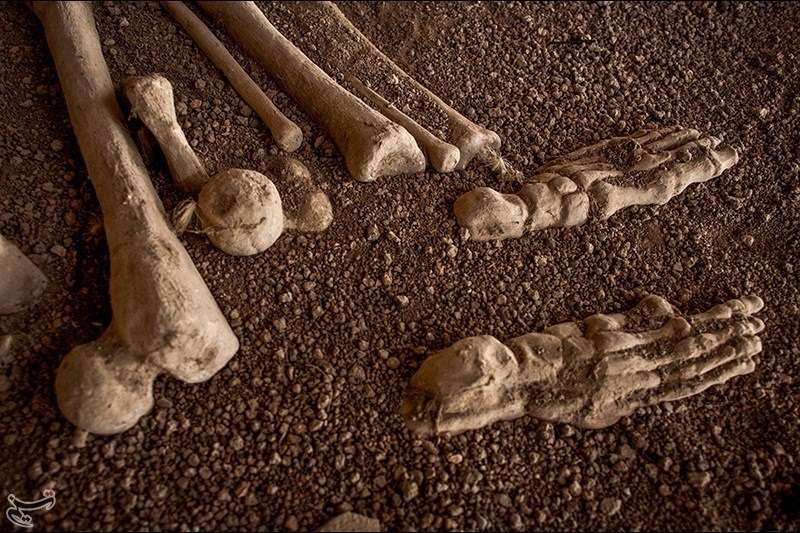
The earliest archaeological find in Mazandaran is the Gouhar Tepe settlement. It covers an area of 50 hectares near the city of Behshahr. The remains of a palace, artificial reservoirs, and temple structures dating back over 5,000 years have been discovered here. However, by the middle of the first millennium BC, people abandoned this place forever.
The first traces of settlement on the site of the modern city of Sari (33 km from Gouhar Tepe) date back to the 6th century BC. The city's status and the name "Sari" are associated with the Bavand dynasty of Sasanian origin. This dynasty, with brief interruptions, ruled Mazandaran (then Tabaristan) from the 7th to the 14th centuries. The Bavandids managed to maintain relative independence during the Caliphate and also preserved their religion, Zoroastrianism.
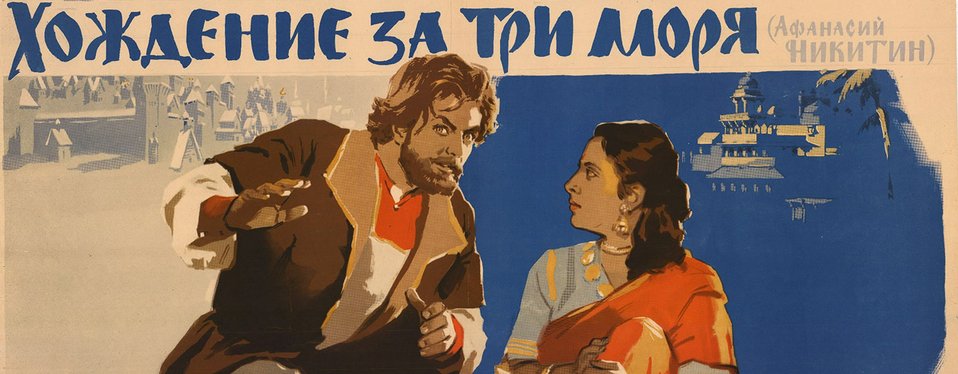
In the spring of 1468, Afanasy Nikitin, a merchant from Tver, arrived in Sari. He spent eight months in Mazandaran and mentioned the region in his travelogue, "Voyage Beyond Three Seas." The memory of this Russian traveler is treasured in Iran. For example, Tehran University has translated "Voyage Beyond Three Seas" into Persian. Moreover, in October 2024, the international conference "From the Caspian to the Persian Gulf: In the Footsteps of Afanasy Nikitin" was held in Tehran and Babolsar, bringing together over 130 participants from 18 countries.
Museums and Architectural Monuments
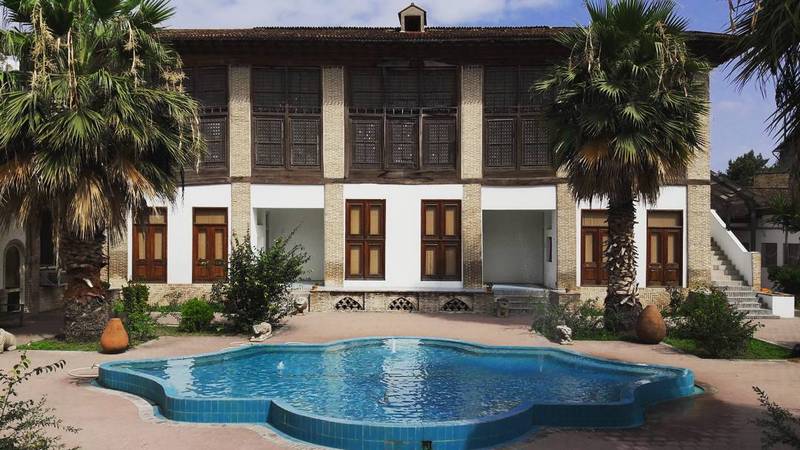
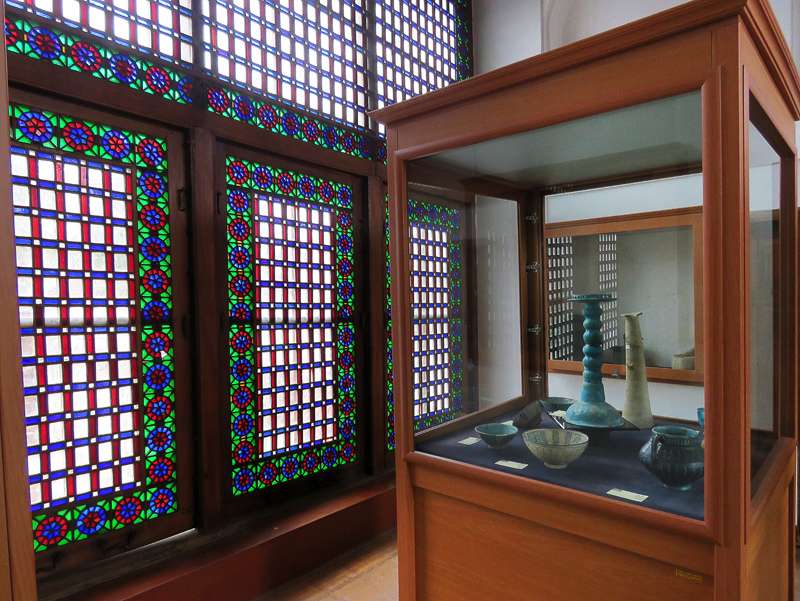
In the center of Sari is the Kolbad Museum of the Life, History, and Architecture of Mazandaran. This beautiful building with its colorful stained-glass windows was erected in the early 19th century by order of a general in the Qajar army. It later became the property of landowner Manuchehr Khan Kalbad—it is after him that the museum is named. The building is now state-owned.
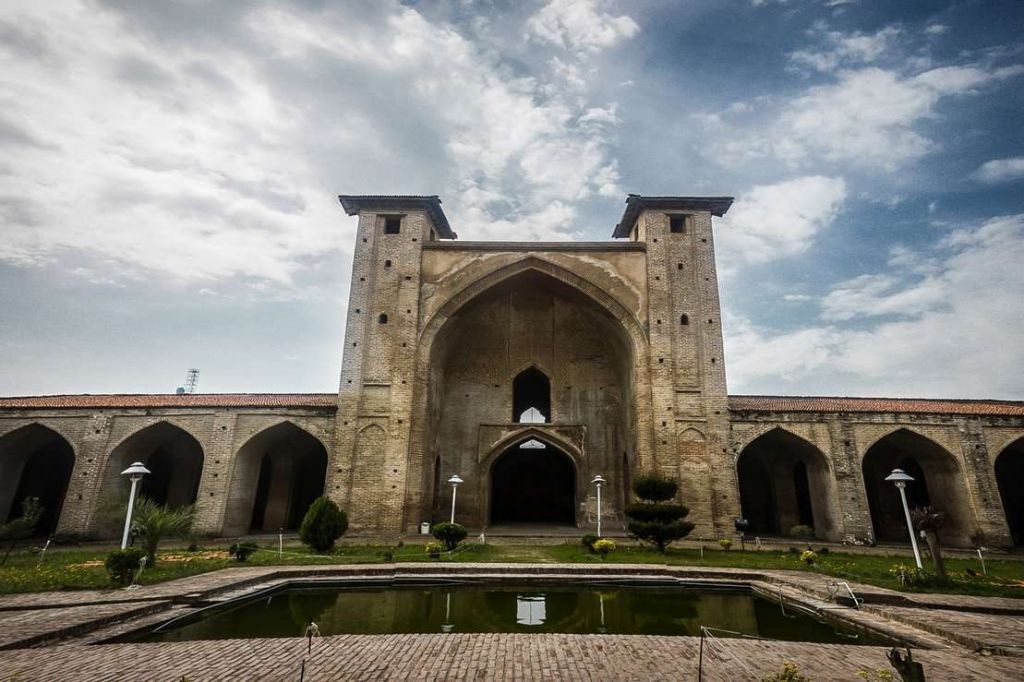
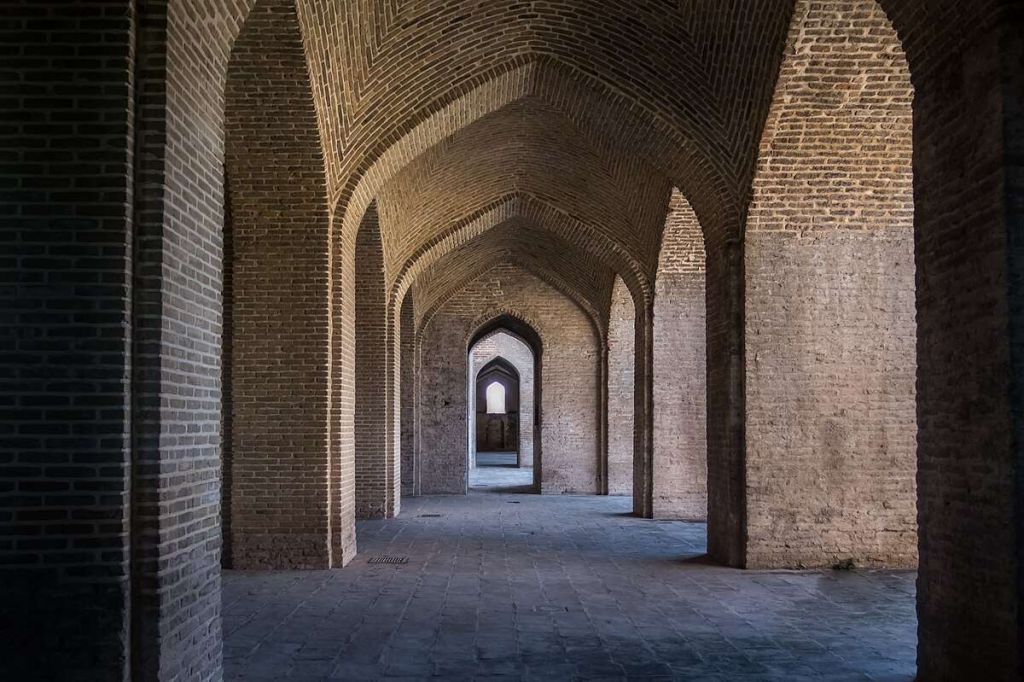
The Friday Mosque of Sari is located in the historic complex Farahabad, built during the Safavid era (in the 1600s). It is a striking example of Persian architecture of that time:
- vaulted galleries ("iwans");
- brickwork;
- elegant columns;
- majestic minarets.
The complex is reminiscent of the central square "Naqsh-e Jahan" in Isfahan, the city that Shah Abbas the Great (1571–1629) made his capital. In Mazandaran, the Shah also left a significant legacy: administrative buildings, reliable roads, and a bridge over the Tejen River.
In 1782, the founder of the Qajar dynasty, Agha Mohammed Shah, declared Sari the capital of Iran. However, after just four years, he changed his mind, opting for Tehran due to its more advantageous, "deep" location.
Traditions and Holidays
The culture of the Mazandarans is closely linked to religion. Residents of the province celebrate pan-Islamic holidays:
- Eid-e Fitr (Feast of the Breaking of Fast);
- Eid-e Ghorban (Feast of the Sacrifice);
- Mawlid (Prophet Muhammad's birthday);
- Shiite commemorations (Ashura, Arbaeen, and the days of remembrance of Shiite imams).
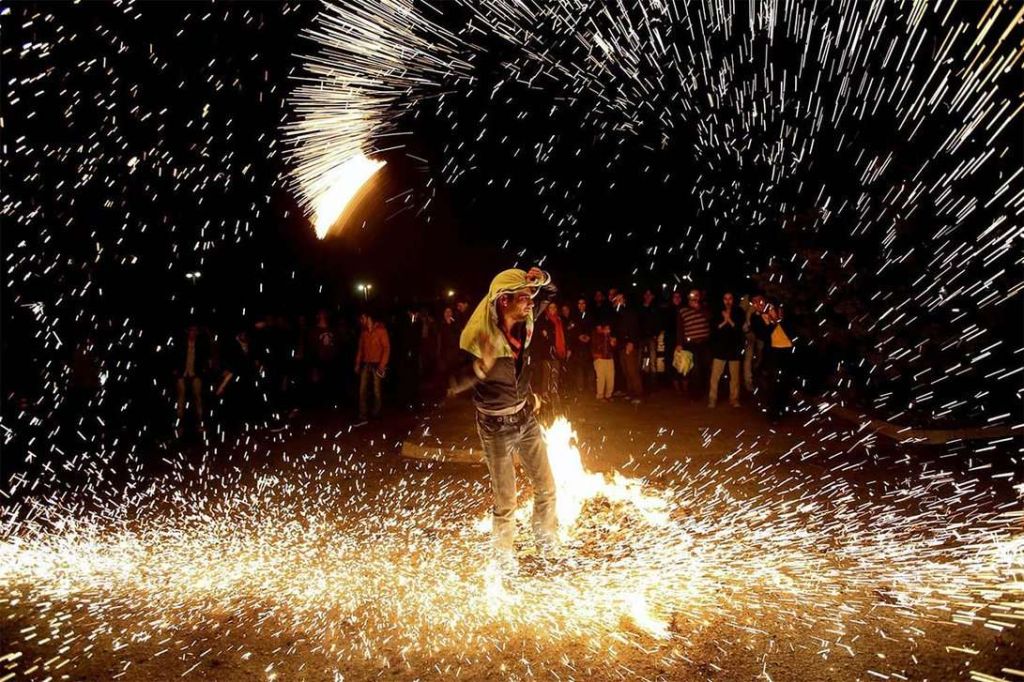
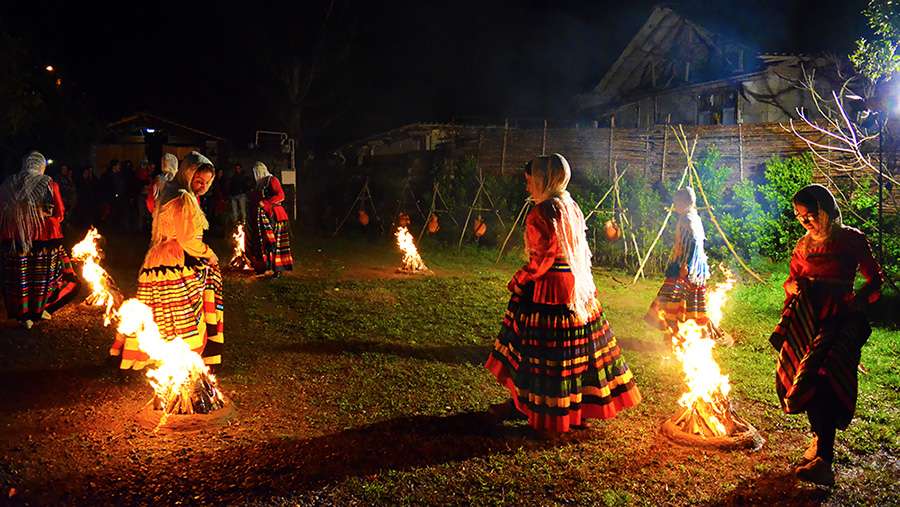
At the same time, most residents of Mazandaran, while formally Shiite Muslims, have retained many Zoroastrian customs. For example, they ascribe sacred meaning to fire:
- On the last Tuesday of the year after sunset, Mazandaran residents noisily celebrate "Chekharshambe Suri" ("Fire Wednesday").
- On the first night of Novruz (New Year), a candle or bonfire is lit in front of the house—this symbolizes a bright light in the house for the entire coming year.
Besides Nowruz (1 Farvardin / 21 March), Mazandaran celebrates:
- Tirgan (13 Tira / 4 July) — a midsummer holiday and thanksgiving for the rain;
- Mehregan (16 Mehr / 8 October) — an autumn harvest festival;
- Shab-e Yalda (1 Dey / 21 December) — the longest night of the year, after which "the spirits of darkness retreat" and the days begin to lengthen.
There is also a special local holiday — "Holiday of "Dead." It is celebrated on the 26th of the first summer month of the Tabari calendar (28 Tira / 19 July). According to popular belief, on this night, the hero of the Shahnameh epic, Fareydun, avenging the blood of his father (Shah Jamshid), captures the usurper Zahhak, carrying snakes on his shoulders, and imprisons him in Mount Damavand.
People announce the event by lighting bonfires. The next day, they celebrate the great victory with dances and traditional "lucho" wrestling. The main ceremony takes place in the mountain village of Imamzade Hasan in the Savadkuh district. On this day, residents of the surrounding villages visit the tomb of Imamzade Hasan, give alms for the dead, light candles on the graves, and watch a wrestling competition.
Natural and Engineering Attractions
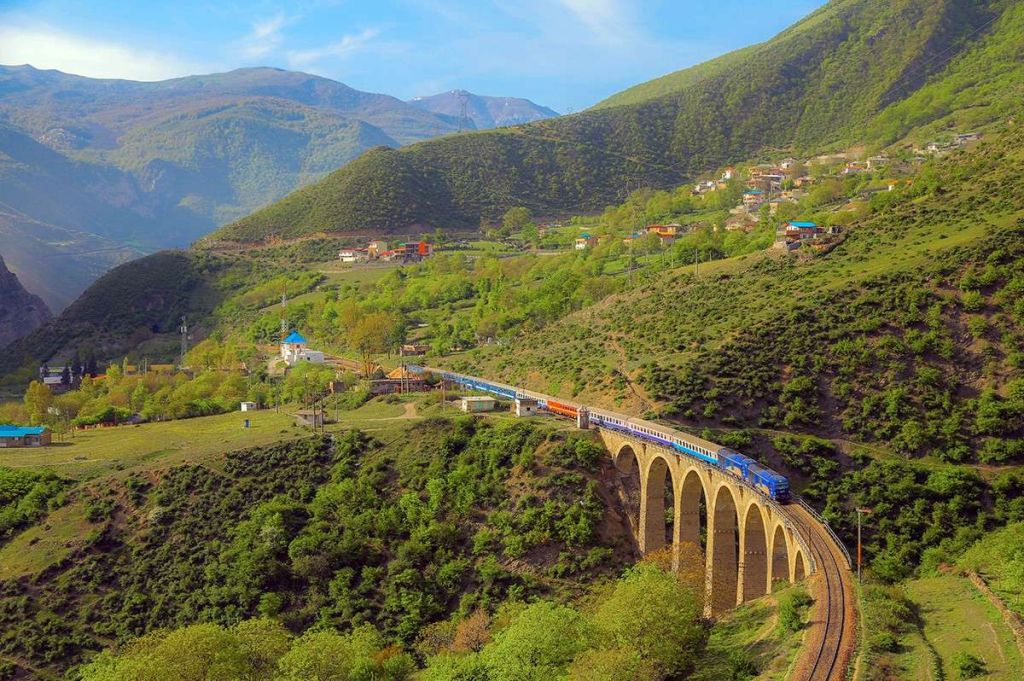
The Savadkuh District boasts an architectural marvel, listed in the Guinness Book of Records—the "Versky Bridge." It rises 112 meters above a mountain gorge, and the height of its arched spans exceeds 61 meters. The bridge was built in 1936 from brick and cement, without the use of metal structures.
During World War II, up to 75 trains per day crossed the bridge, delivering military equipment and food supplies to the Soviet Union under the Lend-Lease program. Therefore, the bridge received its second name—"Victory Bridge," which has stuck among the people.
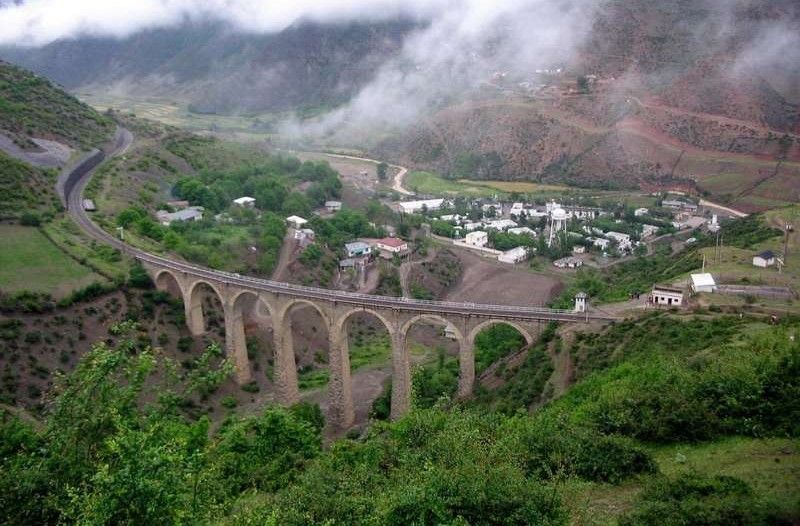
Engineers guaranteed the bridge a service life of 70 years. In 2016, specialists from the Sharif University of Technology conducted a comprehensive inspection. Vibration sensors confirmed that the structure remains reliable and safe for train traffic. Nevertheless, the bridge is constantly monitored and undergoes preventative maintenance.
Today, passenger trains from Tehran to Sari and Gorgan, freight trains, and fuel tankers travel across the Ver Bridge daily.
In 2021, the Versky Bridge was inscribed on the UNESCO World Heritage List.
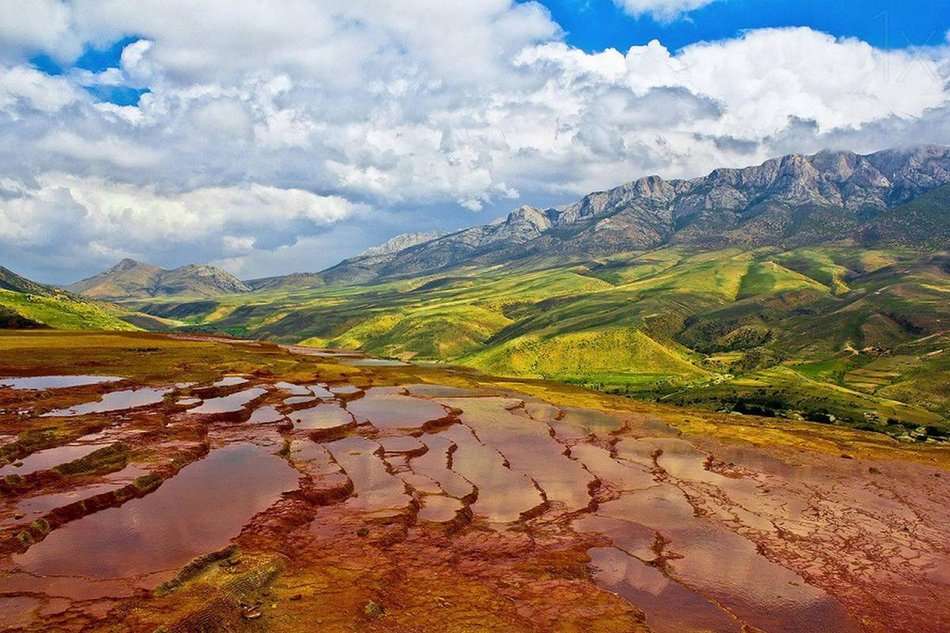
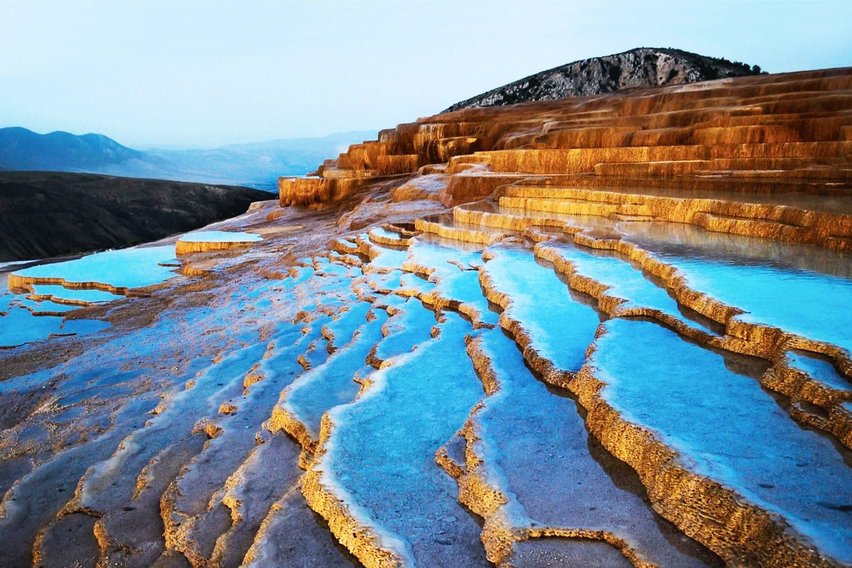
95 km south of Sari lies a rare natural landmark: the orange stepped terraces of Badab-e Surt. Water flows down them from mountain springs.
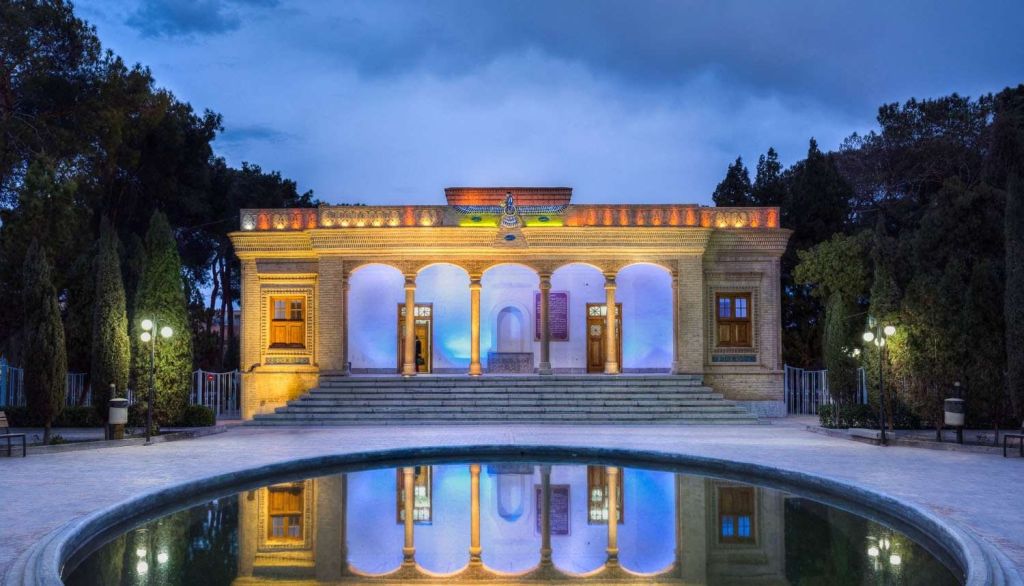
In the city of Amol, the Ateshkade (Fire Temple) is open to tourists—one of the oldest Zoroastrian monuments, dating back to the 7th century CE.
Tourist routes and infrastructure
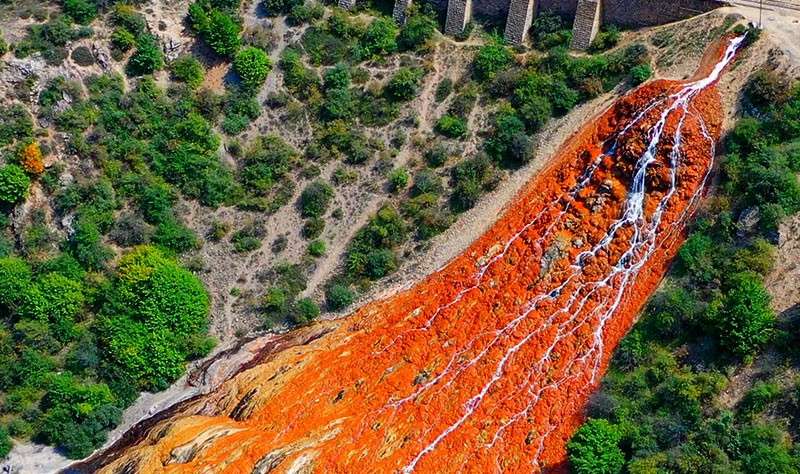
While traveling along the mountain roads of Mazandaran, you can enjoy the scenery of the Firuzkuh region, the Shurab mineral spring, or the Gorde-Gaduk pass.
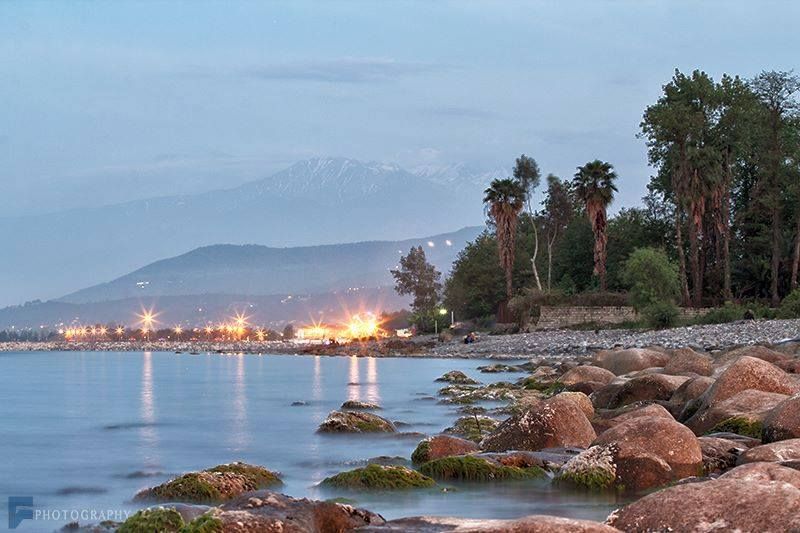
The Caspian resort towns of Chalus, Ramsar, and Nowshahr attract with their sandy beaches. The picturesque area of Babol is famous for its forests and mountains.
Mazandaran's tourist infrastructure is actively developing. Every 5-7 km along the mountain roads, travelers find gas stations, auto repair shops, and cozy roadside cafes.
The cafes offer fragrant greens, steaming halal meat shashlik or kebab, fluffy Mazandaran rice with saffron, cool "dug" fermented milk drink, and hot tea with Persian sweets. Freshly caught fish dishes are available at the coastal cafes.