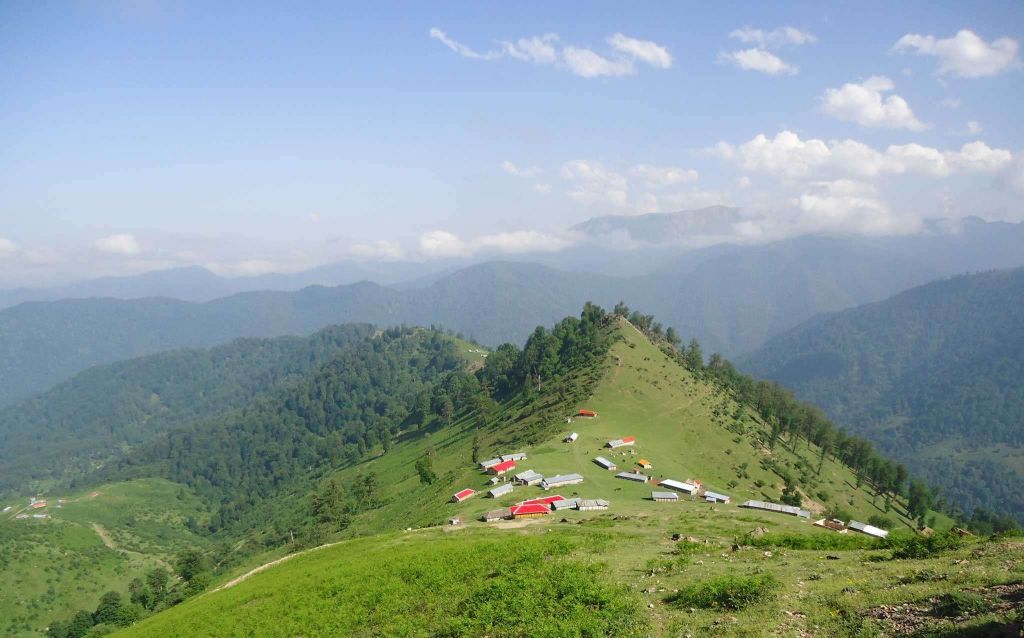
Northern Iran is a region stretching along the southern coastline of the Caspian Sea and located north of the Alborz mountain range. It includes three of the 31 provinces (Persian: “ostan”) of the Islamic Republic of Iran: Gilan, Mazandaran, and Golestan. Iranians refer to them collectively as “Shomal” (“North”), implying a comfortable place for summer vacation.
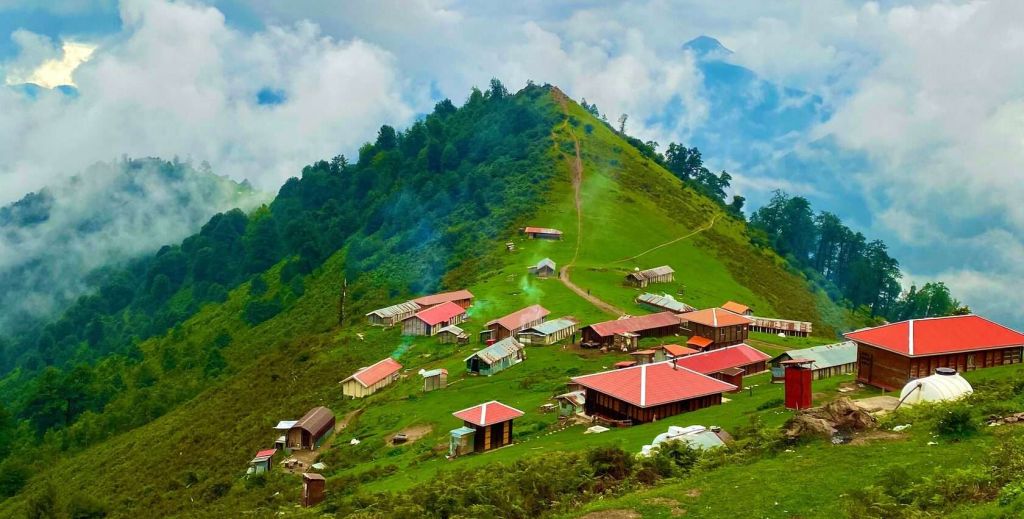
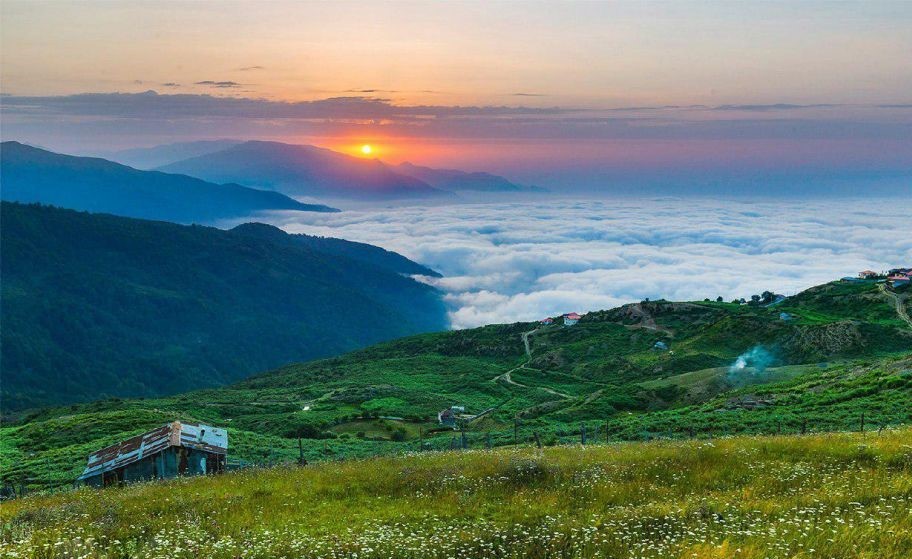
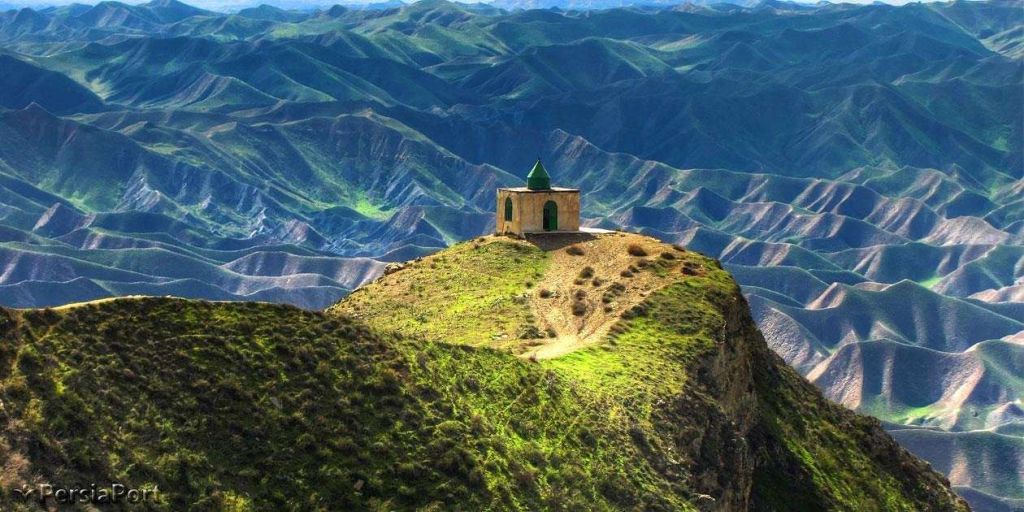
The total length of the coastline of the three provinces is about 1,000 km. The Caspian coast is covered with dense forests, thanks to which it is 10–15 °C cooler here in summer than in the arid central regions and southern deserts of the country.
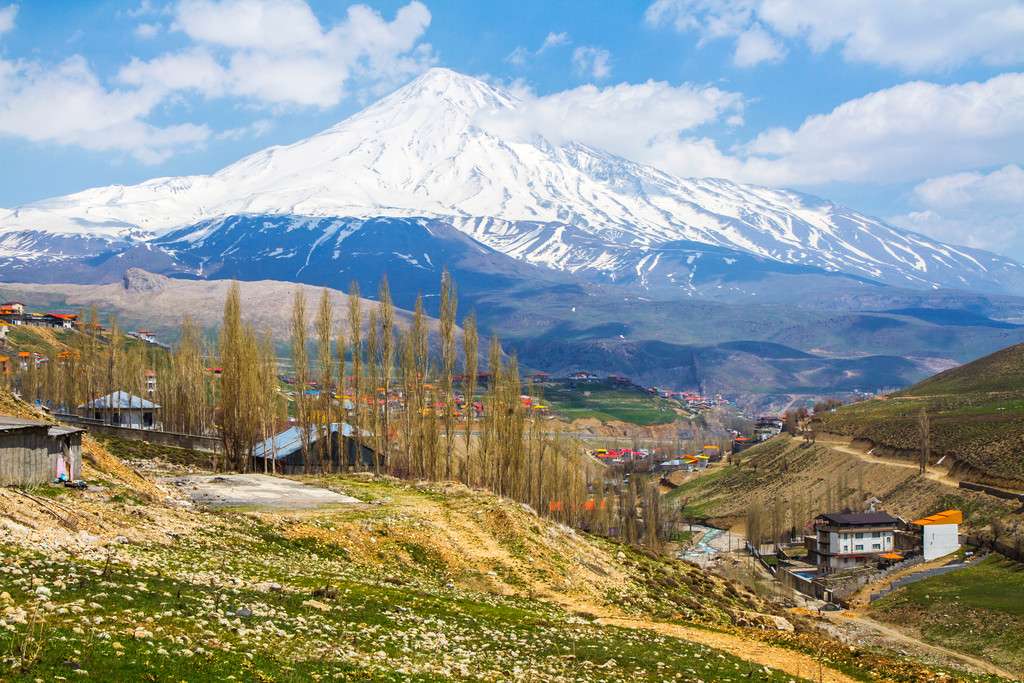
The Shomal region is separated fr om central Iran by the Alborz mountain range, the highest in the Middle East (not to be confused with the similarly named Elbrus in the Caucasus). The highest point of the range is Mount Demavend, which rises to 5,610 m.
Climate of Northern Iran
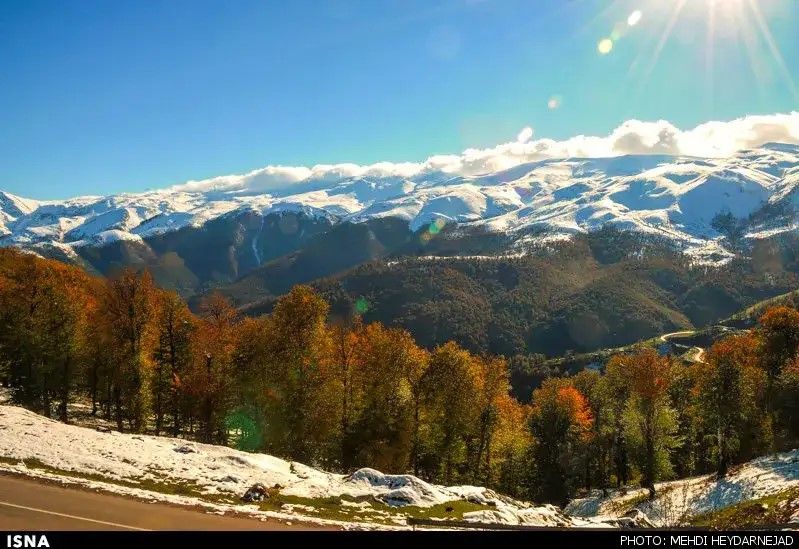
The climate of Northern Iran is remarkably diverse: along the Caspian Sea coast, the subtropical type prevails, with mild winters and comfortable but humid summers; in the mountainous area (on the northern slope of the Alborz Range), the climate is different — winters are cold and snowy, and summers are cool and pleasant, with temperatures not exceeding 25°C.
Shomal is the wettest region in the country, with annual precipitation reaching 1,700 mm. However, the distribution of moisture is uneven, creating a stark contrast between the coastal subtropics and the mountainous continental conditions. It is this climatic diversity that sets northern Iran apart from the arid central and southern regions of the country.
Flora of Northern Iran
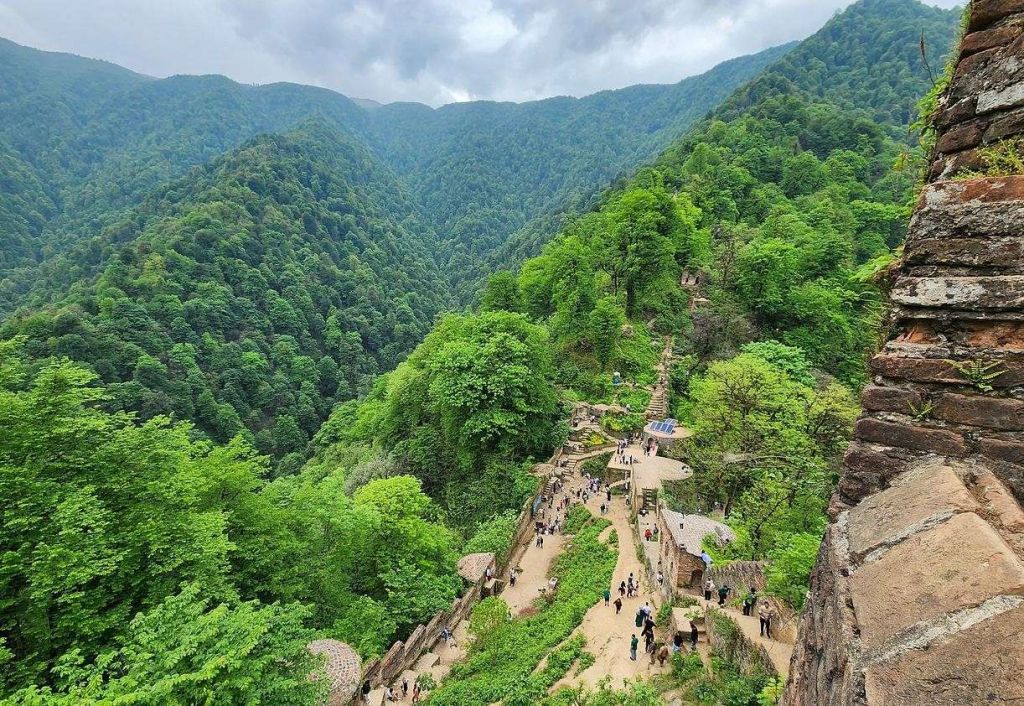
Thanks to the subtropical climate, the flora of the Caspian regions of Northern Iran is exceptionally rich — it is no coincidence that the forests in this part of the country are called the “Green Belt of Iran”.
Oaks, ash trees, elms, cypresses, plane trees, walnut trees, beeches, maples, and mulberries grow in dense broad-leaved groves. Moisture-loving willows and poplars are also common. To date, scientists have recorded:
- 80 species of trees (mainly broadleaf);
- 4 species of local conifers;
- 50 species of shrubs, including evergreens and those that bloom spectacularly in spring, such as arbutus and pyracantha.
Peaches, quinces, and citrus fruits are cultivated in the gardens. The provinces of Gilan and Mazandaran are the main regions for growing Iranian tea.
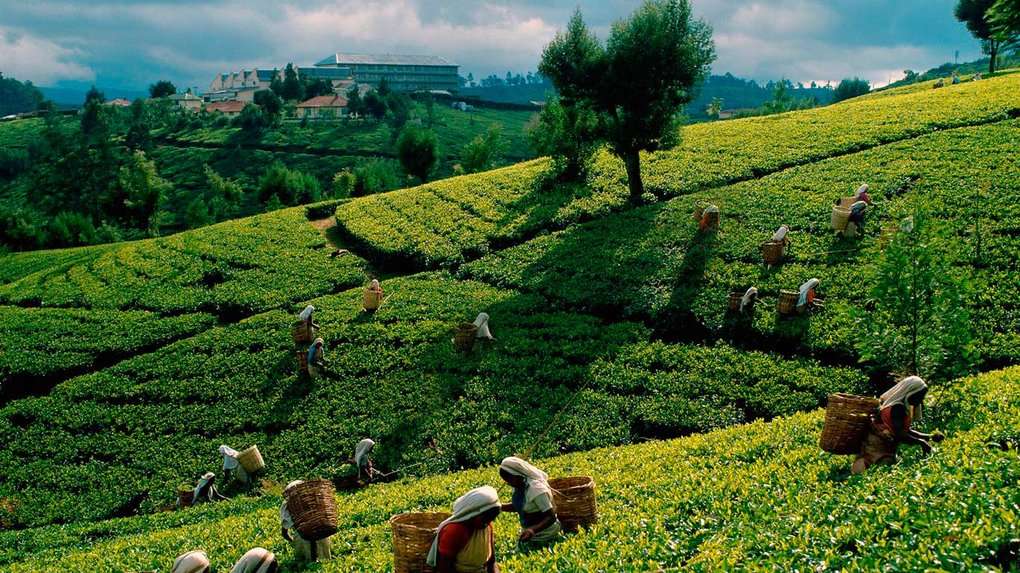
Northern Iran is rightly famous for its abundance of wildflowers. Here you can see:
- tulips;
- irises;
- Persian fritillaries (fritillaria);
- Damask roses;
- lilies;
- jasmine;
- anemones;
- kalanchoe.
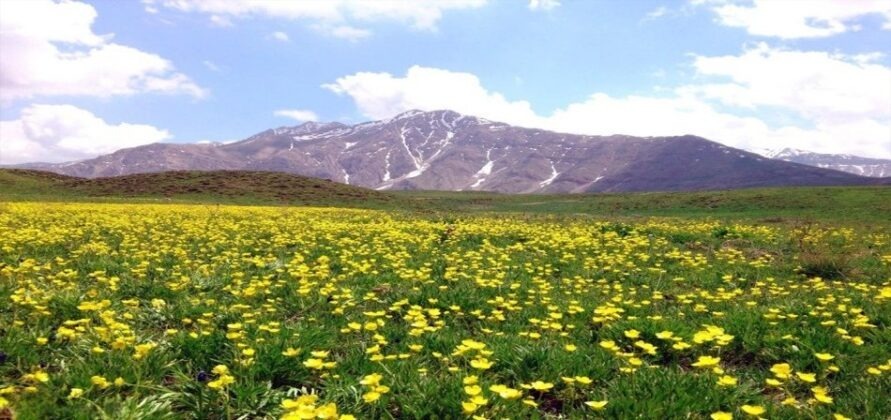
In spring, the foothills are transformed: they are covered with a colorful “carpet” of blooming poppies.
Fauna of Northern Iran
Northern Iran is distinguished by its rich and diverse wildlife, which varies depending on the natural zones.
The dense forests of the north are home to numerous predators: leopards, lynxes, wolves, jackals, brown and Himalayan bears, hyenas, manuls, caracals, and reed cats. Among the ungulates are wild boar, gazelle, mountain sheep (urial), mouflon, wild goat, red deer, Iranian fallow deer, and kulan. In addition, porcupines, badgers, various species of rodents, and bats, flying squirrels, and long-eared bats live in the northern forests.
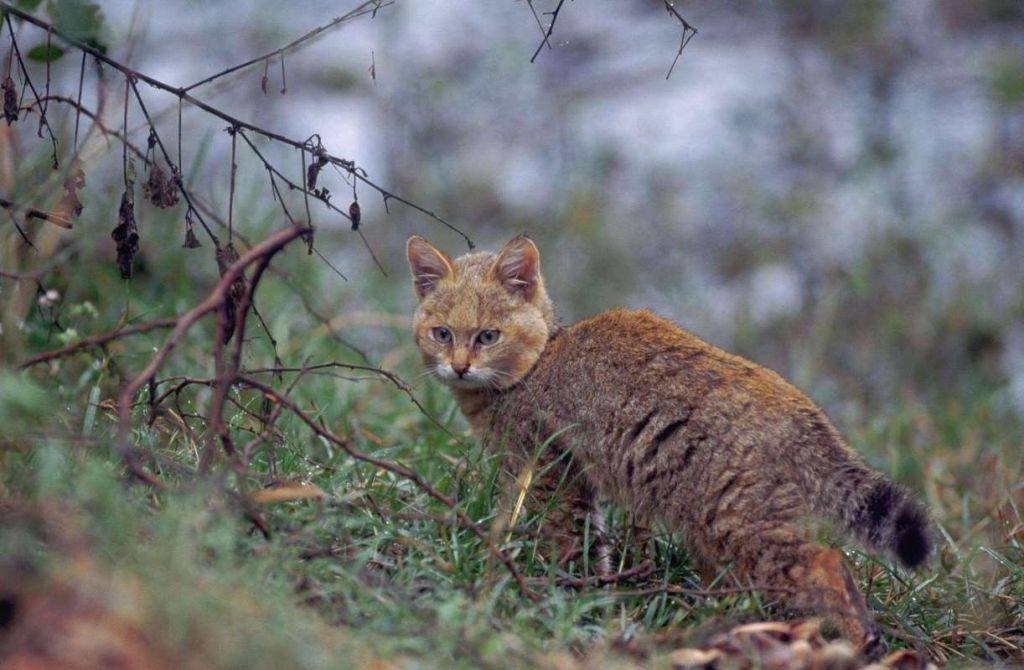
In the foothills of Northern Iran, you can find rock lizards and snakes, both non-poisonous (copperhead, Aesculapian snake, Caucasian viper) and dangerous to humans (gyurza, Radde's viper).
The Caspian Sea coast is an important stopover for millions of migratory waterfowl: flamingos, pelicans, ducks, geese, and swans. Local species such as pheasants, partridges (keklik), cranes, and storks also live here. The forests of the Alborz mountain range are home to jays, Caspian tits, and crested cuckoos. The mountainous regions of northern Iran are home to many birds of prey: eagles, ospreys, falcons, hawks, buzzards, and kites.
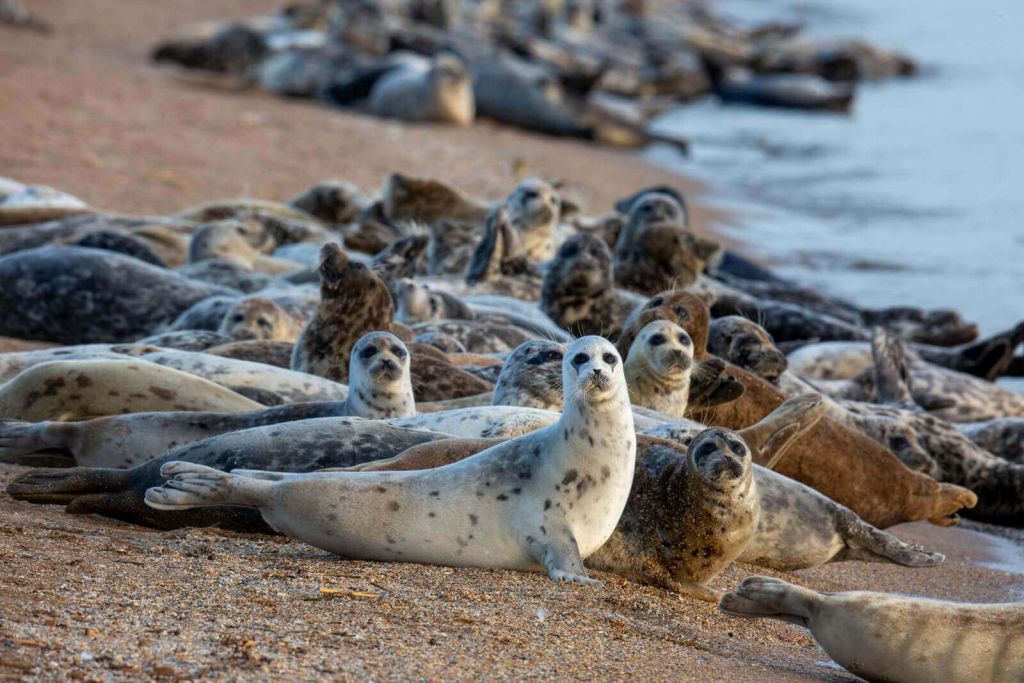
The Caspian coast of Iran is famous for its rich fish resources. Valuable sturgeon (beluga, sturgeon) and mullet (loban, singil) species are found here. Sprat, kutum, bream, and perch are found in large quantities. Off the coast of Iran, it is not uncommon to see the only marine mammal of the Caspian Sea — the Caspian seal (nerpa).
Ethno-confessional composition of Northern Iran
The three northern provinces of Iran — Gilan, Mazandaran, and Golestan — are home to about 8 million people. According to the 2016 census, the population was 7,683,097, which corresponds to approximately 9% of the population of the Islamic Republic of Iran. Northern Iran clearly demonstrates the multi-ethnic character of the country.
The indigenous population of the Caspian coast consists of Gilaks and Mazandaranis, along with Persians. A significant proportion of the population are descendants of Georgians, Circassians, and Armenians who migrated to these lands during the reigns of the Safavid and Qajar dynasties. Despite the passing of centuries, these groups have managed to preserve certain elements of their traditional culture.
The ethnic map of the region is diverse:
- Talysh, Tatars, and Azerbaijanis live in the northwest;
- Kurds and Turkmen live in the east.
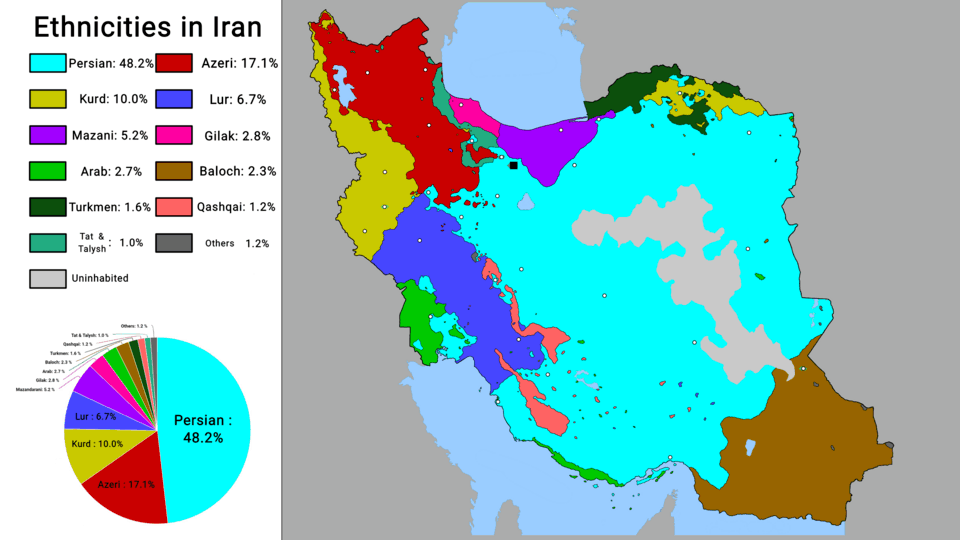
In terms of religion, most residents of the northern provinces practice Shia Islam, the state religion of the Islamic Republic of Iran. At the same time, the Gilaks and Mazandaranis still adhere to pre-Islamic animistic beliefs in their daily lives: the worship of sacred trees, springs, mountain peaks, totem animals, and ancestor worship.
Among the Muslims of Northern Iran there are also adherents of the Sunni sect, mainly Turkmen and Kurds. In the northeast, mainly in Kurdish communities, there are several thousand followers of the mystical-gnostic Shiite sect “Ahl-e Haqq” (People of Truth).
There is growing interest in Zoroastrian traditions associated with the cult of fire and the solar cycle (celebration of the equinoxes and solstices). However, less than 5% of the region's inhabitants officially identify themselves as Zoroastrians.
Christians of various denominations, Mandaeans, and Baha'is make up a small proportion of the population — about 1% of the inhabitants of the northern provinces.
Languages and dialects of Northern Iran
In Northern Iran, despite the widespread use of the official Persian language, the indigenous peoples — the Gilaks and Mazandaranis — carefully preserve their native languages. Gilaki and Mazandarani (or Tabari) belong to the northwestern branch of the Iranian group of the Indo-European language family.
There are significant differences in the historical evolution of these languages:
- The Gilan language traditionally exists exclusively in oral form and has two main dialects: Resht and Mountain Gilan.
- The Mazandaran language had its own unique writing system from the 10th to the 15th century, which differed from Persian. Today, the Persian-Arabic script is used to write Mazandaran, and the Latin alphabet is used for lexicographical purposes (e.g., in dictionaries).
This linguistic diversity reflects the rich cultural heritage of Northern Iran and the desire of local communities to preserve their identity.
Culture of Northern Iran
The cultural heritage of Northern Iran consists of many layers, from ancient archaeological evidence to the living traditions of modern communities.
Monuments of Northern Iran's past
Artifacts from various eras have been discovered in the northern provinces:
- Traces of the Paleolithic era in the Li-Ben cave (Mazandaran);
- The Yarim-Tepe settlement (Golestan);
- The “Great Wall of Gorgan” and other significant sites.
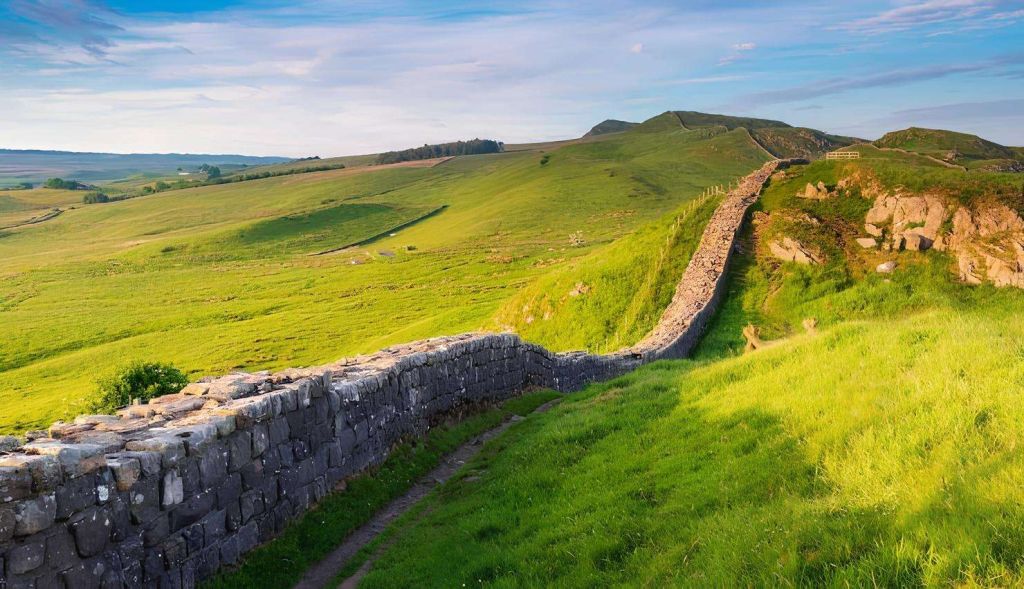
Historical monuments include mosques, caravanserais, and mausoleums, while architectural attractions include:
- Ramsar Palace and Garden;
- Veresk Bridge in Mazandaran;
- Masuleh Step Village (Gilan);
- Gonbad-e Qābus Tower (Golestan).
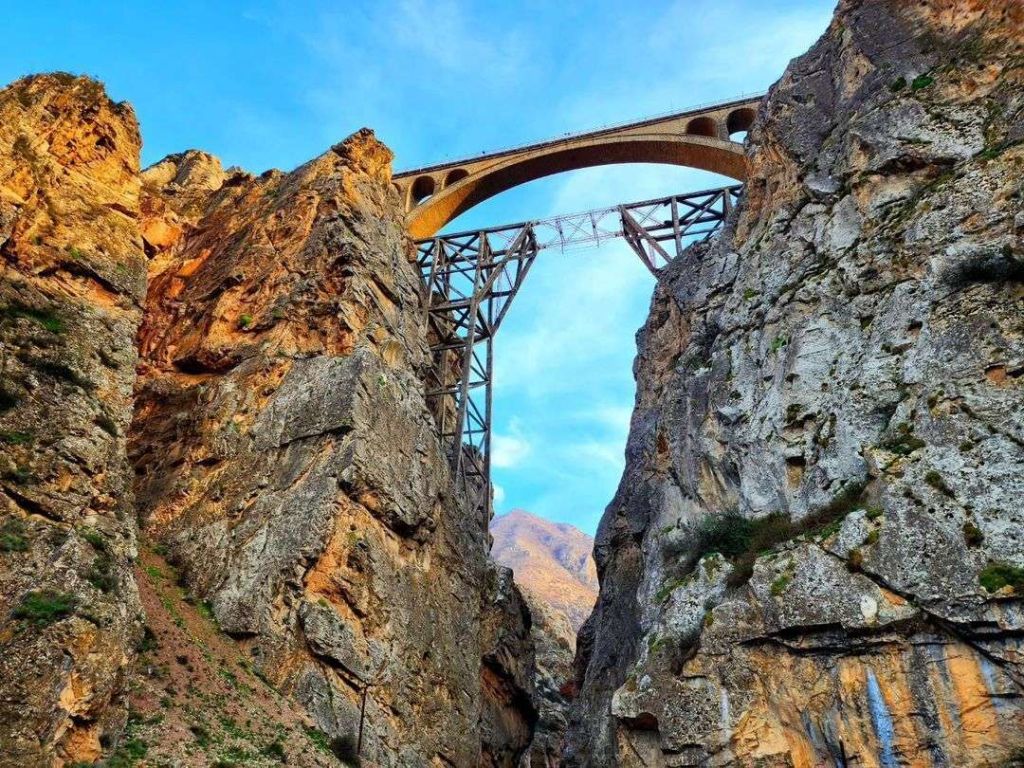
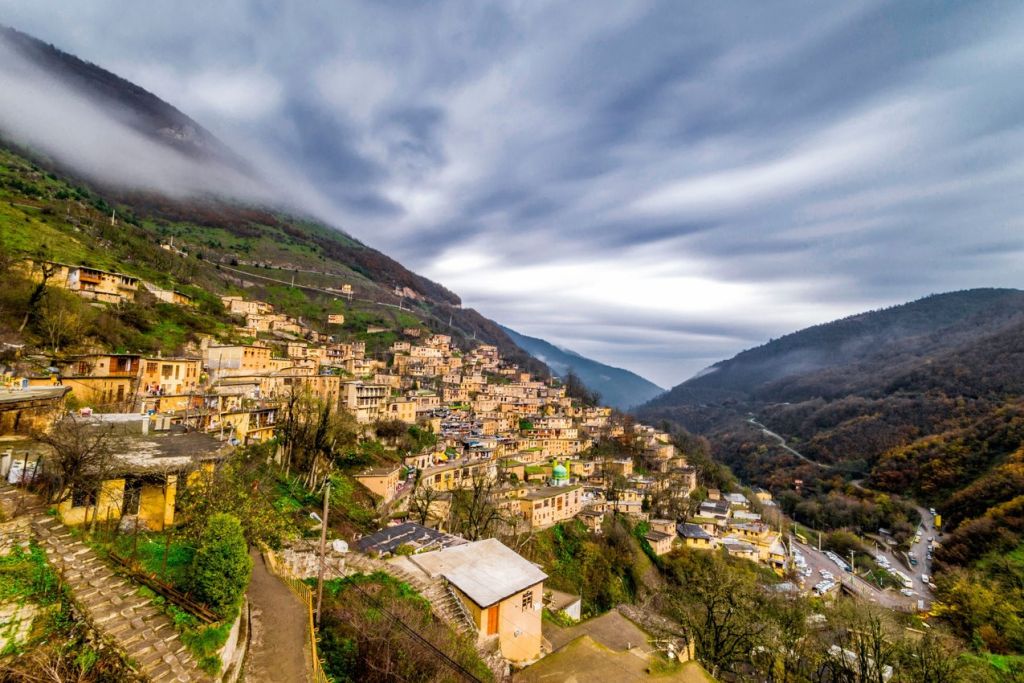
Ethnic and cultural diversity of Northern Iran
Northern Iran is home to many ethnic groups: Gilaks, Galeshes, Mazandaranis, Kurds, Turkmen, and Tatars. Each community contributes to the overall cultural palette of the region through:
- traditional holidays (Chaharshanbe Suri, Nowruz, Mehregan, Shabe Yalda, the Day of the Dead, etc.);
- folk music and dances;
- national costumes;
- distinctive cuisine.
Every year in early May, the International Film Festival “Varesh” is held in Babol (Mazandaran), wh ere documentary and feature films about the culture and customs of the peoples of Caspian Iran are shown.
Traditional crafts of Northern Iran
Ancient craft techniques are carefully preserved in the northern provinces:
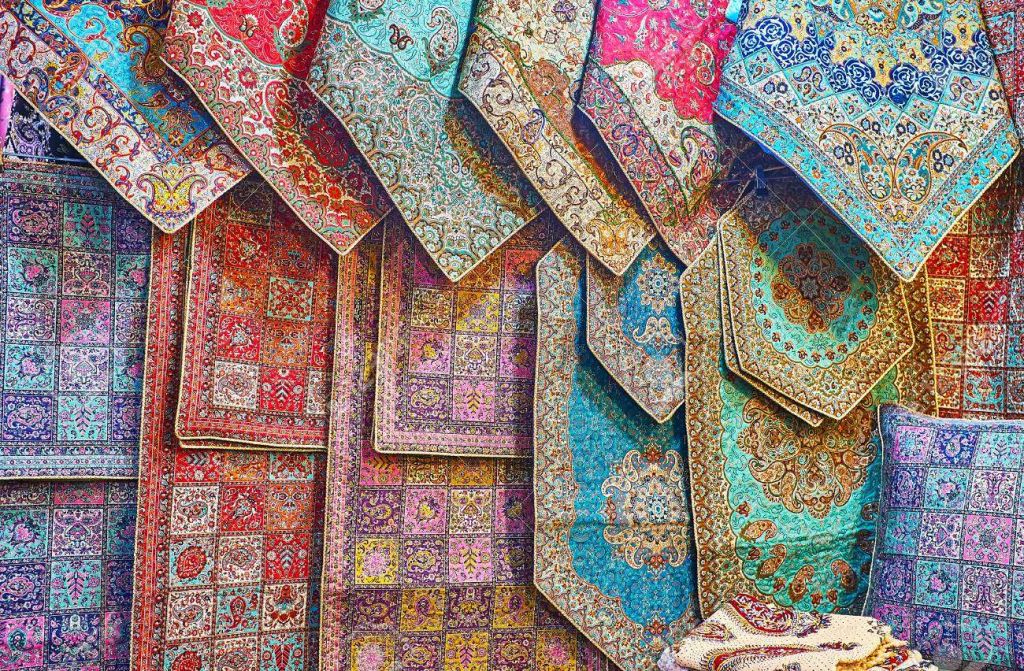
- the manufacture of silk and wool carpets and rugs;
- kalyamkari (printing patterns on fabric);
- patterned crochet embroidery on woolen flannel (“rashti-duzi”);
- minakari (enameling of copper items);
- weaving of mats, screens, and canopies from rattan (“hasir-bafi”);
- wood carving and painting (“lak-tarashi”);
- hatamkari inlay (using wood, mother-of-pearl, and bone).
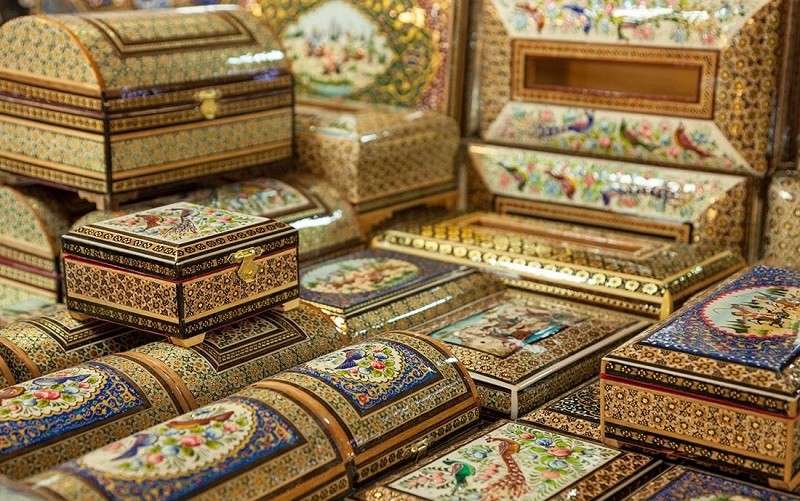
The following deserve special attention:
- painted ceramics;
- decorative panels and wooden sculptures;
- colored glass tableware and jewelry;
- hand-woven “terme” fabric with intricate patterns.
Folk games and sports of Northern Iran
In Northern Iran, traditional types of competitions are popular:
- “Zurkhane” (ancient wrestling and gymnastics);
- equestrian games — “asp-sovari” horse racing (especially among the Turkmen) and polo (“chougan”);
- “kurash” wrestling;
- folk games — tug-of-war and stone throwing.
Such competitions are often held as part of festivals, emphasizing their deep cultural roots. At the same time, football remains the most popular modern sport. One of the most famous local teams is Nassaji Mazandaran from Kaemshahr, which plays in the Iranian Pro League.
The Economy of Northern Iran
The economy of Northern Iran is based on several key sectors: agriculture, tourism, fishing, and manufacturing. Its advantageous geographical position — access to the Caspian Sea — provides the region with important transit functions and access to regional and international markets.
Agriculture
Northern Iran is famous for growing a number of strategically important crops. Three provinces — Mazandaran, Gilan, and Golestan — cultivate the following crops on an industrial scale:
- rice;
- tea;
- citrus fruits (oranges, lemons);
- kiwis;
- olives;
- peanuts;
- tobacco.
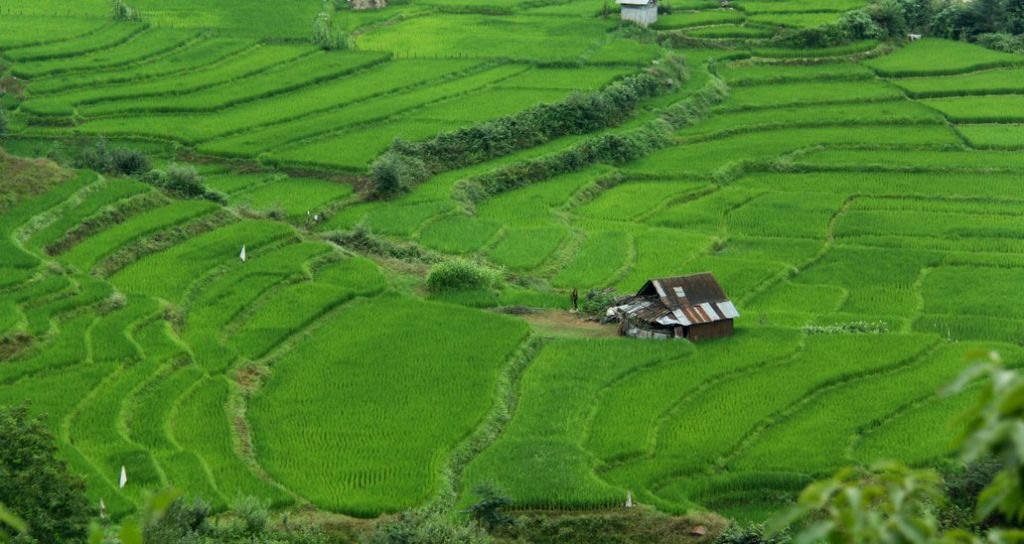
Mazandaran is a leading producer of citrus fruits and also grows soybeans, strawberries, rapeseed, and ornamental plants.
Gilan is the main center for the production of rice, tea, and kiwis. Olives (in Rudbar), peanuts, hazelnuts, tobacco, oranges, and lemons are also cultivated here. Animal husbandry, fishing, beekeeping, and sericulture are also well developed.
Golestan is known as a major producer of tobacco, rice, and soybeans. The province has large shrimp harvesting and processing plants.
Industry
The following industries are actively developing in the northern provinces of Iran:
- food industry (production of canned food, tomato paste);
- textile industry (production of silk and other fabrics);
- woodworking and paper industry;
- mining industry (coal, stone, and salt mining in Mazandaran);
- traditional crafts.
The automotive industry is another significant sector of the economy in northern Iran. Mazandaran is home to the Iran Khodro plant, which manufactures Samand and Peugeot Pars sedans.
The metallurgical and steel industry is mainly concentrated in Gilan. Key enterprises:
- The Amir Kabir Khazar metallurgical complex is one of the largest producers of rebar in the north of the country;
- Anahita Gilan plant — specializes in the production of corrugated rebar;
- Foulad Gilan plant — produces hot- and cold-rolled steel sheets.
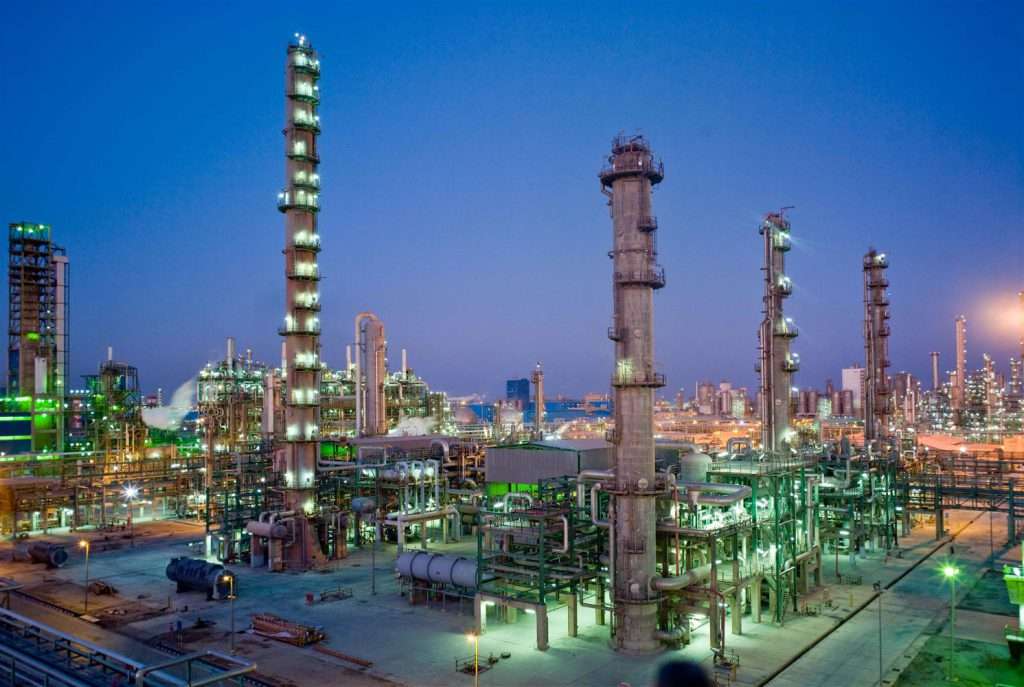
In addition, the region has significant reserves of oil and gas and is developing petrochemicals, producing polystyrene and rubber.
Transport and logistics
Northern Iran plays a critical role in the North-South international transport corridor. Iranian ports on the Caspian Sea — Bender-Anzali, Amirabad, Nowshehr, Torqaman, Chalus, and Astara — serve as key hubs for trade with the Caspian states.
Tourism
Tourism is one of the key economic drivers of Northern Iran, especially in Mazandaran. The region's appeal to travelers is ensured by the picturesque coastline of the Caspian Sea, dense forests, and rich cultural heritage.