
Golestan Palace
History
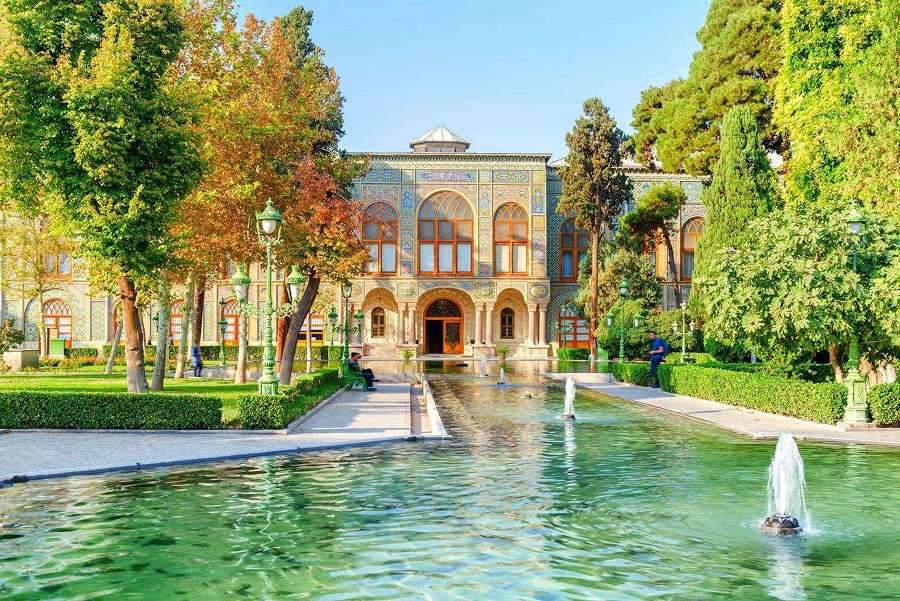
Golestan Palace is the oldest surviving palace complex in Tehran. Its history began in the 16th century during the Safavid era, but its golden age came under the Qajar dynasty (1795–1925). A decisive role in shaping the palace was played by:
- Fath-Ali Shah (1797–1834), who initiated large-scale reconstruction;
- Naser al-Din Shah (1848–1896), who transformed Golestan into the empire’s main ceremonial center.
In 2013, Golestan Palace was inscribed on the UNESCO World Heritage List as an outstanding example of Qajar architecture and a testament to cultural exchange between East and West.
Over the centuries, Golestan served many functions: the official royal residence, a venue for coronations and state ceremonies, a setting for diplomatic receptions and meetings with foreign ambassadors, and a center of court culture and arts.
Key Buildings
- Diamond Hall (Talar-e Almas) — the heart of the palace where major ceremonies were held. The original throne ensemble and lavish décor have been preserved.
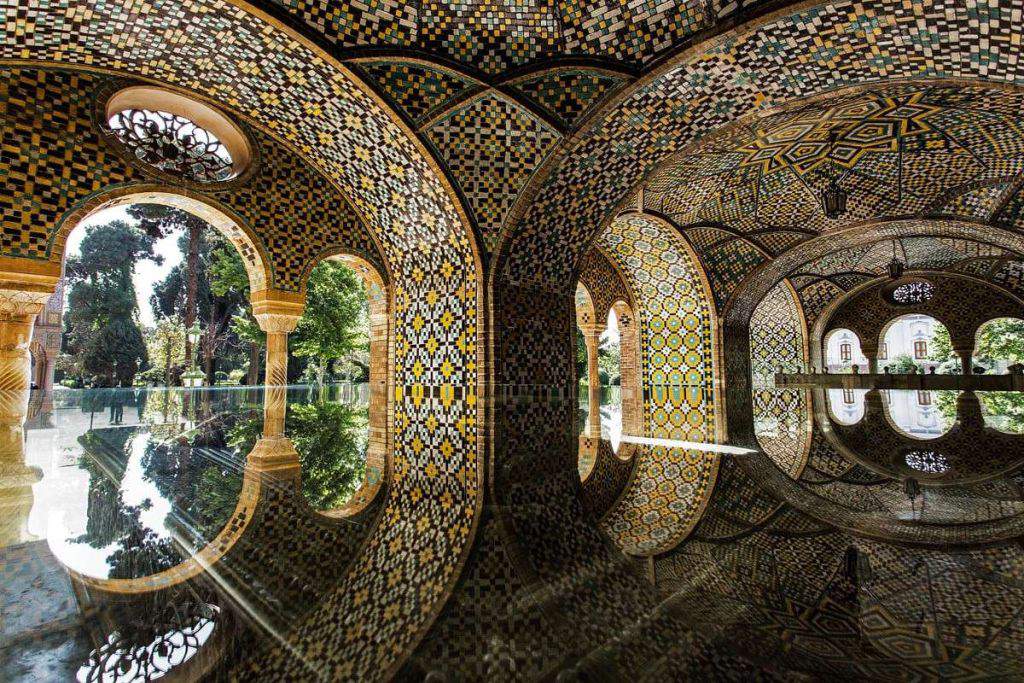
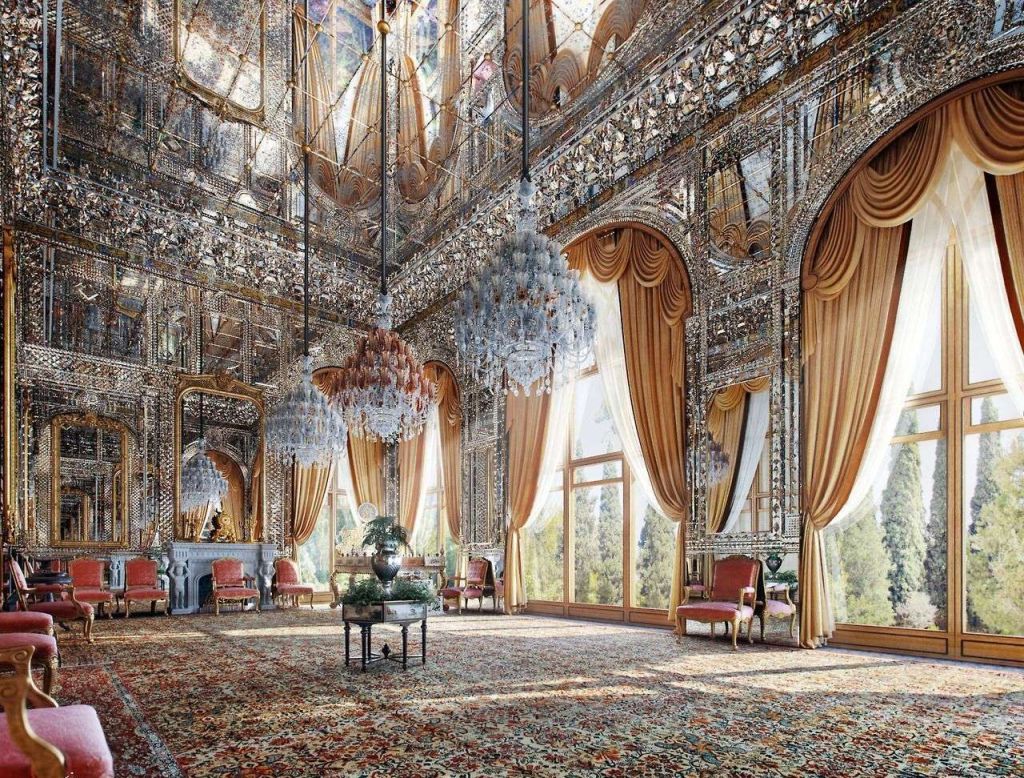
- Mirror Hall (Talar-e Ayeneh) — a masterpiece of Iranian decorative art, with walls and ceilings inlaid with mirror fragments set in gilded carvings.
- Marble Hall (Talar-e Sang-e Marmar) — a reception hall for foreign diplomats, decorated with Italian marble.
- Shams ol-Emareh — a five-story tower built in 1867, combining Gothic and Persian motifs. It served as both an observation deck and the Shah’s private office.
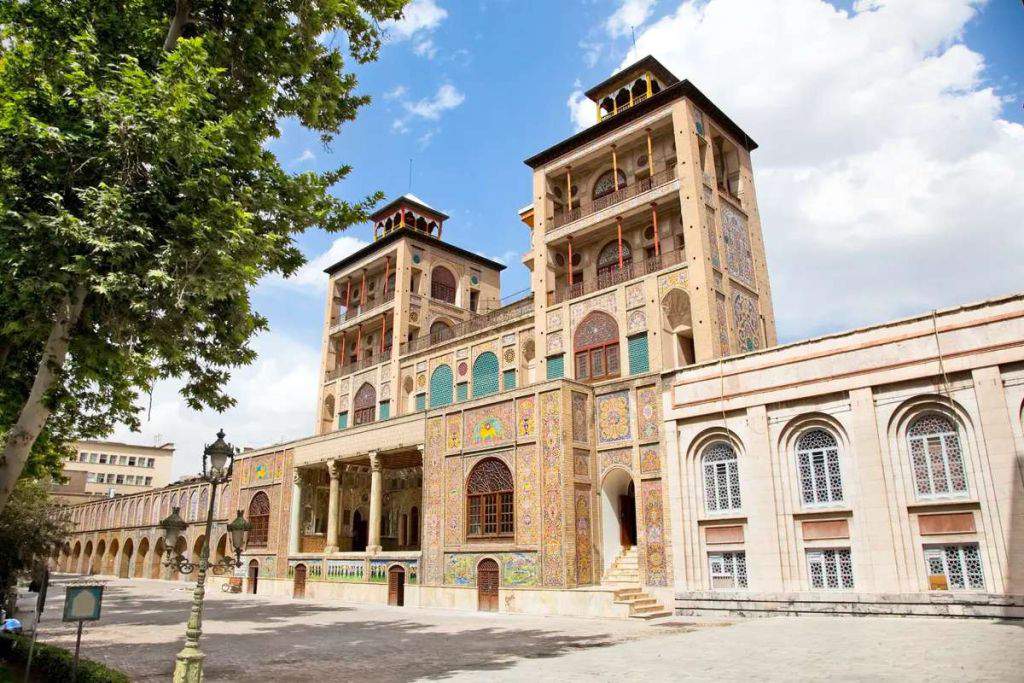
- Negar-khaneh — an art gallery featuring Persian miniatures fr om the 16th–19th centuries and European paintings presented to Iranian monarchs.
- Howz-khaneh — a hall with a pool displaying ancient manuscripts and masterpieces of calligraphy.
- Treasury — a repository of jeweled objects, ceremonial weapons, and royal regalia.
Golestan Palace has long transcended the role of a traditional museum to become a full-fledged cultural center of Iran. It regularly hosts Persian music and poetry evenings, allowing visitors to immerse themselves in the atmosphere of the royal court. Of particular value are specialized exhibitions dedicated to Qajar art, revealing lesser-known chapters of history. The palace also houses workshops wh ere artisans revive traditional crafts such as calligraphy, miniature painting, and ceramics. Thus, Golestan not only preserves the past but actively contributes to the living cultural heritage of Iran.
- Opening hours: Mon–Thu 9:00–18:00; Fri 06:27–23:24; Sun — closed.
- Address: District 2, Tehran, Iran.
- Official website: golestanculturalcomplex.ir
- Google Maps link: https://goo.gl/maps/BkKQQNKTQ7NgZk2E6
Saadabad Palace Complex
History
The history of Saadabad began under the late Qajar rulers as a hunting estate. Its true flourishing came during the Pahlavi era:
- Reza Shah (1925–1941), who laid the foundations of the modern complex by building the White Palace;
- Mohammad Reza Shah (1941–1979), who expanded the complex with museums and infrastructure facilities.
Today, the complex covers 100 hectares and includes 18 buildings harmoniously integrated into the natural landscape.
Main Buildings
- White Palace (Kakh-e Sefid) — a neoclassical building with frescoes depicting mythological scenes. It served as a venue for state banquets and international meetings.
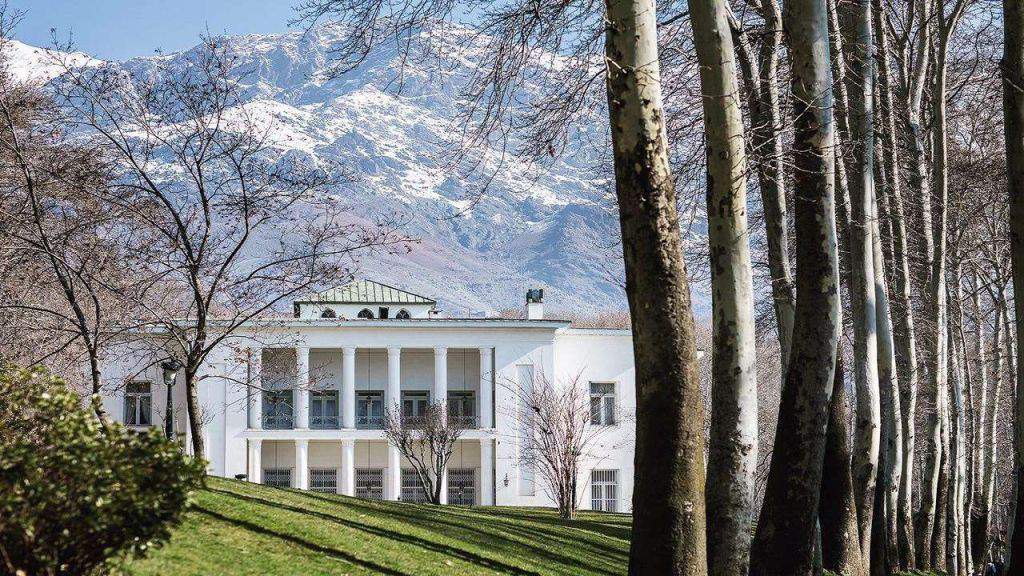
- Green Palace (Kakh-e Sabz) — the former residence of the Shahbanou, featuring exquisite emerald-tiled décor and stucco work. Original 19th-century interiors and furniture have been preserved.
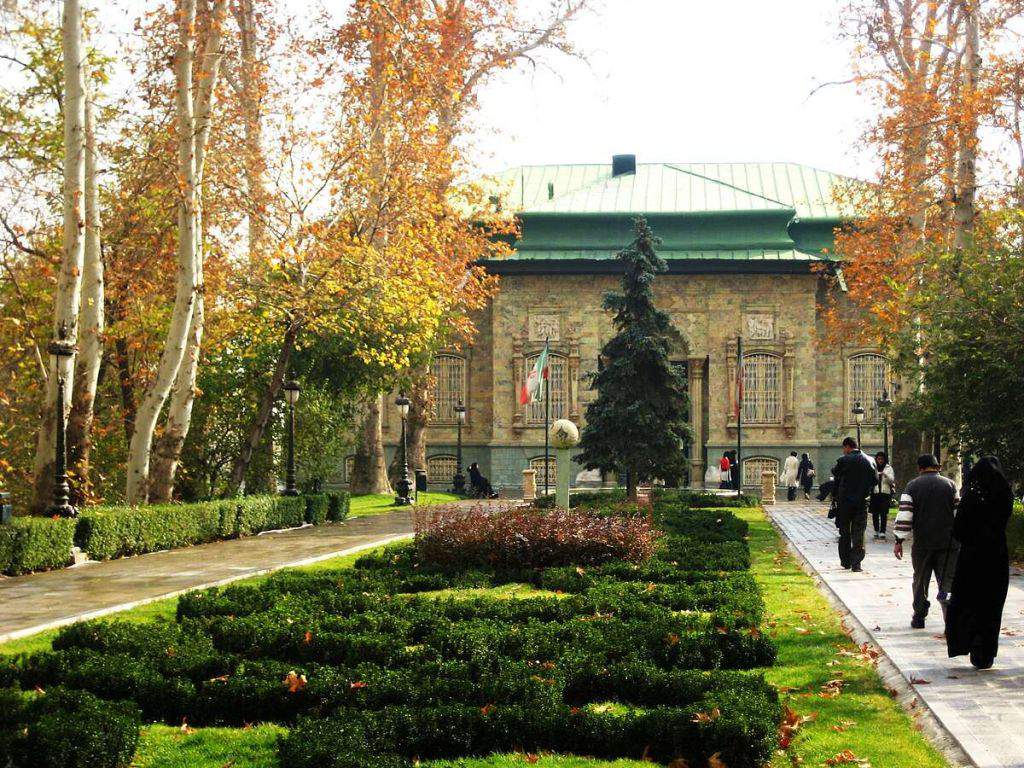
- Museum of Contemporary Art — a collection of works by Monet, Picasso, and Warhol assembled by Empress Farah, illustrating Iran’s cultural ties with the West in the 20th century.
- Military Museum — an exhibition tracing the evolution of the Iranian army from the Safavid era to the 20th century.
- Fountain Alley — a series of cascading water features with bronze sculptures, evoking a European park atmosphere.
- Botanical Garden — over 200 plant species, including rare varieties of roses cultivated at the royal court.
- Shams Lake — an artificial lake with Chinese-style bridges, reflecting Eastern landscape traditions.
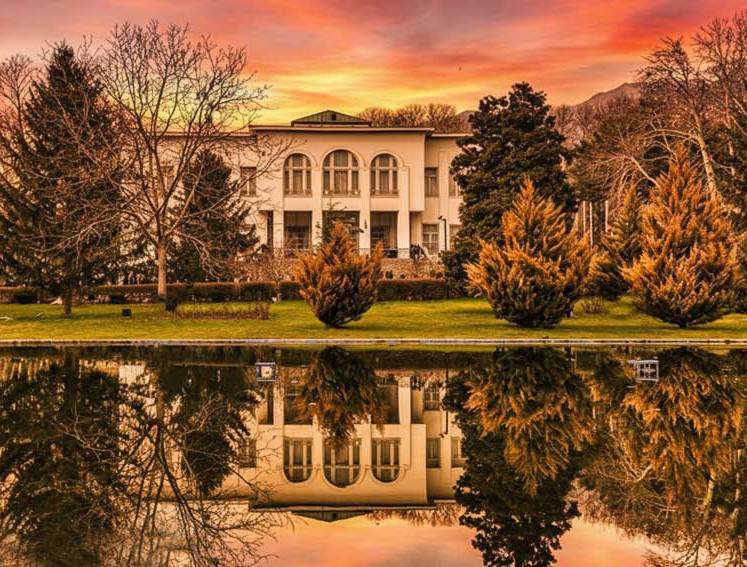
Saadabad Palace remains a popular destination for both locals seeking space for walks and family outings and tourists eager to explore Iranian history through architecture and art. For researchers, the complex is of special value as a base for studying the country’s cultural heritage.
- Opening hours: daily 10:00–18:00.
- Address: Sa’adabad Complex, Tehran, Iran.
- Tickets: available as a combined pass for all museums or individual tickets for each building.
Niavaran Palace
History
Niavaran Palace is Iran’s last royal residence, built in the 1950s–1960s for Mohammad Reza Shah. It is an architectural manifesto of the Pahlavi era, reflecting modernization ambitions, respect for tradition, and interest in international style. The project was designed by architect Mohsen Foroughi, who successfully blended modern trends with elements of Persian architecture.
The complex served a dual role: an official residence for receptions and a private family space for the Shah.
Main Structures
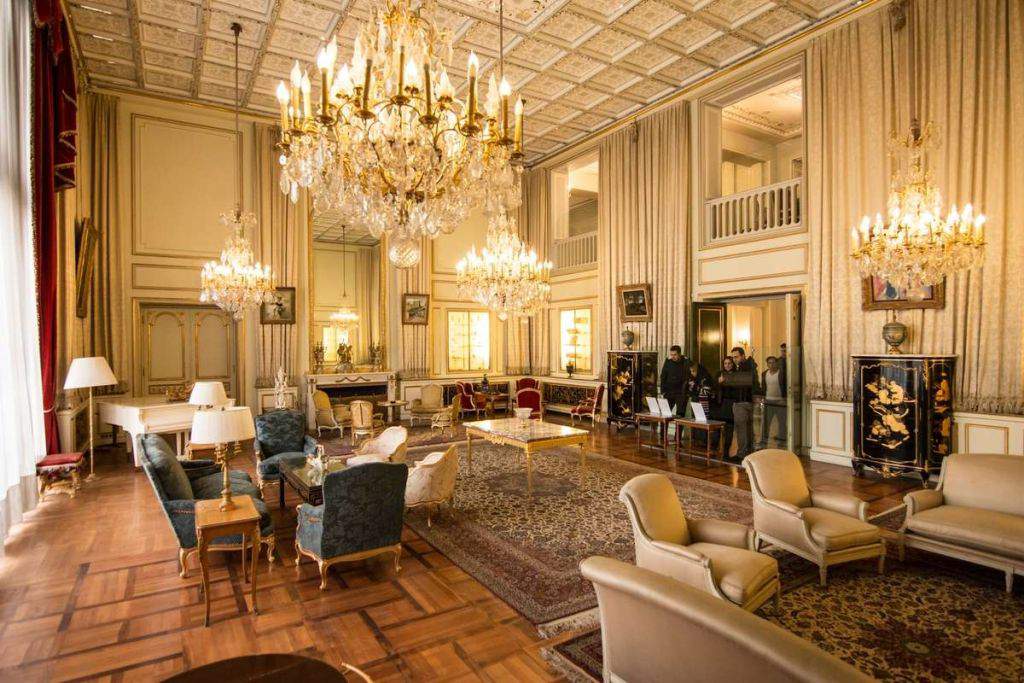
- Main Palace — the central building with five halls:
- Throne Hall — a minimalist interpretation of traditional ceremonial space.
- Dining Hall — furnished with mahogany furniture and works by modern Iranian artists.
- Private Apartments — bedrooms and studies containing everyday items of the Pahlavi family.
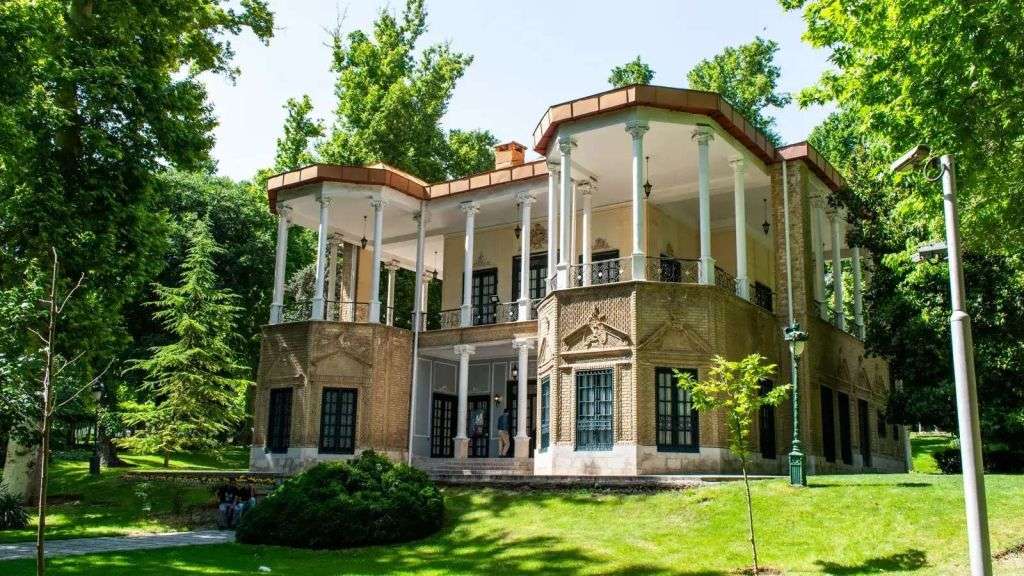
- Ahmad Shah Pavilion (19th century) — a historic building housing collections of engraved silver trays, European bronze statuettes, and diplomatic gifts from Asian and European monarchies.
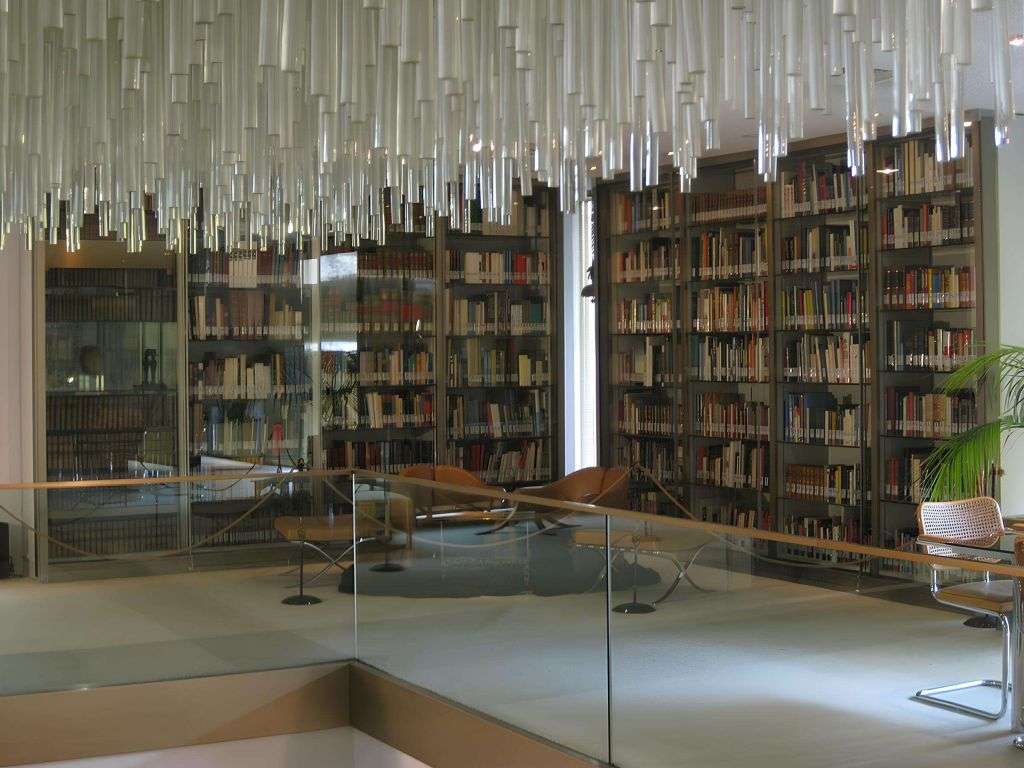
- Farah Library — a collection of 23,000 volumes including Persian manuscripts with miniatures, 18th–19th century French editions, and modern publications on art and architecture.
- Niavaran Garden — a formal layout with plane tree and cypress alleys providing shade in the hot climate.
- Water channel system — an interpretation of the traditional chahar-bagh layout symbolizing paradise gardens.
- Viewing terraces — offering panoramic views of the Alborz Mountains and the cityscape.
After the 1979 Revolution, the palace was transformed into a museum complex. Today it offers guided tours in Persian and English, hosts temporary contemporary art exhibitions, and operates an educational center focused on 20th-century Iranian architecture. Niavaran continues to serve as an important cultural space linking historical heritage with modern forms of artistic presentation.
Practical Information
- Opening hours: Sat–Thu 06:00–17:00; Fri 09:00–18:30.
- Address: Niavaran Palace Complex, Tehran, Iran.
- Recommendation: visiting with a guide is advised for a deeper understanding of the modernist architectural context.