

- Tehran: A City of Religious Diversity
- A History of Coexistence
- Sacred Sites Worth Visiting
- Shared Neighborhoods and Everyday Life
- Cultural and Culinary Exchange
- Why Travelers Should Explore This Side of Tehran
Imagine standing on a single street in the heart of a bustling metropolis, where the call to prayer from a mosque mingles with the ringing of church bells, where the eternal flame of a Zoroastrian temple burns just steps from a historic synagogue. This isn't a metaphor for an idealistic future — it's the daily reality on Si-e Tir Street in Tehran, a place that embodies the spirit of the Crossroads of Religions in Tehran.
For generations, this city has been a living tapestry of faiths. While many travelers know Tehran for its museums and modern energy, its true soul lies in the quiet coexistence of its diverse religious communities. Here, Shia and Sunny Muslims, Armenian and Assyrian Christians, Jews, and Zoroastrians haven't just tolerated one another — they have built lives, neighborhoods, and sacred spaces alongside each other for centuries. To walk these streets is to witness a profound cultural harmony that challenges assumptions and opens hearts. This is the Tehran that awaits the curious traveler: a city where history whispers from every corner, inviting you to explore its spiritual and cultural diversity firsthand.
Tehran: A City of Religious Diversity
Iran's population is predominantly Shia Muslim, but Tehran has long been home to a wider mosaic of faiths. Sunni Muslims, Armenian and Assyrian Christians, Jews, and Zoroastrians have all maintained communities, places of worship, and cultural institutions within the city. This diversity isn't a recent development; it is woven into Tehran's historical fabric, with roots stretching back centuries before the capital took its modern shape.
For travelers, this means Tehran offers something beyond typical sightseeing. Walking its streets can mean passing a centuries-old Zoroastrian symbol on one block and an Armenian cross on the next, a quiet reminder of how many different stories have shaped this single city.
A History of Coexistence
Tehran's religious diversity took root as the city grew from a small settlement into Iran's capital in the late 18th century, drawing migrants, merchants, and craftsmen from across the region. Armenian communities, many with roots tracing back to the Safavid era's resettlement policies in Isfahan, gradually established themselves in Tehran, bringing their churches, schools, and traditions with them.
Jewish communities in Iran trace their presence back over 2,700 years, among the oldest in the world, and Tehran became home to synagogues, community centers, and neighborhoods where Jewish life flourished alongside its neighbors.
Zoroastrianism, Persia's ancient pre-Islamic faith, also maintained a continuous presence, with adherents preserving their fire temples and rituals even as the surrounding city transformed around them.
Over generations, these communities built not just places of worship, but shared marketplaces, schools, and neighborhoods, contributing to a social fabric where different beliefs coexisted as simply part of everyday city life.
Sacred Sites Worth Visiting
The most powerful way to understand the Crossroads of Religions in Tehran is on foot. The city's heart holds a collection of sacred sites that are architecturally stunning and spiritually significant. A half-day tour around Si-e Tir Street offers an unforgettable immersion into this world.
The Adrian Zoroastrian Temple: An Eternal Flame
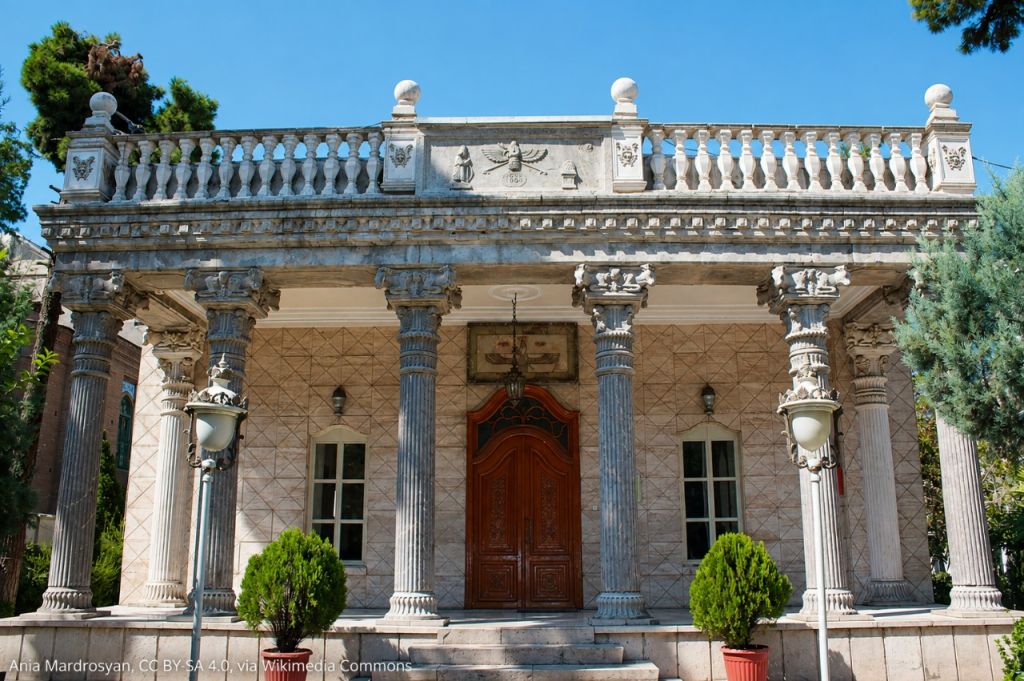
Your first stop is the Adrian Zoroastrian Temple, also known as the Fire Temple of Tehran. Completed in 1917, it is the only active Zoroastrian fire temple in the capital. Stepping into its peaceful garden, you are greeted by architecture inspired by ancient Persepolis. Inside, a flame has been kept burning continuously, a powerful symbol of purity and the eternal light of Ahura Mazda. This sacred fire was brought from a temple in Yazd, where it is believed to have burned for over 1,500 years. The temple's museum offers a fascinating glimpse into Zoroastrian life, culture, and history. For any traveler interested in Iran's pre-Islamic heritage, this is an unmissable site.
Haim Synagogue: A Testament to Persian-Jewish Heritage
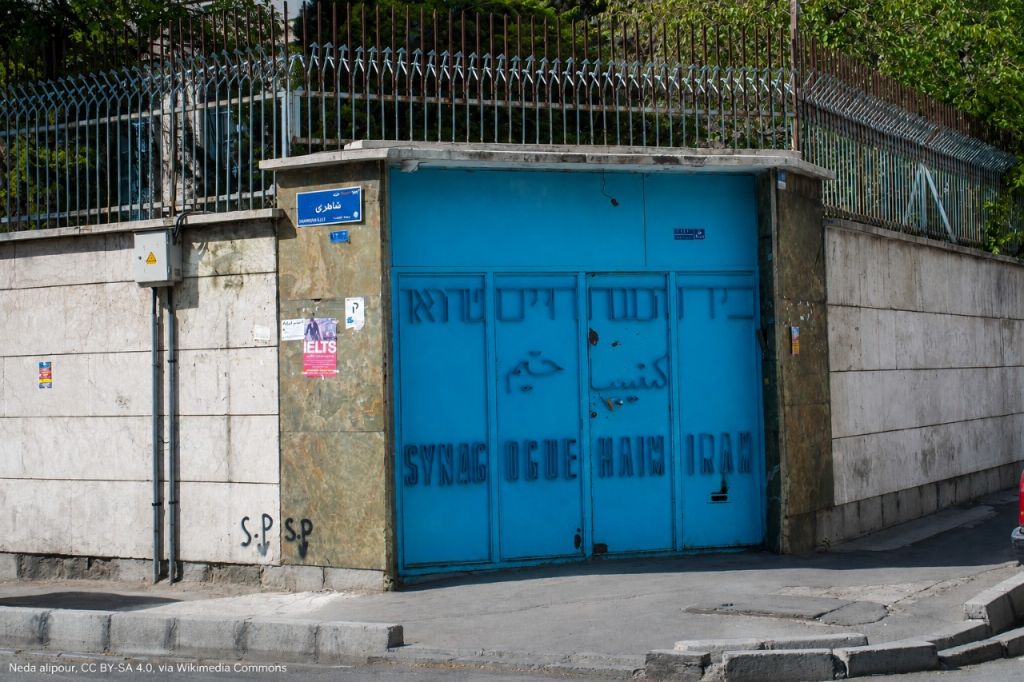
Just a short walk away stands the Haim Synagogue, one of Tehran's oldest and most significant synagogues, built in 1913. The building's beautiful stained glass windows and intricate woodwork are a testament to the artistry of Persian-Jewish culture. The synagogue has served as more than a place of worship; it has been a vital cultural and educational hub, and even provided refuge for Jewish refugees during World War II. Visiting this active place of worship offers a profound connection to the deep roots of the Jewish community in Iran, which traces its presence back to the time of Cyrus the Great. The Haim Synagogue is a key part of the Tehran religious sites experience, highlighting the city's rich and layered past.
Saint Mary Church: Armenian Christian Faith in the Capital
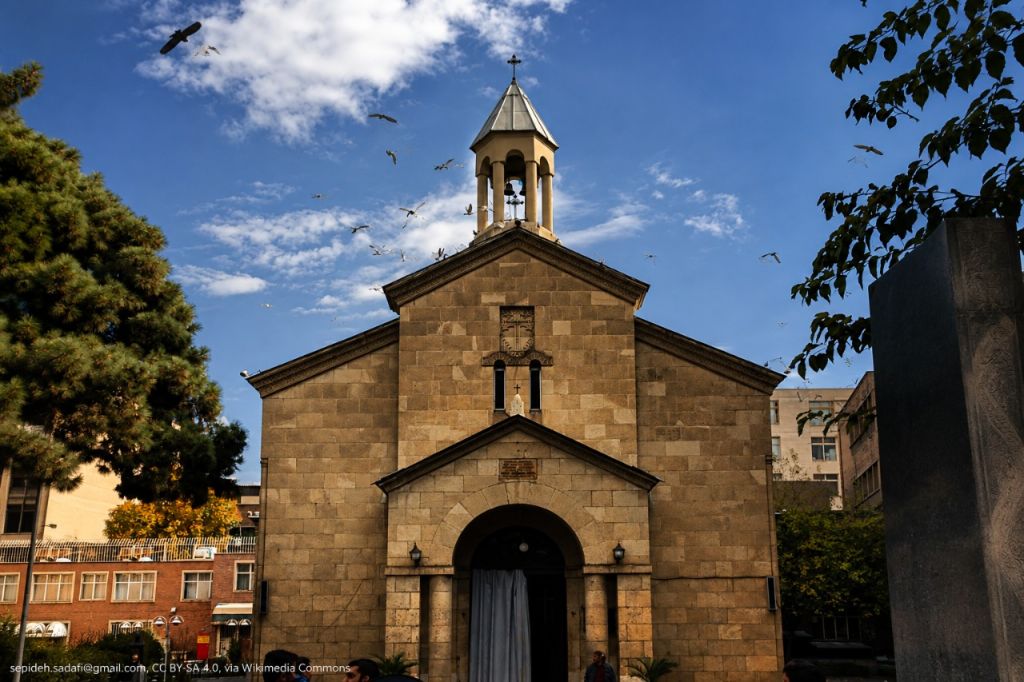
Directly opposite the Adrian Fire Temple is the Saint Mary Church, a cathedral of the Armenian Apostolic Church. Its construction began in 1938 and was completed in 1945, serving as the residence and office for the Armenian Archbishop of Tehran for many years. The church's design is inspired by traditional Armenian architecture, featuring a striking dome and ornate stone carvings. Inside, the walls are adorned with exquisite frescoes depicting biblical scenes. The presence of Armenian churches in Tehran like Saint Mary is a powerful reminder of the centuries-old Christian communities that have called Iran home.
The Mosques of Tehran: Centers of Community and Scholarship
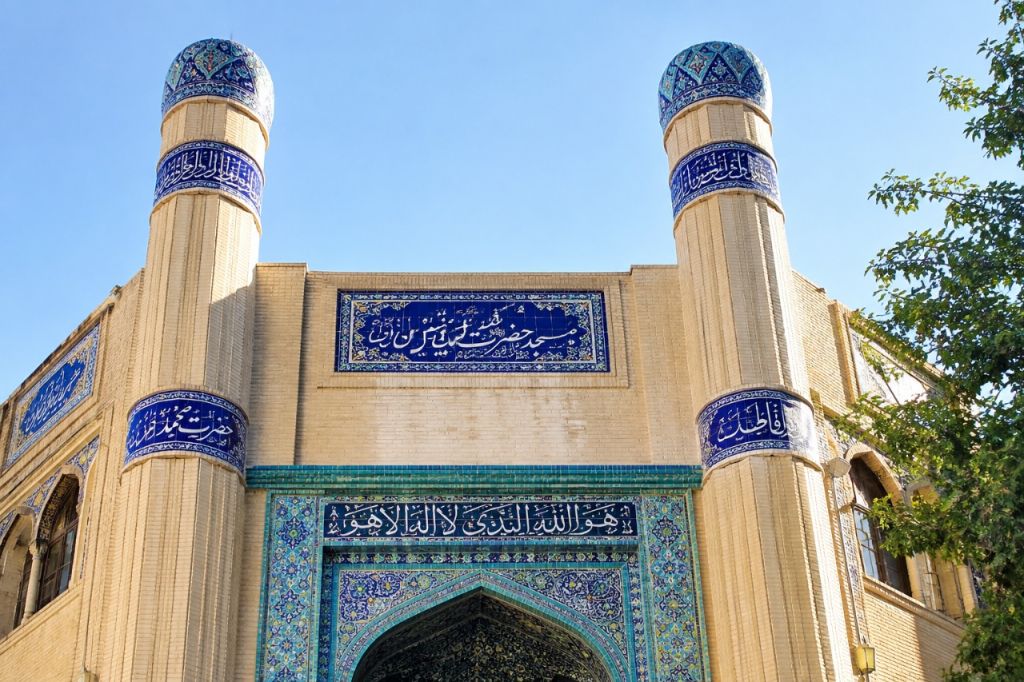
No exploration of the Crossroads of Religions in Tehran would be complete without visiting its magnificent mosques. The Majd Al-Dowla Mosque, located near the sites mentioned above, is a beautiful example of Islamic architecture with stunning tile work and a serene prayer hall. It has been a center for community engagement and education for nearly two centuries. A short distance away is the grand Sepahsalar Mosque-School, a massive complex that is one of the largest and most impressive in the city. Its design was inspired by the great mosques of Isfahan and even elements of the Hagia Sophia. These mosques are not just places of prayer but also historical centers of learning that demonstrate the intellectual richness of Iran's Islamic tradition.
Each site tells a distinct architectural and spiritual story, yet together they form a single, layered portrait of the capital.
Shared Neighborhoods and Everyday Life
What makes Tehran's religious history so compelling isn't only its landmarks, but the everyday coexistence that shaped them. In certain historic neighborhoods, families of different faiths lived as neighbors, shopped in the same bazaars, and celebrated milestones within sight of one another's places of worship.
Markets became natural meeting points, where merchants and customers of different backgrounds exchanged goods, recipes, and conversation as a matter of daily routine. Seasonal festivals, too, often drew curiosity and goodwill across communities, with neighbors exchanging greetings and sweets regardless of which celebration was being observed. This everyday closeness fostered a quiet, lasting culture of mutual respect that still echoes through Tehran's older districts today.
Cultural and Culinary Exchange
This centuries-long coexistence left a lasting imprint on Tehran's broader culture. Armenian culinary traditions, for instance, influenced local pastry-making and winemaking techniques, some of which remain part of Tehran's food culture today. Jewish culinary customs contributed distinct dishes and ingredients that found their way into the wider Persian kitchen over time.
Music and craftsmanship followed similar patterns of exchange, with artisans and musicians from different communities influencing one another's techniques and styles. The result is a city whose cultural identity, from its food to its decorative arts, carries subtle threads from each of the communities that helped build it.
Why Travelers Should Explore This Side of Tehran
For travelers seeking more than surface-level sightseeing, exploring Tehran's religious diversity offers something rare: a deeper understanding of how a society's richness often comes from its plurality, not despite it. Walking from a grand mosque to a centuries-old church to an ancient fire temple, all within the same city, is a powerful, tangible lesson in coexistence that few destinations can offer so vividly.
This journey through Tehran's sacred spaces reveals a side of Iran that rarely appears in typical travel itineraries, one defined by shared history, architectural beauty, and communities that have quietly built lives alongside one another for generations. For culturally curious travelers, it transforms a city visit into a truly meaningful encounter with human diversity.