
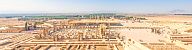
In 1972, UNESCO (United Nations Educational, Scientific and Cultural Organization) adopted the Convention concerning the Protection of the World Cultural and Natural Heritage. This landmark agreement aimed to preserve the most valuable cultural and natural sites worldwide, including those at risk of disappearance. Iran’s heritage is richly represented among these sites, with 22 cultural and one natural site currently inscribed on the World Heritage List.
Cultural Heritage Sites
Armenian Monastic Ensembles
The Armenian Monastic Ensembles consist of three Armenian Christian monasteries in West Azerbaijan Province: St. Thaddeus Monastery, St. Stephen Monastery (St. Stepanos), and the restored Chapel of Dzordzor Virgin Mary. Dating back to the 7th century, these monuments showcase the development of Armenian culture within Iranian civilization. St. Thaddeus Monastery, the oldest of the ensemble, remains a major pilgrimage site for Armenians in Iran, preserving centuries-old spiritual and architectural traditions.
Bam Citadel and its Cultural Landscape
The Bam Citadel, located in Kerman Province, is the largest adobe structure in the world and a prime example of ancient urban planning. Surrounded by palm groves and eucalyptus trees, the citadel originated during the Achaemenid era and flourished as a desert oasis. It was an important center for trade and craftsmanship, including silk and cotton production. Its sophisticated qanat irrigation system ensured agricultural prosperity in the desert. The citadel complex includes clay-brick buildings, fortifications, and administrative structures, now preserved as a living archaeological museum.
Bisotun
Bisotun, in Kermanshah Province, is famous for the Behistun Inscription carved by Darius I on a cliff face. This monumental text, written in Old Persian, Elamite, and Akkadian, records Darius' victories and achievements. It played a crucial role in deciphering cuneiform writing and demonstrates the high level of Persian monumental art. The site exemplifies the cultural and political influence of the Achaemenid Empire and is a vital destination for historical travelers.
Maymand Cultural Landscape
Maymand, an ancient village in Shahr-e Babak, Kerman Province, features troglodyte dwellings carved into cliffs. Inhabited for centuries by semi-nomadic people, the community engages in agriculture and livestock farming, maintaining ancient traditions. Their diet relies on homegrown produce, and they practice traditional herbal medicine. The local dialect retains elements of Old Persian, providing linguistic insight into Iran’s cultural history.
Golestan Palace
Golestan Palace, located in Tehran, is a masterpiece of Qajar-era architecture, blending Persian traditional design with Western influences. The complex features luxurious halls with floral motifs, intricate stucco work, painted tiles, mirror decorations, and detailed artwork. Originally built in the 16th century, it achieved its present grandeur under the Qajar dynasty (1779 onwards), serving as both a royal residence and cultural center. Today, it is one of Tehran’s top attractions for visitors.
Gonbad-e Qabus
Gonbad-e Qabus, a 53-meter-tall tomb in Golestan Province, was constructed in 1006 CE by Qabus ibn Voshmgir of the Ziyarid dynasty. This cylindrical monument, topped with a conical brick roof, demonstrates advanced engineering, geometry, and construction techniques of its time. It reflects cultural exchanges between Central Asian nomads and Persian civilization and remains a rare example of early Islamic architectural achievement.
Historic City of Yazd
Yazd, in Yazd Province, is one of the world's oldest cities, with settlements dating back to the 3rd millennium BCE. The city’s adobe buildings, made fr om a mixture of clay, straw, and other natural fibers, provide insulation against the desert heat. Narrow winding streets create shade and airflow, reflecting sophisticated urban planning. Yazd is also a center of Zoroastrianism, housing an active Fire Temple wh ere a sacred flame has been preserved for centuries.
Jameh Mosque of Isfahan
The Jameh Mosque in Isfahan, founded in 771 CE and continuously developed until the 20th century, is the oldest Friday mosque in Iran. It reflects the evolution of Persian mosque architecture over twelve centuries, combining Sassanid layouts with Islamic architectural elements. The mosque features four iwans, magnificent domes such as Malek al-Molk and Taj al-Molk, and exquisite muqarnas decorations, many original to their construction. It influenced mosque designs across Central Asia for centuries.
Naqsh-e Jahan Square (Emam Square)
Located in central Isfahan, Naqsh-e Jahan Square is one of the world’s largest city squares and a prime example of Safavid urban planning. Built by Shah Abbas I in the early 17th century, the square is surrounded by two-story arcades and iconic landmarks: Sheikh Lotfollah Mosque (east), Ali Qapu Palace (west), Qeysarieh Portal (north), and the Royal Mosque (south). Historically, the square hosted military parades, polo games, public ceremonies, and official gatherings, remaining a cultural hub today.
Pasargadae
Pasargadae, founded in the 6th century BCE by Cyrus the Great, served as the capital of the Achaemenid Empire. It features advanced architecture reflecting knowledge of mathematics, hydraulics, and urban planning. The city includes Cyrus’ Tomb, palaces, columned halls, bas-reliefs depicting animals and humans, a Persian garden, and fortress remains. It is a symbol of Persia’s early civilization and one of the oldest examples of planned urban design.
Persepolis
Persepolis, built during the Achaemenid Empire, began construction in 518 BCE under Darius I and continued for over a century. The city served as a ceremonial capital, showcasing imperial power and unity. Key structures include the Apadana Palace, Hall of 100 Columns, Treasury, and the palaces of Darius and Xerxes. The architecture combines Persian, Median, and Mesopotamian influences. Persepolis demonstrates the empire’s monumental scale, artistic achievements, and political ideology.
Sassanid Archaeological Landscape of Fars
This ensemble comprises eight archaeological sites in Fars Province, including Shapur Cave, the Palace of Ardeshir Papakan, Bishapur, Ardeshir-Khura, the Maiden Castle, Sarvestan Palace, and ancient inscriptions of Dihim and Ardeshir. These sites date to the Sassanid dynasty (224–651 CE) and illustrate the continuation of Achaemenid and Parthian cultural traditions, reflected in architectural styles and decorative arts of the period.
Shahr-e Sukhteh (Burnt City)
Shahr-e Sukhteh, meaning “Burnt City,” is a Bronze Age archaeological site located at the crossroads of ancient trade routes in eastern Iran. Founded around 3200 BCE and inhabited until 1800 BCE, the city’s ruins, necropolises, and artifacts reveal the emergence of complex societies. Exceptional preservation due to the desert climate provides insights into early urban planning, social structure, and technological innovation.
Khanegah of Sheikh Safi al-Din and Ardabil Shrine Ensemble
This medieval Islamic complex in Ardabil Province is dedicated to Sheikh Safi al-Din, founder of the Safavid dynasty and Sufi order. The site includes a khanegah, mausoleum, religious schools, mosques, and caravanserais. Its intricate tilework, with deep blue and gold motifs, floral patterns, and muqarnas, represents an outstanding example of Persian Islamic architecture. It served both spiritual and cultural functions, attracting pilgrims and visitors alike.
Shushtar Historical Hydraulic System
Located in Khuzestan Province near the Karun River, this 5th-century BCE hydraulic complex includes canals, bridges, dams, tunnels, and water mills. Designed to irrigate 40,000 hectares of farmland, it remains operational today. The system demonstrates ancient engineering genius, reflecting Elamite, Mesopotamian, and later Roman influences. It is recognized as a remarkable achievement of creative and technical knowledge in antiquity.
Mausoleum of Oljeitu
Built between 1284 and 1313 CE in Soltaniyeh, Zanjan Province, the Mausoleum of Oljeitu is an octagonal building crowned with a 52-meter-tall double-shell dome covered in turquoise tiles. Constructed under Ilkhanid rulers, it serves as Oljeitu’s burial site and stands as a pinnacle of 14th-century Persian architecture. The mausoleum’s interior features frescoes, reliefs, and a gallery, inspiring later architectural works in Iran and beyond.