

Alamut Castle: The Eagle’s Nest That Defied Empires
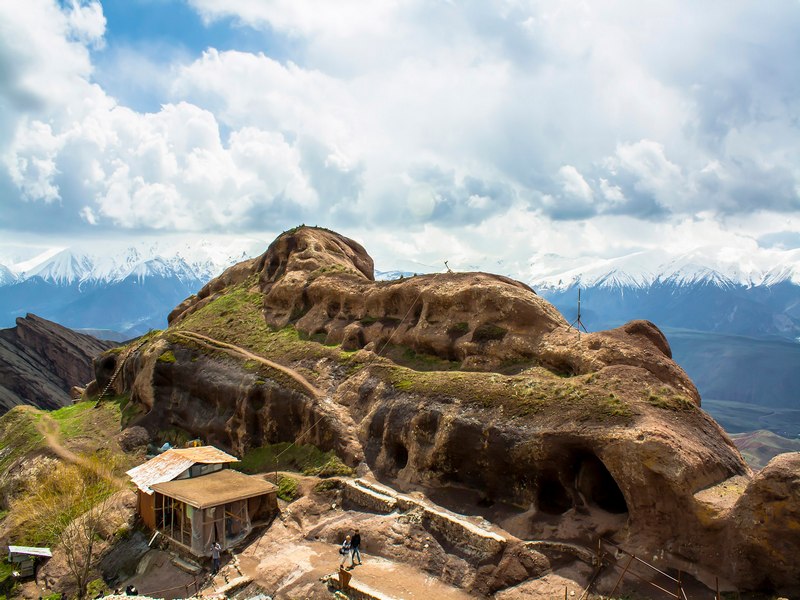
High in the rugged Alborz Mountains of Qazvin Province, perched like a watchful guardian over the valley below, lies the ruins of Alamut Castle — a place where myth, intellect, and rebellion once converged. Known as the “Eagle’s Nest”, this fortress wasn’t just built for defense — it was built for ideas.
A Fortress Born of Vision
The story begins around 840 AD, when Wahsudan ibn Marzuban, a Justanid ruler and follower of Zaydi Shi’ism, spotted an eagle soaring and landing on a high rock. Inspired by the bird’s choice, he built a fortress there, naming it Alamut, meaning “Eagle’s Teaching” or “Nest of Punishment”.
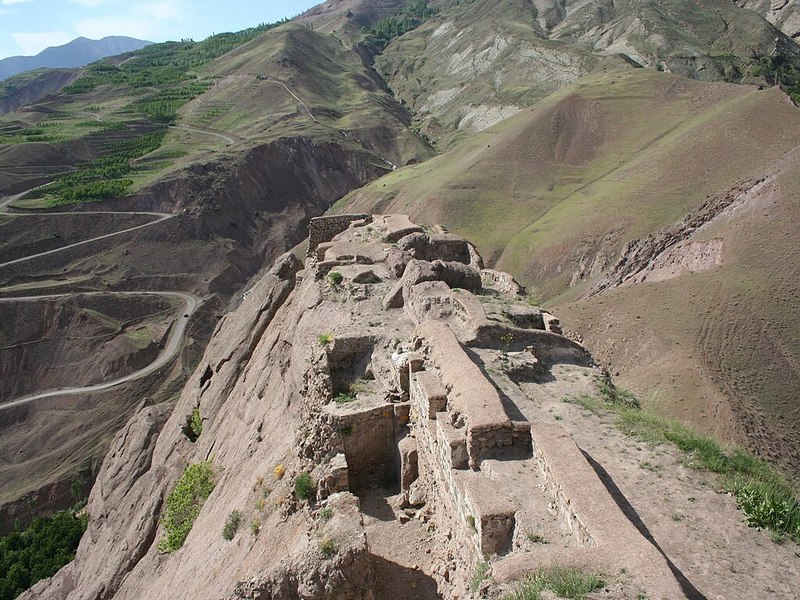
But it wasn’t until 1090 AD that Alamut truly entered the pages of history. That’s when Hassan-i Sabbah, a revolutionary thinker and leader of the Nizari Ismailis, seized the castle and transformed it into the headquarters of a new kind of state — one built not just on stone, but on strategy, secrecy, and scholarship2.
A Stronghold of Ideas
Alamut wasn’t just a military base — it was a center of learning and resistance. Within its walls were gardens, libraries, and laboratories, where scientists, philosophers, and theologians debated freely. It was a place where knowledge was power, and power was wielded with precision.
The Nizari Ismailis, often misunderstood and labeled as “Assassins,” used Alamut as a base to challenge dominant empires like the Seljuqs and Khwarezmians. Their tactics were unconventional, their influence vast, and their fortress seemingly impregnable.
Fall and Echoes
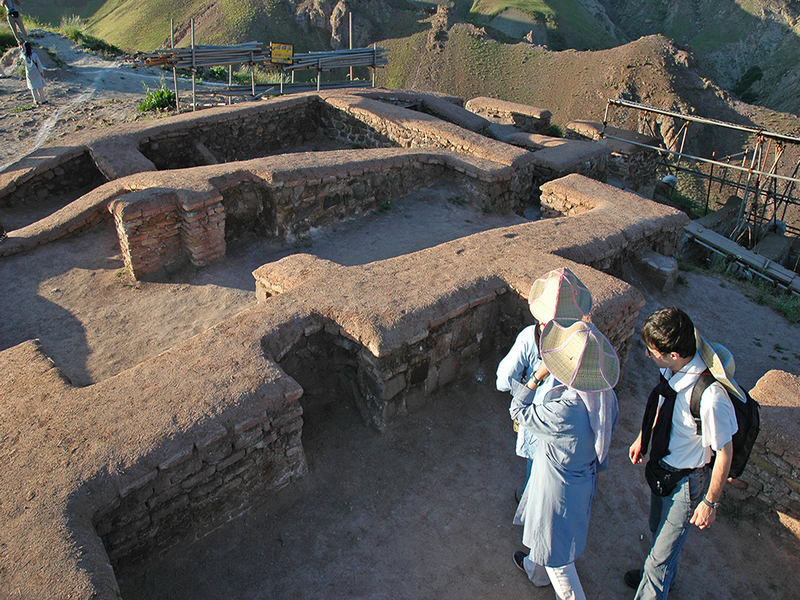
In 1256, the Mongol leader Hulagu Khan, grandson of Genghis Khan, launched a brutal campaign against the Ismaili strongholds. Alamut was besieged, surrendered, and its famed library was burned to ash2. Though the fortress was briefly recaptured in 1275, it never regained its former glory. Later, during the Safavid era, the ruins were repurposed as a political prison, holding high-profile detainees in its cold stone chambers.
Why It Still Matters
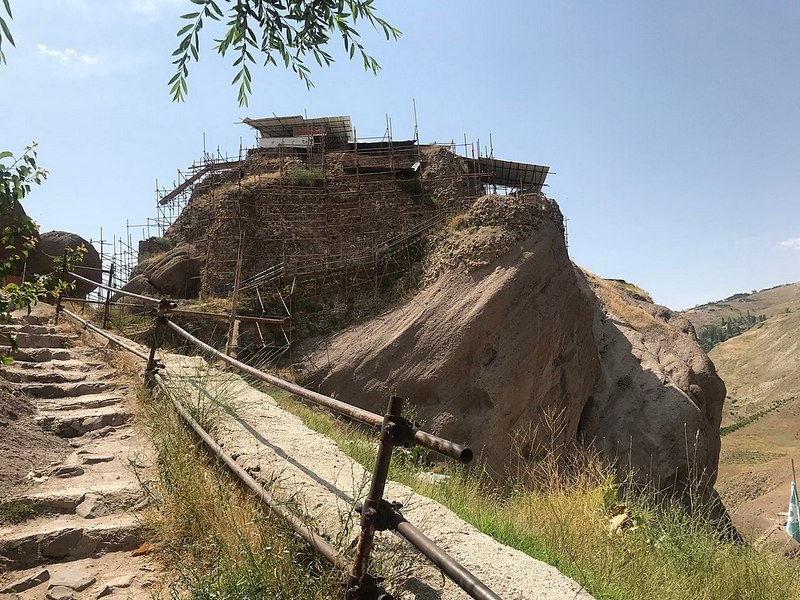
Today, Alamut Castle is a haunting ruin — but its legacy is anything but silent. It represents:
- Intellectual freedom in the face of oppression
- Strategic brilliance in a hostile landscape
- Cultural resilience that defied extinction
- For travelers, it’s not just a hike — it’s a pilgrimage to a place where ideas once soared as high as the eagles that inspired its name.






Alamut Castle
Visitor Information
- Opening Hours:
- Monday: 08:03 – 17:00
- Tuesday: 08:30 – 17:00
- Wednesday: 08:30 – 17:00
- Thursday: 08:30 – 17:00
- Friday: 08:30 – 17:00
- Saturday: 08:30 – 17:00
- Sunday: 08:30 – 17:00
- Entrance: Paid
- Cash/Credit Card accepted: Cash
- Region: Qazvin Province
- City: Bukan
- Address: Alamut Road, Alamut Castle Road, after Bukan Village, Alamut Castle Walking Trail
- Postal code: 3415846476
- Phone number: +982833719448
- Is open to public visitors: Yes