
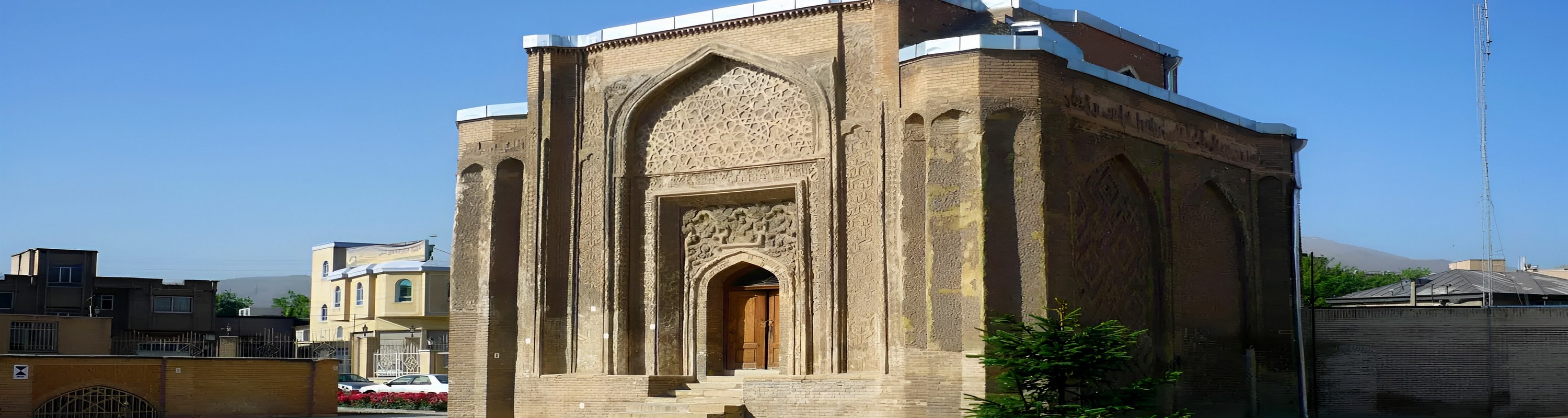
Alaviyan Dome in Hamadan: A Masterpiece of Seljuk-Era Islamic Architecture
- Introduction
- Historical Background
- Location
- Architectural Features
- Cultural and Religious Significance
- Conservation Efforts
- Visiting Information
- Nearby Attractions
- Conclusion
Introduction
The Alaviyan Dome (also known as Gonbad-e Alavian) is one of the most remarkable examples of Islamic architecture from the Seljuk period, located in the ancient city of Hamadan, Iran. With its elegant design, intricate stucco decoration, and historical significance, the dome stands as a testimony to the artistic and religious heritage of the 12th century. It remains a key destination for history enthusiasts, architecture scholars, and cultural tourists alike.
Historical Background
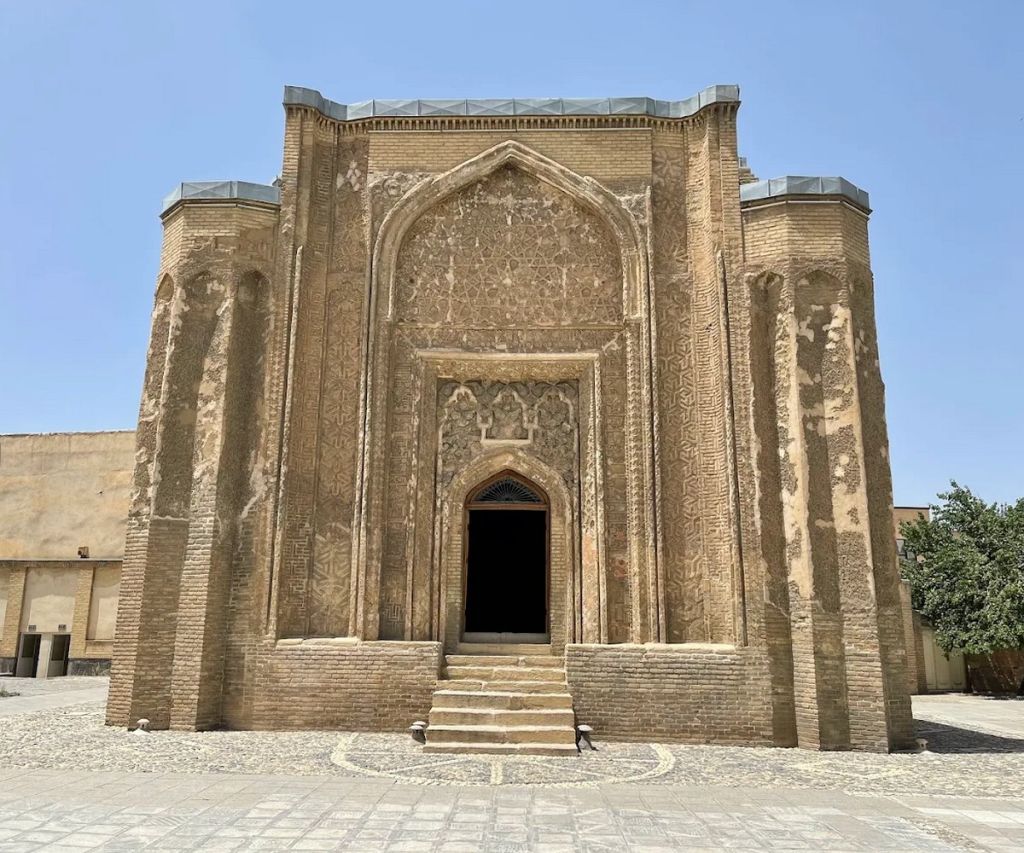
The Alaviyan Dome dates back to the late Seljuk era, most likely the 12th century, and was originally constructed as a family mausoleum for the Alavian family, an influential Shiite group. Over time, the structure served both religious and funerary purposes, reflecting the Islamic customs and architectural developments of its time.
Historical records suggest that the dome may have been converted into a mosque during the later Islamic centuries, though its primary function has always been linked to burial and spiritual commemoration.
Location
The Alaviyan Dome is located in the city center of Hamadan, one of Iran’s oldest cities, which was formerly known as Ecbatana. It is situated near the city’s major attractions, including the Avicenna Mausoleum and the Tomb of Baba Taher, making it a central part of any cultural tour of Hamadan.
Architectural Features
Structure and Design
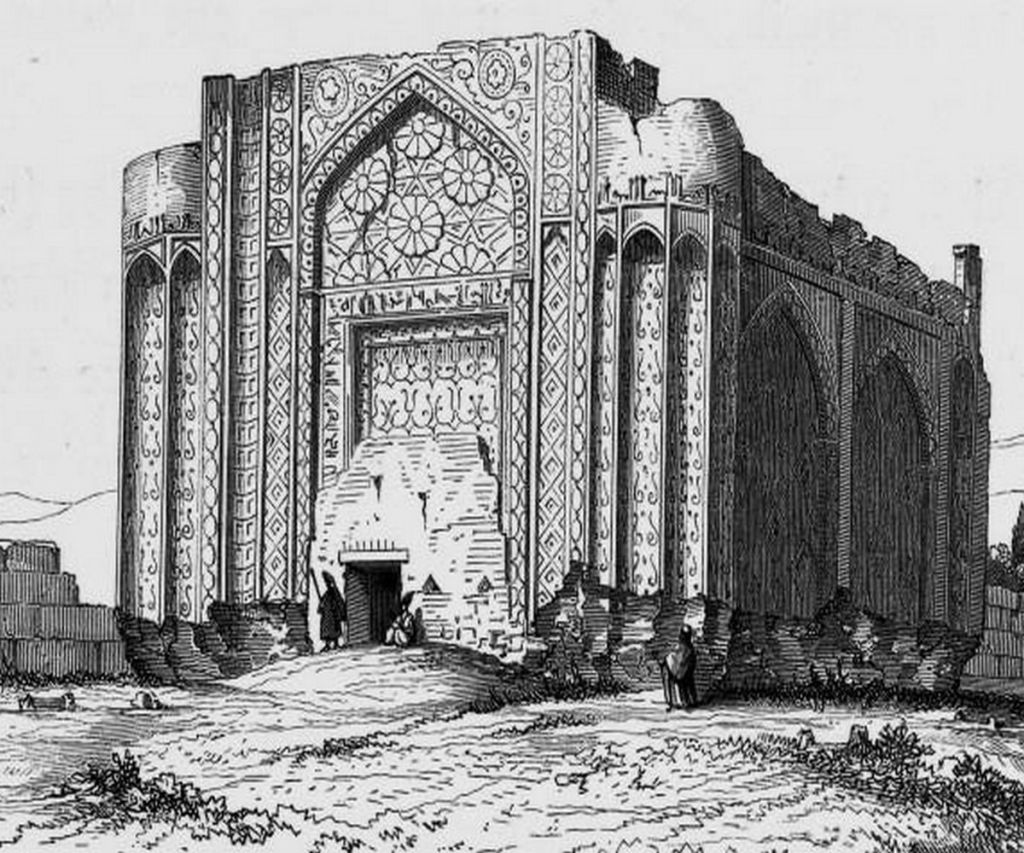
The Alaviyan Dome is a square-shaped brick building crowned with what was once a tall turquoise-tiled dome. Although the original dome has collapsed, the remaining structure is still admired for its powerful form and elaborate ornamentation.
Exterior
-
Plain brickwork forms the core of the structure.
-
Vertical niches and decorative arches enhance the symmetry of the facade.
-
The architecture follows the Seljuk style, characterized by geometric balance and religious symbolism.
Interior
-
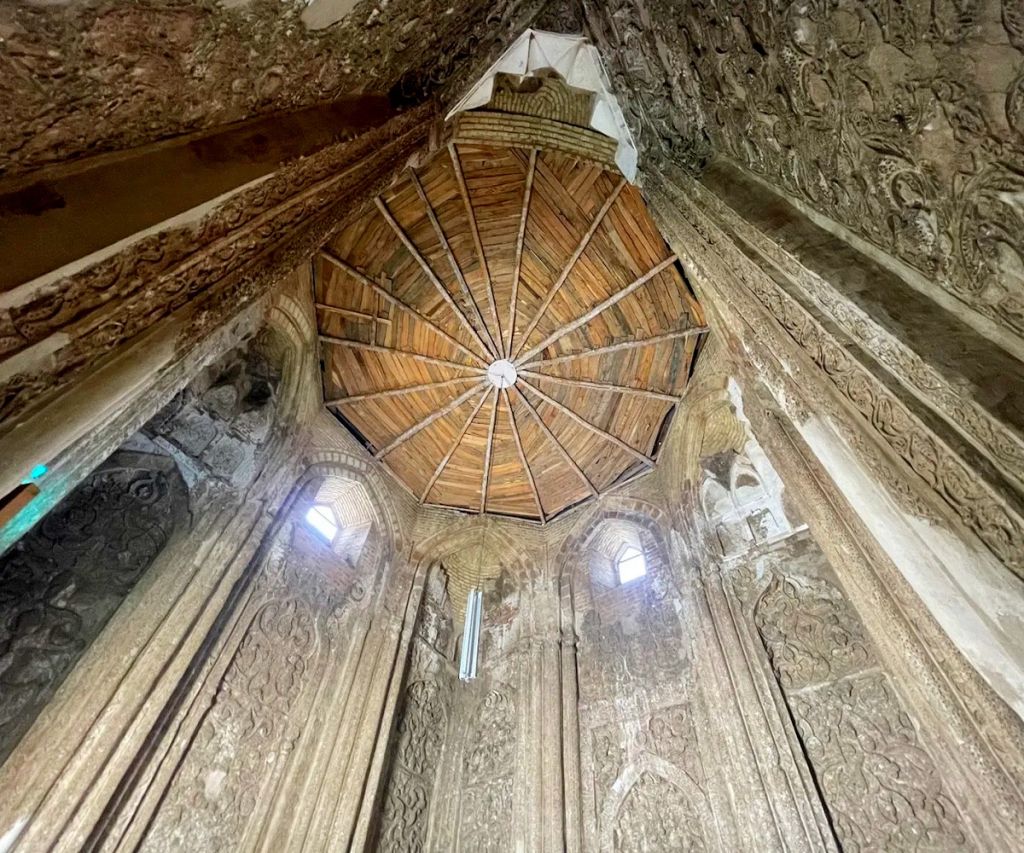
Rich stucco carvings cover the inner walls, with intricate floral and arabesque patterns.
-
Quranic verses and inscriptions are meticulously carved into the walls, representing a fusion of art and spiritual devotion.
-
The mihrab (prayer niche) is considered one of the finest examples of stucco artistry in Iran.
Notable Elements
-
Muqarnas decorations: These stalactite-like features adorn the entrances and corners.
-
Calligraphy panels: Include Kufic and Naskh script styles, integrated into floral designs.
-
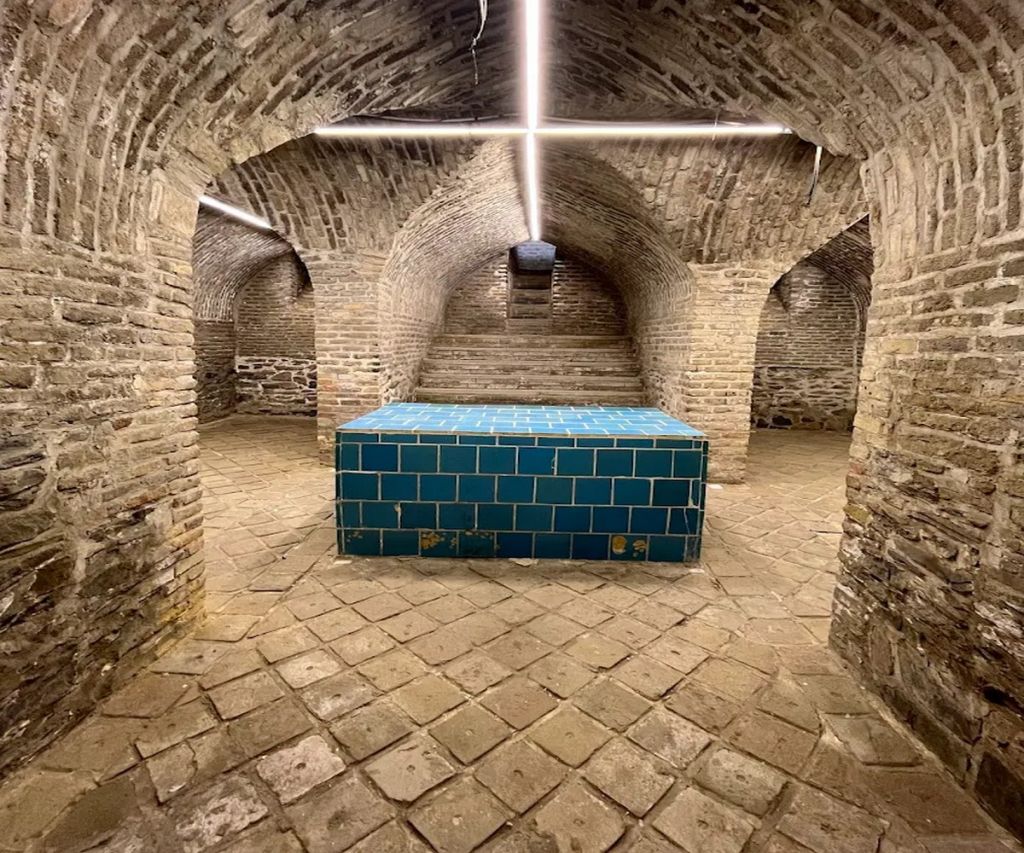
Crypt: The underground chamber contains burial spaces, consistent with its original mausoleum function.
Cultural and Religious Significance
The Alaviyan Dome is more than just an architectural landmark. It reflects the religious and artistic sensibilities of the Shia Muslim community in medieval Iran. The structure represents the transition of Islamic architecture from the simplicity of the early Islamic period to the more ornate and symbolic styles of the Seljuk and later periods.
Today, it is considered a symbol of Iranian-Islamic identity and attracts scholars, architects, and religious visitors interested in understanding the evolution of Islamic funerary art.
Conservation Efforts
Over the years, several restoration projects have been carried out by the Iranian Cultural Heritage Organization to preserve the site. These efforts have focused on:
-
Stabilizing the brick structure.
-
Protecting the remaining stucco decorations.
-
Improving access for visitors while maintaining historical integrity.
Despite losing its dome, the building remains structurally sound and visually impressive.
Visiting Information
Opening Hours:
-
Open daily from 9:00 AM to 5:00 PM.
-
Special hours may apply during national holidays.
Entry Fee
-
Modest entrance fee for international tourists.
-
Discounts for local visitors and students.
Accessibility:
-
Easily reachable from central Hamadan.
-
Located near public transport routes and local markets.
Nearby Attractions
Visitors to the Alaviyan Dome often include other key sites in their itinerary:
Combining historical depth with natural beauty, Hamadan offers a full cultural experience.
Conclusion
The Alaviyan Dome in Hamadan stands as a timeless example of Islamic architectural elegance and spiritual symbolism. Despite the passage of centuries, its intricate stucco designs and solid brick structure continue to capture the imagination of those who visit. Whether you are a history lover, an architecture enthusiast, or a cultural traveler, the Alaviyan Dome offers a unique window into the Islamic and artistic traditions of medieval Iran.






Alaviyan Dome
Visitor Information
- Opening Hours:
- Monday: 09:00 – 19:00
- Tuesday: 09:00 – 19:00
- Wednesday: 09:00 – 19:00
- Thursday: 09:00 – 19:00
- Friday: 09:00 – 19:00
- Saturday: 09:00 – 19:00
- Sunday: 09:00 – 19:00
- Entrance: Paid
- Cash/Credit Card accepted: Cash
- Region: Hamadan Province
- City: Hamadan
- Address: Chaharbagh Alavian Street near Imamzadeh Abdullah Square
- Postal code: 6516653594
- Phone number: +988132523064
- Is open to public visitors: Yes