

Ardabil Anthropology Museum - A Journey Through Time and Tradition
- From Bathhouse to Cultural Beacon
- Architectural Elegance Rooted in History
- Wax Figures and Cultural Artifacts in Ardabil Anthropology Museum
- Surrounded by Historic Splendor
- A Must-Visit for Culture Enthusiasts
From Bathhouse to Cultural Beacon
The Ardabil Anthropology Museum is housed in the historic Aqa Naqi Bathhouse, originally constructed during the Ilkhanid period by Zahir-ol-Eslam. Over the centuries, the bathhouse underwent several renovations, especially during the Qajar era when it was acquired by Aqa Naqi Motmen al-Ro’aya. It served as a public bath until the late 1940s, after which it fell into disuse. In 1998, the Cultural Heritage Organization of Iran purchased and restored the building, transforming it into a museum in 2001. Today, it stands as a tribute to the rich cultural heritage of Ardabil, showcasing the lifestyle and traditions of its people.
Architectural Elegance Rooted in History
The museum retains the original architectural layout of the bathhouse, featuring three main sections: the sarbineh (dressing room), the warm house, and the Chal Hoz (central pool). The sarbineh is particularly striking, with its square shape and high domed ceiling. Visitors enter through an octagonal portico and pass through spaces that once served as hot and cold water pools. These areas now host exhibits, blending the building’s historical function with its modern role as a cultural institution. The preservation of these architectural elements offers a unique glimpse into Iran’s traditional bathhouse design.
Wax Figures and Cultural Artifacts
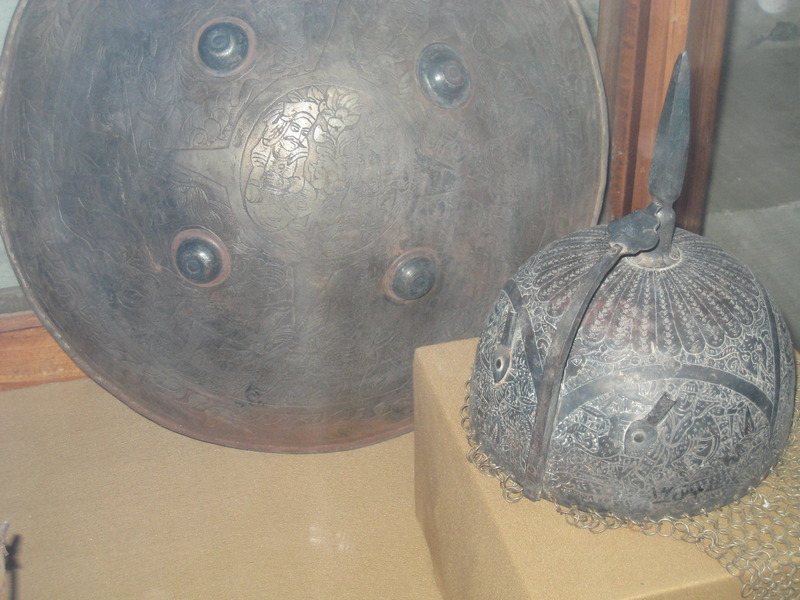
Inside the museum, 33 lifelike statues dressed in traditional Ardabili attire depict scenes from everyday life, including culinary practices, social customs, and occupational roles. These wax figures are complemented by a rich collection of manuscripts, tools, and household items that reflect the region’s historical identity. The museum’s immersive displays allow visitors to experience the rhythms of life in Ardabil across generations, making it a compelling stop for anyone interested in anthropology and ethnography.
Surrounded by Historic Splendor
Located in Ali Qapu Square, one of Ardabil’s most historic areas, the museum is surrounded by architectural and cultural landmarks. Directly opposite is the Sheikh Safi al-Din Khānegāh and Shrine Ensemble, a UNESCO World Heritage site renowned for its intricate tilework and spiritual significance. Visitors can also explore the Ardabil Bazaar, a vibrant marketplace filled with local crafts and delicacies, or take a short trip to Shourabil Lake and Mount Sabalan for natural beauty and outdoor adventure.
A Must-Visit for Culture Enthusiasts
The Ardabil Anthropology Museum offers more than just a look into the past — it’s a living narrative of the region’s soul. Its blend of historical architecture, detailed exhibits, and proximity to other cultural treasures makes it a cornerstone of any visit to Ardabil. Whether you're a history buff, an architecture lover, or simply curious about Iranian traditions, this museum provides a rich, engaging experience that connects you to the heart of Ardabil’s heritage.
I want to visit
Anthropology Museum






Anthropology Museum
Visitor Information
- Opening Hours:
- Monday: 09:00 – 20:00
- Tuesday: 09:00 – 20:00
- Wednesday: 09:00 – 20:00
- Thursday: 09:00 – 20:00
- Friday: 09:00 – 20:00
- Saturday: 09:00 – 20:00
- Sunday: 09:00 – 20:00
- Entrance: Paid
- Cash/Credit Card accepted: Cash
- City: Ardabil
- Address: Ardabil, Ali Qapu Square, beginning of Saadi Street, near the Ardabil Handicrafts Museum
- Postal code: 5613951851
- Phone number: +984533234050