
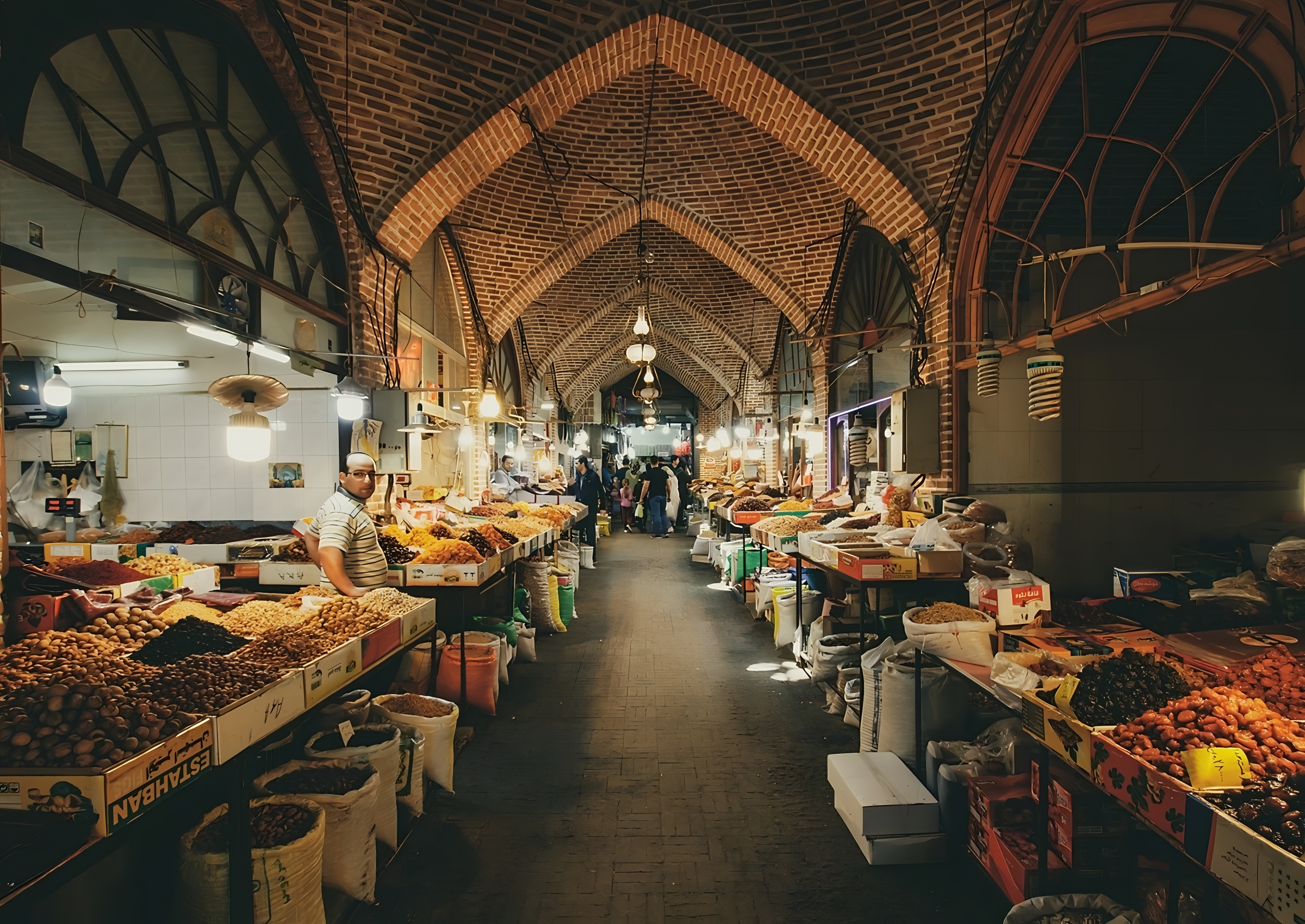
Bazaar of Ardabil - A Timeless Jewel in Iran’s Northwest
- A Market Rooted in Centuries of History
- Architectural Elegance and Traditional Design
- A Sensory Feast for Visitors
- Nearby Attractions: A Cultural Tapestry
- Tips for the Curious Traveler to Ardabil Bazaar
A Market Rooted in Centuries of History
Ardabil Bazaar is one of Iran’s oldest and most storied marketplaces, with origins tracing back to the 7th and 8th centuries AH. Historical accounts from geographers like Moqaddasi and Istakhri in the 4th century AH describe the bazaar as a cruciform structure with a mosque at its center. Its significance grew during the Safavid dynasty (16th–18th centuries), when Ardabil became a religious and political hub. The bazaar flourished under Shah Tahmasp I, hosting specialized sections for grocers, textile vendors, butchers, and artisans. It was later renovated during the Zand dynasty, preserving its historical essence while adapting to evolving needs.
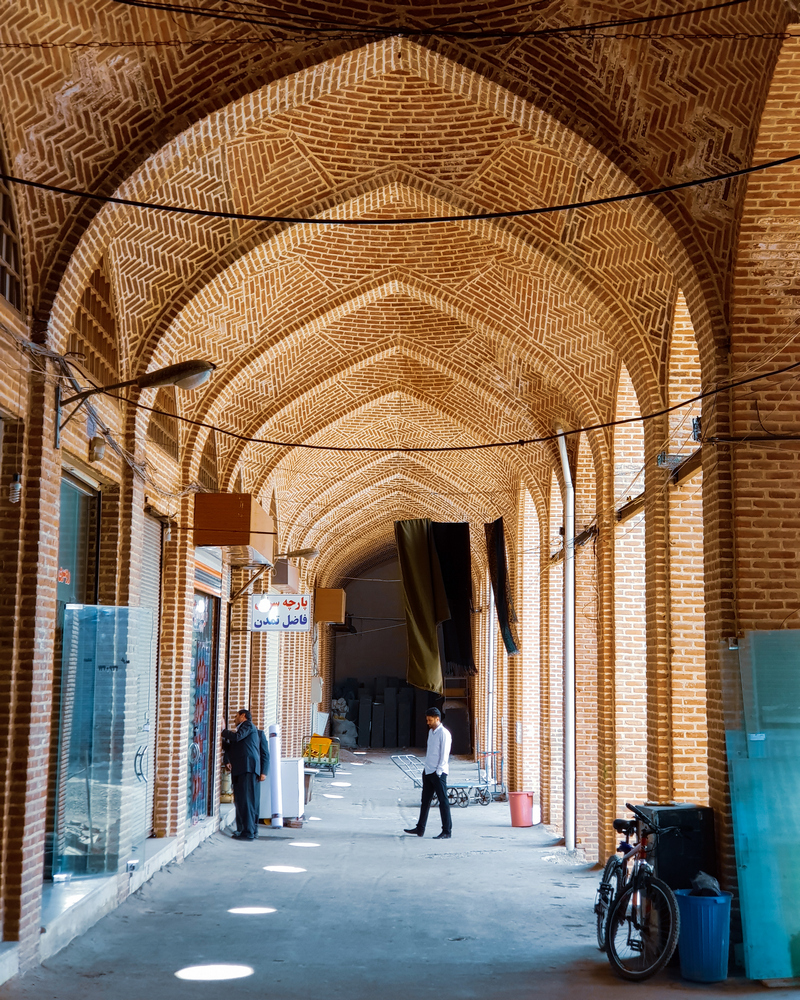
Architectural Elegance and Traditional Design
The architecture of Ardabil Bazaar is a captivating blend of traditional Iranian design and functional urban planning. Its cruciform layout, domed ceilings, and interconnected caravanserais and Timchehs reflect the ingenuity of Safavid-era construction. The Qeysarieh Market, one of its most prominent sections, showcases intricate brickwork and vaulted corridors. Many of the shops, bathhouses, and inns within the bazaar were endowed to the Sheikh Safi-ad-din Ardabili shrine, with their revenues supporting charitable activities and shrine maintenance.
A Sensory Feast for Visitors
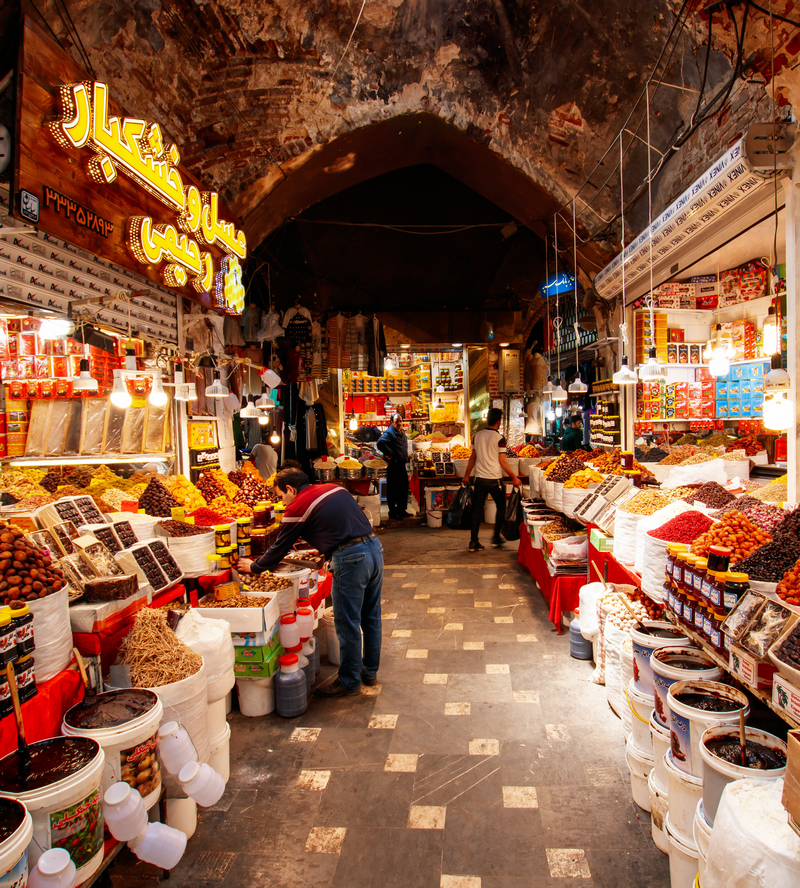
Walking through Ardabil Bazaar is a vibrant experience. The market pulses with life as vendors offer everything from aromatic spices and handmade carpets to traditional sweets and copperware. The atmosphere is rich with the scent of saffron and the sound of friendly bargaining. It’s not just a place to shop — it’s a cultural immersion. Visitors can witness local craftsmanship, taste regional delicacies, and engage with the warm-hearted people of Ardabil, making it a must-visit for anyone seeking authenticity.
Nearby Attractions: A Cultural Tapestry
Just a short walk from the bazaar lies the Sheikh Safi al-Din Khanegah and Shrine Ensemble, a UNESCO World Heritage site. This architectural masterpiece houses the tomb of Sheikh Safi-ad-din Ardabili, the spiritual forefather of the Safavid dynasty. The complex includes a mosque, library, and museum, offering deep insight into Iran’s religious and artistic heritage. Other nearby attractions include the Jameh Mosque, Shorabil Lake, and the Sarein Hot Springs, each adding a unique layer to the Ardabil experience.
Tips for the Curious Traveler
To make the most of your visit, plan to explore the bazaar in the morning when it’s most lively. Wear comfortable shoes, as the market spans several blocks along Imam Khomeini Street. Don’t miss the chance to buy a souvenir — whether it’s a handwoven rug or a jar of local honey. And be sure to engage with the shopkeepers; many are eager to share stories about the bazaar’s history and their own family traditions. Ardabil Bazaar isn’t just a destination — it’s a journey through time, culture, and community.
I want to visit
Ardabil Bazaar






Ardabil Bazaar
Visitor Information
- Opening Hours:
- Monday: 10:00 – 21:00
- Tuesday: 10:00 – 21:00
- Wednesday: 10:00 – 21:00
- Thursday: 10:00 – 21:00
- Friday: 10:00 – 18:00
- Saturday: 10:00 – 21:00
- Sunday: 10:00 – 21:00
- Entrance: For free
- City: Ardabil
- Address: Ardabil, Imam Khomeini Street, between Rasteh Bazaar and Ayatollah Taleghan Street
- Postal code: 5613951851
- Phone number: +984533234050