
Gur-e Dokhtar Tomb of Atossa - A Silent Monument to Persia’s Royal Past
- Echoes of Antiquity: Historical Significance
- Crafted in Stone: Design and Symbolism
- Architectural Kinship: Achaemenid Influence
- Planning Your Journey: Travel Tips
Echoes of Antiquity: Historical Significance
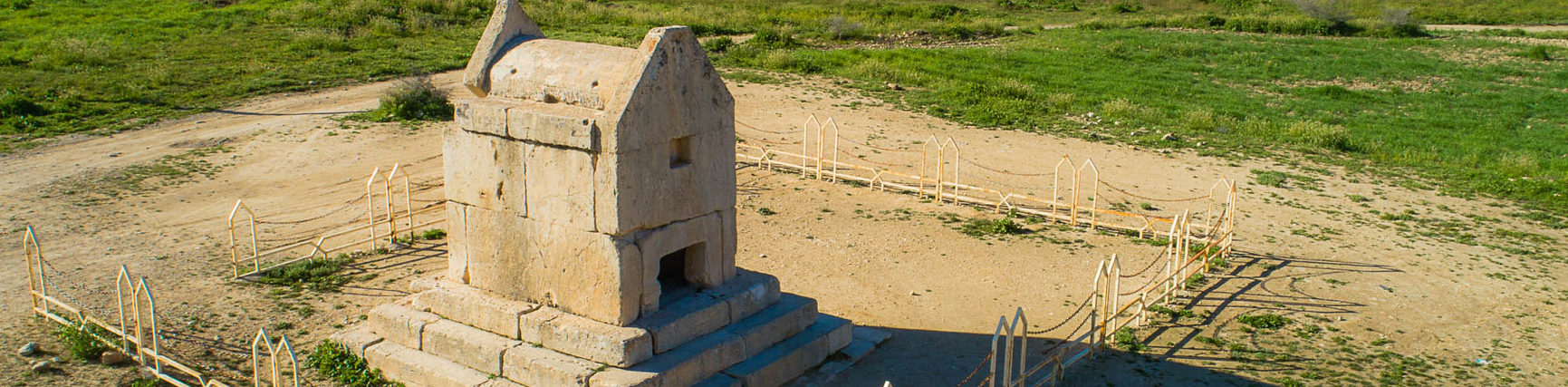
Gur-e Dokhtar, meaning “Tomb of the Daughter,” is a mysterious ancient burial site located near Borazjan in Bushehr Province, Iran. Dating back to the 6th century BCE, this tomb is believed to belong to a member of the Achaemenid royal family. While its exact occupant remains uncertain, scholars speculate it could be Atossa, daughter of Cyrus the Great, or Mandana, his mother. Its resemblance to the grand tomb of Cyrus in Pasargadae suggests a royal connection, making it a compelling site for history enthusiasts and curious travelers alike.
Crafted in Stone: Design and Symbolism
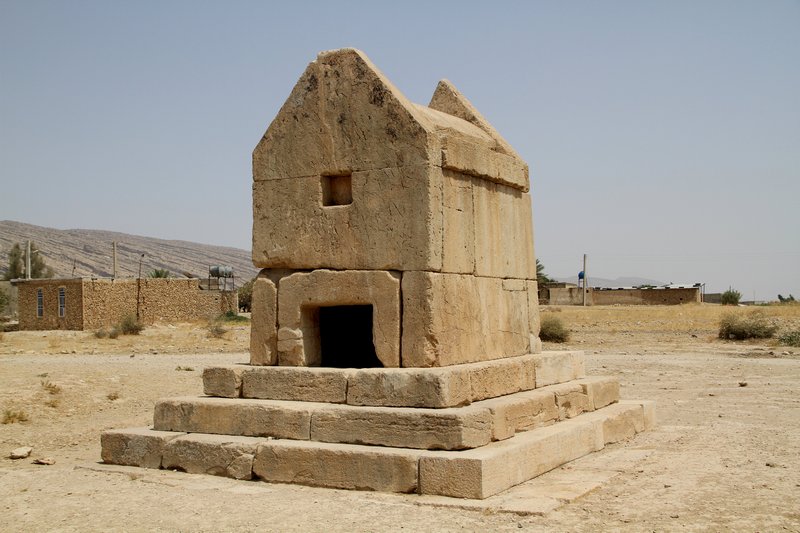
The tomb’s design is modest yet evocative, constructed from 24 interlocking stone slabs without the use of mortar. Its stepped base leads to a small chamber with a sloping roof made of carefully placed boulders. A hollow half-cylinder stone crowns the roof, possibly once used to hold a decorative or symbolic element. The entrance, framed by a carved indentation, may have once held inscriptions that are now lost to time. This minimalist design reflects early Achaemenid architectural principles, emphasizing durability and sacred geometry.
Architectural Kinship: Achaemenid Influence
Gur-e Dokhtar’s architecture mirrors that of Cyrus the Great’s tomb, though it is smaller and less refined. The structure features triangular gables and a compact chamber, suggesting it predates the more elaborate royal mausoleums of later Achaemenid kings. Its rougher stonework and simpler layout hint at an earlier phase of Persian monumental architecture, possibly serving as a prototype for future royal tombs. The use of iron clamps and precise stone fitting showcases the ingenuity of ancient Persian builders.
Planning Your Journey: Travel Tips
Reaching Gur-e Dokhtar requires a drive through rural roads, approximately 130 km north of Bushehr city. The best time to visit is during autumn and winter, when the climate is cooler and more comfortable. While the site lacks modern tourist facilities, its solitude and authenticity offer a rare opportunity to connect with Iran’s ancient past. Visitors are encouraged to bring water, wear sun protection, and consider hiring a local guide to enrich their experience with historical context and regional insights.
I want to visit
Gur-e Dokhtar Tomb of Atossa






Gur-e Dokhtar Tomb of Atossa
Visitor Information
- Opening Hours:
- Monday: 05:00 – 12:00
- Tuesday: 05:00 – 12:00
- Wednesday: 05:00 – 12:00
- Thursday: 05:00 – 12:00
- Friday: 05:00 – 12:00
- Saturday: 05:00 – 12:00
- Sunday: 05:00 – 12:00
- Entrance: For free
- Region: Bushehr Province
- City: Borazjan
- Address: Dashtestan County, Tang Eram
- Postal code: 7518787371
- Phone number: +987733327280
- Is open to public visitors: Yes