
Bampur Castle - The Glorious Fortress of Balochistan
- The Glorious Fortress of Balochistan
- History of Bampour Castle
- Architecture of Bampour Castle
- Sightseeing near Bampour Castle
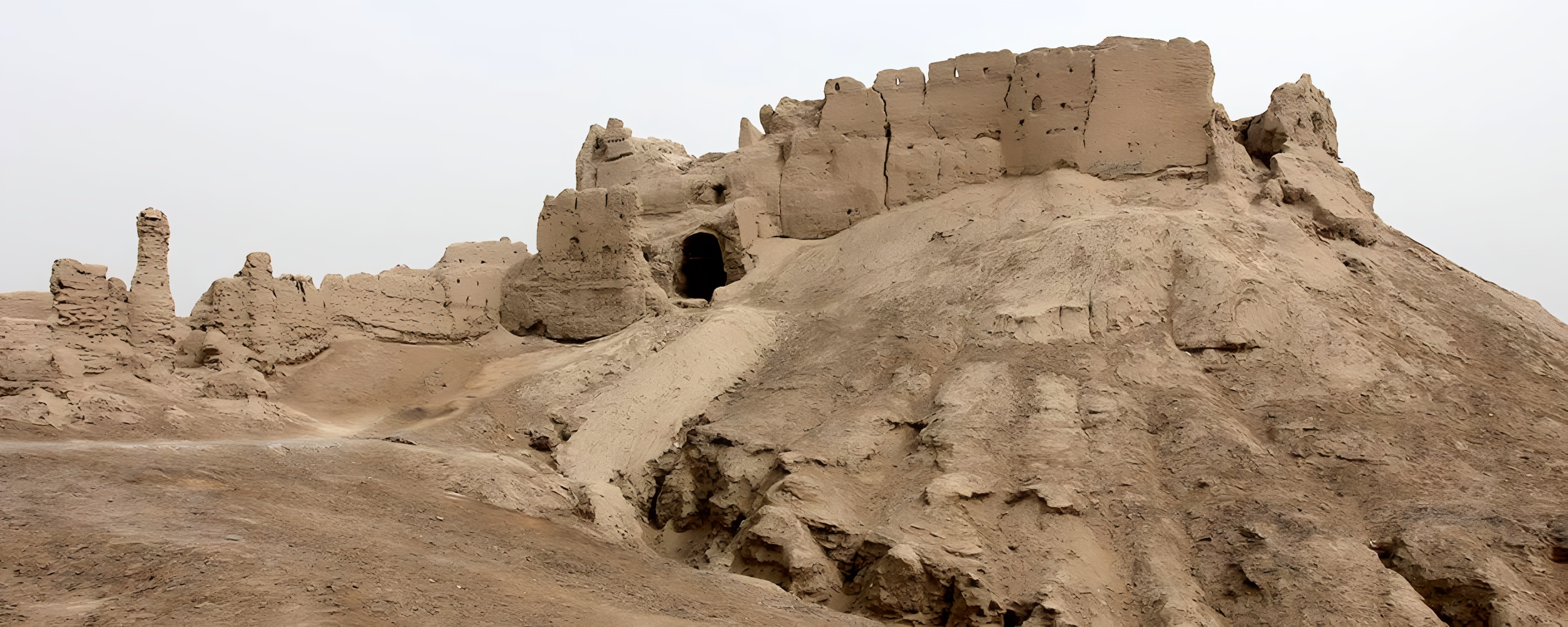
Today we are heading to Sistan and Balochistan, the ancient land of Iran that has preserved a collection of material, spiritual and historical monuments of this land from the most distant times to the present day. We are heading to Bampour, a 2000-year-old city that is still standing strong despite the wars and natural disasters it has experienced. In this city, we will visit the ancient Bampour Castle, a castle that is the identity and existence of the Balochistan region. Bampour Castle, which dates back to the Sassanid and Parthian periods and is located 400 kilometers south of Zahedan, west of Iranshahr, is one of the famous fortresses of Balochistan, which in the past was considered a fortified castle for the residence of rulers, defense of the city and other purposes. A fortress with solidity that is still standing despite the damage and wounds it has suffered. National Registration: This castle was registered on May 1, 1966, with number 559 in the National Heritage List of Iran.
History of Bampour Castle
Pre-Islam
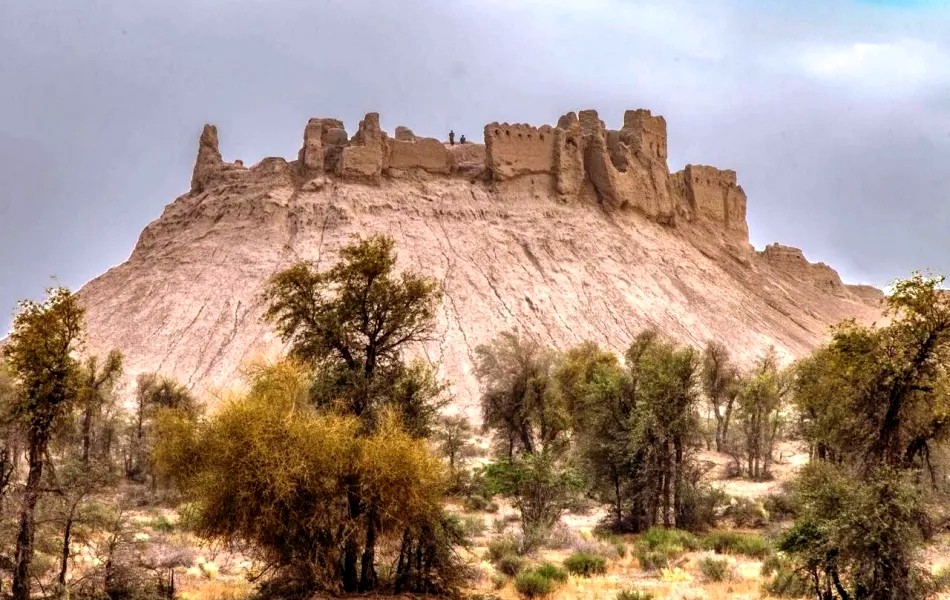
Based on the studies of the English paleontologist Beatrice Ducardi, by examining the slope of the hill under the castle, its age has been estimated to be in the early history period. In ancient excavations, according to the objects and vessels found from this hill, it can be proven that the early civilization of western Baluchistan was in this area. This civilization was an intermediary between the western civilizations of Iran and the ancient Indus civilization of Pakistan. According to this paleontologist, the pottery found in Bampour dates back to 2700 BC; these works show that the greenery and prosperity of this place was a result of gradual drying. The similarity of the Bampour Castle with the Sassanid period structures located in the Kerman region, such as Qala Dokhtar and Qala Bam, can take the early history of this castle back to the Sassanid period. The first season of excavations was carried out in 2017 and the second season in 2018. Bampur is the oldest ancient site in Balochistan. According to legend, the name was derived from the name Bahman, son of Esfandiar, which was originally Bahmanpur and has changed over time. However, written works and theories of ancient experts show that this name was derived from the previous name of the city, Ban Pahl, meaning the last city, and changed to Bampur over time. This castle was also considered the center of the government of Kerman and Balochistan for a very long time. Bampur Castle is one of the most important military castles in Asia, located 24 kilometers west of Iranshahr and northwest of Bampur city on an artificial hill and its height reaches 80 meters. This strategic location allowed the rulers to have a wide view of the surroundings and neutralize enemy attacks. In addition to its strategic location, the location of Bampur Castle, 2 kilometers from the river, was another advantage.
Islamic Era
About the construction of this castle, locals believe that Nader Shah Afshar ordered the construction of this building to Nasir Khan Brahui, archaeologists consider it to belong to the Seljuk kings and the Sassanid and Parthian eras. According to the theory of a European traveler who traveled to the Balochistan region in 1810, he recounted the construction of this castle based on legend and folk tale as follows: When a huge army commander passed through this road, he ordered his riders to fill the horse troughs with dirt and mud and pile them on top of each other. The large number of riders caused a hill to form after the accumulation of dirt. Although this may be a bit of an exaggeration, a review of the geographical dimensions of the hill shows that the dirt of this hill was brought to the construction site of the castle from other areas. Locals consider the date of construction of this hill to be the era of Prophet Solomon. This castle, which had military use, was used even until the modern era and some people lived in it, but after that, part of the castle was destroyed in some conflicts and then closed. This castle was used during the Seljuk rule. Bampur Castle suffered a lot of damage during the Qajar era. In 1257 AH, with the rebellion of Aga Khan Mahallati and the support of Mohammad Ali Khan (the ruler of Bampur), Habibullah Khan Shahsoon (the commander of the Qajar army artillery) attacked this castle, which caused serious damage to the castle; but it was not completely destroyed. After that, in 1307 AH, a military force led by Brigadier General Amanullah Khan Jahanbani bombarded the castle and destroyed this historical castle. Thus, the heart of Balochistan stopped beating after centuries of power due to cannon and mortar fire, and the political center of Balochistan was moved from Bampur to Fahra (Iranshahr). What you see from this castle today is the remnants of these threats and damage.
Architecture of Bampour Castle
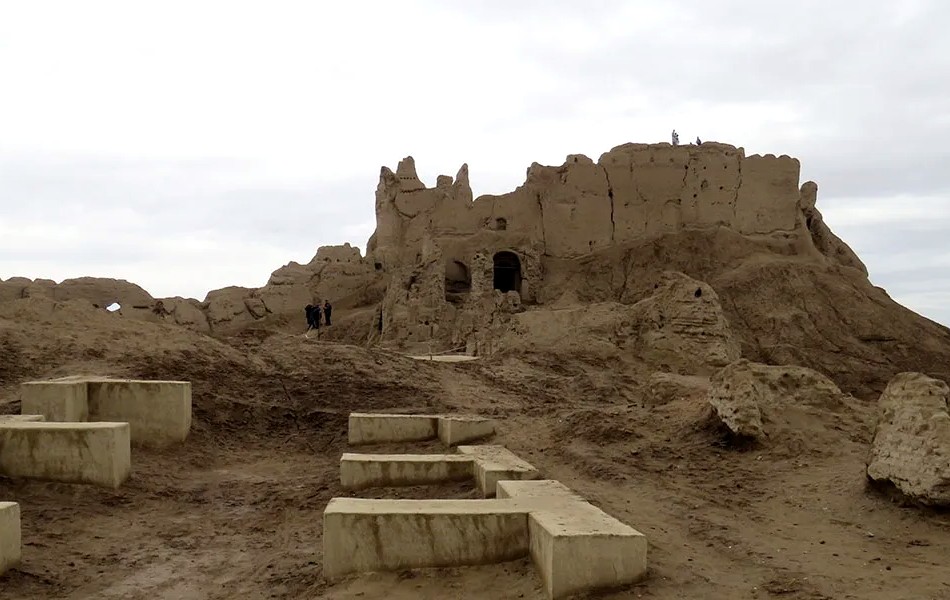
As mentioned earlier, this castle is located on an artificial hill and its height reaches 80 meters. Raw brick and clay were used in the construction of this building and it has three end, middle and upper parts. The end part of the castle consists of the main walls, entrance and exit doors, several towers and ramparts to protect the castle. The middle part was the place of residential houses, towers and ramparts. The upper part was for the commanders and rulers of the castle and was also considered the watchtower section. The eastern wall of the castle is located below the entrance door and several towers are located around it. There were also horse stables and an underground passage for escape during a siege. The eastern and western walls of the castle are far apart and are closer to each other on the south side. The southern side is the smallest side of the castle. These walls had a cylindrical tower on each side, numbering up to 10, and were located on the largest artillery tower. Currently, only two watchtowers, each 2 meters high, remain.
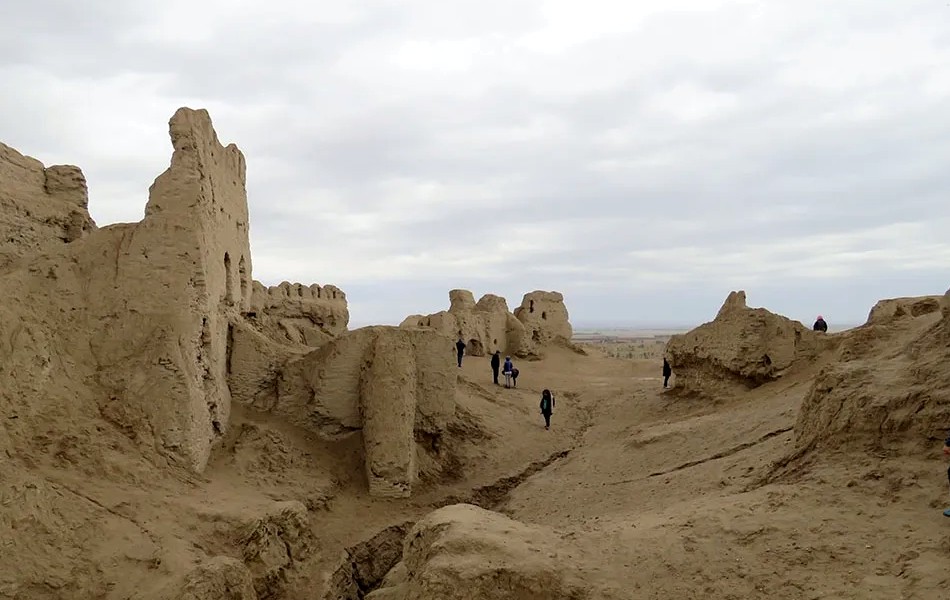
The castle is built in two parts, which differ in height and are divided into two parts
Public part
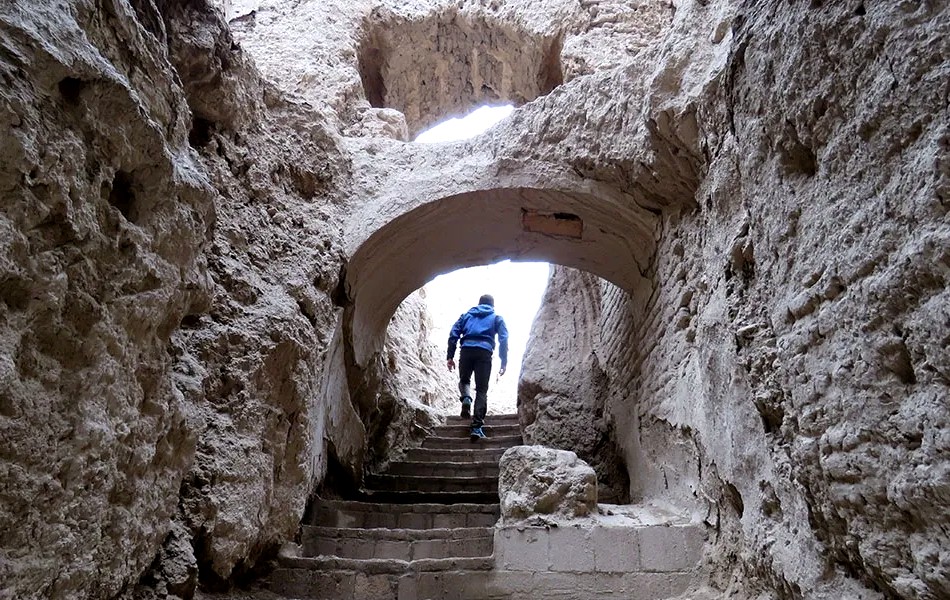
The lower courtyard, located on the eastern side, is surrounded by several towers and is the location of the entrance door. There are several rooms next to the entrance door. Inside the lower courtyard is an underground area with a well-like opening. This well was connected to the outside and was used in times of need. In the past, the inside of the well was paved and was used as a secret passage for troops during a siege. Currently, this path is blocked due to the movement of quicksand and the passage of time, but the well is still in the area.
The ruler's part
The upper part of the castle was the citadel and the place where the ruler, commanders and close associates lived, and it is higher than the lower courtyard. This was the observation section that had complete control over the surroundings. The walls and towers had holes from which they could fire at the enemy.
Sightseeing near Bampour Castle:
you can visit the Makki Grand Mosque, located 5.2 Km from Bampour castle.
I want to visit
Bampour Castle






Bampour Castle
Visitor Information
- Opening Hours:
- Monday: 07:00 – 18:00
- Monday: 07:00 – 18:00
- Monday: 07:00 – 18:00
- Monday: 07:00 – 18:00
- Monday: 07:00 – 18:00
- Monday: 07:00 – 18:00
- Monday: 07:00 – 18:00
- Entrance: For free
- City: Bampour
- Address: 24 km west of Iranshahr, Makran region, one km north of Bempoo city
- Postal code: 98135/719
- Phone number: +985433239645