
Bisotun - Darius’s Multilingual Legacy Carved into the Cliffs of Empire
- Introducing Darius's grreat legacy
- The craftsmanship and engineering prowess
- What Bistoon Inscription represents
- Bistoon Inscription as a UNESCO World Heritage Site
Introducing Darius's grreat legacy
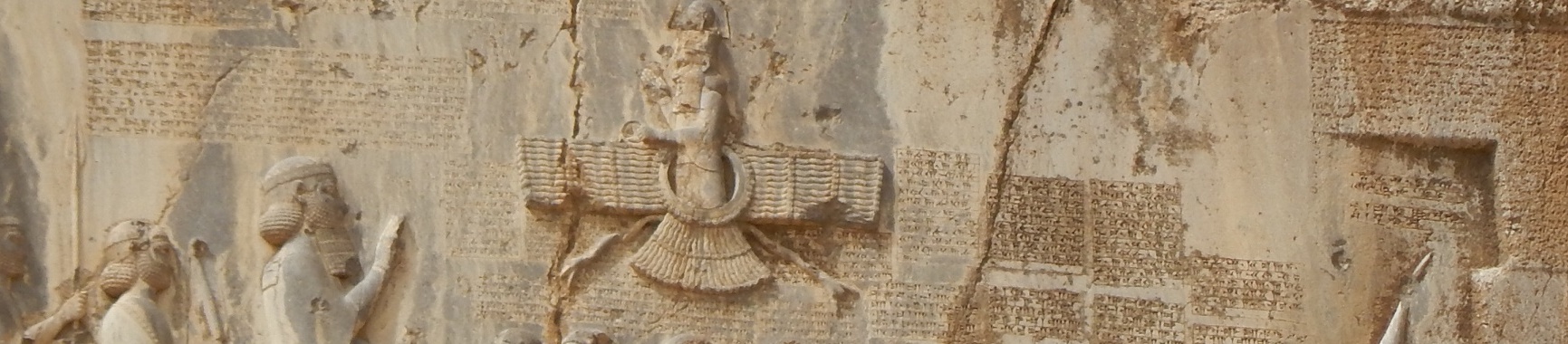
Nestled along the ancient route connecting Mesopotamia and the Iranian Plateau, the Bistoon Inscription — also known as the Behistun Inscription — is a breathtaking historical marvel that draws travelers, scholars, and adventurers alike. Towering above the landscape on a limestone cliff in Iran’s Kermanshah Province, this monumental relief was carved by order of Darius the Great in 521 BCE. It serves as a visual proclamation of his rise to power, depicted in striking detail through figures, symbols, and cuneiform text in Old Persian, Elamite, and Babylonian.
The craftsmanship and engineering prowess
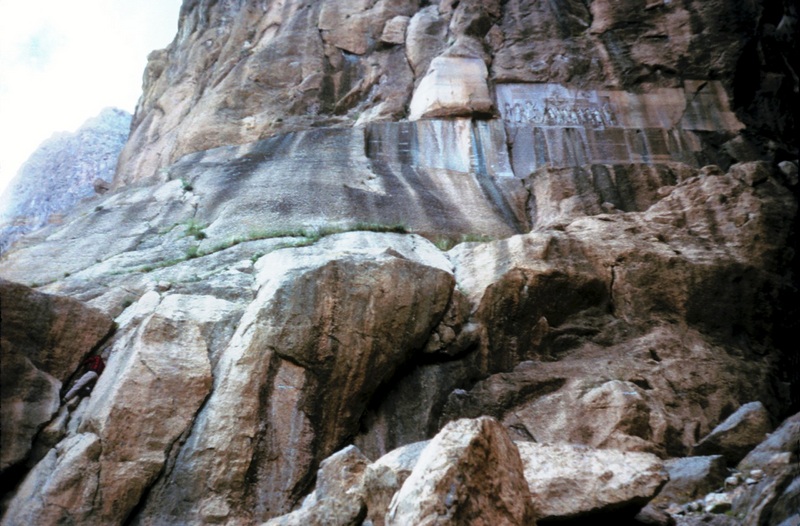
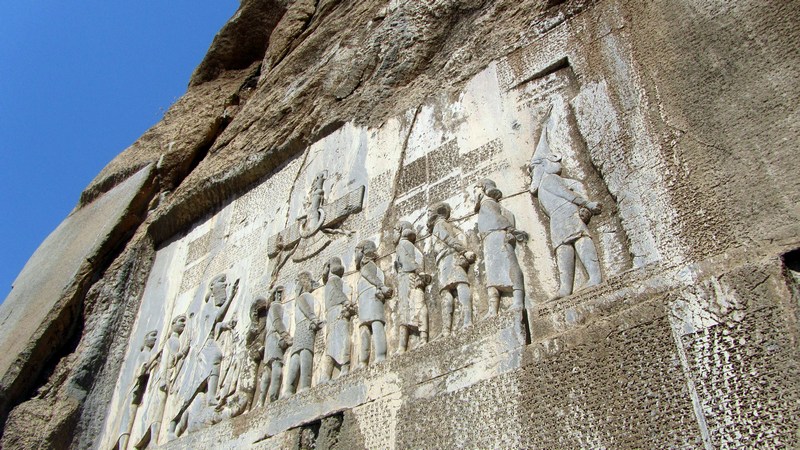
The artistry and architectural strategy behind the Bistoon Inscription are just as impressive as its historical significance. Positioned nearly 100 meters up the cliff face, the location itself was chosen to ensure visibility to passing caravans on the ancient Silk Road. The design showcases Darius stepping on a defeated rival while divine symbols float above, bestowing legitimacy. Iron pins and lead were used to attach intricate features like his beard — a testament to the craftsmanship and engineering prowess of Achaemenid artisans.
What Bistoon Inscription represents
The Bistoon Inscription is more than a royal boast — it’s a detailed chronicle of political upheaval and divine justification. Darius the Great used the inscription to narrate how he overcame multiple rebellions across the Persian Empire following the death of Cambyses II. In just one year, he fought nineteen battles to suppress impostors who falsely claimed the throne. Each rebel is depicted in the relief, bound and humbled before the king, while the supreme God Ahura Mazda hovers above, symbolizing divine approval. This visual and textual storytelling was designed to cement Darius’s legitimacy and portray him as the rightful ruler chosen by the gods.
Historically, the inscription played a pivotal role in modern scholarship. Its trilingual format — Old Persian, Elamite, and Babylonian — allowed linguists like Sir Henry Rawlinson in the 19th century to crack the code of cuneiform writing, much like the Rosetta Stone did for Egyptian hieroglyphs3. The site itself, carved high into a cliff along an ancient trade route, was inaccessible for centuries, adding to its mystique. Today, it stands not only as a testament to ancient propaganda but also as a cornerstone in the study of ancient Near Eastern languages and imperial history.
Bistoon Inscription as a UNESCO World Heritage Site
Recognized by UNESCO in 2006, the Bistoon site is listed as a World Heritage Site for its cultural value, historical depth, and pivotal role in deciphering ancient languages. Often likened to the Rosetta Stone, the inscription was central to unlocking the secrets of cuneiform script, allowing historians to understand a vast swath of ancient Near Eastern history. Its preservation and international acclaim continue to make it a vital destination for history enthusiasts and cultural travelers.

For travelers seeking a blend of archaeological intrigue and natural splendor, Bistoon is a captivating destination. Whether you're drawn by its ties to ancient Persia, the impressive feats of rock-carved storytelling, or the scenic landscapes of western Iran, this UNESCO-listed site promises a journey both enriching and awe-inspiring. Be sure to wear good hiking shoes, bring binoculars, and prepare for a memorable encounter with history carved into stone.
I want to visit
Bistoon Inscription






Bistoon Inscription
Visitor Information
- Opening Hours:
- Monday: 08:00 – 20:00
- Tuesday: 08:00 – 20:00
- Wednesday: 08:00 – 20:00
- Thursday: 08:00 – 20:00
- Friday: 08:00 – 20:00
- Saturday: 08:00 – 20:00
- Sunday: 08:00 – 20:00
- Entrance: Paid
- Cash/Credit Card accepted: Cash
- Region: Kermanshah Province
- City: Kermanshah
- Address: Kermanshah, Beeston City, Beeston Historical Site
- Postal code: 6718997551
- Phone number: +988345883814
- Is open to public visitors: Yes