
Tabriz Blue Mosque — Iran's Turquoise Testament to Time, Art, and Empire
- Born of Devotion, Built for Eternity
- A Mosaic of Majesty
- Earthquakes, Empires, and Endurance
- Why It Still Captivates
- Places you can visit near Tabriz Blue Mosque
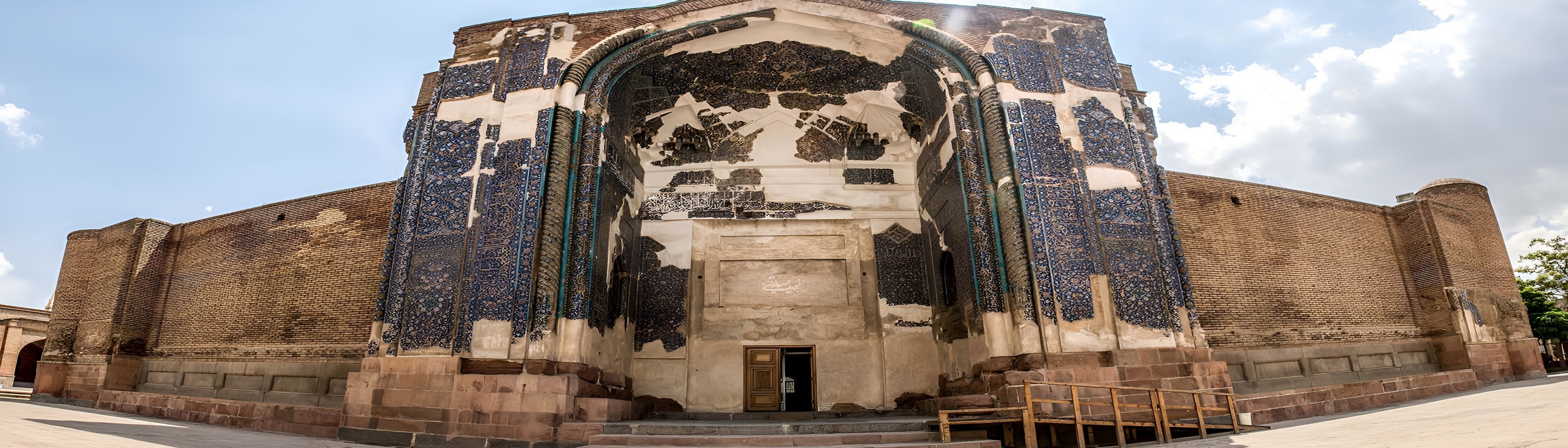
In the heart of Tabriz, where the echoes of Silk Road caravans still linger in the air, stands a monument that once shimmered like a sapphire under the desert sun: the Blue Mosque, or Masjed-e Kabud. Though time and tremors have weathered its walls, the soul of this 15th-century masterpiece still pulses with the artistry and ambition of a bygone empire.
Born of Devotion, Built for Eternity
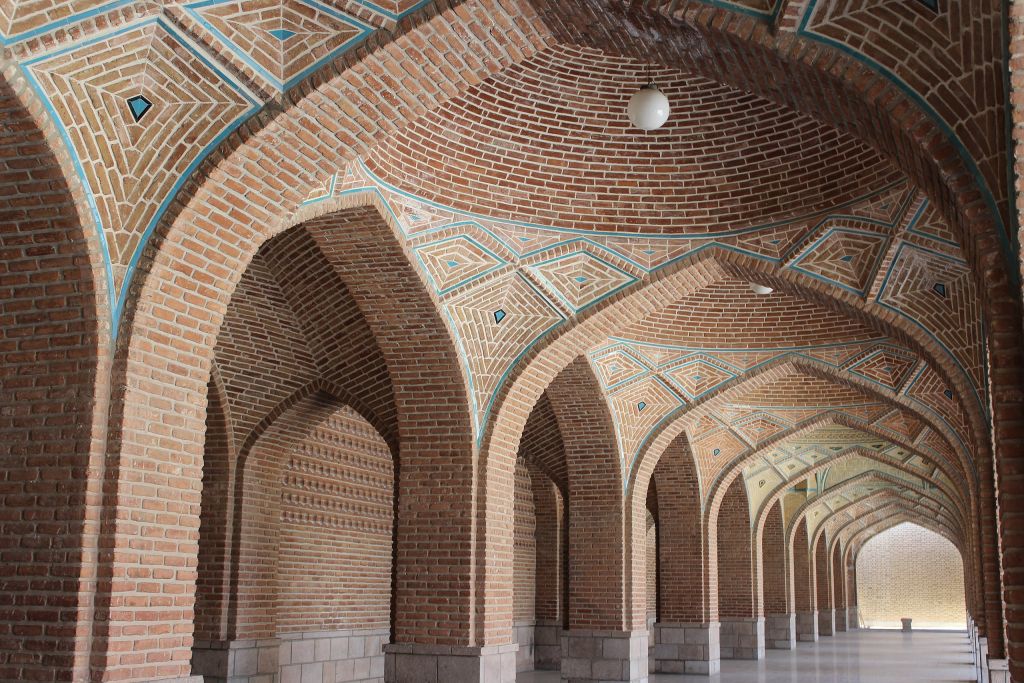
Commissioned in 1465 CE by Jahan Shah, ruler of the Qara Qoyunlu dynasty, the mosque was part of a grand complex known as Mozaffariya, funded by his wife Khatun Jan Begum. It wasn't just a place of worship—it was a statement. A declaration of faith, power, and cultural sophistication.
The complex once included a Sufi convent, bathhouses, gardens, and a mausoleum—a city within a city. Though much of it has vanished, the mosque and parts of the mausoleum remain, whispering stories of royal patronage and spiritual yearning.
A Mosaic of Majesty
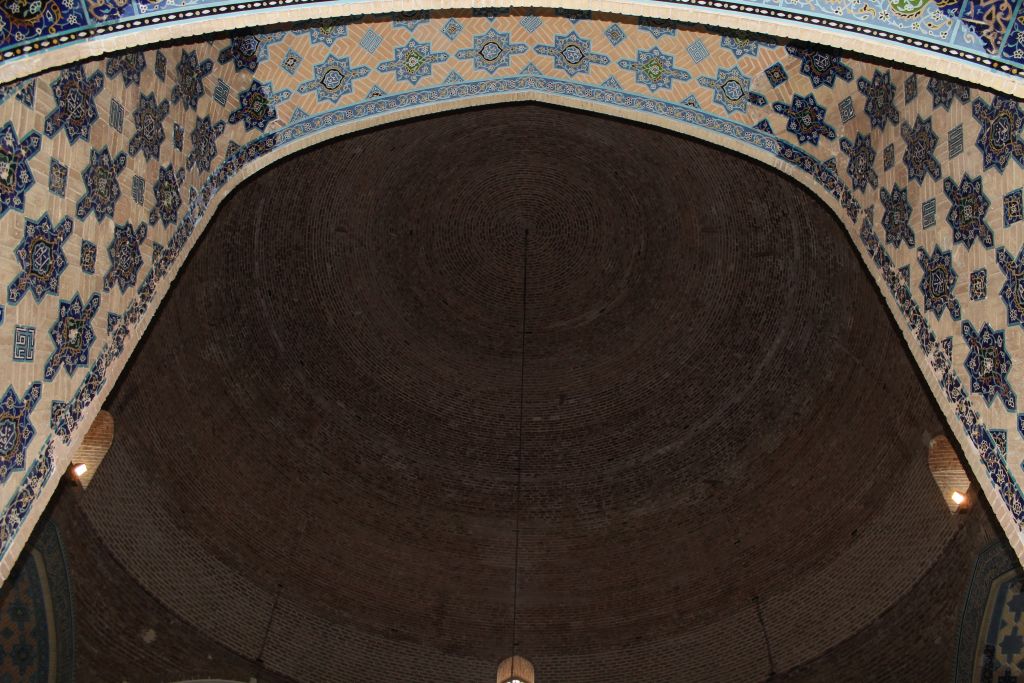
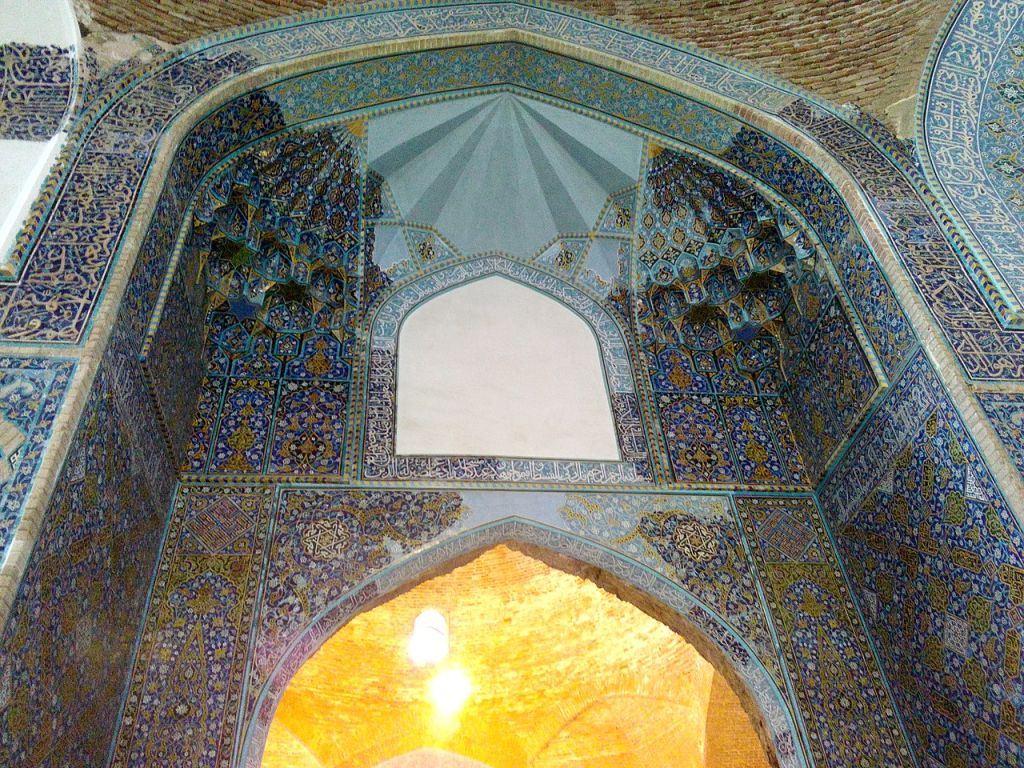
What earned the Blue Mosque its name—and its fame—was its tilework. Not just any tiles, but a dazzling array of cobalt blue, turquoise, gold, and white, arranged in intricate arabesques, calligraphy, and geometric patterns. • Hexagonal cobalt tiles with gilded stenciling once adorned the dome chamber • Alabaster mihrabs and dado panels glowed with a warm red light, as described by 17th-century travelers • Muqarnas vaults, Thuluth and Kufic inscriptions, and seven-color mosaics elevated the mosque to a realm of visual poetry Even today, fragments of these tiles evoke awe, hinting at the mosque's former glory—a glory that rivaled the finest Timurid and Ottoman creations.
Earthquakes, Empires, and Endurance
The mosque's journey hasn't been easy. • Ottoman looting in 1514 stripped it of carpets and treasures • Earthquakes in the 16th to 18th centuries reduced it to ruins • By the 19th century, locals had begun salvaging its stones for other buildings But in 1973, a restoration effort led by Reza Memaran Benam began piecing it back together. Though incomplete, the reconstruction revived its silhouette and spirit, allowing visitors to once again walk its sacred halls.
Why It Still Captivates
Architectural Fusion
A rare blend of Iranian, Timurid, and Ottoman styles, with a unique T-shaped floor plan
Cultural crossroads
Located near Tabriz's Grand Bazaar, it was a hub of intercultural exchange along the Silk Road
Spiritual resonance
Even in partial ruin, the mosque radiates a sense of tranquility and reverence
Photogenic beauty
The interplay of light on blue tiles creates a mesmerizing visual experience
Places you can visit near Tabriz Blue Mosque
You can also visit Azarbaijan museum as it is near the Blue Mosque in Tabriz.
I want to visit
Tabriz Blue Mosque






Tabriz Blue Mosque
Visitor Information
- Opening Hours:
- Monday: 08:00 – 17:30
- Tuesday: 20:00 – 17:30
- Wednesday: 08:00 – 17:30
- Thursday: 08:00 – 17:30
- Friday: 08:00 – 17:30
- Saturday: 08:00 – 17:30
- Sunday: 08:00 – 17:30
- Entrance: Paid
- Cash/Credit Card accepted: Cash
- Region: East Azerbaijan Province
- City: Tabriz
- Address: Tabriz, Khaghani, Beltway, Imam Khomeini, Special Bus Line, Blue Mosque
- Postal code: 5137653363
- Phone number: +984135245202
- Is open to public visitors: Yes