
Four Seasons Bathhouse in Arak - A Culture Preserved
- A Glimpse into History
- Preserving Culture and Purpose
- Architectural Marvel
- Exploring the Neighborhood
- A Living Legacy
A Glimpse into the Bathouse's History
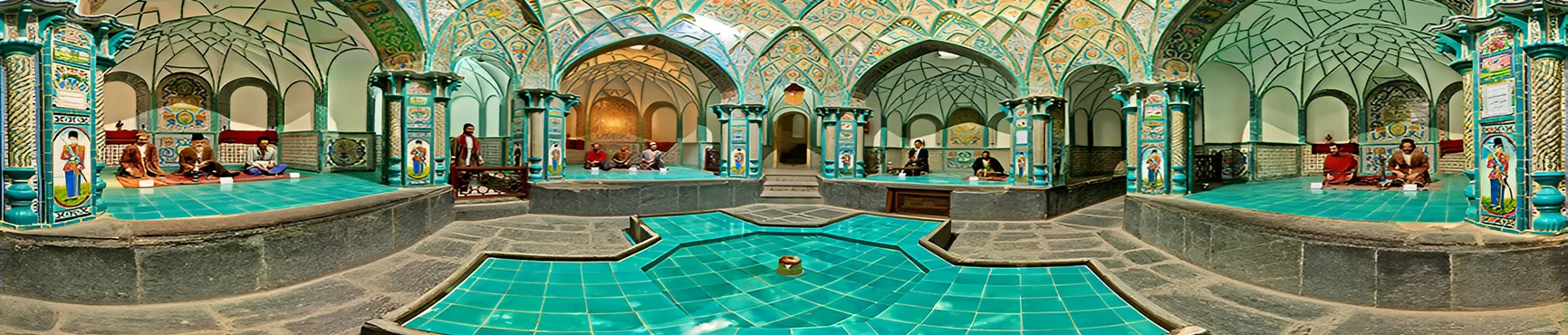
Nestled in the heart of Arak, Iran, the Four Seasons Bathhouse — locally known as Chahar Fasl Hammam — dates back to the late Qajar era, during the reign of Ahmad Shah. Built by Haj Mohammad Ebrahim Khansari, a prominent carpet merchant and philanthropist, the bathhouse was once the largest of its kind in Iran. Its name is inspired by the vibrant tilework depicting the four seasons, a motif that graces the corners of the bathhouse and adds a poetic touch to its historical ambiance.
Preserving Culture and Purpose
Originally serving as a public bath, the Four Seasons Bathhouse was a vital part of daily life, offering separate bathing areas for men, women, and even religious minorities — a rare feature that highlights its inclusive design. In 2006, the bathhouse was transformed into the Arak Museum of Anthropology. Today, it educates visitors about Iran’s rich bathhouse culture and showcases artifacts such as Qajar-era marriage contracts, copper utensils, and even a 7,500-year-old human skeleton.
Architectural Marvel
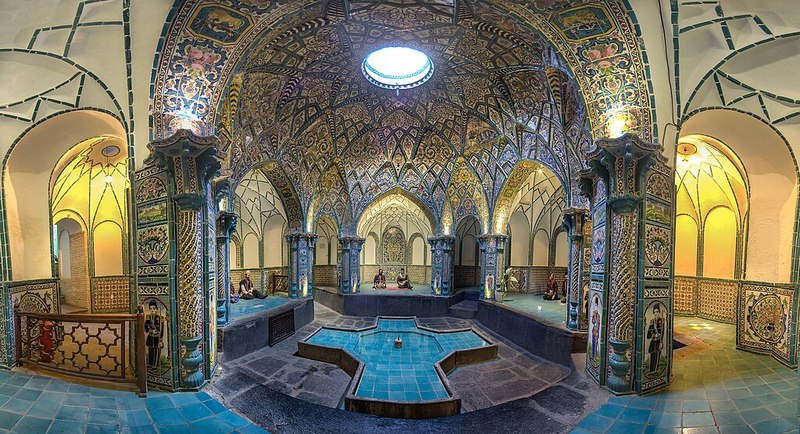
Spanning over 1,600 square meters, the bathhouse is a masterpiece of Persian architecture. Its dome-arched ceilings, intricate stucco reliefs, and arabesque motifs reflect the artistic finesse of the Qajar period. The Sarbineh (changing room) features eight pillars and a high dome, while the hot water system — powered by wood and “verak” bushes — once distributed water through clay pipes. The women’s section, with its column-free dome, is especially admired for its elegance and engineering.
Exploring the Neighborhood
Located on the eastern side of Dr. Beheshti Street, between Haft-e-Tir and Shahid Squares, the bathhouse is surrounded by cultural and historical gems. You can visit Saint Mesrop Church which is 10 minutes apart from the bathhouse.
A Living Legacy
The Four Seasons Bathhouse is more than a relic — it’s a living museum that bridges past and present. Whether you're drawn by its history, architecture, or cultural significance, this bathhouse offers a unique window into Iranian heritage. For travelers and history buffs alike, it’s a must-visit destination that continues to inspire awe and admiration.
I want to visit
Chahar Fasl Museum






Chahar Fasl Museum
Visitor Information
- Opening Hours:
- Monday: 09:00 – 17:00
- Tuesday: 09:00 – 17:00
- Wednesday: 09:00 – 17:00
- Thursday: 09:00 – 17:00
- Friday: 09:00 – 17:00
- Saturday: 09:00 – 17:00
- Sunday: 09:00 – 17:00
- Entrance: Paid
- Cash/Credit Card accepted: Cash
- City: Arak
- Address: Arak, Eastern side of Dr. Beheshti Street, between Haft Tir Square and Shahd Square
- Postal code: 3818953111
- Phone number: +988634031176