
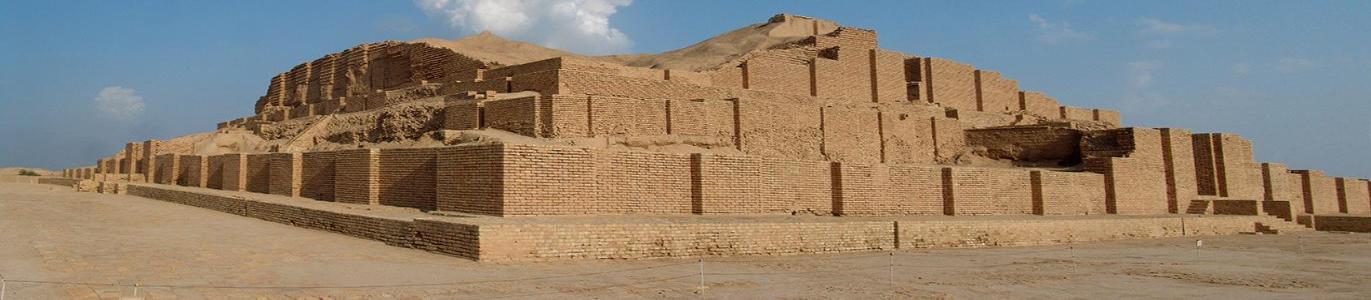
Chogha Zanbil — Iran's Elamite Echo of Eternity
- A city built for the Gods
- The Ziggurat: brick by brick, spirit by spirit
- Rediscovery and reverence
- Why it captivates
- The living legacy
Hidden deep in the scorched plains of Khuzestan Province, where the sun casts long shadows across an ancient past, stands a monument that defies time: Chogha Zanbil Ziggurat. Rising tier by tier like a staircase to the heavens, this majestic mudbrick marvel is the closest thing Iran has to a Mesopotamian whisper — a silent hymn from the Elamite civilization that once thrived, warred, and worshiped in the cradle of southwestern Iran.
A City Built for the Gods
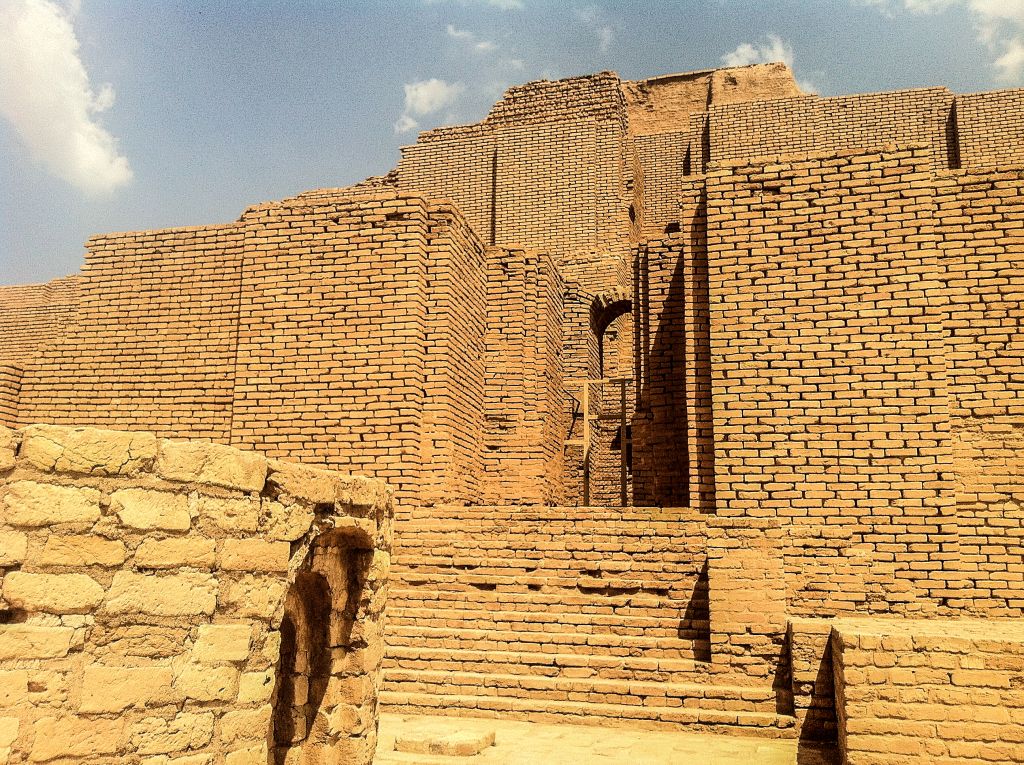
Constructed around 1250 BCE by Untash-Napirisha, king of the Elamites, Chogha Zanbil wasn't just a temple — it was a purpose-built holy city. At its center, the ziggurat towered above all, surrounded by an array of temples dedicated to Elamite and Mesopotamian deities. This was no ordinary urban settlement. It was sacred ground, cordoned off by concentric walls and fed by a complex water system drawn from the Dez River — engineered more than 3,000 years before modern plumbing reached the area.
Untash-Napirisha had a vision: to build a spiritual capital that would outlast his reign and unify his people. And for a time, it worked. Pilgrims gathered, rituals echoed through the courtyards, and the city thrived. But when the king died, so did the city's glory. Abandoned before completion, Chogha Zanbil slipped into silence, buried by centuries of dust and memory.
The Ziggurat: Brick by Brick, Spirit by Spirit
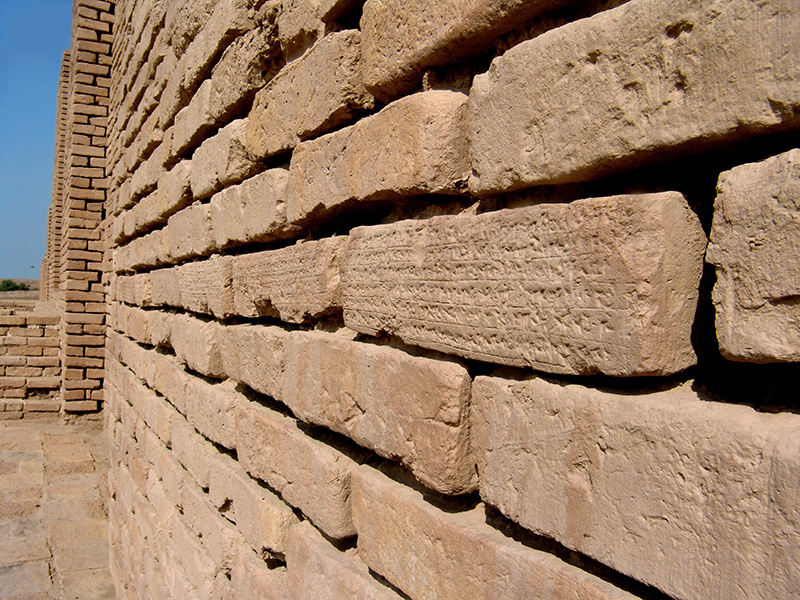
What sets Chogha Zanbil apart is its ziggurat structure, one of the few surviving examples outside Mesopotamia. Originally five stories tall (today three remain), it was crafted from over a million baked bricks. Some bear cuneiform inscriptions, naming gods and kings, still legible despite the brutal passage of time.
Each level was designed to represent a cosmic ascension — from the earthly realm below to the sacred sanctum above. The top, once reserved solely for priests and royal rituals, is believed to have housed a temple dedicated to Inshushinak, the city's patron deity. It's not hard to imagine hooded priests climbing its terraces, carrying offerings, whispering invocations as the desert winds swirled around them.
Rediscovery and Reverence
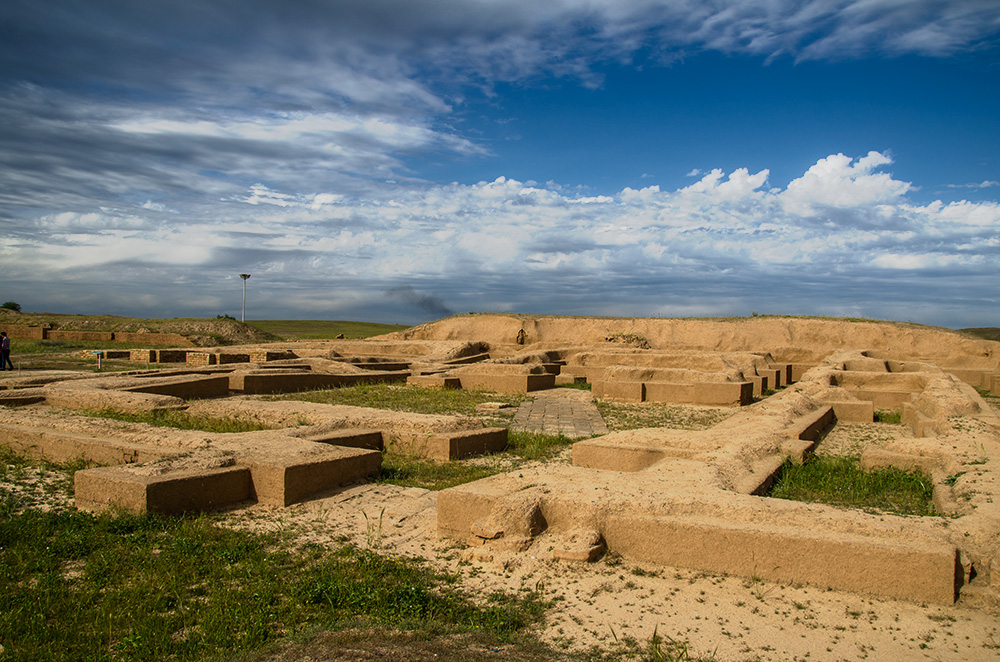
For centuries, the ziggurat slept beneath layers of sand, until French archaeologist Roman Ghirshman awakened its slumber in the 1930s. His excavations peeled back centuries of oblivion, revealing temples, tombs, water systems, and one of the world's most impressive ancient religious complexes.
Today, Chogha Zanbil is a UNESCO World Heritage Site, recognized in 1979 for its unparalleled preservation and cultural importance. Despite its age, its spirit remains intact. As you walk the ruins, you can feel it — the soft thrum of ancient faith and forgotten grandeur, vibrating beneath your feet.
Why It Captivates
A unique blend of art and devotion
Unlike many ancient temples, Chogha Zanbil wasn't merely functional — it was poetic. Its symmetry, inscriptions, and sacred geometry reflect a civilization that valued beauty and meaning.
Cultural cross-currents
You'll find influences from Elamite, Babylonian, and Assyrian traditions, revealing a melting pot of beliefs and politics.
Timeless architecture
The ziggurat's layered terraces and intelligent design still draw admiration from modern engineers.
Mystical Ambient
Visit at sunrise or dusk, and you'll feel the desert come alive with echoes. It's not just a site — it's an experience.
The Living Legacy
Though the city that birthed it is gone, Chogha Zanbil remains a monument to spiritual ambition, political vision, and architectural brilliance. It's a reminder that devotion can build empires — and leave behind legacies etched not only in stone but in soul.
If you ever find yourself in Khuzestan, don't just stop by — linger. Let your footsteps trace the path of ancient pilgrims. Touch the bricks. Listen to the wind. And let Chogha Zanbil whisper its story into your own and difinately visit the Ancient castle of Shush to absorb the culture.
I want to visit
Chogha Zanbil Ziggurat






Chogha Zanbil Ziggurat
Visitor Information
- Opening Hours:
- Monday: 07:30 – 19:00
- Tuesday: 07:30 – 19:00
- Wednesday: 07:30 – 19:00
- Thursday: 07:30 – 19:00
- Friday: 07:30 – 19:00
- Saturday: 07:30 – 19:00
- Sunday: 07:30 – 19:00
- Entrance: Paid
- Cash/Credit Card accepted: Cash
- Region: Khuzestan
- City: Shush county
- Address: Shavour District, Chogha Zanbil
- Postal code: 1341713915
- Phone number: +986142867213
- Is open to public visitors: Yes