
Deylaman: Gilan’s Highland Haven of Wildflowers, Warriors, and Whispering Woods
- Historical Roots and Ancient Legacy
- Geography and Climate
- Rural Life and Traditions
- Culture and Identity
- Modern Challenges and Preservation
Historical Roots and Ancient Legacy
Deylaman, nestled in the highlands of Gilan province in northern Iran, boasts a history that stretches back to the early Iron Age. Archaeological excavations in the region—particularly at sites like Ghalekuti and Lāsūlkān — have unearthed tombs, pottery, bronze weapons, and personal ornaments dating from the 2nd millennium BCE to the Sassanian period. These findings suggest that Deylaman was once a thriving center of native highland cultures, with established burial traditions and early settlements that played a role in the transition from Bronze to Iron Age civilizations.
Geography and Climate
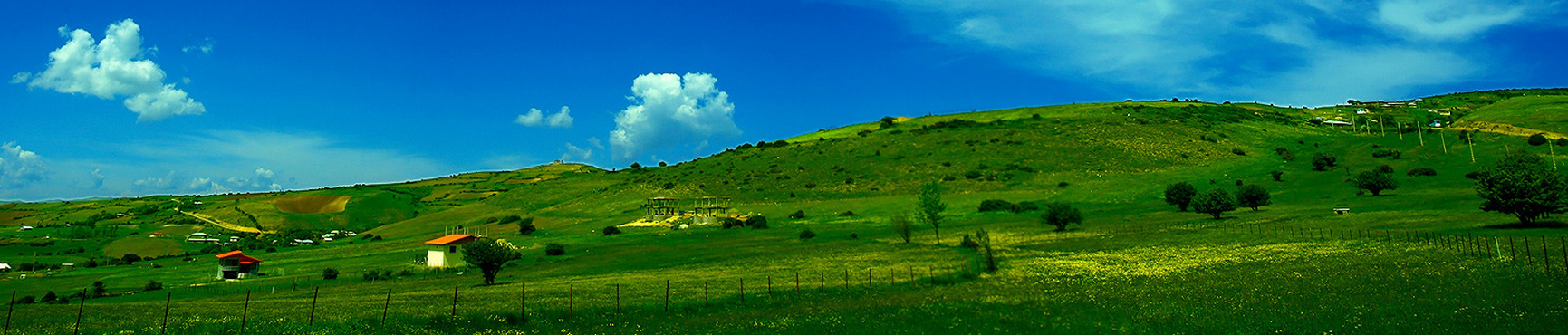
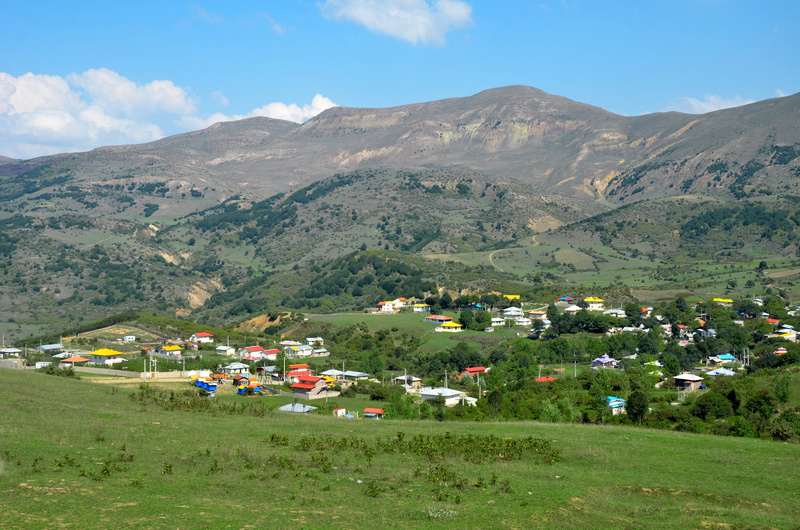
Perched at around 2,000 meters above sea level on the northern slopes of the Alborz Mountains, Deylaman enjoys a cool summer climate and harsh winters. Its rugged terrain is carved by the headwaters of the Polāmrūd and other tributaries, creating fertile valleys and misty pastures. This geography has shaped both the lifestyle and architecture of the region — wooden homes with sloped roofs, stone pathways, and terraced fields are common sights, blending seamlessly into the lush natural surroundings.
Rural Life and Traditions
Life in Deylaman’s villages is deeply rooted in tradition and sustainability. Locals engage in farming, shepherding, and artisanal crafts, using hand-made tools and age-old techniques passed down through generations. Community life revolves around seasonal rhythms — planting, harvesting, and festivals that celebrate nature’s bounty. The people are known for their hospitality and resilience, maintaining a lifestyle that honors simplicity and a deep connection to the land.
Culture and Identity
Deylaman is part of the broader Gilaki cultural sphere, which includes unique dialects, music, and folklore. Traditional songs echo through the valleys during weddings and gatherings, accompanied by instruments like the kamancheh and daf. Clothing styles, cuisine, and oral storytelling all reflect a rich cultural identity that has resisted the homogenizing forces of modernity. Dishes like sour stews and smoked fish are not just meals — they’re expressions of heritage.
Modern Challenges and Preservation
Despite its cultural wealth, Deylaman faces challenges such as population decline and limited infrastructure. According to census data, many of its 75 villages have dwindling populations, with some nearly abandoned. Yet, efforts to preserve its historical sites and promote eco-tourism are gaining traction. The region’s archaeological significance and scenic beauty make it a compelling destination for those seeking to reconnect with Iran’s rural soul and ancient past.






Deylaman
Visitor Information
- Opening Hours:
- Monday: 09:00 – 23:00
- Tuesday: 09:00 – 23:00
- Wednesday: 09:00 – 23:00
- Thursday: 09:00 – 23:00
- Friday: 09:00 – 23:00
- Saturday: 09:00 – 23:00
- Sunday: 09:00 – 23:00
- Entrance: For free
- Region: Gilan Province
- City: Deylaman
- Address: 46 kilometers south of Siahkal County
- Postal code: 4167763499
- Phone number: +981333667510
- Is open to public visitors: Yes