
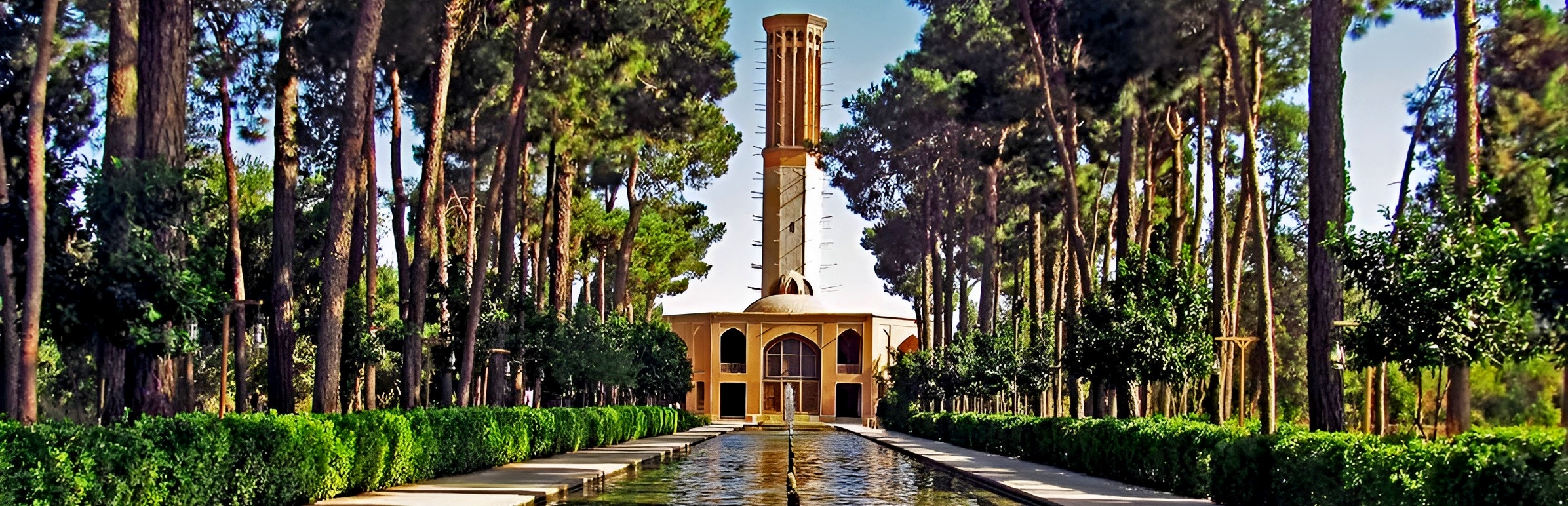
Dowlat Abad Garden: A Desert Oasis Crowned by Wind and Wonder
- Historical Background
- Key Features of Dowlat Abad Garden
- Cultural and Architectural Significance
- Visiting Information
Dowlat Abad Garden (Bagh-e Dowlat Abad) is one of the most iconic historical gardens in Iran, located in the desert city of Yazd. Built in 1747 during the late Afsharid era, this garden is a stunning example of traditional Persian garden design, renowned for its harmonious layout, symmetrical architecture, and the tallest windcatcher (badgir) in the world. As part of the collective listing of UNESCO Persian Gardens, Dowlat Abad is a must-visit destination for travelers seeking to explore Iranian heritage, architecture, and sustainability.
Historical Background
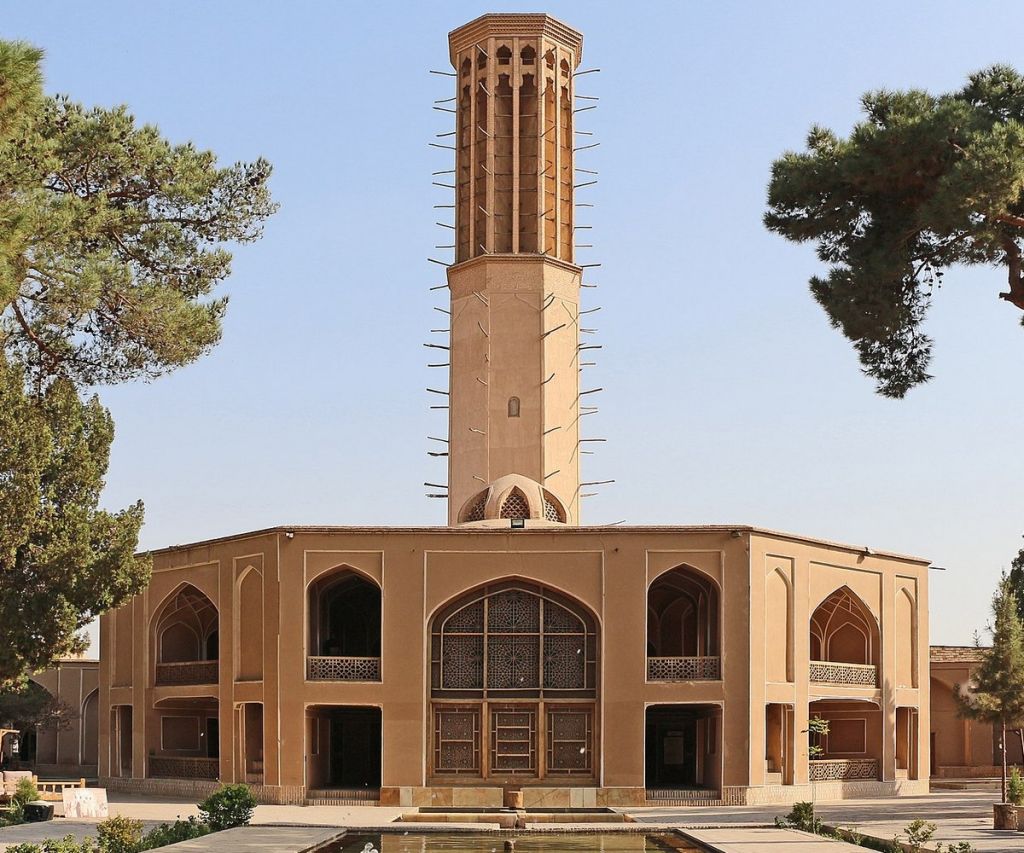
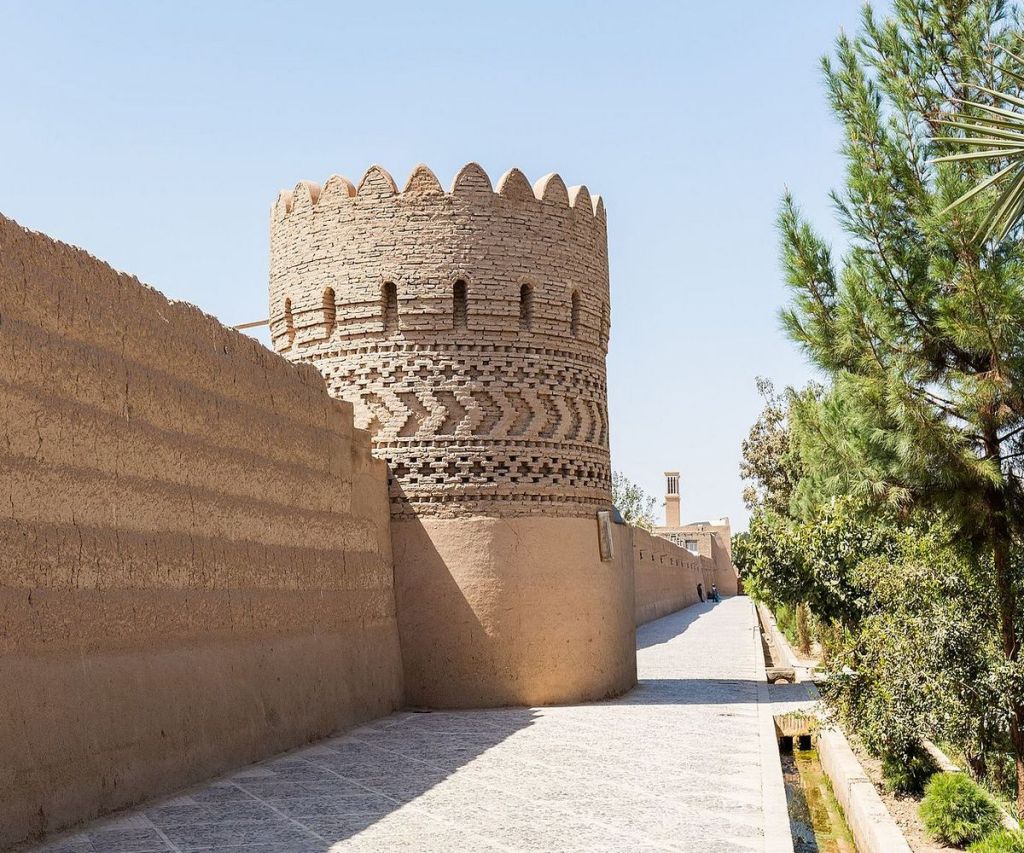
Dowlat Abad Garden was commissioned by Mohammad Taqi Khan, the then-governor of Yazd, to serve as a residential and governmental complex. The garden was originally fed by a 65-kilometer-long underground qanat system, which brought fresh water from surrounding mountains to sustain the garden's lush greenery amid the arid desert.
Designed with the core principles of chahar bagh (a four-part garden layout), the complex reflects the deep connection between nature, architecture, and climate adaptation that defines Persian gardens.
Key Features of Dowlat Abad Garden
1. The Tallest Windcatcher in the World
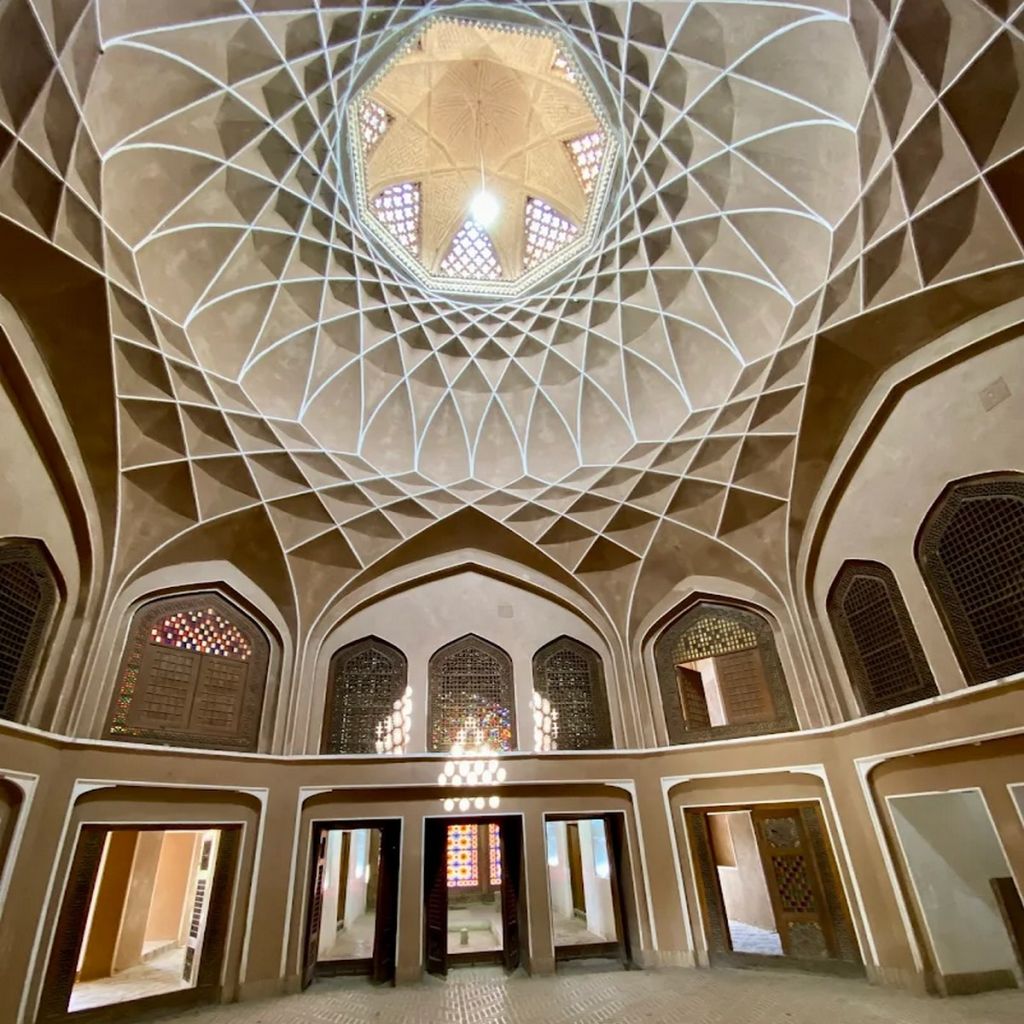
The garden is most famous for its 33.8-meter-high windcatcher, which is the tallest traditional badgir still standing in Iran. This structure served as a natural air-conditioning system, capturing cool breezes and directing them into the main pavilion to maintain a pleasant indoor temperature even during Yazd’s scorching summers.
2. Central Mansion (Shah Neshin)
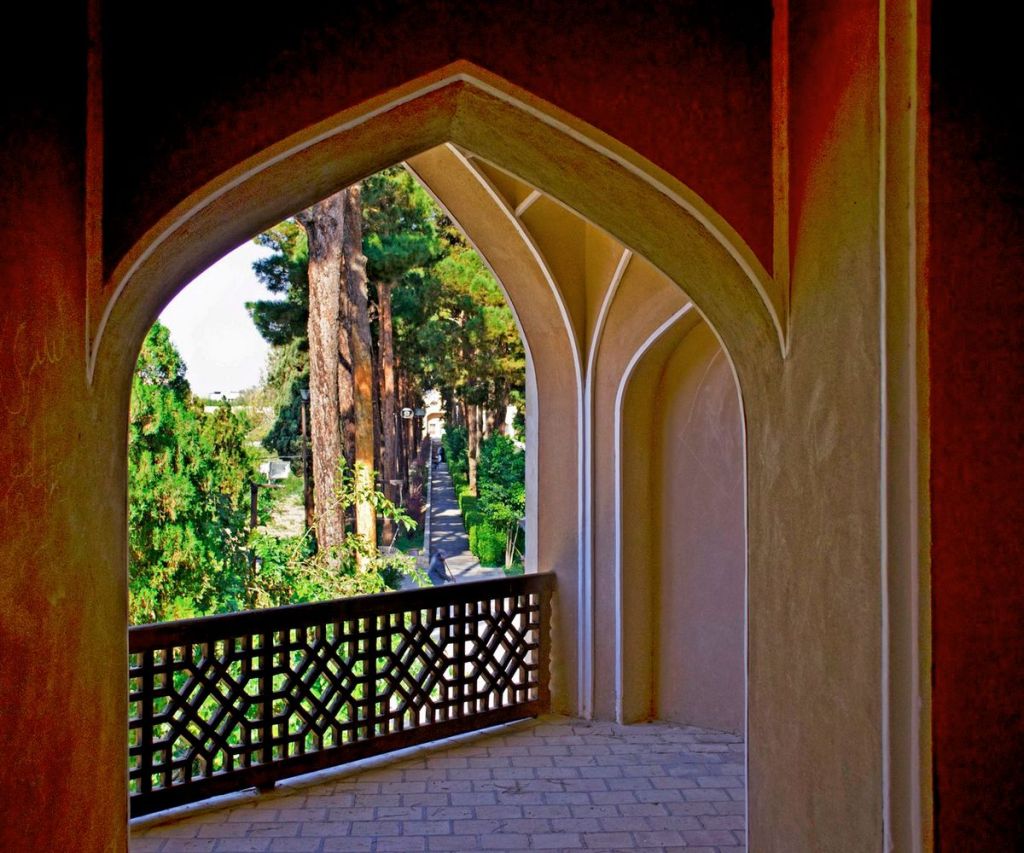
The main mansion, located at the heart of the garden, features beautiful stained glass windows, intricate wooden latticework, and mirrored interiors. The reflection of water channels and colorful light creates a tranquil, visually striking ambiance that exemplifies Persian aesthetics.
3. Water Canals and Symmetry
Water plays a central role in the garden’s design. A series of pools and channels reflect the buildings and trees, amplifying the sense of space and symmetry while cooling the environment. This functional beauty is a hallmark of Iranian garden architecture.
4. Fruit Trees and Greenery
Dowlat Abad is home to a wide variety of fruit trees, including pomegranates, grapes, and cypress trees. These were not only decorative but also practical, offering shade and sustenance in an otherwise harsh climate.
Cultural and Architectural Significance
As one of the nine Persian gardens inscribed on the UNESCO World Heritage List, Dowlat Abad exemplifies sustainable desert architecture. It blends functional engineering, aesthetic beauty, and spiritual symbolism—representing the ideal of paradise on Earth, which is central to Persian garden philosophy.
The garden also represents a masterful response to climate, using passive cooling techniques, wind direction, and water movement—making it a pioneer in ecological design centuries ahead of its time.
Visiting Information
-
Location: Near Chahar Menar, Yazd, Iran
-
Best Time to Visit: Spring and autumn for mild weather and blooming flora
-
Opening Hours: Typically open daily from morning until evening
-
Tickets: Modest entry fee for international tourists
-
Nearby Attractions: Yazd’s Historic City, Jameh Mosque of Yazd, Amir Chakhmaq Complex
I want to visit
Dowlat Abad Garden






Dowlat Abad Garden
Visitor Information
- Opening Hours:
- Monday: 07:00 – 22:00
- Tuesday: 07:00 – 22:00
- Wednesday: 07:00 – 22:00
- Thursday: 07:00 – 22:00
- Friday: 07:00 – 22:00
- Saturday: 07:00 – 22:00
- Sunday: 07:00 – 22:00
- Entrance: Paid
- Cash/Credit Card accepted: Cash
- Region: Yazd Province
- City: Yazd
- Address: Yazd, Rajai Street, Hosseiniyeh Alley
- Postal code: 8916773918
- Phone number: +983536270781
- Is open to public visitors: Yes