
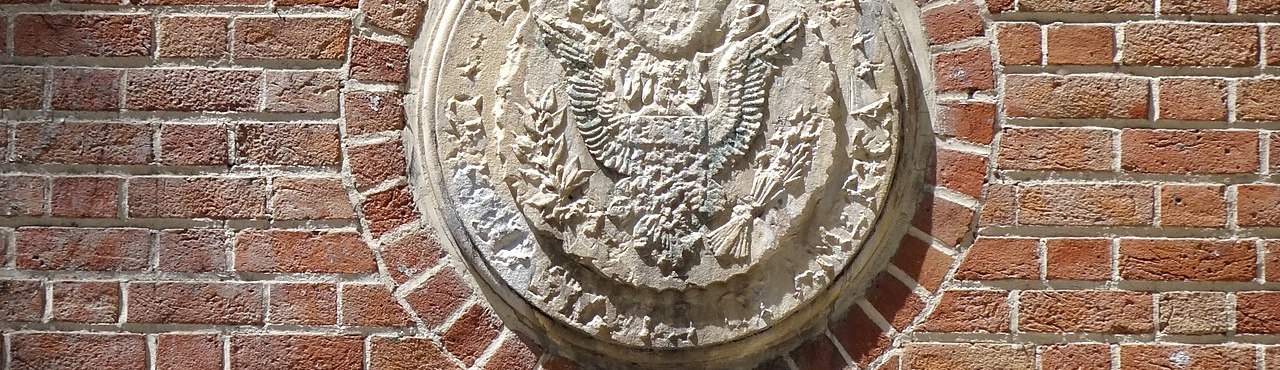
Former US Embassy in Tehran — The Den of Espionage and the Echoes of Revolution
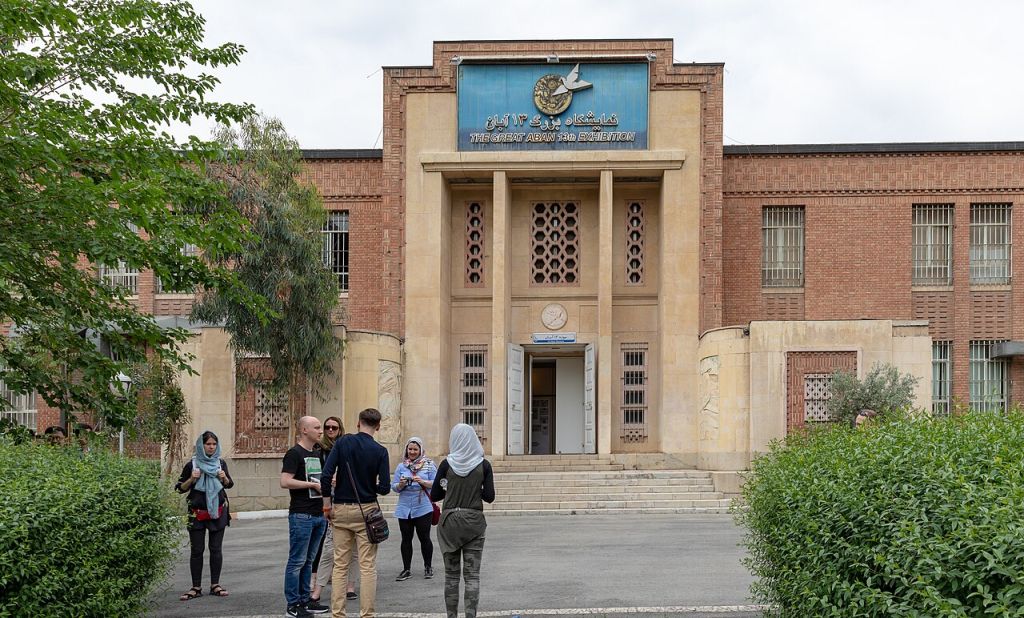
Tucked behind high brick walls in central Tehran, at the intersection of Mofatteh and Taleghani Streets, lies a building that once served as the beating heart of American diplomacy in Iran. Today, it's known by a different name: the 13 Aban Museum, or more provocatively, the Garden of Arrogance Museum. But to many, it remains the Former US Embassy — a place where history was made, hostages were held, and a nation's trajectory was forever altered.
From Diplomacy to Discord
Built in 1951, the embassy was designed by Ides van der Gracht, echoing the style of American high schools from the 1930s and 1940s. Locally, it was nicknamed “Henderson High,” after Loy W. Henderson, the US ambassador at the time. For decades, it functioned as a hub of diplomatic activity between Iran and the United States.
But on November 4, 1979, everything changed. In the wake of the Iranian Revolution, militant students stormed the compound, accusing the US of plotting against the new Islamic Republic. 52 American diplomats and citizens were taken hostage, sparking a 444-day crisis that severed diplomatic ties and reshaped global politics.
Architecture and Artifacts
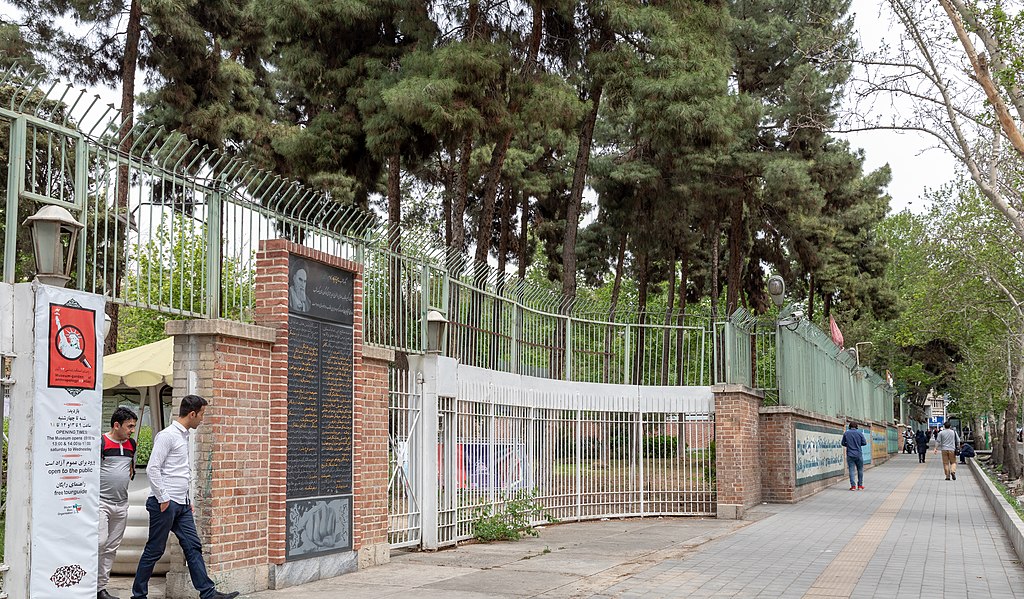
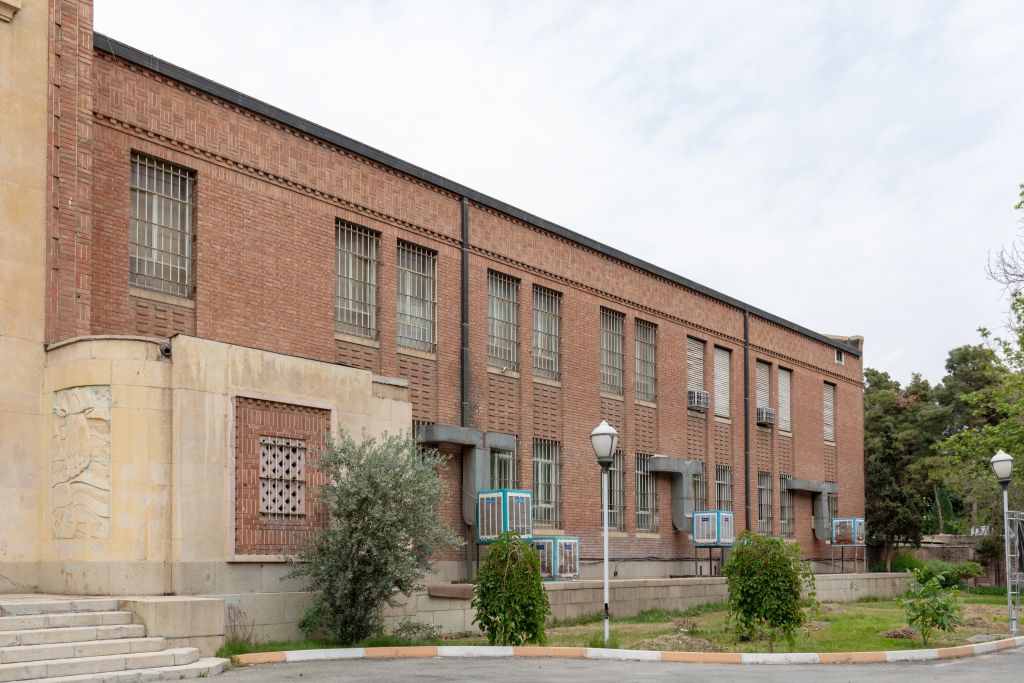
The compound spans 44,000 square meters, with a two-story brick chancery building at its core. After the takeover, the site was repurposed by the Islamic Revolutionary Guard Corps and later transformed into a museum.
Inside, visitors encounter:
- Soundproof “Glassy Rooms” used for confidential meetings
- Reconstructed shredded documents, now published as “Documents from the US Espionage Den”
- Surveillance equipment, typewriters, and communication tools allegedly used by embassy staff
- Anti-American murals, including a Statue of Liberty with a skull face and slogans like “Down with USA”
- Outside, the walls are adorned with provocative imagery — some symbolic, others theatrical — reflecting decades of political tension.
The Museum Experience
Today, the museum offers a curated journey through the events of 1979 and beyond. Exhibits include:
- A timeline of the hostage crisis
- Photos and writings from the embassy's occupation
- Machinery and espionage tools recovered from the site
- A documentary screening titled Nest in Crisis
Though only part of the building is open to the public, it remains a popular stop for foreign tourists, many of whom pose for photos besides its infamous murals.
Why It Captivates
- Historical gravity: A flashpoint in US–Iran relations
- Architectural paradox: A European-style embassy turned revolutionary symbol
- Cultural insight: A lens into Iran's post-revolutionary identity
- Contested narratives: A place where propaganda and memory collide
I want to visit
Former Us Embassy in Iran






Former Us Embassy in Iran
Visitor Information
- Opening Hours:
- Monday: 08:30 – 18:30
- Tuesday: 08:30 – 18:30
- Wednesday: 08:30 – 18:30
- Thursday: 08:30 – 18:30
- Friday: 08:30 – 18:30
- Saturday: 08:30 – 18:30
- Sunday: 08:30 – 18:30
- Entrance: For free
- Region: Tehran
- City: Tehran
- Address: Iranshahr, Taleghani St. between Mozhdehi and Mohammad Reza Ghaderi, former US Embassy
- Is open to public visitors: Yes