
Hara Mangrove Forest Qeshm Island: Iran’s Lush Mangrove Marvel
- Introduction
- History & Ecological Significance
- Biodiversity & Wildlife
- Nearby Sightseeing & How to Visit
- Best Time to Visit & Tips
- Conclusion
Introduction
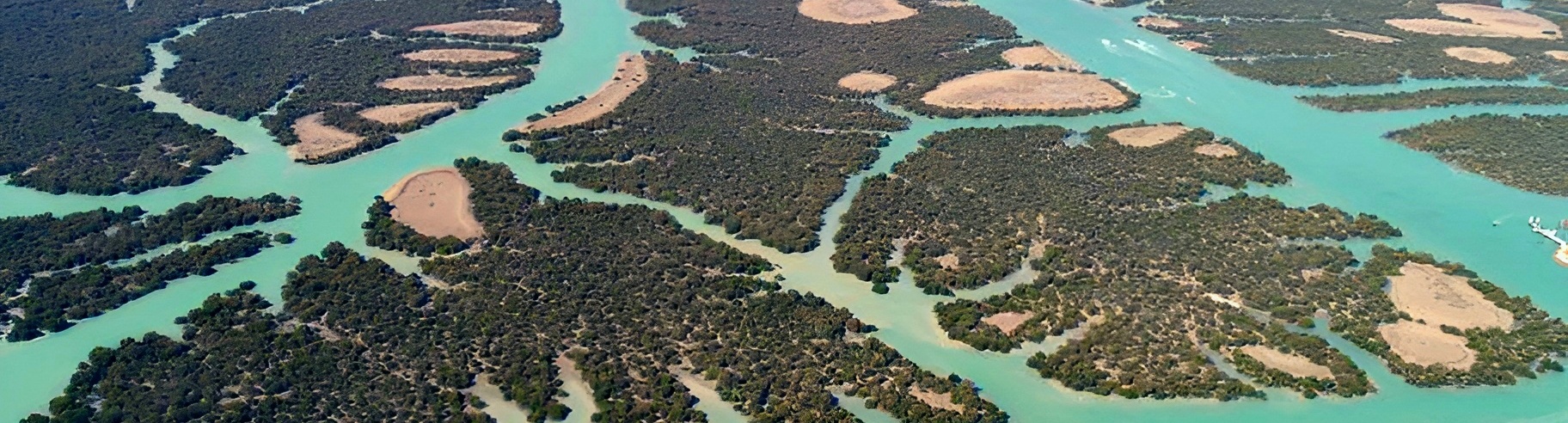
Nestled along the northern shores of Qeshm Island in the Persian Gulf, the Hara Jungle also known as the mangrove forests of Qeshm, stands as a breathtaking natural wonder. This rare coastal ecosystem, dominated by the resilient Avicennia marina (Hara tree), thrives in the intertidal zone, with its roots submerged and foliage emerging only during low tide, giving the illusion of floating green islands in the turquoise waters

History & Ecological Significance
Declared a protected area in 1972 and elevated to National Park status by 1975, Hara Jungle achieved the prestigious title of a UNESCO Biosphere Reserve in 1977 Spanning roughly 2,400 hectares across Qeshm and nearby coasts, it’s recognized as the largest among Iran’s eight Hara forests The Hara tree’s remarkable adaptation as a living desalination system filtering salt and thriving in salty, low-oxygen environments makes this ecosystem uniquely vital and enduring
Biodiversity & Wildlife
Hara Jungle supports an extraordinary array of flora and fauna. The complex root network provides nurseries for fish, crustaceans, and bivalves, enhancing marine biodiversity The forests are also a migratory bird haven: in winter months, flamingos, pelicans, herons, and other species congregate here for feeding and refuge Other wildlife includes reptiles, sea snakes, green turtles, and various invertebrates, contributing to the forest’s ecological richness
Nearby Sightseeing & How to Visit
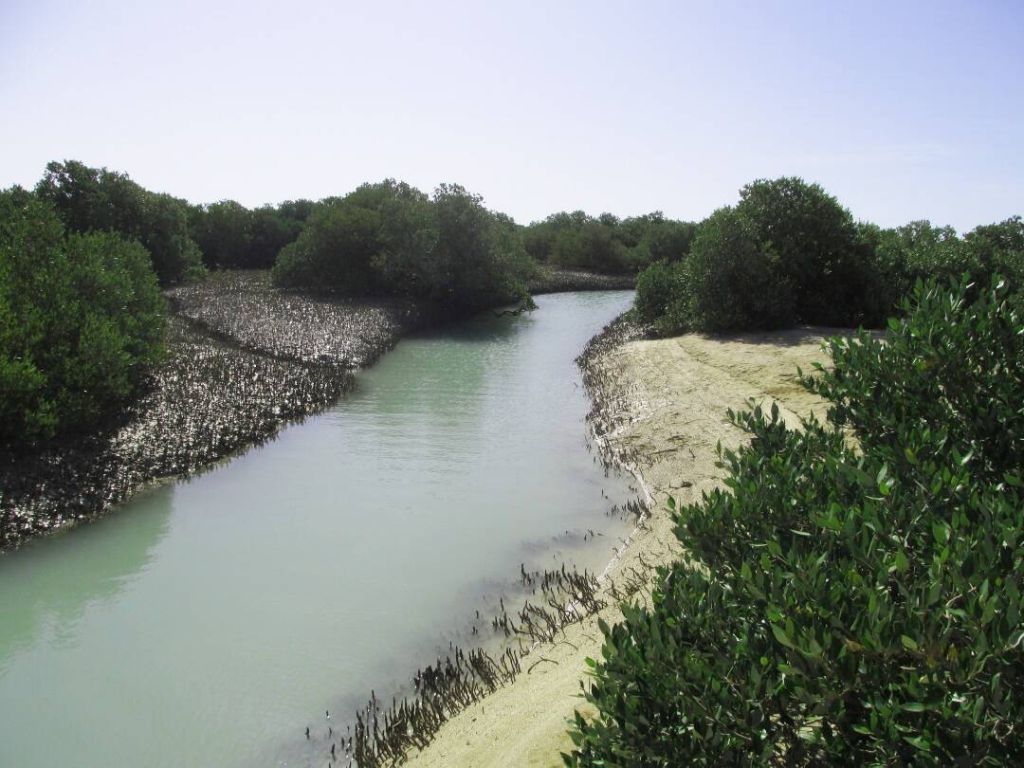
Exploring Hara Jungle is best done by boat from docks at Sohili Village, Tabl Village, or Laft Port, as land access is non-existent The 30 km journey from Qeshm City or a 20-minute drive from Laft comes alive at high tide when you glide through lush mangrove channels Beyond Hara, the nearby harbor town of Laft offers cultural sites such as ancient wind-tower houses, historic wells, and Naderi Castle making it perfect for combining nature with heritage exploration
Best Time to Visit & Tips
Late autumn through spring (mid‑autumn to May) offers the most comfortable climate and ideal wildlife viewing conditions Visitors are encouraged to align their visit with tidal patterns approximately every six hours to experience both submerged and unveiled forest landscapes Eco-friendly practices are vital: avoid disturbing wildlife, littering, or taking eggs; instead embrace a respectful, low-impact visit
Conclusion
Hara Jungle on Qeshm Island is more than a scenic mangrove forest it’s a resilient and rare ecosystem, steeped in ecological significance and cultural lore. With its unique filtration adaptations, rich biodiversity, and UNESCO-backed protection, it stands as a living testament to nature’s ingenuity. Whether by boat through its mesmerizing waterways or paired with cultural visits in nearby Laft, Hara Jungle offers an unforgettable escape for eco-tourists and nature lovers alike.
I want to visit
Hara Jungle on Qeshm Island






Hara Jungle on Qeshm Island
Visitor Information
- Opening Hours:
- Monday: 08:00 – 19:00
- Tuesday: 08:00 – 19:00
- Wednesday: 08:00 – 19:00
- Thursday: 08:00 – 19:00
- Friday: 08:00 – 19:00
- Saturday: 08:00 – 19:00
- Sunday: 08:00 – 19:00
- Entrance: Paid
- Cash/Credit Card accepted: Cash
- City: Qeshm Island
- Address: Mangrove forest · Hormozgan, Qeshm city, Shahab sector, Hera boulevard
- Postal code: 7915957913
- Phone number: +9876 33687197