
Ebrat Museum of Iran | Tehran’s Historic Prison Turned Museum of Contemporary History
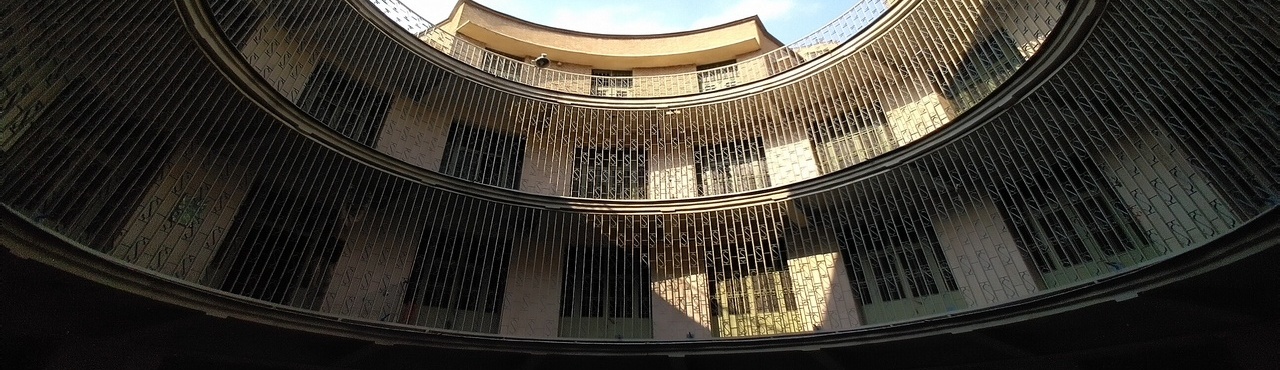
In the heart of Tehran, tucked behind the bustling streets near Imam Khomeini Square, stands a building that once whispered secrets and now shouts history. The Iran Ebrat Museum (موزه عبرت) is not your typical museum — it’s a former prison turned into a chilling monument to Iran’s political past, where architecture and memory collide.
From Detention to Documentation
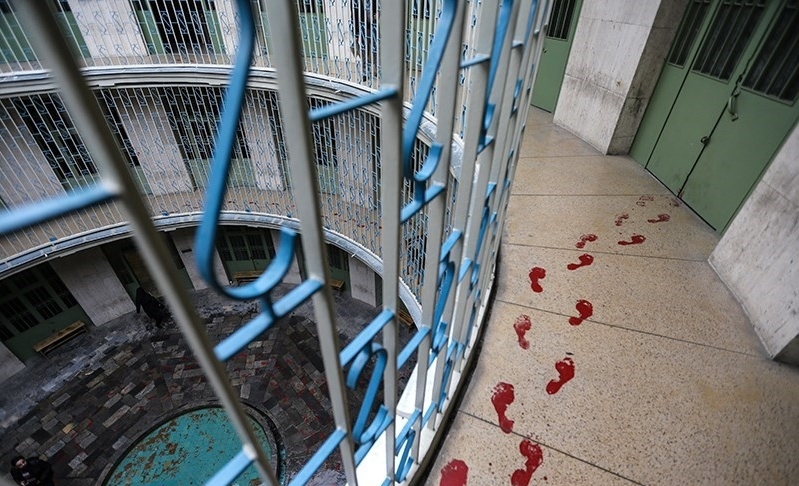
Originally constructed in 1932 by German engineers under Reza Shah Pahlavi, the building was designed as Iran’s first modern prison. Its circular layout, echo-proof corridors, and maze-like structure were intended to prevent escape and suppress sound — an architectural embodiment of control.
During the Mohammad Reza Pahlavi era, the prison became infamous as the headquarters of the Joint Committee Against Sabotage, operated by SAVAK, the Shah’s secret police. Here, countless political dissidents — including figures like Ayatollah Khamenei, Ali Shariati, and Akbar Hashemi Rafsanjani — were interrogated, tortured, and held in solitary confinement. After the 1979 Islamic Revolution, the site was renamed Towhid Prison, and in 2002, it was transformed into a museum by the Cultural Heritage Organization of Iran.
Architecture of Fear
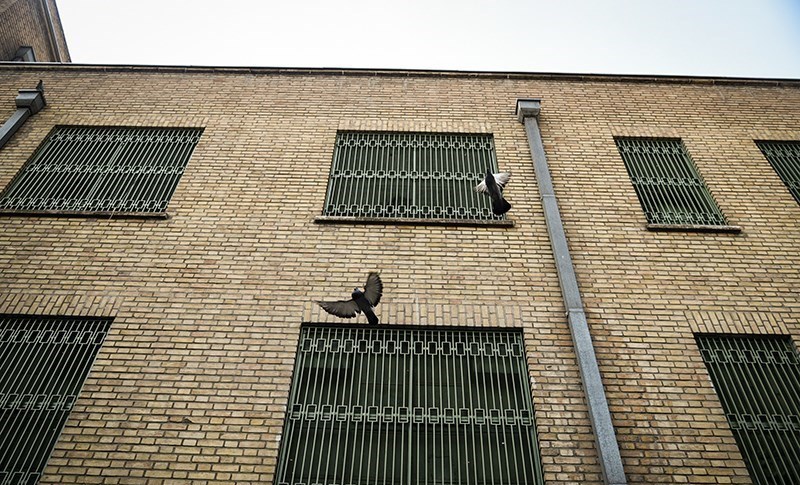
The museum’s design is as haunting as its history:
- Three-story circular structure with all corridors leading to a central courtyard
- Echo-proof walls to muffle screams and prevent communication
- Solitary and group cells, torture chambers, and interrogation rooms
- Mannequins and wax figures depicting prisoners and torturers in graphic detail
- Original instruments of torture including electric batons, heated chairs, and crucifixion-style restraints
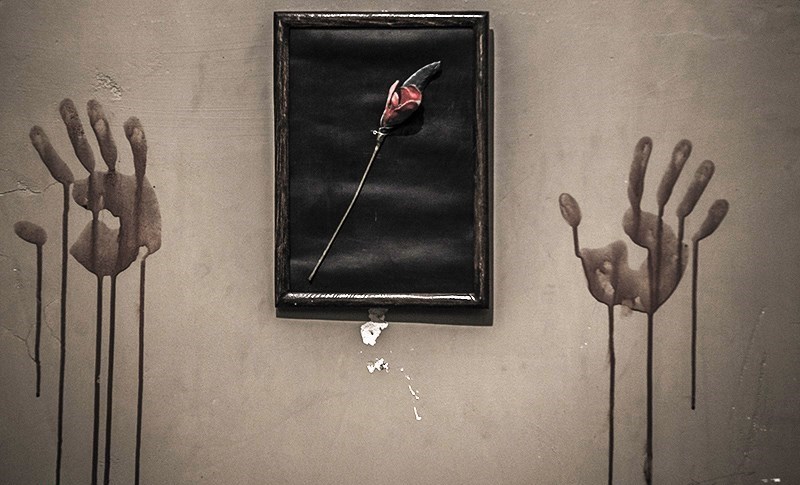
Every corner of the museum is curated to evoke the psychological and physical torment endured by its inmates.
A Museum of Memory
Visitors are guided through:
- The clothing room with prisoner uniforms and personal belongings
- The torture chamber, showcasing devices and methods used for interrogation
- The punishment room, focused on electroshock techniques
- The meeting area, where prisoners once saw family members under surveillance
- Archival exhibits, including reconstructed documents and testimonies
Some tours are led by former prisoners, adding a deeply personal layer to the experience. A short documentary with English subtitles introduces the museum’s history and its role in Iran’s political transformation.
Why It Captivates
- Dark tourism site: Offers a raw, unfiltered look into Iran’s pre-revolutionary repression
- Architectural symbolism: A building designed to silence now speaks volumes
- Emotional impact: Provokes reflection on justice, resilience, and the cost of dissent
- Historical relevance: Preserves the stories of those who shaped Iran’s modern identity
The Iran Ebrat Museum is not for the faint of heart — but it is for the curious, the empathetic, and those who believe that history must be remembered to be understood. Step inside, and you’ll find more than walls and cells — you’ll find the echoes of courage.
I want to visit
Ebrat Museum of Iran






Ebrat Museum of Iran
Visitor Information
- Opening Hours:
- Monday: 09:00 – 17:00
- Tuesday: 09:00 – 17:00
- Wednesday: 09:00 – 17:00
- Thursday: 09:00 – 17:00
- Friday: 09:00 – 17:00
- Saturday: 09:00 – 17:00
- Sunday: 09:00 – 17:00
- Entrance: Paid
- Cash/Credit Card accepted: Cash
- Region: Tehran
- City: Tehran
- Address: Iran Ebrat Museum Imam Khomeini Square, Yarjani Street
- Postal code: 1136935141
- Phone number: +982166722096
- Is open to public visitors: Yes