
Birjand Kolah Farangi Citadel – The Qajar-Era Crown Jewel of South Khorasan, Iran
Introduction
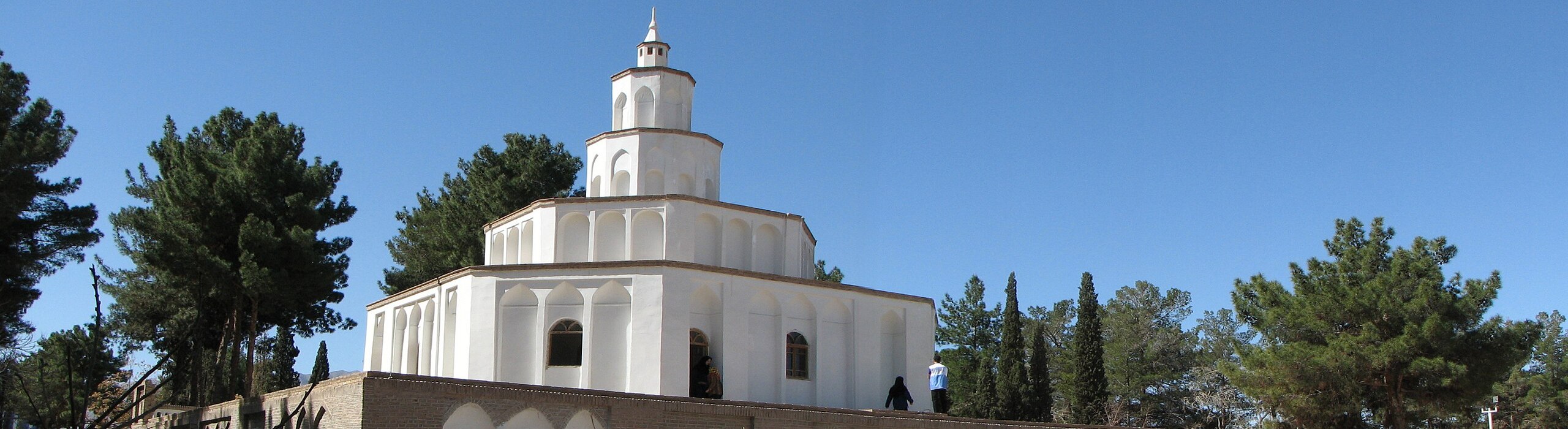
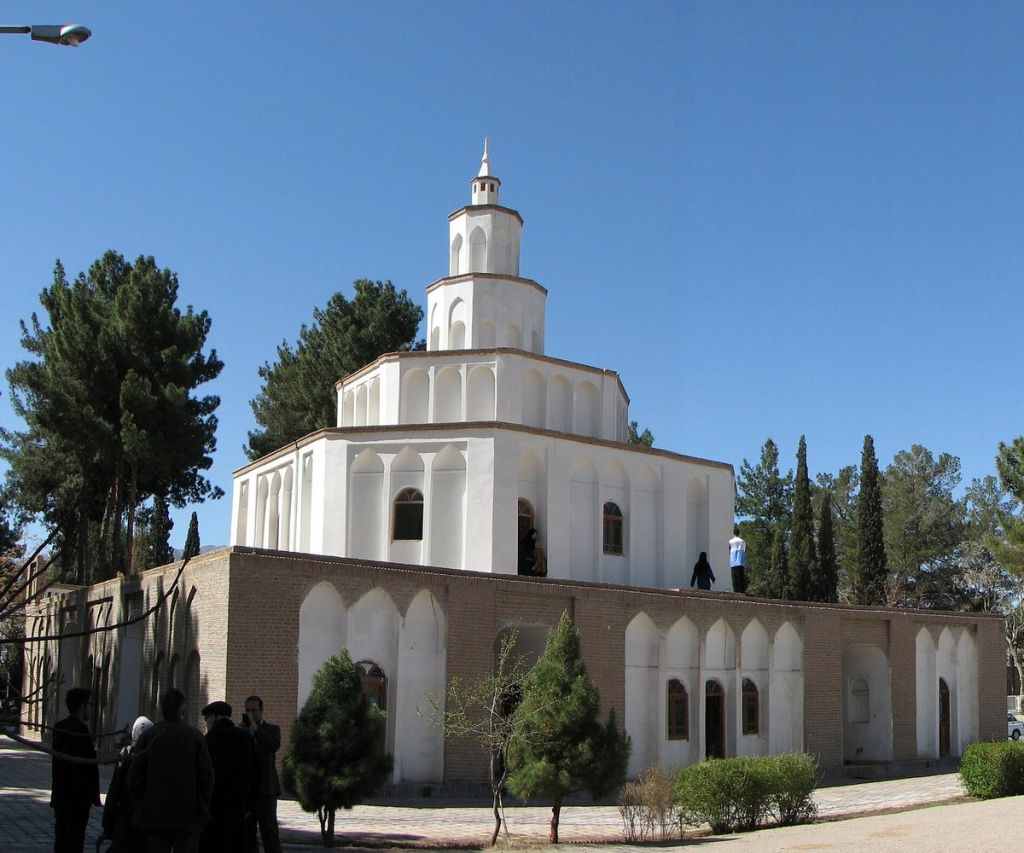
The Birjand Kolah Farangi Historical Citadel is one of the most distinctive landmarks in South Khorasan Province, Iran. Located in the city of Birjand, this iconic structure—whose name “Kolah Farangi” translates to “foreign hat” in Persian—derives its title from its unique dome shape resembling a European hat. The citadel, with its striking white exterior and historical charm, offers visitors a glimpse into the architectural tastes and political significance of the late Qajar era.
History
The Kolah Farangi Citadel was built during the late Qajar period, between 1848 and 1925, under the order of Amir Hassan Khan Shokat-ol-Molk, the ruler of Birjand at the time. It served as the governmental headquarters and residence of the local rulers, playing a central role in administrative, political, and ceremonial events. Over time, it became a symbol of Birjand’s governance and prestige. In the 20th century, as modern administrative buildings emerged, the citadel’s role shifted from a political hub to a cultural and historical monument.
Architecture
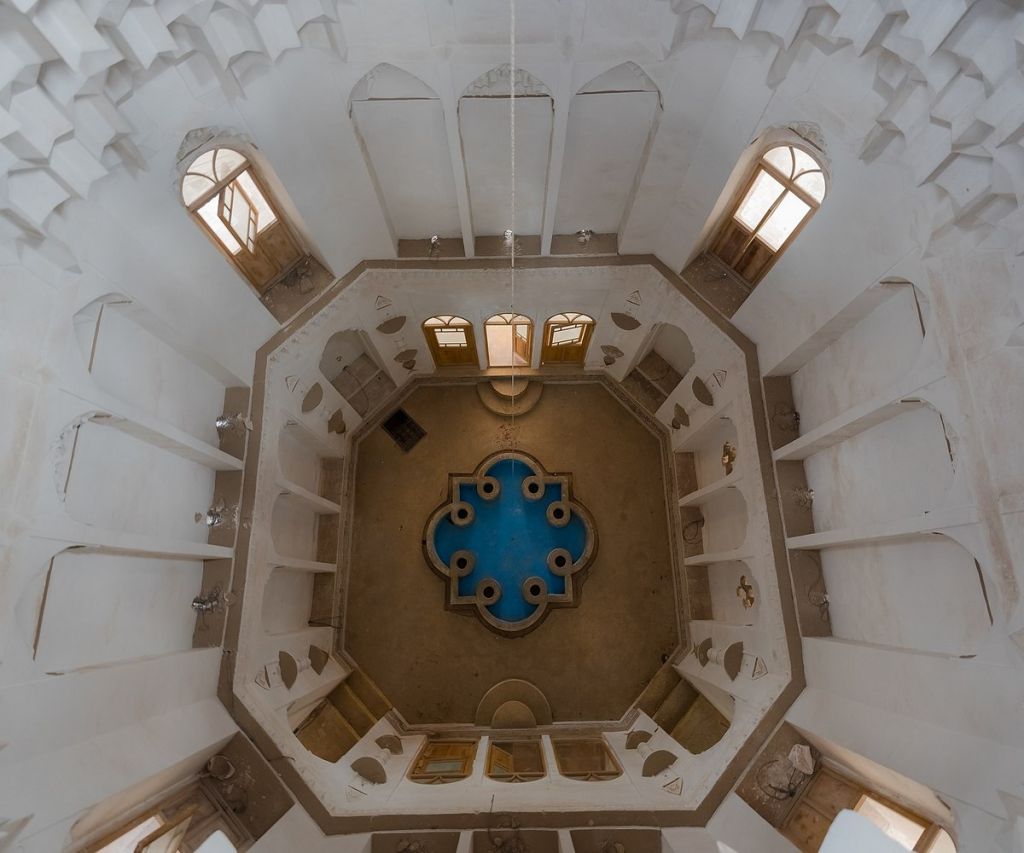
This six-story building is a remarkable fusion of Persian architectural traditions and European influences, reflecting the Qajar fascination with foreign styles. Its cylindrical form is crowned with a unique conical dome, the “foreign hat,” which gives the citadel its name. The white plastered walls, decorative arches, and symmetrical windows create a visually harmonious façade. Inside, the building features interconnected rooms, spiral staircases, and observation spaces that once provided panoramic views of the city. The combination of practicality and elegance in its design makes it a rare example of Qajar-era architecture in eastern Iran.
Nearby Attractions
Birjand is rich in cultural and natural attractions that complement a visit to the Kolah Farangi Citadel. The Akbariyeh Garden, a UNESCO-listed Persian garden, offers beautiful landscaping and a museum within a historic mansion. Birjand Castle, another Qajar-era structure, showcases the city’s defensive history. For a taste of local culture, the Birjand Bazaar is an excellent place to shop for saffron, handmade carpets, and dried barberries—products for which the region is famous. The surrounding mountains and desert landscapes also offer opportunities for scenic exploration and photography.
Conclusion
The Birjand Kolah Farangi Historical Citadel is more than just an architectural curiosity—it is a cultural emblem of South Khorasan’s history and a proud reminder of Birjand’s role in Iran’s Qajar-era governance. Its unique design, historical significance, and central location make it a must-visit for history buffs, architecture lovers, and travelers seeking to discover the lesser-known treasures of eastern Iran. Standing tall in the heart of Birjand, it remains a timeless symbol of elegance, authority, and cultural fusion.
I want to visit
Birjand Kolah Farangi Historical Citadel






Birjand Kolah Farangi Historical Citadel
Visitor Information
- Opening Hours:
- Monday: 07:30 – 17:00
- Tuesday: 07:30 – 14:30
- Wednesday: 07:30 – 14:30
- Thursday: 07:30 – 14:30
- Friday: 07:30 – 14:30
- Saturday: 07:30 – 14:30
- Sunday: 07:30 – 14:30
- Entrance: Paid
- Cash/Credit Card accepted: Cash
- City: Birjand
- Address: Birjand, Kolah Farangi Citadel in Motahari neighborhood of Birjand and in Taleghani Square, Motahari Street
- Postal code: 9718783179
- Phone number: +985632222201