
Lake Urmia - Salt Jewel of Nature and History
- Iran’s Shimmering Salt Jewel of Nature and History
- Introducing Lake Urmia
- History of Lake Urmia
- Sightseeing near Lake Urmia
Lake Urmia: Iran’s Shimmering Salt Jewel of Nature and History
Lake Urmia is a large salt lake in Iran, known for its stunning natural beauty and unique ecosystem. The lake is home to a variety of bird species and is surrounded by several historical sites, including the ancient city of Urmia. Visitors can enjoy a range of outdoor activities, including swimming, boating, and hiking. However, the lake is somewhat remote and can be difficult to reach without private transportation. Additionally, the lake's water level can vary greatly depending on the season, and the region can be extremely hot and dry in the summer.
Introducing Lake Urmia
Lake Urmia, which was previously known as Chichest, Lake Kabudan, and Darya Shahi, is not only the largest inland lake in Iran, but also one of the most amazing natural phenomena in the country. Located on the border between West and East Azerbaijan provinces, this lake has long been a unique habitat for various animal and plant species and is considered one of the most important reserves of the world's biosphere.
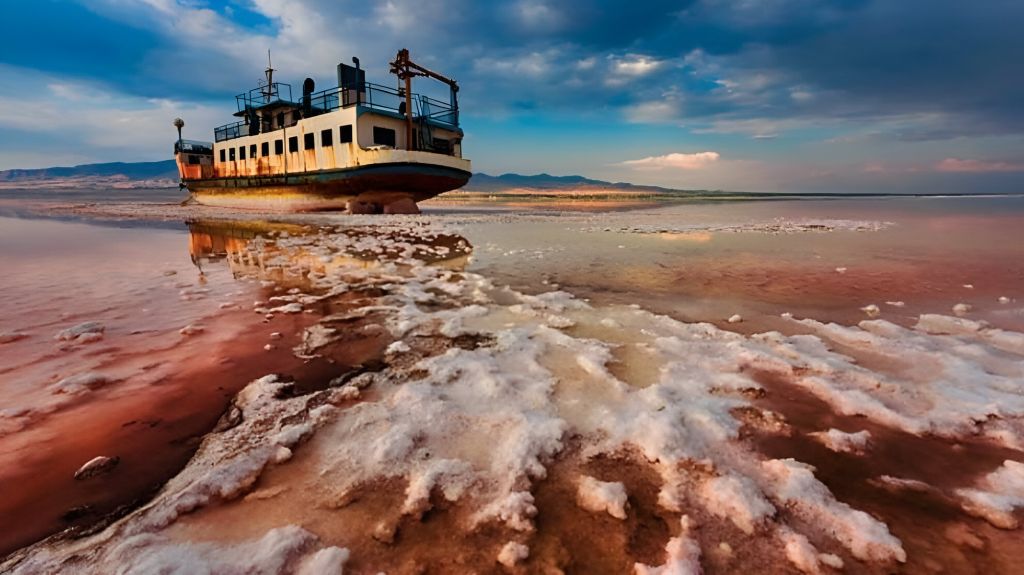
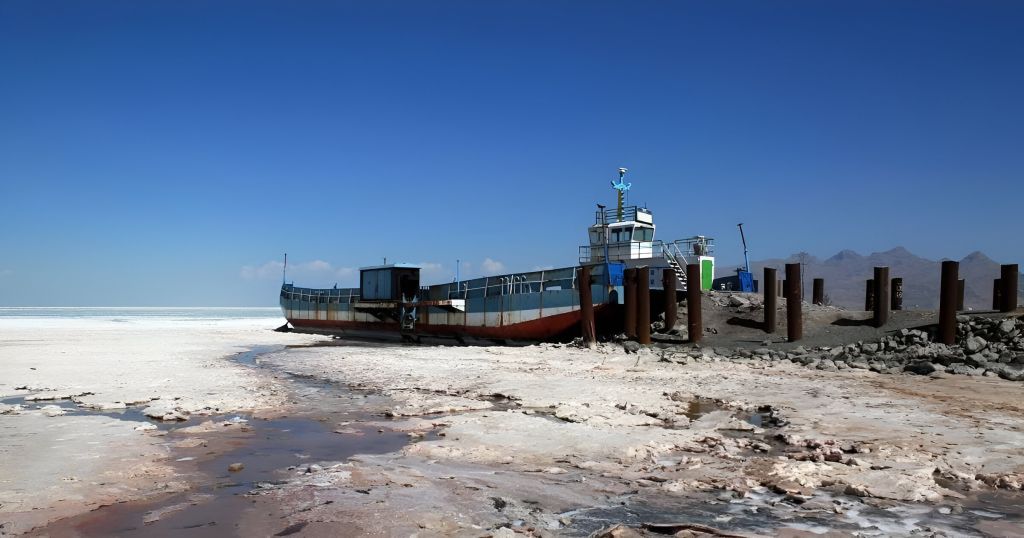
Lake Urmia, with an area of about 6,000 square kilometers, was once on the list of the largest saltwater lakes in the world. The lake's water was supplied by more than 60 rivers, including the Zarrineh Rud, Simineh Rud, Talkhe Rud, and Baranduz Chai. However, in recent years, due to climate change and reduced water inflow, the lake's water level has dropped sharply.
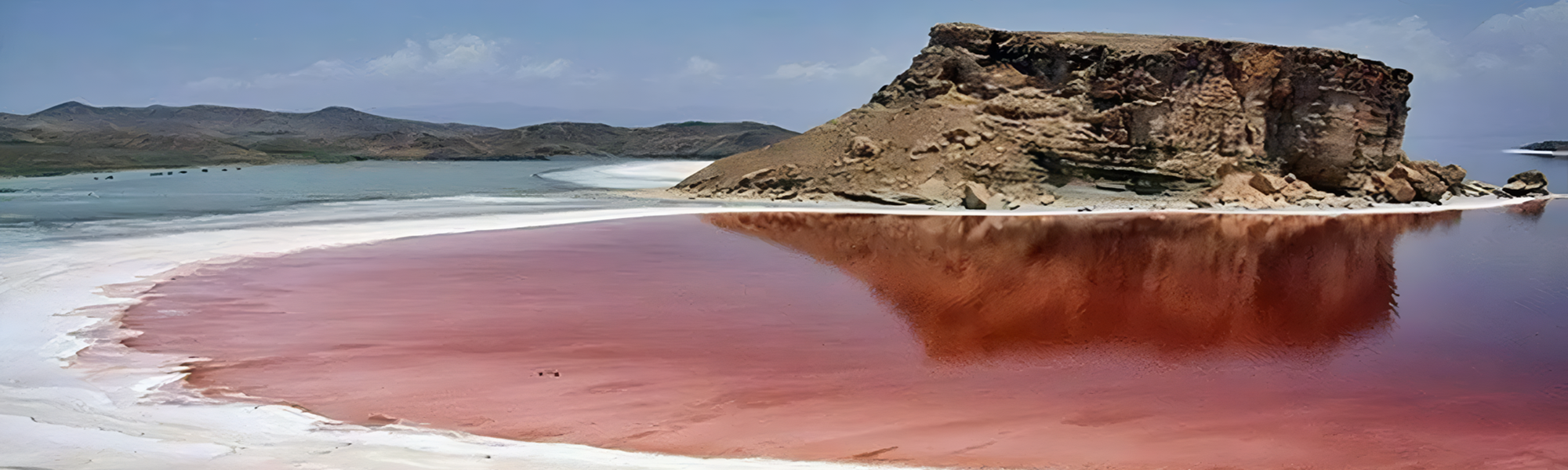
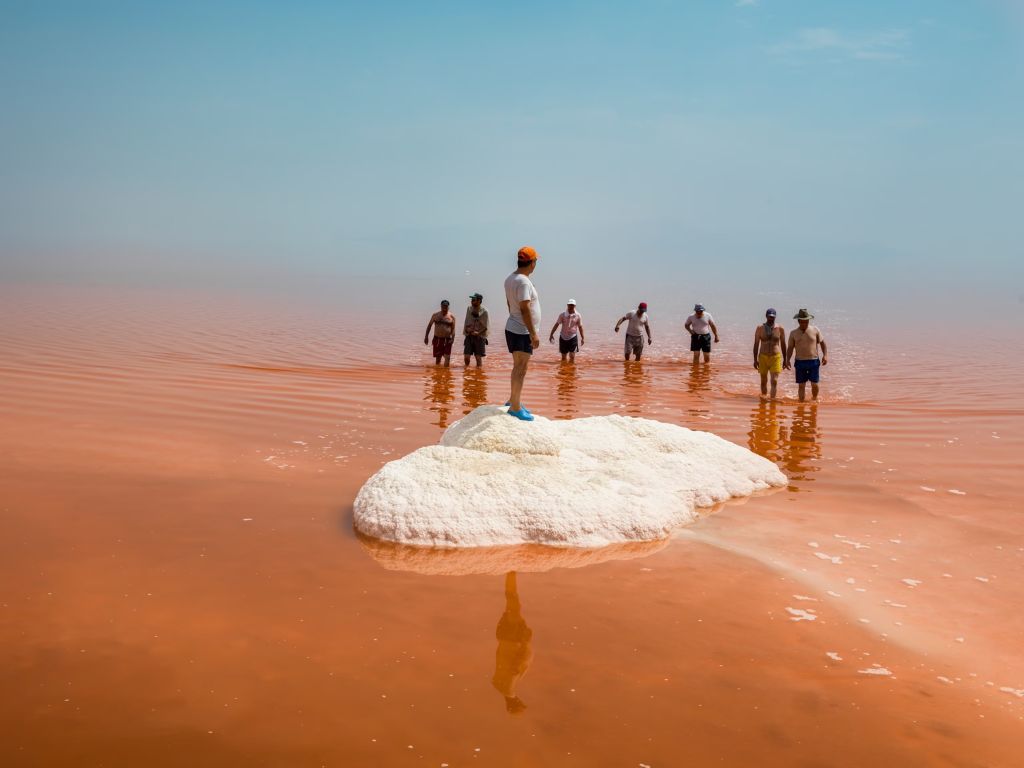
One of the unique features of Lake Urmia is its changing colors in some seasons. The high salinity of the water and microscopic activities cause the lake surface to change color to red and orange under certain conditions, creating a unique landscape. In addition, the lake’s salt dunes are another of its amazing features.
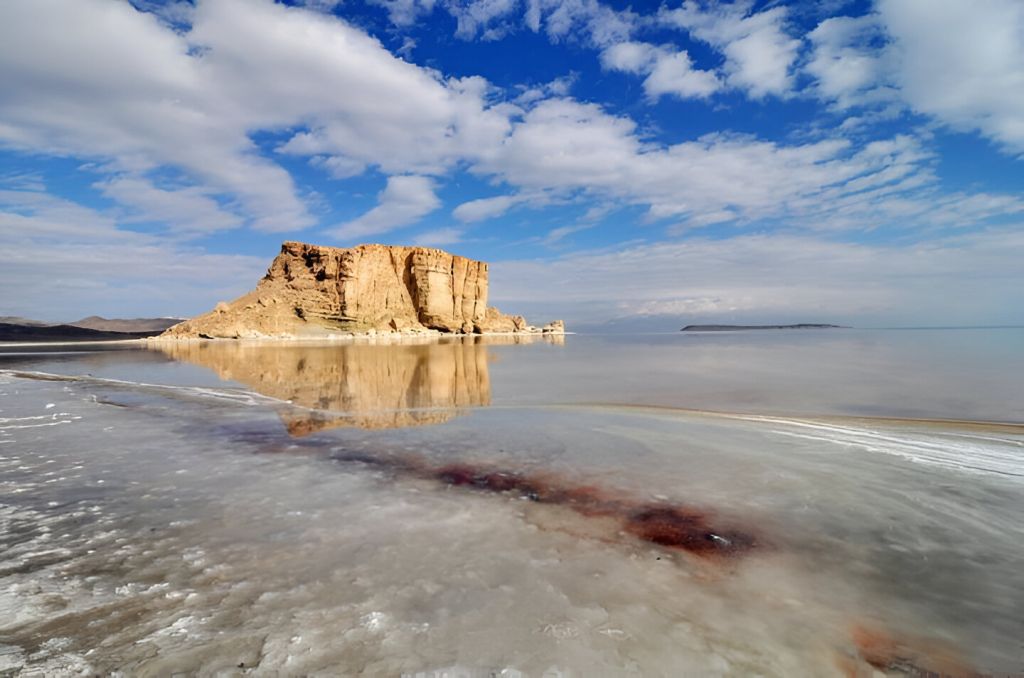
Lake Urmia hosts 102 islands, the most important of which are Shahi, Ashk, and Kabudan Islands. These islands were once home to the Iranian yellow deer, Armenian rams, and ewe lambs, but the decline in water levels has challenged the ecological balance of the region.
In recent decades, more than 95 percent of Lake Urmia has dried up, but extensive efforts are underway to restore this valuable ecosystem. Despite all the challenges, experts still hope that the lake will return to its glory days and continue to shine as one of Iran's most important natural attractions.
Lake Urmia is located 21 kilometers east of Urmia city, and its distance fr om the center of Urmia is about 53 kilometers and fr om the center of Tabriz is 93 kilometers. Several villages are located around the lake, the most important of which are Gogan, Shorgol, Golmankhaneh, and Ghoshchi.
History of Lake Urmia
Lake Urmia is one of the oldest and most important lakes in Iran, dating back thousands of years. The first historical references to this lake can be found in inscriptions from the 9th century BC, wh ere during the reign of Shalmaneser III, names such as "Matai" and "Parswah" are mentioned in connection with this area.
Throughout history, this lake has played a key role in various civilizations, including the Manaean people, and some sources consider the Hassanlu Hill in its south to be the place wh ere the Manaean people lived. During the Achaemenid and Parthian empires, Lake Urmia (known in ancient texts as "Chichest" and "Sputa") was one of the important centers of transportation, fishing, and salt extraction.
During the Sassanid period, salt production flourished in the region, and during the Islamic era, the lake was considered an important economic resource, and surrounding cities such as Tabriz became major commercial centers.
During the Qajar period, the lake was so important that foreign navigators, especially the French, paid the Iranian government large sums of money to acquire shipping privileges on the lake. This strategic importance continued until the Pahlavi era, but with population growth and industrial changes, the lake began to face environmental challenges.
Sightseeing near Lake Urmia
You can visit Saint Mary Church (Charbash) in Urmia, which is located 45.3 km from Lake Urmia.






Lake Urmia
Visitor Information
- Opening Hours:
- Monday: 05:00 – 12:00
- Tuesday: 05:00 – 12:00
- Wednesday: 05:00 – 12:00
- Thursday: 05:00 – 12:00
- Friday: 05:00 – 12:00
- Saturday: 05:00 – 12:00
- Sunday: 05:00 – 12:00
- Entrance: For free
- Region: West Azerbaijan Province
- City: Urmia
- Address: 21 km east of Urmia city, Darya Road
- Postal code: 5713618134
- Phone number: +984433489851
- Is open to public visitors: Yes