
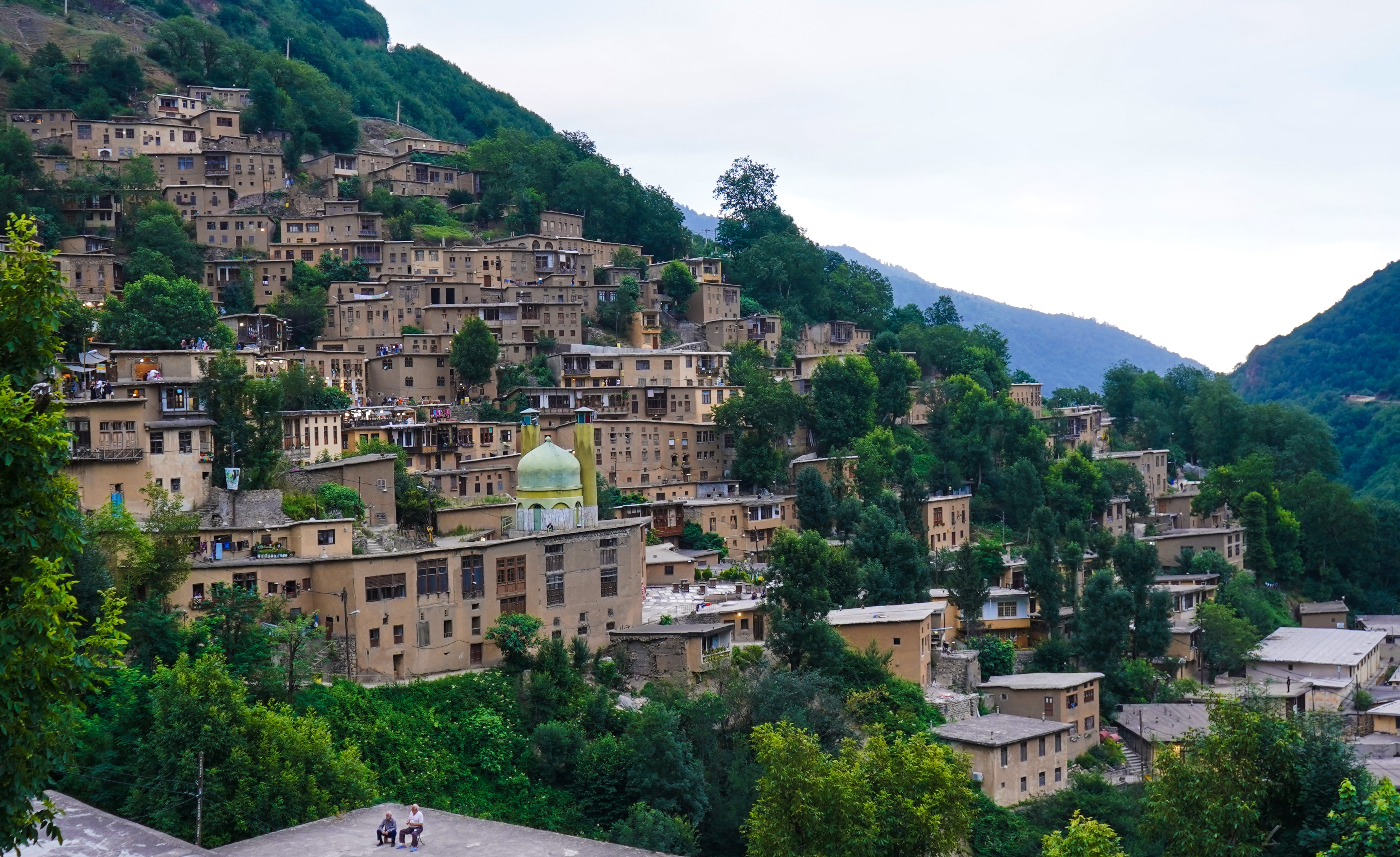
Masuleh Village: Iran’s Mountain Jewel of Architecture and Soul
- A History Rooted in Adaptation
- Architecture That Breathes With the Land
- Cultural Significance and Timeless Spirit
Tucked into the misty folds of the Alborz Mountains in Gilan Province, Masuleh Village is not just a place — it’s a feeling. With homes stacked like puzzle pieces on steep slopes and rooftops doubling as streets, this thousand-year-old settlement defies gravity and convention, offering visitors a glimpse into a lifestyle shaped by nature, resilience, and community.
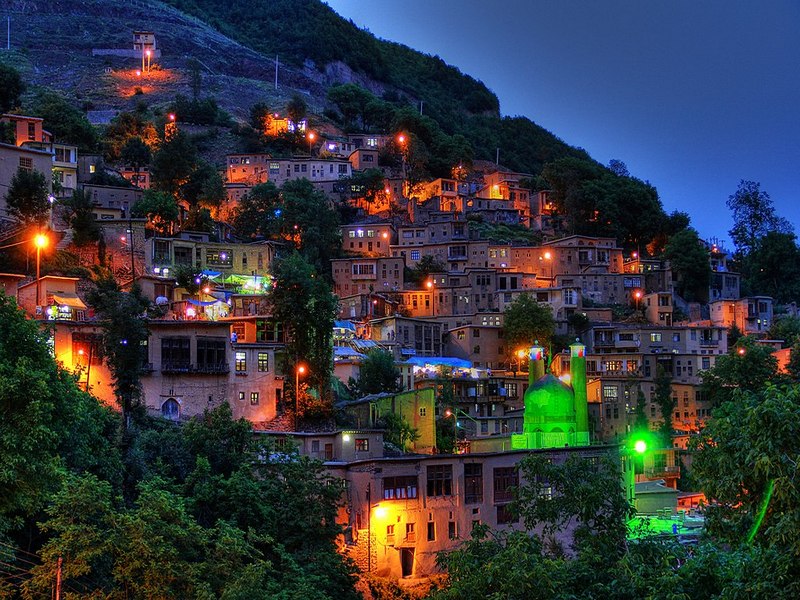
A History Rooted in Adaptation
Masuleh’s origins trace back to 1006 AD, though archaeological evidence suggests human presence in the region for over 7,000 years. The original settlement, known as Old Masuleh (Kohneh Masuleh), was located 6 kilometers northwest of the current village. After a series of calamities — including plague and attacks — residents relocated to the present site, choosing elevation for safety, sunlight, and climate comfort.
Historically, Masuleh thrived as a trade hub along the Silk Road, with iron mining and handicrafts fueling its economy. Its strategic location allowed it to flourish culturally and economically, becoming a melting pot of Gilaki and Talysh traditions.
Architecture That Breathes With the Land
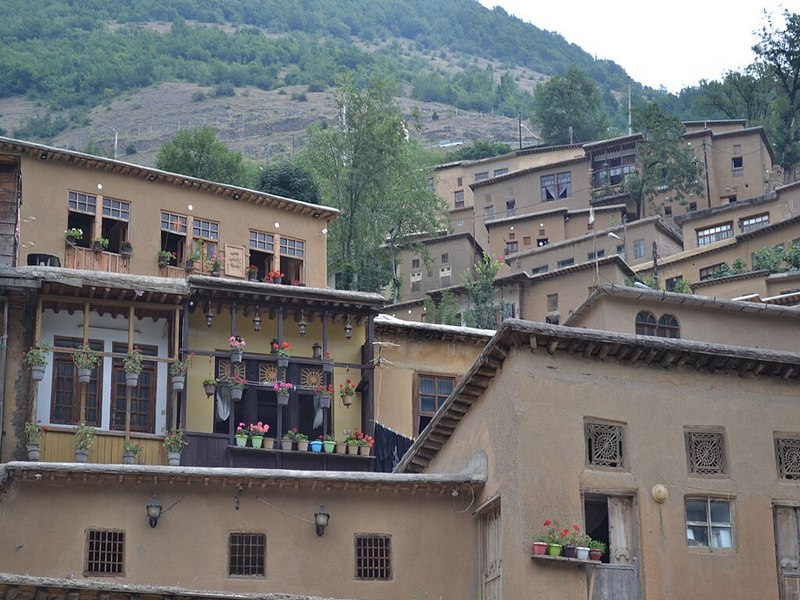
Masuleh’s architecture is a masterclass in vernacular design. Built by locals using stone, adobe, and wood, the homes cling to the mountainside in a stepped layout. The roof of one house serves as the courtyard or street for the house above — a design born of necessity and perfected by generations.
- No cars allowed: The village’s narrow alleys and steep paths make it Iran’s only settlement where vehicles are banned. Goods are moved by wheelbarrow, preserving the quiet charm.
- Earthquake-resistant design: Structures are anchored into the mountain using “koh deevar” (mountain wall) techniques, making them stable and enduring.
- Public space reimagined: Rooftops become communal walkways, gardens, and gathering spots, blurring the line between private and public life.
The village’s bazaar remains a vibrant center, where artisans sell woodwork, textiles, and traditional foods. South-facing facades are adorned with intricate lattice windows, letting in light while maintaining privacy.
Cultural Significance and Timeless Spirit
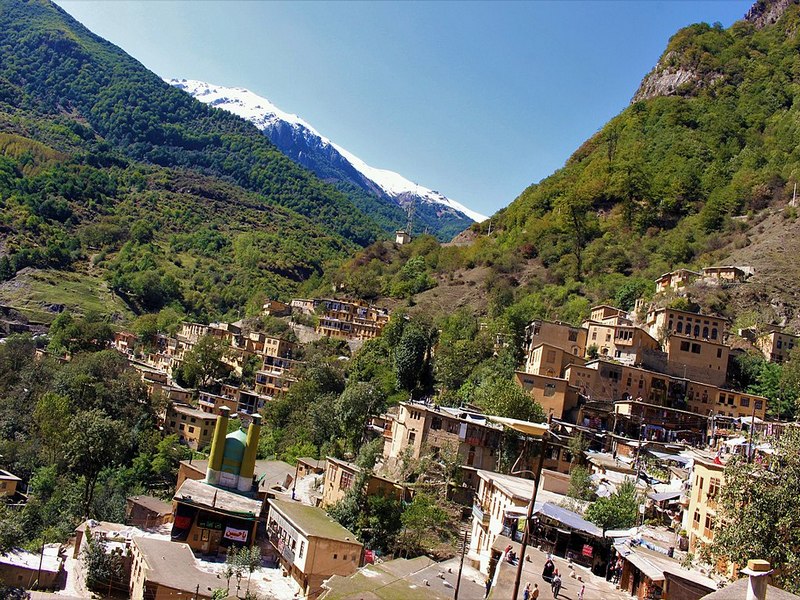
Masuleh is more than its buildings — it’s a living museum of Iranian mountain culture. The village hosts seasonal festivals, Nowruz celebrations, and gatherings in its teahouses, where the scent of woodsmoke and fresh coffee fills the air. Locals speak Talysh and Gilaki, preserving linguistic heritage alongside their crafts and customs.
Recognized for its cultural and architectural value, Masuleh is on the path to UNESCO World Heritage status. It stands as a symbol of sustainable living, where architecture respects terrain, and community thrives without modern excess.
Masuleh isn’t just a destination — it’s a reminder that beauty can rise from challenge, and that harmony between people and place is not only possible, but breathtaking.
I want to visit
Masuleh Village






Masuleh Village
Visitor Information
- Opening Hours:
- Monday: 09:00 – 23:00
- Tuesday: 09:00 – 23:00
- Wednesday: 09:00 – 23:00
- Thursday: 09:00 – 23:00
- Friday: 09:00 – 23:00
- Saturday: 09:00 – 23:00
- Sunday: 09:00 – 23:00
- Entrance: For free
- Region: Gilan Province
- City: Fuman
- Address: Fuman County, 32 kilometers west of Fuman City
- Postal code: 4167763499
- Phone number: +981333667510
- Is open to public visitors: Yes