

Naqsh-e Rajab: Sassanid Rock Reliefs Near Persepolis
- Historical Significance of Naqsh-e Rajab
- Major Rock Reliefs at Naqsh-e Rajab
- Artistic and Cultural Importance
- Location and How to Visit
Naqsh-e Rajab is one of Iran’s most impressive Sassanid archaeological sites, located just a few kilometers north of Persepolis and close to Naqsh-e Rustam in Fars Province. Known for its ancient rock carvings, this historical site offers a vivid look into the art, religion, and royal symbolism of the Sassanid Empire, one of the most powerful Iranian dynasties before the Islamic era.
Historical Significance of Naqsh-e Rajab
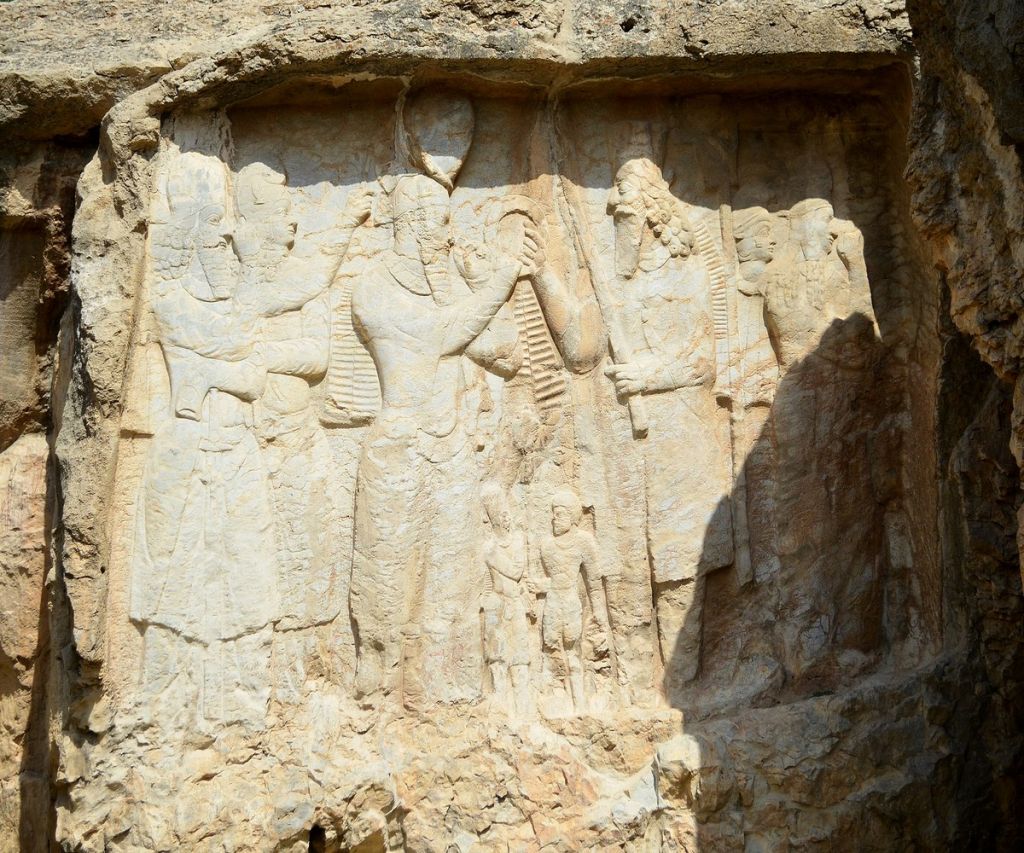
Dating back to the 3rd century CE, Naqsh-e Rajab showcases a series of intricate rock reliefs carved into the limestone cliffs during the early Sassanid period. These carvings celebrate the royal investiture ceremonies and victories of Sassanid kings and are considered valuable records of pre-Islamic Persian history and Zoroastrian symbolism.

Naqsh-e Rajab complements nearby sites like Persepolis and Naqsh-e Rustam, creating a historical triangle that offers deep insight into ancient Persian civilization, from the Achaemenid to the Sassanid era.
Major Rock Reliefs at Naqsh-e Rajab
There are four major bas-reliefs at Naqsh-e Rajab:
-
Investiture of Ardashir I
This relief depicts the founder of the Sassanid dynasty, Ardashir I, receiving the royal diadem from Ahura Mazda, the supreme god in Zoroastrianism. -
Investiture of Shapur I
One of the most iconic reliefs, it shows Shapur I being crowned, symbolizing his divine right to rule. Shapur is famous for his victories against Roman emperors. -
Victory of Shapur I
This scene illustrates Shapur I’s triumph over Roman Emperor Valerian, showcasing the power and dominance of the Sassanid Empire. -
High Priest Kartir's Inscription
Kartir, a prominent Zoroastrian priest, left a detailed Middle Persian inscription describing his religious achievements and influence across the empire.

Artistic and Cultural Importance
Naqsh-e Rajab is a prime example of Sassanid rock art, combining realistic portraiture with symbolic and religious elements. These carvings reflect the political authority, spiritual beliefs, and cultural sophistication of the Sassanid dynasty. The detailed clothing, facial expressions, and ceremonial scenes offer valuable information about royal rituals, Zoroastrian theology, and Persian artistic traditions.
Location and How to Visit
-
Location: About 3 km north of Persepolis and 1 km south of Naqsh-e Rustam, near Marvdasht, Fars Province
-
Access: Easily reachable by car or guided tours from Shiraz
-
Best Time to Visit: Spring and autumn for pleasant weather and better photography conditions
-
Nearby Attractions: Persepolis, Naqsh-e Rustam, Pasargadae






Naqsh-e Rajab
Visitor Information
- Opening Hours:
- Saturday: 08:30 – 17:00
- Sunday: 08:30 – 17:00
- Monday: 08:30 – 17:00
- Tuesday: 08:30 – 17:00
- Wednesday: 08:30 – 17:00
- Thursday: 08:30 – 17:00
- Friday: 08:30 – 17:00
- Entrance: Paid
- Cash/Credit Card accepted: Cash
- Region: Fars Province
- City: Marvdasht
- Address: Fars, Marvdasht city, 3 km from the northern part of Persepolis, Marvdasht-Saroui road
- Postal code: 7153744715
- Phone number: +987143341556
- Is open to public visitors: Yes