
National Museum of Iran: A Journey Through Persian History
- A Legacy of Architecture and Culture
- Museum of Ancient Iran
- Museum of Archaeology and Islamic Art of Iran
- Layout and Historical Periods Covered
- Why Visit the National Museum of Iran?
- Sightseeing Near National Museum of Iran
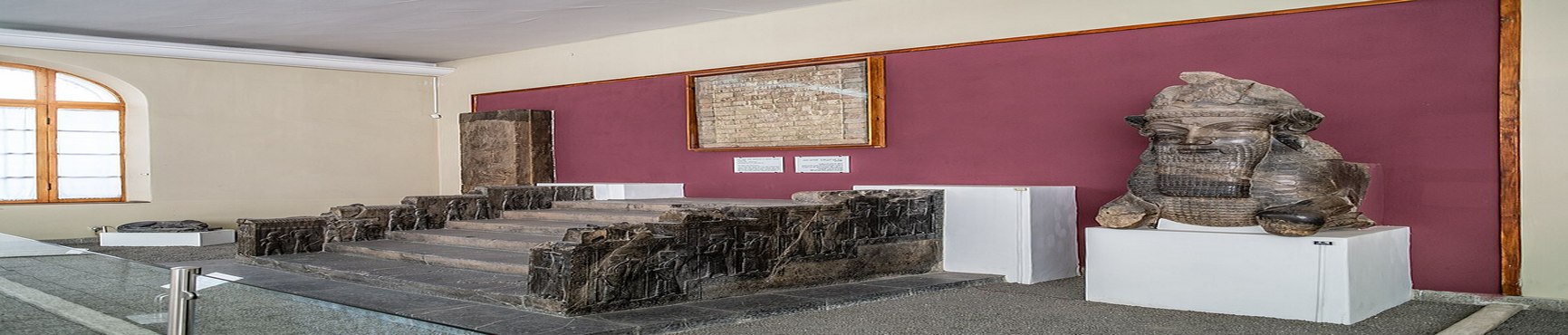
The National Museum of Iran, located in Tehran, is the country’s oldest, largest, and most prestigious museum, housing an extensive collection of archaeological treasures that span from the Paleolithic era to the Islamic period. This iconic cultural institution is comprised of two main sections: the Museum of Ancient Iran and the Museum of Archaeology and Islamic Art of Iran.
A Legacy of Architecture and Culture
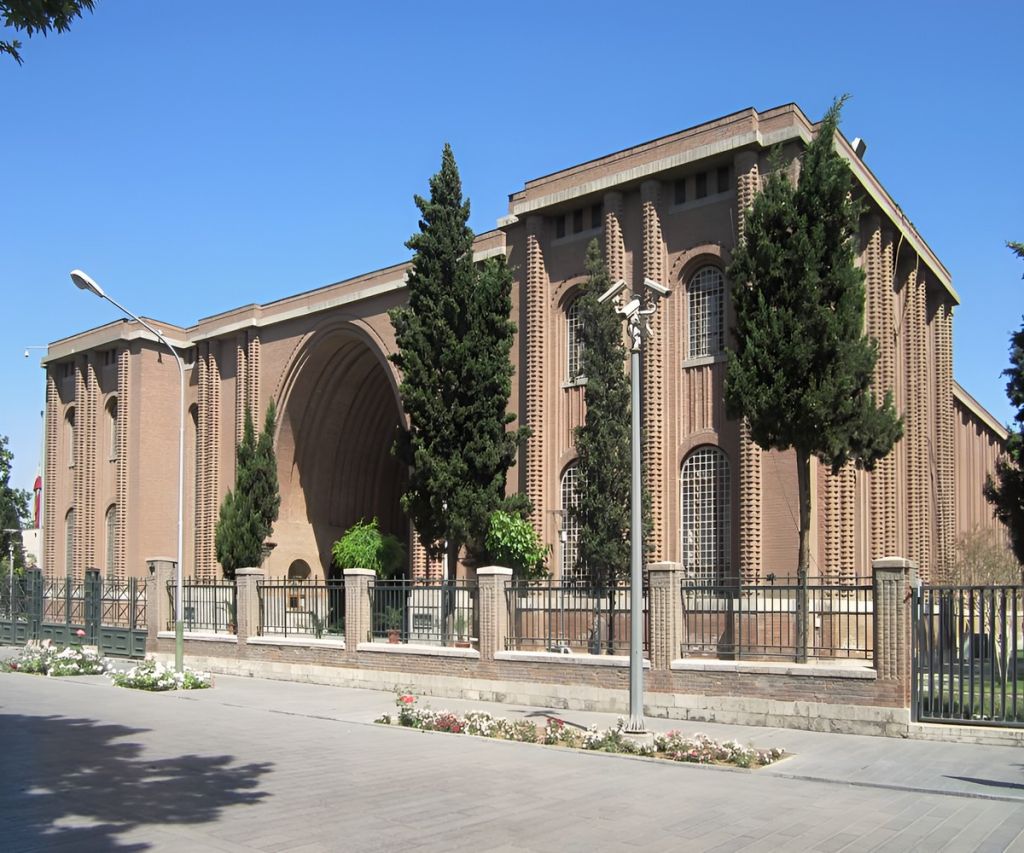
Established in 1937 (1316 AH), the museum is located in Iran's first purpose-built museum building. The architecture was designed by French architect André Godard, inspired by the legendary Kasra Arch, and constructed by Iranian architects Abbas Ali Memar and Professor Morad Tabrizi. The National Museum of Iran not only preserves the country's rich history but is also a historical landmark in its own right.
Museum of Ancient Iran
The Museum of Ancient Iran is divided into two primary sections:
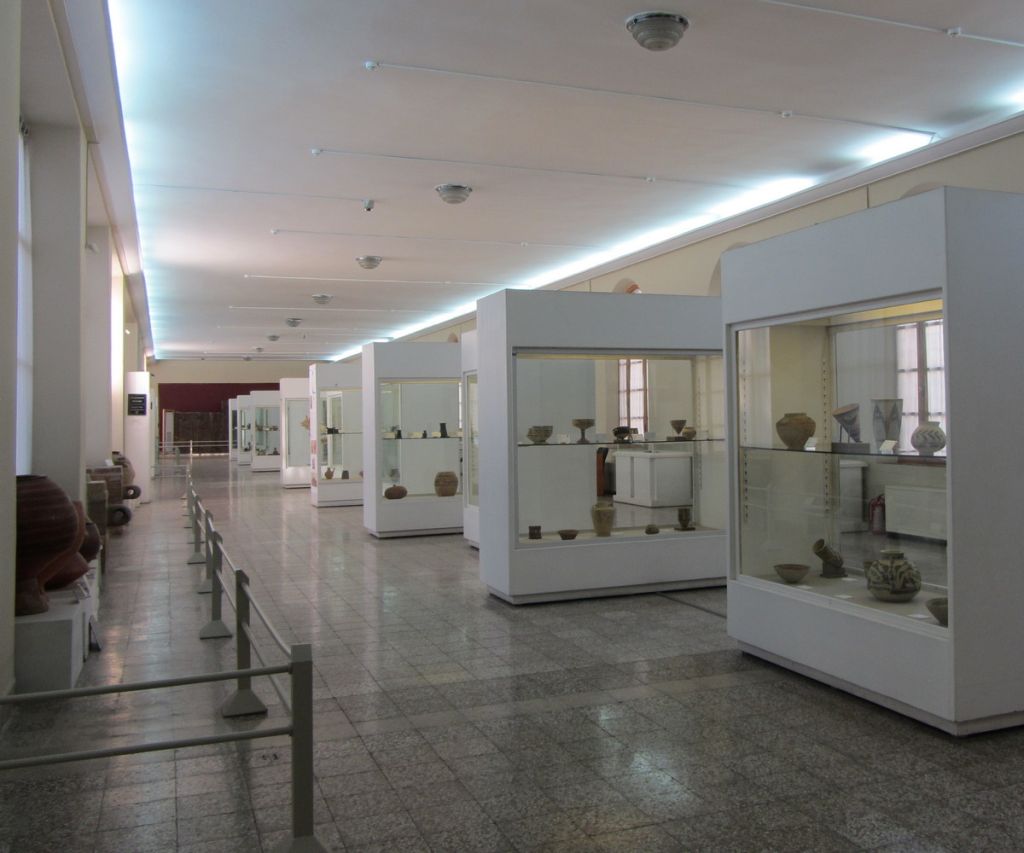
These galleries include items from key archaeological sites across Iran, making this museum a vital destination for understanding the foundations of Iranian civilization.
Museum of Archaeology and Islamic Art of Iran
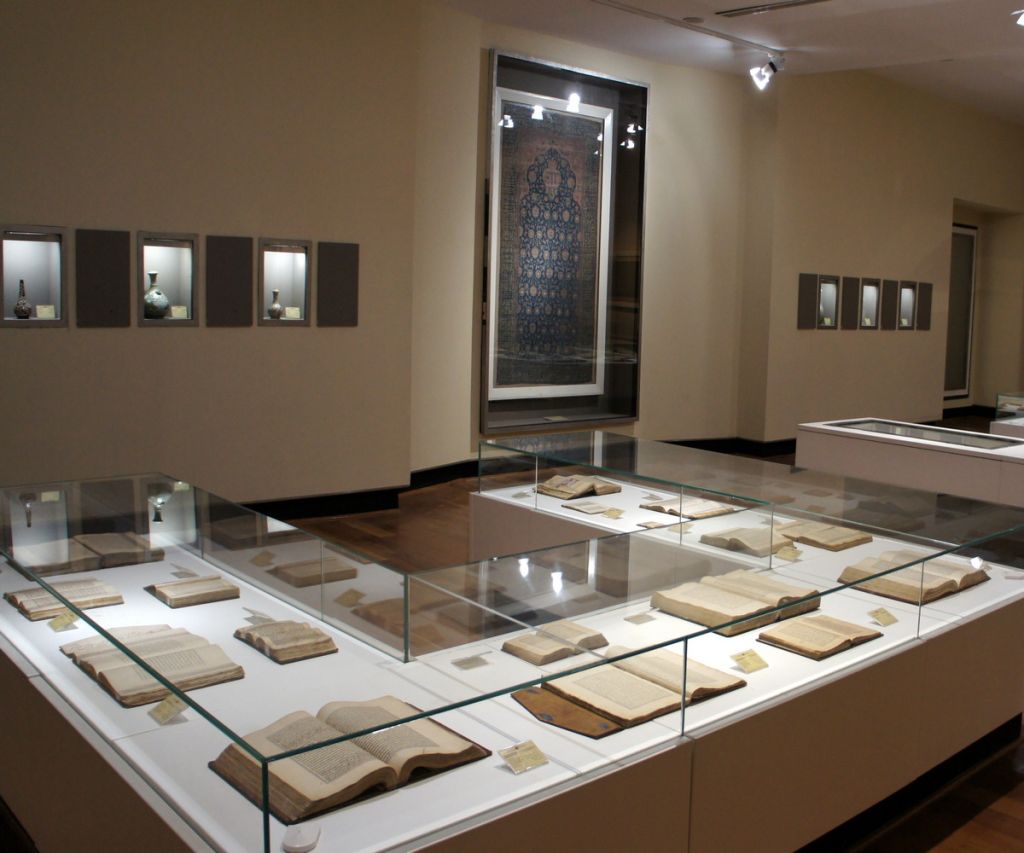
Built in 1996 (1375 AH) and later renovated and reopened in 2015 (1394 AH), this section of the National Museum spans 4,000 square meters over three floors. Its architectural design is inspired by the Sassanid Palace of Bishapur and features an octagonal cross layout.
Layout and Historical Periods Covered
The collection includes intricately designed manuscripts, metalwork, ceramics, textiles, and religious artifacts—many of which come from notable excavations and historical collections, such as the Shrine of Sheikh Safi al-Din Ardabili.
Why Visit the National Museum of Iran?
The National Museum of Iran offers a comprehensive journey through over 30,000 years of Iranian history and art. From prehistoric tools and ancient inscriptions to Islamic architecture and Qajar-era manuscripts, the museum is a must-visit destination for anyone interested in Persian culture, archaeology, and Islamic art.
Sightseeing Near National Museum of Iran
You can visit Iran Ebrat Museum and Masoudieh Palace which is located near National Museum of Iran.
I want to visit
National Museum of Iran






National Museum of Iran
Visitor Information
- Opening Hours:
- Monday: 09:00 – 18:00
- Tuesday: 09:00 – 18:00
- Wednesday: 09:00 – 18:00
- Thursday: 09:00 – 18:00
- Friday: 09:00 – 18:00
- Saturday: 09:00 – 18:00
- Sunday: 09:00 – 18:00
- Entrance: Paid
- Cash/Credit Card accepted: Cash
- Region: Tehran province
- City: Tehran
- Address: Imam Khomeini Street, beginning of Si Tir Street, Professor Rollin Street
- Postal code: 1136917111
- Phone number: +982166702061
- Is open to public visitors: Yes