
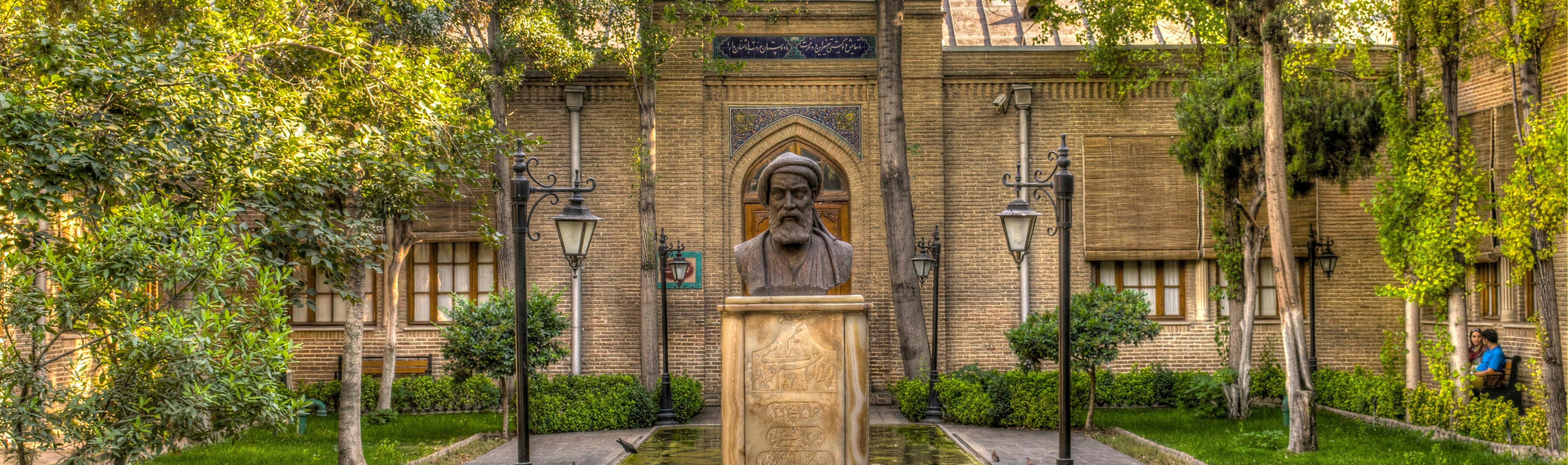
Negarestan Museum Garden: A Royal Canvas in the Heart of Tehran
- Architectural and Cultural Significance
- Location and Accessibility
- Historical Background
- Name Origin and Cultural Importance
- Artists and Architects Behind Negarestan
- Educational Transformation and Preservation
- Notable Alumni and Scholars
- Historic Events at Negarestan
- Attractions within the Negarestan Museum Garden
- Sightseeing near Negarestan Garden
If you're interested in exploring historical landmarks and traditional gardens, the Negarestan Garden Museum in Tehran is a captivating destination. Situated in Baharestan Square, this garden dates back to the Qajar era and was commissioned by Fath Ali Shah. Over time, it evolved into an educational hub for training artists and teachers, with notable figures such as the renowned painter Kamal-ol-Molk closely associated with it.
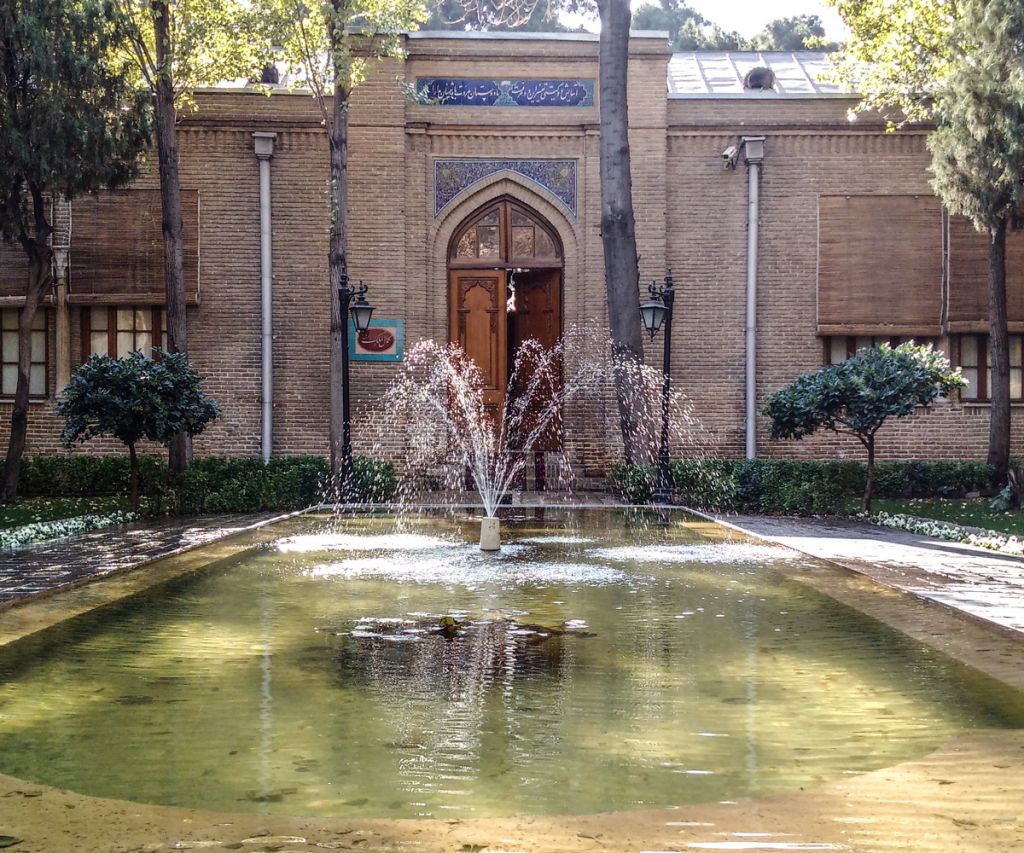
At the Negarestan Garden Museum, you can immerse yourself in the serene natural environment and admire the exquisite architecture. The fusion of historical design and lush landscaping has made it one of Tehran’s most prominent historical garden museums.
Architectural and Cultural Significance
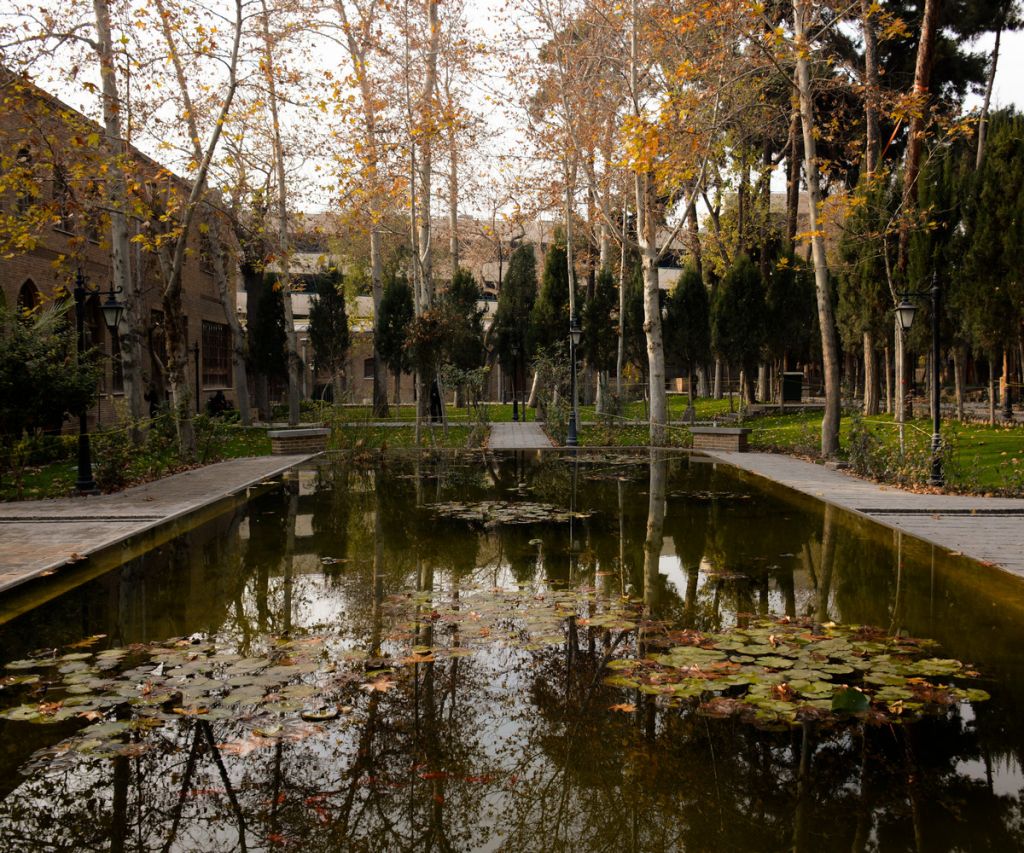
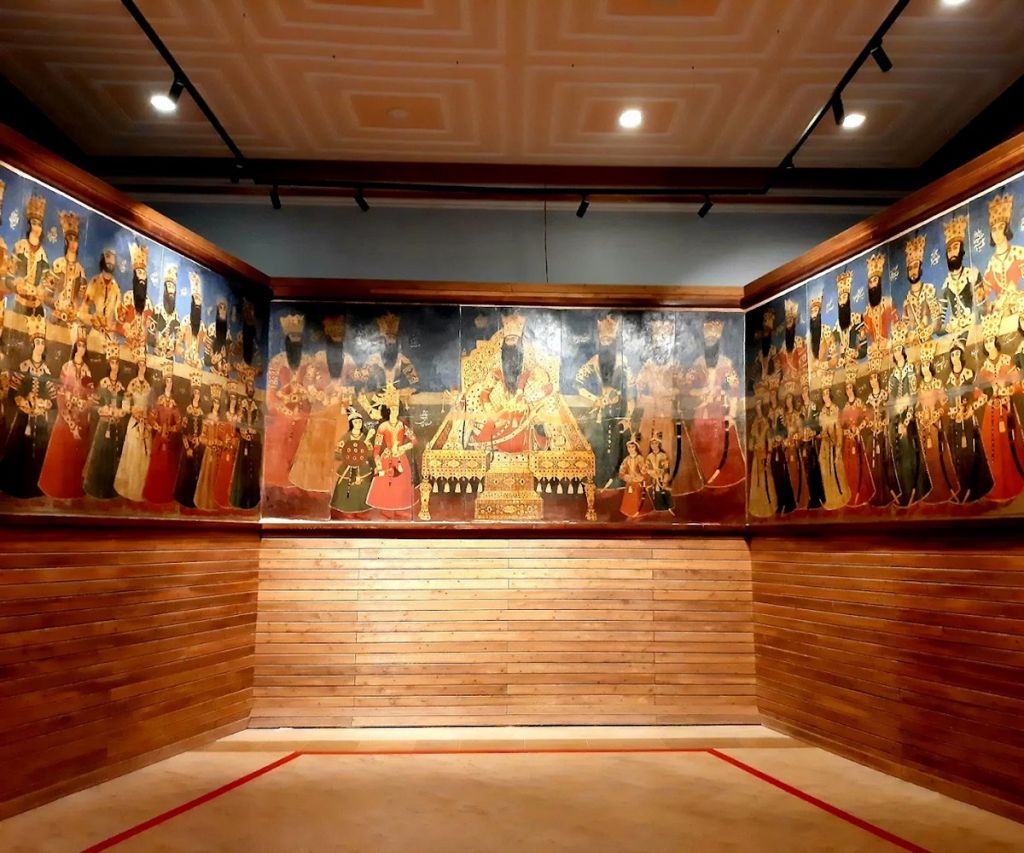
Negarestan Garden Museum is a fine example of old Tehran's architectural heritage, offering a harmonious blend of art, history, and nature. The layout, featuring ancient trees and brick pathways, remains largely untouched. Inside the museum halls, visitors can view valuable artworks, including the iconic "Saf Salam" oil painting depicting Fath Ali Shah and his courtiers.
Historically known as the "Great School," the complex educated many distinguished intellectuals such as Malek al-Shoara Bahar, Badi al-Zaman Forouzanfar, and Saeed Nafisi. Although the original area exceeded 43,000 square meters, today about 11,000 square meters remain—a breathtaking and well-preserved testament to the past.
Location and Accessibility
The Negarestan Garden Museum is located in north Baharestan Square, on Daneshsara Street—an old and culturally rich area of Tehran. Its strategic position makes it easily accessible from various major roads. It is bordered by Safi Ali Shah Street (east), Shemiran Gate (west), Baharestan Square (south), the Planning Organization (southwest), and Atashkadeh (Alaei) Street to the north.
Historical Background
Built about two centuries ago during the Qajar dynasty, this garden originally served as a royal summer residence. The complex once featured three main buildings, designed for official gatherings and state ceremonies. It was later named "Negarestan," meaning "place of paintings," due to its richly adorned walls.
One key structure was an octagonal pavilion at the center of the garden, which later became the National Arts Museum. While many sections were lost over time, a modern structure was built during the Pahlavi era, helping to preserve Tehran’s cultural identity.
Name Origin and Cultural Importance
The name “Negarestan” stems from the collection of exquisite Qajar-era paintings created by masters like Mirza Baba and Abdullah Khan. These artworks, showcased in the museum’s galleries, evoke the ambiance of a grand royal gallery. The garden also served administrative and educational roles, housing institutions such as the Ministry of Culture and the Planning Organization.
Artists and Architects Behind Negarestan
King Fath Ali Shah commissioned several court artists to create grand portrayals of royal ceremonies. One such notable piece is the “Salute Line” painting, symbolizing Qajar power and prestige. Painters like Mohammad Hassan Khan and architects including Abdullah Khan and Aghajan Isfahani played critical roles in shaping this artistic and architectural legacy.
Educational Transformation and Preservation
The Negarestan complex became home to several educational institutes from the Qajar to the Pahlavi era. It hosted the Falahat School, the School of Advanced Industries (under Kamal-ol-Molk), and the Higher Teachers’ College. From 1993, it came under the management of the University of Tehran and was registered on the National Heritage List in 1998.
Notable Alumni and Scholars
Over five decades, the garden became a cradle for Iranian intellectuals, including Dehkhoda, Forouzanfar, and Mohammad Moein. Today, statues honoring these figures stand in the garden, preserving their memory for future generations.
Historic Events at Negarestan
- Coronation of Mohammad Shah Qajar
- Assassination of Prime Minister Farrokh Khan Amin al-Dowleh in 1251 AH
- Establishment of Falahat School in 1318 AH
- Founding of the First Iranian Academy in 1314 AH
- Activity hub for Dehkhoda Dictionary and social science research from 1335 AH onward
Attractions within the Negarestan Museum Garden
The garden features multiple highlights:
- Negarestan Library: Designed by Russian architect Nikolai Markov in 1936; Parvin Etesami once served here.
- Kamal-ol-Molk Museum: Displays masterpieces by Kamal-ol-Molk and his students.
- Saf Salam Painting: A royal Qajar-era mural transferred from Qom to Tehran.
- Jahangir Arjomand Miniatures: Miniature sculptures made from recycled materials.
- Ferdowsi’s Statue: Funded by Iranian expats in Europe and sculpted by Lorenzi of France.
- Rouholamini Ethnographic Photos: Cultural snapshots of rural life in Kerman.
- Bahar’s Literary Archive: Includes manuscripts and memorabilia from Malek al-Shoara Bahar.
- Ali Esfarjani Miniatures: Donated collection combining leather mosaic and miniature art.
- Monir Farmanfarmaian Hall: Showcases over 50 mirror artworks and glass paintings.
- Tile Room: Preserves architectural tiles from 13th–14th centuries.
- Gholam Ali Malul Metalworks: Features over 100 handcrafted silver pieces from Isfahan.
- "Mirror of the Era" Project: Illustrations based on Bastani Parizi’s writings.
- Hossein Mahjoubi’s Paintings: Dreamlike artworks donated in 2021.
- Historical Classroom: A replica of a traditional Iranian educational space.
- Fathollah Ebad’s Paintings: Collection of 30 works displayed in a dedicated section.
- Hafeziyeh Pavilion: Inspired by Hafez’s tomb in Shiraz, offering a space for literary reflection.
Sightseeing near Negarestan Garden
The Negarestan Garden is surrounded by cultural and architectural landmarks, museums, and cafes that enhance your visit. The neighborhood’s traditional atmosphere makes it ideal for those interested in history and art. You can visit Masoudieh Palace which is located near Negarestan Garden and is one of the most beautiful attractions in Tehran.
I want to visit
Negarestan Museum Garden






Negarestan Museum Garden
Visitor Information
- Opening Hours:
- Monday: 09:00 – 17:00
- Tuesday: 09:00 – 17:00
- Wednesday: 09:00 – 17:00
- Thursday: 09:00 – 17:00
- Friday: 09:00 – 17:00
- Saturday: 09:00 – 17:00
- Sunday: 09:00 – 17:00
- Entrance: Paid
- Cash/Credit Card accepted: Cash
- Region: Tehran
- City: Tehran
- Address: Baharestan Square, Daneshsara Street, Shariatmadar Rafi Street
- Postal code: 4316111499
- Phone number: +982133119586
- Is open to public visitors: Yes