
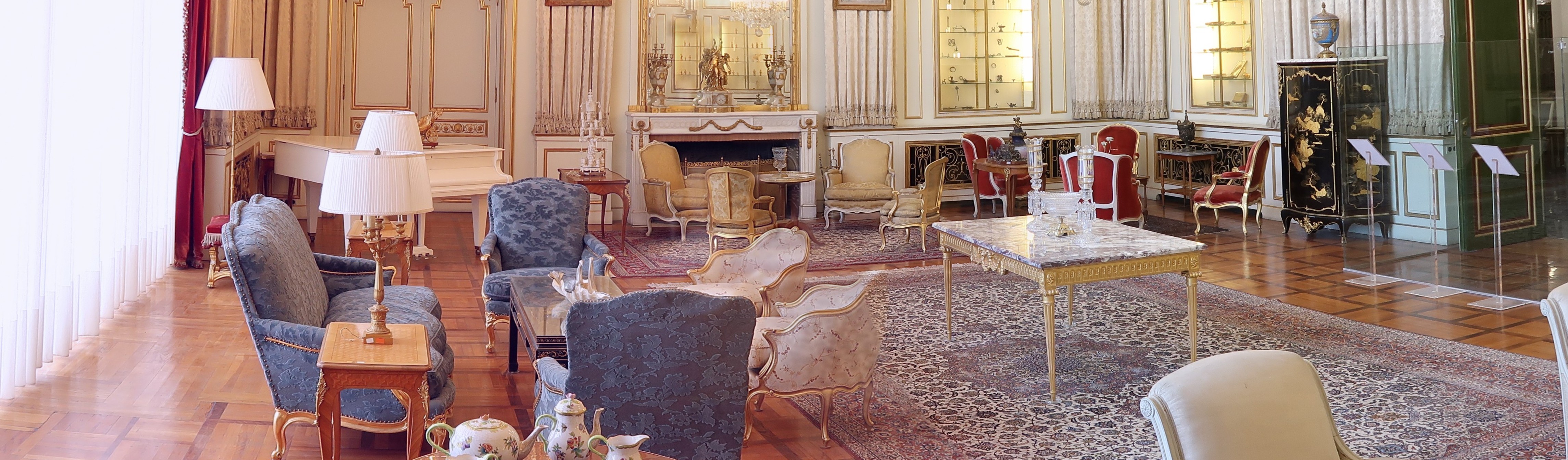
Niavaran Cultural-Historical Complex: A Royal Legacy in the Heart of Tehran
- Historical Background
- Architectural Evolution
- Main Attractions of the Complex
- Niavaran Private Palace (Exclusive Palace Museum)
- Sahebqaraniyeh Palace
- Kooshk Ahmad Shahi Pavilion
- Niavaran Private Library
- Jahan Nama Museum
- Royal Automobile Museum
- Other Attractions
- Post-Revolution Transformation
- Sightseeing near Niavaran Palace Complex
Nestled at the foothills of the Alborz Mountains in northern Tehran, the Niavaran Cultural-Historical Complex stands as one of Iran’s most prestigious heritage sites. Once the opulent summer retreat of Iranian royalty, this remarkable compound is now a public museum that showcases the artistic, cultural, and political history of modern Iran.
Historical Background
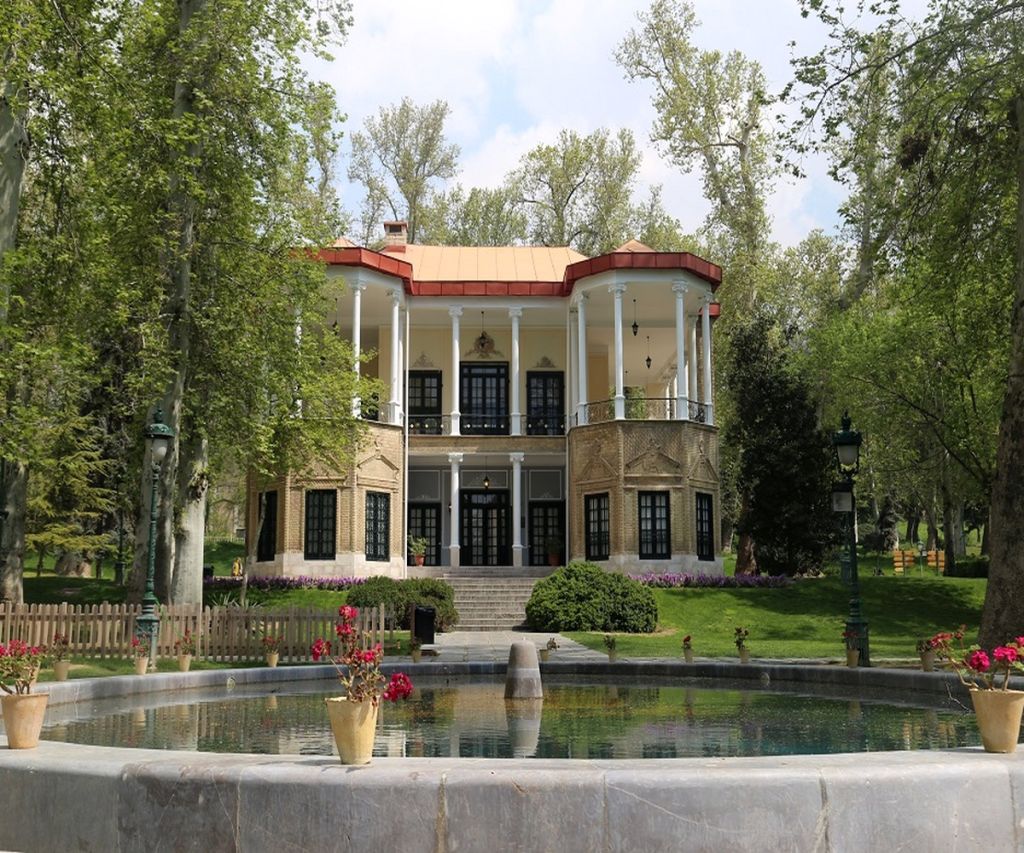
The origins of Niavaran date back to the Qajar era. In the early 19th century, Fath-Ali Shah Qajar, the second monarch of the Qajar dynasty, selected this verdant, high-altitude location as a summer resort. Amid the serene landscape and pleasant climate, he ordered the construction of several gardens, one of which became known as “Niavaran”—derived from Niy Avaran, meaning "place of reeds." Over time, the area developed into a royal residence used by successive Qajar and Pahlavi monarchs.
Architectural Evolution
Throughout its history, the Niavaran complex evolved in both form and function. Mohammad Shah Qajar constructed a modest building within the garden, and his successor Naser al-Din Shah ordered the creation of Sahebqaraniyeh Palace in 1851. Later, Ahmad Shah, the final ruler of the Qajar dynasty, added the exquisite Ahmad Shahi Pavilion, a poetic and elegant structure now admired for its fine architectural detailing.
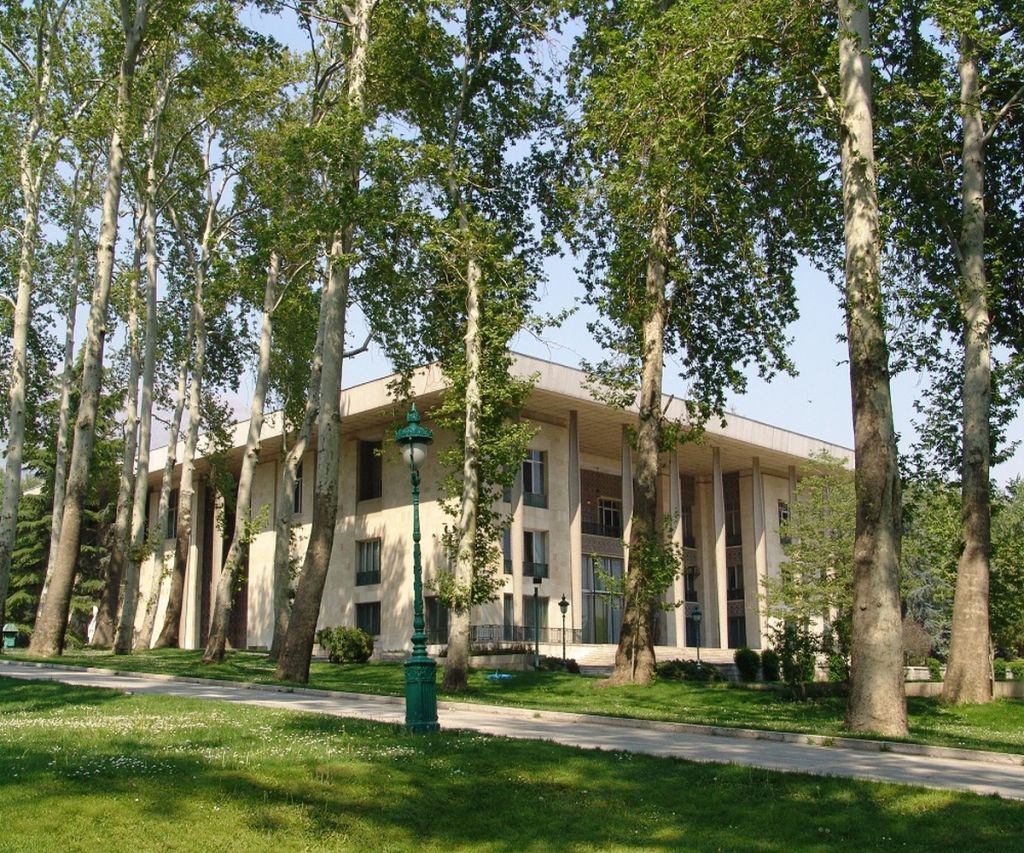
The most transformative phase occurred during the reign of Mohammad Reza Pahlavi, the last Shah of Iran. In the late 1950s, the Niavaran Private Palace (also known as the Exclusive Palace) was commissioned as a reception hall for dignitaries but was later repurposed as the royal family’s primary residence. Designed by Mohsen Foroughi and supervised by Abdol-Aziz Farmanfarmaian, the structure blended traditional Persian motifs with contemporary design elements, featuring a retractable aluminum roof and luxurious European furnishings.
Main Attractions of the Complex
Today, the Niavaran Complex includes several museums and historical buildings open to the public, each offering a unique glimpse into Iran's royal and artistic heritage:
Niavaran Private Palace (Exclusive Palace Museum)
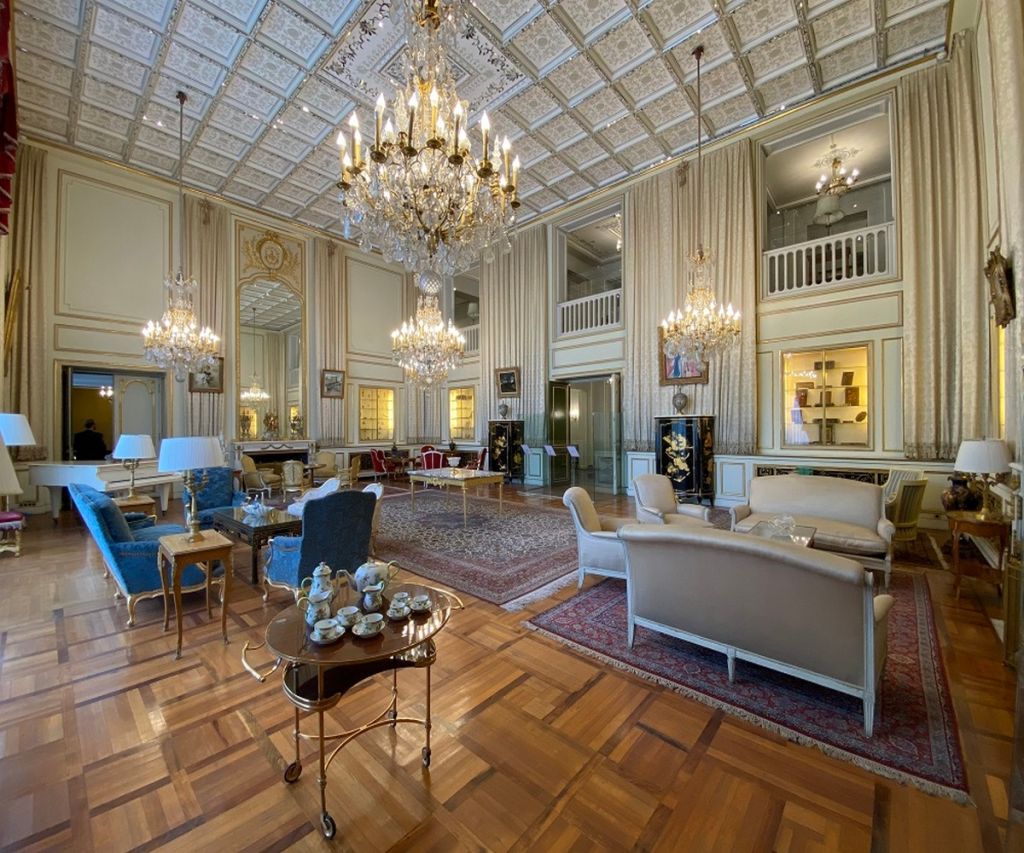
This modern palace served as the main residence of Mohammad Reza Shah and his family. It features:
- A grand quadrangular design inspired by Persian architecture
- A retractable ceiling in the main hall
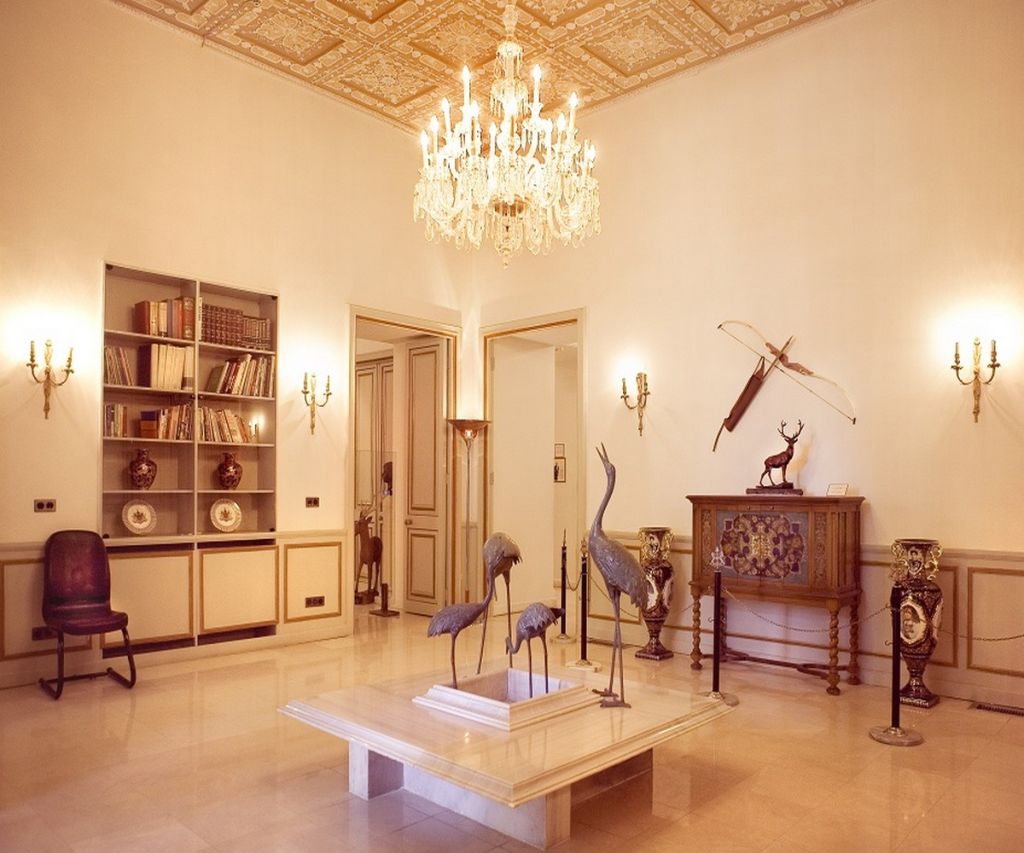
- Lavish interiors furnished by French and American designers
- Art collections, Persian carpets, tapestries, and porcelain from Sèvres and Rosenthal
Sahebqaraniyeh Palace
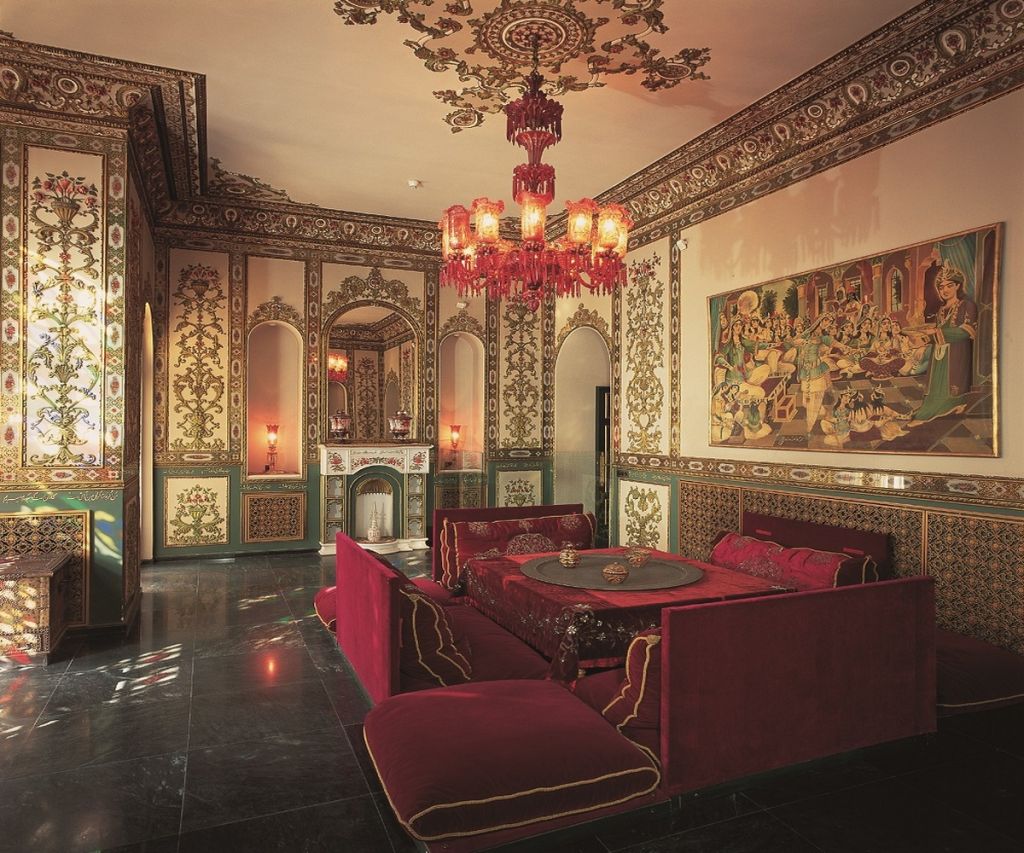
One of the oldest buildings in the complex, this 19th-century Qajar palace is a stunning example of Persian royal architecture. It was used as a royal office during the Pahlavi era and is adorned with intricate mirror work, stucco carvings, and antique furniture.
Kooshk Ahmad Shahi Pavilion
Built during the final years of the Qajar dynasty, this charming pavilion is known for its harmonious blend of traditional Iranian ornamentation and early 20th-century aesthetics. It was used as a study and retreat by members of the Pahlavi family.
The Ahmad Shahi Pavilion is a charming two-story structure located in the heart of Niavaran Garden, Tehran. Constructed in the late Qajar era for Ahmad Shah Qajar as a summer residence, the building covers over 800 square meters and features a distinctive pitched roof and elegant Persian design.
During the early Pahlavi era, the pavilion was repurposed as a residence for Crown Prince Mohammad Reza Pahlavi and his first wife, Queen Fawzia. It also briefly functioned as an administrative office for the Shah before the Sahebqaraniyeh Palace was restored and designated as his main office. Later, the pavilion served as the Adjutant Office.
Niavaran Private Library
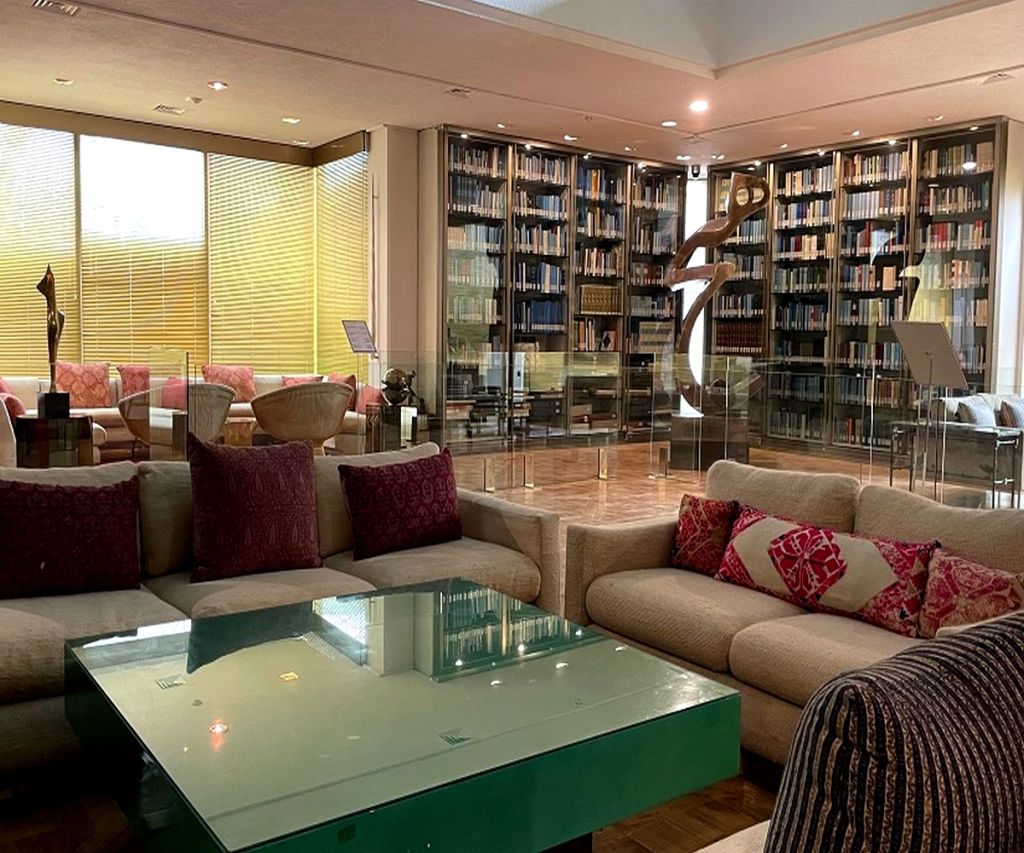
Constructed in the 1970s for Farah Pahlavi, the library contains more than 23,000 volumes in Persian, French, and English, covering a wide range of subjects from art and history to literature and politics. The interior design by Charles Sevigny features a sophisticated combination of mirrors, glass, and bronze inspired by Persian geometry and reflective light.
The Niavaran Private Library, located in the northeastern corner of the Niavaran Cultural-Historical Complex in Tehran, was established around 1976 (1355 AH). Designed as a quiet and exclusive space adjacent to the Pahlavi royal residence, the library spans two floors and a basement, with a total area of approximately 770 square meters. It was created specifically for Empress Farah Pahlavi as her personal library and study.
Jahan Nama Museum
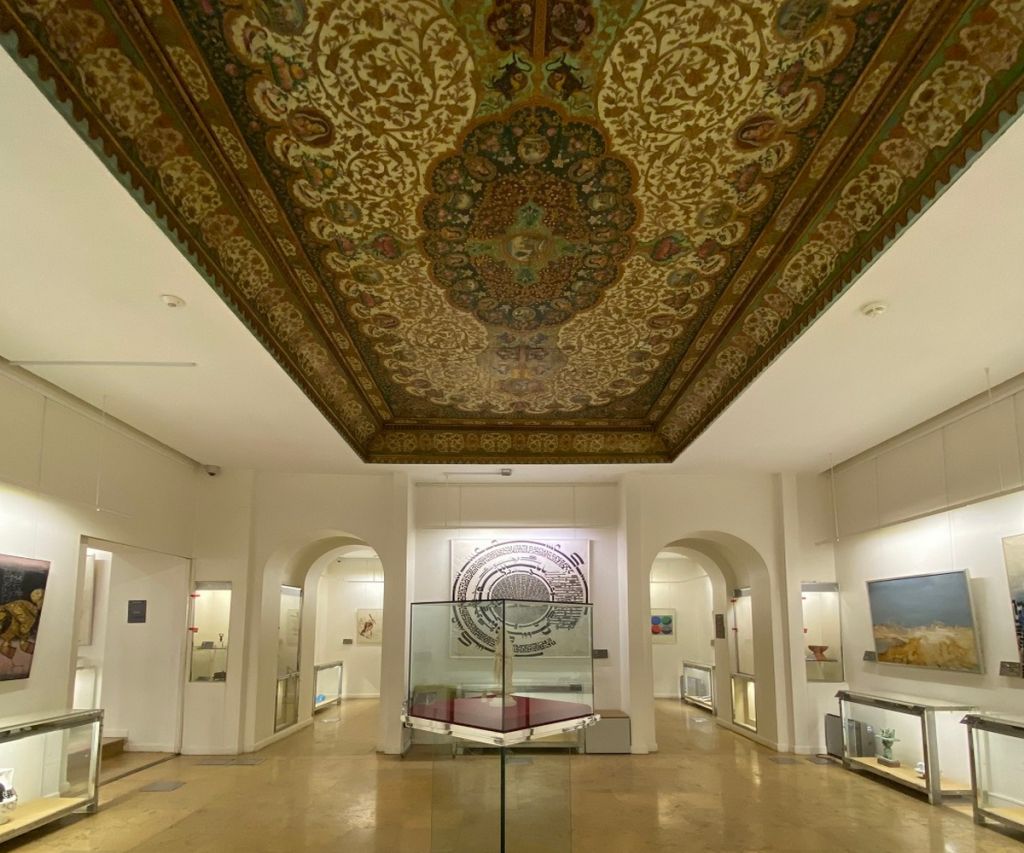
Located in the western wing of Sahebqaraniyeh Palace, the Jahan Nama Museum is one of the most culturally diverse attractions within the Niavaran Cultural-Historical Complex in Tehran. Opened in the 1970s to house artworks collected and received by the Pahlavi royal family, the museum officially reopened to the public in 1997 after the Islamic Revolution.
The museum’s unique atmosphere offers a global journey through art and history—all under one roof. With its mix of ancient relics and modern masterpieces, the Jahan Nama Museum is a must-visit destination for anyone passionate about art, heritage, and cultural tourism in Iran.
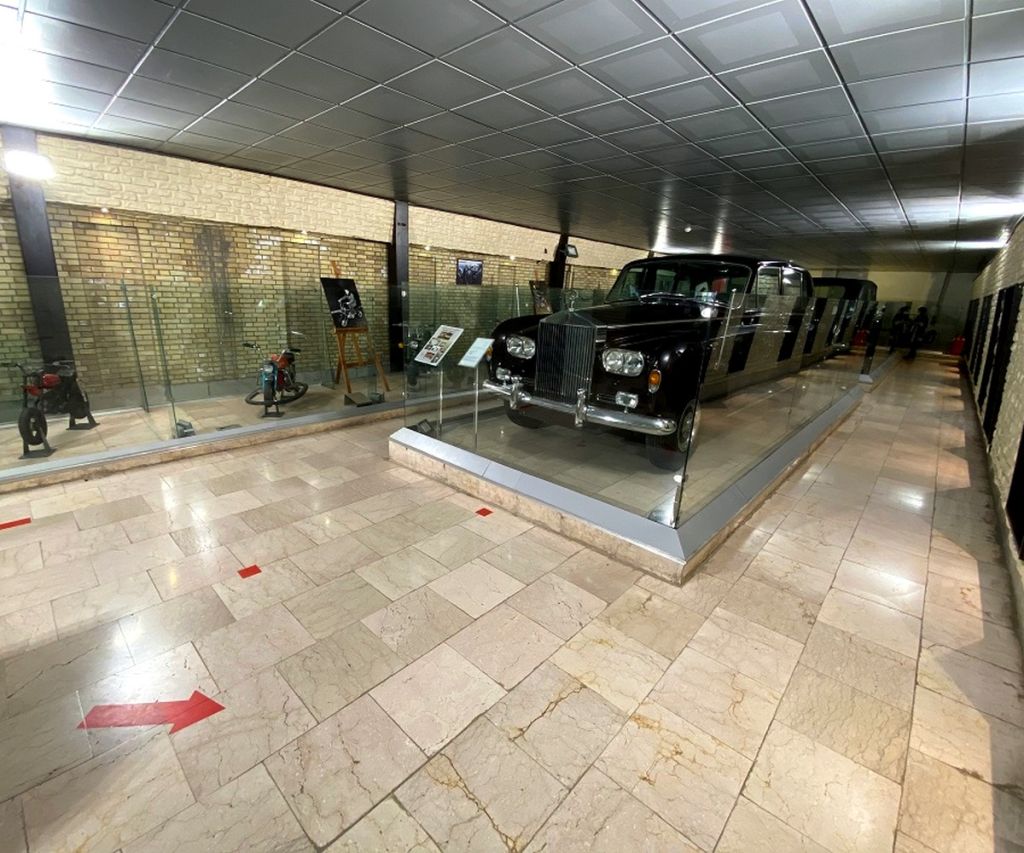
Royal Automobile Museum
The Royal Automobile Museum was established in April 2012 (Farvardin 1391) with the aim of organizing and preserving part of the artifacts stored in the Niavaran Complex’s collections. Its primary goals included enhancing the protection and maintenance of these vehicles, making them accessible to the public, creating a cultural connection with younger generations, expanding museum spaces, and attracting more visitors. Thanks to the continuous efforts of museum officials and experts, the project was rapidly completed and officially opened in July 2012.
Highlighted Vehicles on Display:
- 1966 Rolls-Royce Phantom
- 1977 Rolls-Royce Phantom
- Honda 90 ATC
- Honda 50 motorcycle
- CHIBI mini-motorcycle
- Lady Motor (scooter)
Other Attractions
- Garden of Inscriptions (Bagh-e Katibeh-ha) – An open-air space displaying stone carvings and calligraphy from various eras.
- Private Cinema – An intimate screening room once used by the royal family.
Post-Revolution Transformation
Following the 1979 Islamic Revolution, the Niavaran Complex was seized by revolutionary forces. Over time, it was transferred to the Ministry of Culture and Islamic Guidance and transformed into a museum complex. The Private Palace Museum officially opened its doors to the public in 1986, followed by the gradual opening of other buildings within the complex.
From 2003 to 2009, the complex underwent a major restoration program aimed at preserving its structural and artistic integrity. Restoration work included mirror and stucco repair, HVAC installation, roofing repairs, and the revival of its signature retractable ceiling. Today, all renovations respect the original design while modernizing the site for visitor comfort and safety.
Sightseeing near Niavaran Palace Complex
You can visit Tabiat Bridge(Water and Fire Park) and Milad Tower which is loacated near Niavaran Palace Complex.
I want to visit
Niavaran Palace Complex






Niavaran Palace Complex
Visitor Information
- Opening Hours:
- Monday: 10:00 – 19:00
- Tuesday: 10:00 – 19:00
- Wednesday: 10:00 – 19:00
- Thursday: 10:00 – 19:00
- Friday: 10:00 – 19:00
- Saturday: 10:00 – 19:00
- Sunday: 10:00 – 19:00
- Entrance: Paid
- Cash/Credit Card accepted: Cash
- Region: Tehran
- City: Tehran
- Address: Shahid Bahonar Square (Niavaran), Niavaran Historical Cultural Complex
- Postal code: 1136913431
- Phone number: +982122282012
- Is open to public visitors: Yes