
Ramsar Palace - Caspian Elegance and the Marble Legacy of the Pahlavi Era
- A Royal Legacy: The History of Ramsar Palace
- Architectural Elegance: A Blend of Cultures
- Nature’s Embrace: The Palace Gardens
- Plan Your Visit: When and How to Go
A Royal Legacy: The History of Ramsar Palace
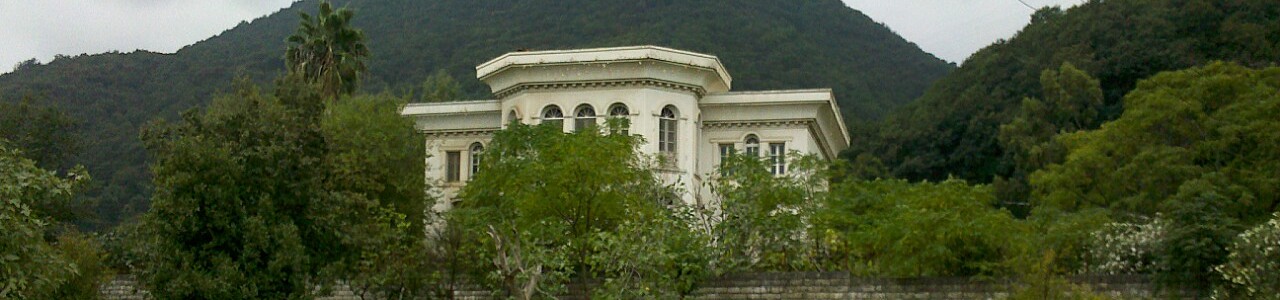
Nestled in the lush landscapes of northern Iran, Ramsar Palace — also known as the Marble Palace — stands as a testament to the grandeur of the Pahlavi era. Commissioned by Reza Shah in 1937, this elegant residence served as a summer retreat for the royal family, including his son Mohammad Reza Pahlavi and his wife Soraya Esfendiary-Bakhtiary, who famously honeymooned here. The palace was built on a sprawling 60,000 square meter estate, originally a historic garden, and has since become a symbol of Iran’s modern royal history. After the 1979 revolution, the palace was transformed into a public museum, now known locally as “Tamashagah Khazar” or the Caspian Museum.
Architectural Elegance: A Blend of Cultures
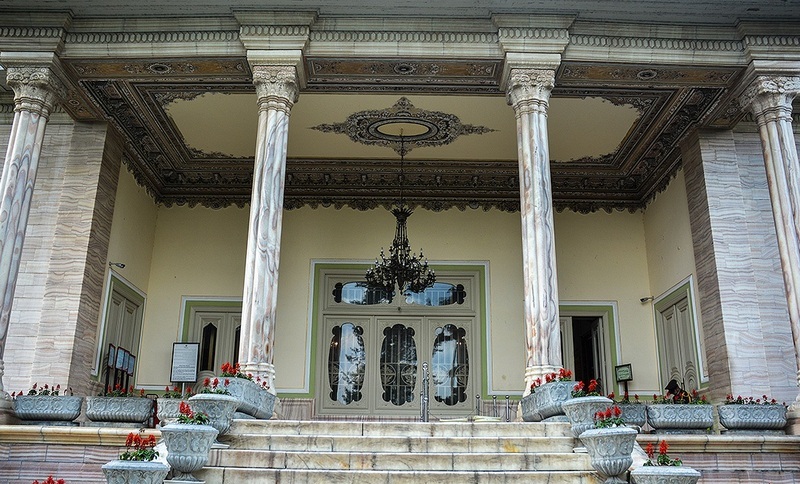
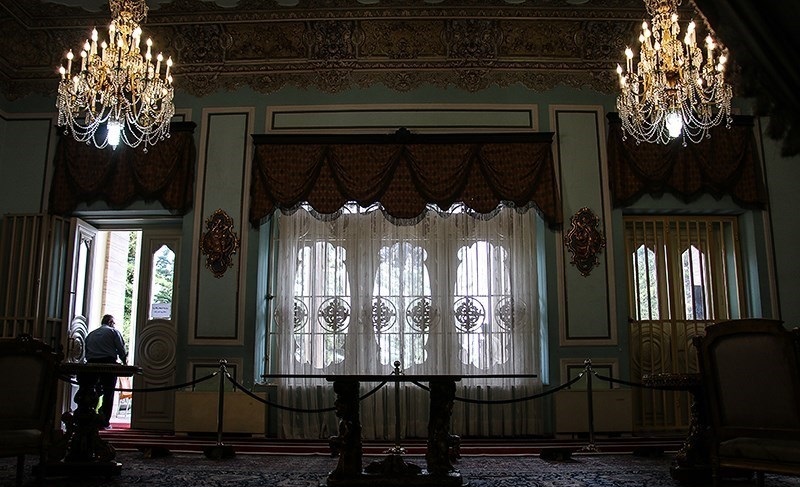
Ramsar Palace is a stunning fusion of Iranian and European architectural styles. Though modest in size — just 600 square meters — the palace is rich in detail and artistry. Its façade features intricately carved marble stones crafted by local artisans, while the interiors boast exquisite mirror work, plaster decorations, and paintings by renowned Iranian artists. The central hall, with its wooden flooring and elegant layout, evokes both intimacy and grandeur. The use of white and pink marble throughout the structure not only adds to its visual appeal but also reflects the palace’s nickname: the Marble Palace.
Nature’s Embrace: The Palace Gardens
Surrounding the palace is a breathtaking garden filled with towering trees, vibrant flowers, and serene landscaping. This 60-hectare green space offers visitors a tranquil escape and a glimpse into the royal lifestyle of the past. A notable feature is the decorative blue pool in front of the palace, home to ornamental caviar fish, and a towering pine tree known as the Kashefi Pine, planted in 2013. The garden’s design complements the palace’s elegance, making it a perfect spot for leisurely strolls and photography.
Plan Your Visit: When and How to Go
The best time to explore Ramsar Palace is during spring and summer, when the weather is cool and the surrounding nature is in full bloom. Accessing the palace is straightforward—drive through Ramsar City, head toward the historic Ramsar Hotel, and you’ll find the palace at the end of the street. Whether you're a history buff, architecture enthusiast, or nature lover, Ramsar Palace offers a rich and memorable experience that captures the essence of Iran’s royal past and natural beauty.






Ramsar Palace
Visitor Information
- Opening Hours:
- Monday: 08:00 – 20:30
- Tuesday: 08:00 – 20:30
- Wednesday: 08:00 – 20:30
- Thursday: 08:00 – 20:30
- Friday: 08:00 – 20:30
- Saturday: 08:00 – 20:30
- Sunday: 08:00 – 20:30
- Entrance: Paid
- Cash/Credit Card accepted: Cash
- Region: Mazandaran Province
- City: Ramsar
- Address: Ramsar, Sakhtsar, Ramsar Palace Museum
- Postal code: 46619-77947
- Phone number: +981155225374
- Is open to public visitors: Yes