
A Natural Marvel - Discovering Namakdan Cave
- Inside the Cave: A Symphony of Color and Crystal
- Healing Waters: Nature’s Own Therapy
- Nearby Attractions: Qeshm’s Wonders Await
- Visitor Tips: Planning Your Cave Adventure
- Capturing the Magic: Photography in the Salt Cave
- Final Thoughts: A Must-See Geosite in Iran
Namakdan Cave, located on Qeshm Island in southern Iran, is the longest salt cave in the world, stretching over 6.4 kilometers. Formed within the Namakdan Mountain, this geological wonder dates back to before the Cambrian period — over 570 million years ago. The cave is a centerpiece of Qeshm Geopark and a testament to the island’s ancient natural history, drawing geologists, nature lovers, and curious travelers from around the globe.
Inside the Cave: A Symphony of Color and Crystal
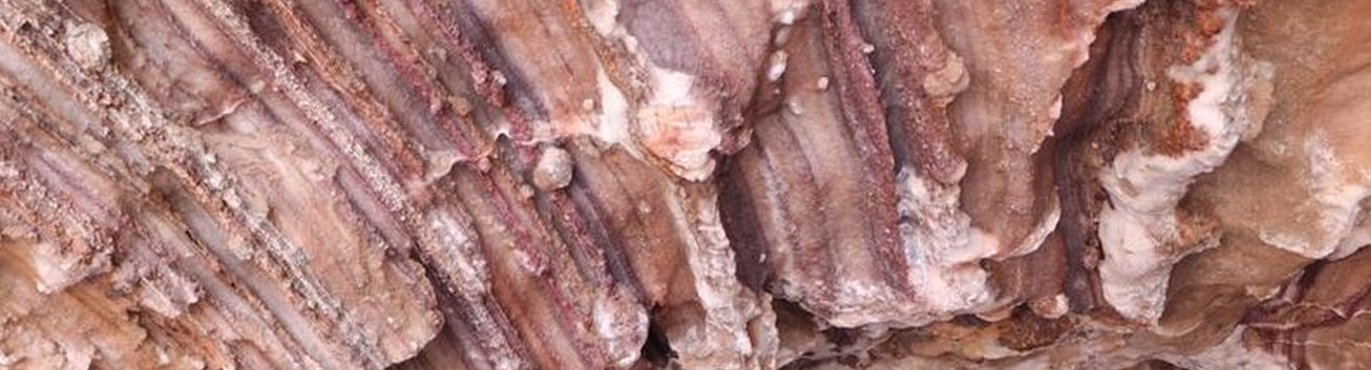
Step into Namakdan Cave and you’re greeted by a surreal landscape of shimmering salt crystals, colorful mineral layers, and flowing saltwater streams. The cave’s walls sparkle with hues of pink, purple, blue, and crimson red, thanks to the presence of various minerals like hematite and iron oxide. Stalactites and stalagmites formed from dripping saturated saltwater create ever-evolving sculptures, making each visit a unique experience.
Healing Waters: Nature’s Own Therapy
Beyond its visual splendor, Namakdan Cave is believed to offer therapeutic benefits. The salt found here is rich in magnesium and is said to help with respiratory conditions and skin ailments. Locals and athletes alike use the salt for its healing properties, and spending time in the cave is considered beneficial for overall wellness. It’s a natural spa hidden beneath the earth’s surface.
Nearby Attractions: Qeshm’s Wonders Await
While Namakdan Cave is a highlight, Qeshm Island offers a wealth of other attractions. Just a short drive away is the Chahkooh Canyon, a dramatic geological formation carved by centuries of erosion. The Hara Forest, a mangrove ecosystem, provides opportunities for birdwatching and boat tours. Don’t miss the Stars Valley, a mystical landscape shaped by wind and rain, perfect for sunset photography.
Visitor Tips: Planning Your Cave Adventure
Visiting Namakdan Cave requires some preparation. The best time to explore is during cooler months, especially winter. Wear sturdy shoes for walking on slippery salt surfaces and bring gloves to protect your hands from sharp crystals. A flashlight is essential, as parts of the cave are dark and the light enhances the sparkle of the salt formations.
Capturing the Magic: Photography in the Cave
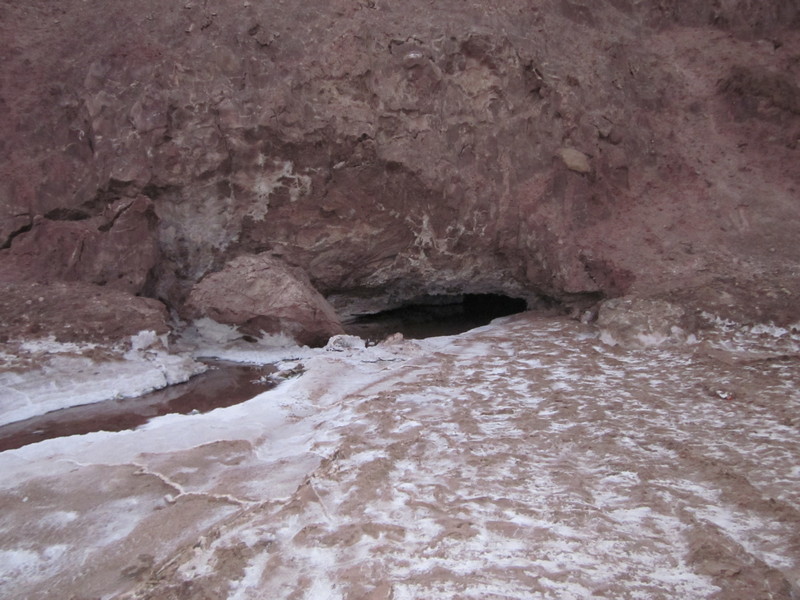
Photographers will find Namakdan Cave a dream location. The interplay of light and salt crystals creates mirror-like reflections and surreal compositions. The natural white pool at the cave’s entrance, formed by saltwater streams, offers a stunning foreground for landscape shots. Whether you're a professional or a casual snapper, the cave promises unforgettable visuals.
Final Thoughts: A Must-See Geosite in Iran
Namakdan Cave is more than just a tourist attraction — it’s a geological treasure and a spiritual experience. Its ancient origins, therapeutic qualities, and breathtaking beauty make it a must-visit destination on Qeshm Island. Whether you're seeking adventure, healing, or awe, this salt cave delivers a journey deep into the heart of nature’s artistry.






Salt Cave
Visitor Information
- Opening Hours:
- Monday: 08:00 – 17:00
- Tuesday: 08:00 – 17:00
- Wednesday: 08:00 – 17:00
- Thursday: 08:00 – 17:00
- Friday: 08:00 – 17:00
- Saturday: 08:00 – 17:00
- Sunday: 08:00 – 17:00
- Entrance: Paid
- Cash/Credit Card accepted: Credit Card
- Region: Hormozgan
- City: Qeshm
- Address: 90 kilometers from Qeshm city, southwestern end of the island
- Postal code: 7915957913
- Phone number: +987633687197
- Is open to public visitors: Yes