
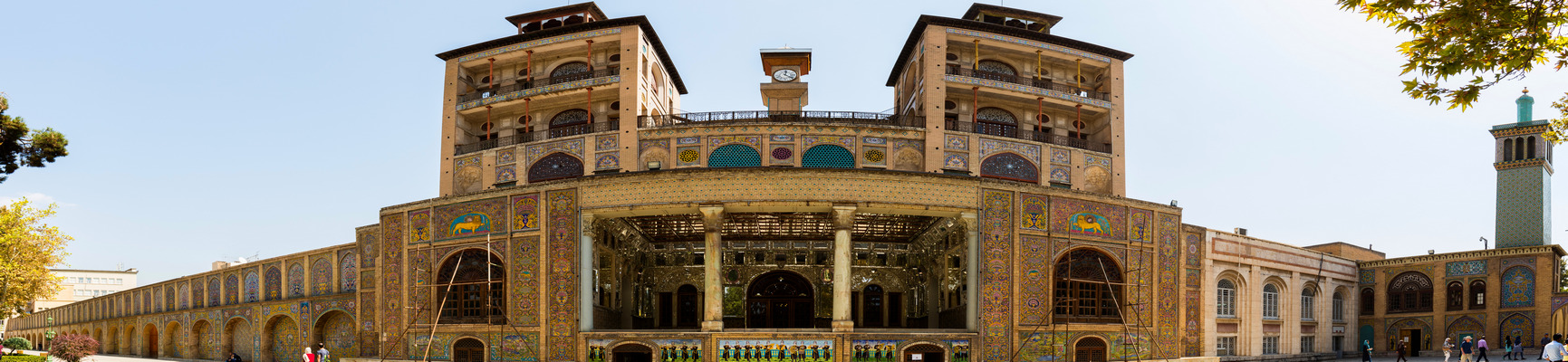
Shams-ol-Emareh: A Qajar-Era Masterpiece in the Heart of Tehran
- Historical Background of Shams-ol-Emareh
- Architectural Significance
- Cultural and Political Importance
- Visiting Information
- Nearby Attractions
Shams-ol-Emareh, meaning “Edifice of the Sun”, is one of the most iconic architectural landmarks in Tehran, Iran. Situated within the historic Golestan Palace complex, this striking building reflects the grandeur of Qajar dynasty aesthetics and remains a symbol of Iran’s modernization during the 19th century.
Built during the reign of Naser al-Din Shah Qajar, Shams-ol-Emareh stands as one of the earliest examples of multi-story architecture in Tehran, combining Persian tradition with European influences.
Historical Background of Shams-ol-Emareh
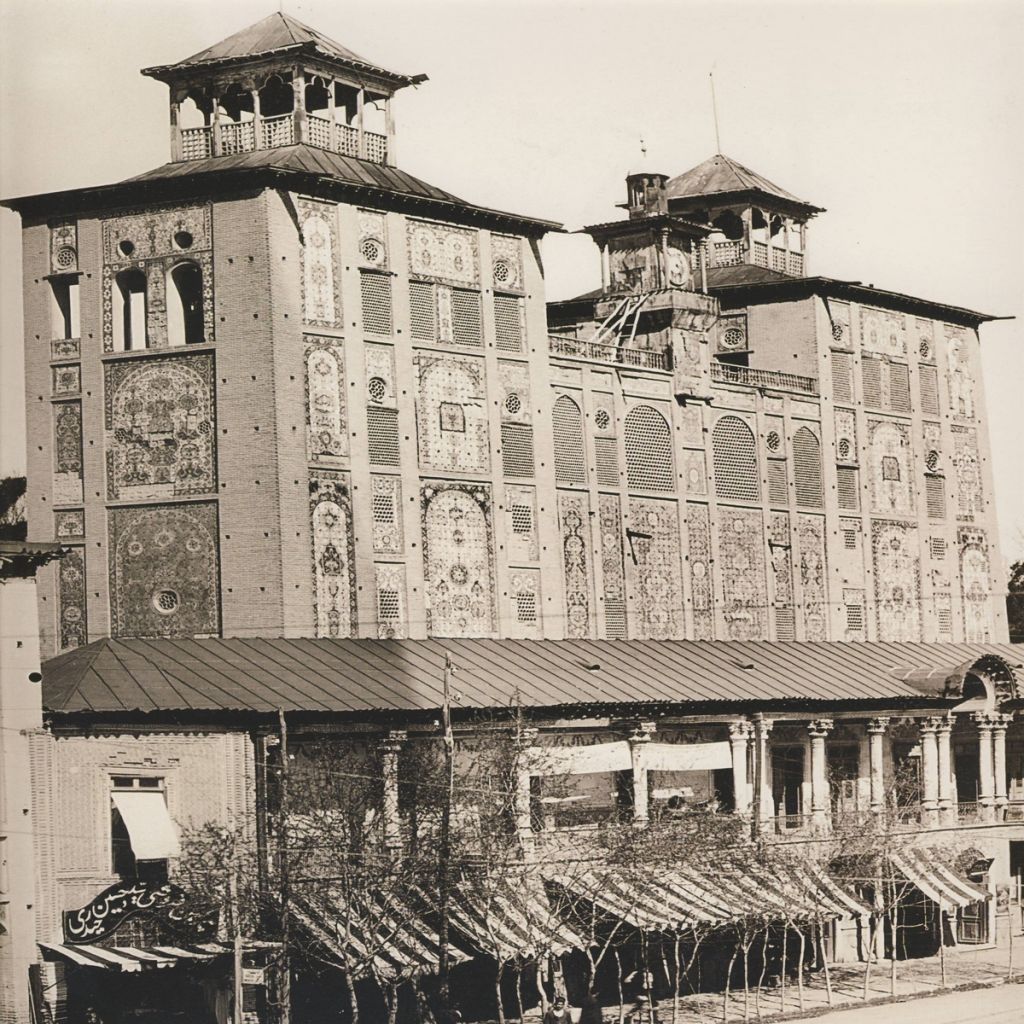
Shams-ol-Emareh was constructed between 1865 and 1867 under the order of Naser al-Din Shah, who was inspired by the tall buildings he had seen in Europe. He desired a similar structure in Tehran that would allow him to overlook the cityscape and admire the surrounding mountains.
Designed by architect Moayer al-Mamalek, the building was revolutionary for its time. It was one of the tallest structures in Tehran during the 19th century and the first building in Iran to use metal in its structural framework.
Architectural Significance
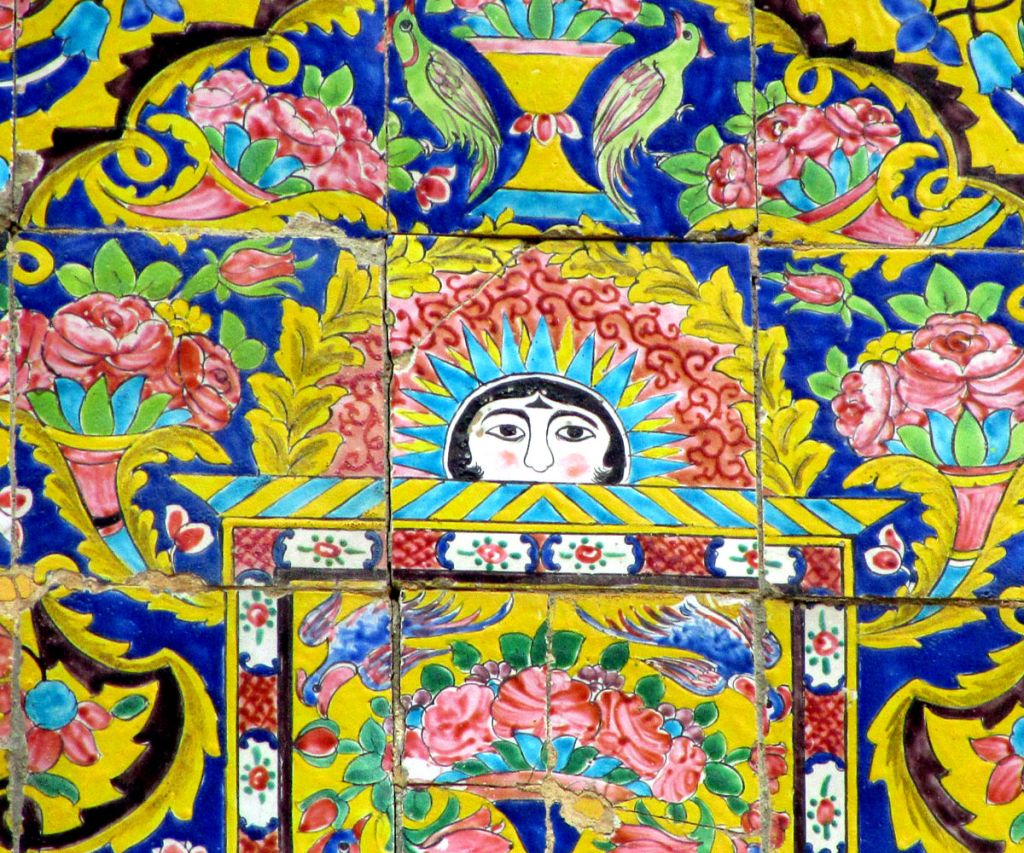
Shams-ol-Emareh is renowned for its symmetrical façade, intricate tilework, and elegant arched windows. The building features five floors and two towers, offering panoramic views of Tehran from the top level.
Its design blends Qajar architectural elements — such as ornamental stucco, colorful mosaic tiles, and muqarnas — with Western influences, including a clock tower modeled after European structures.
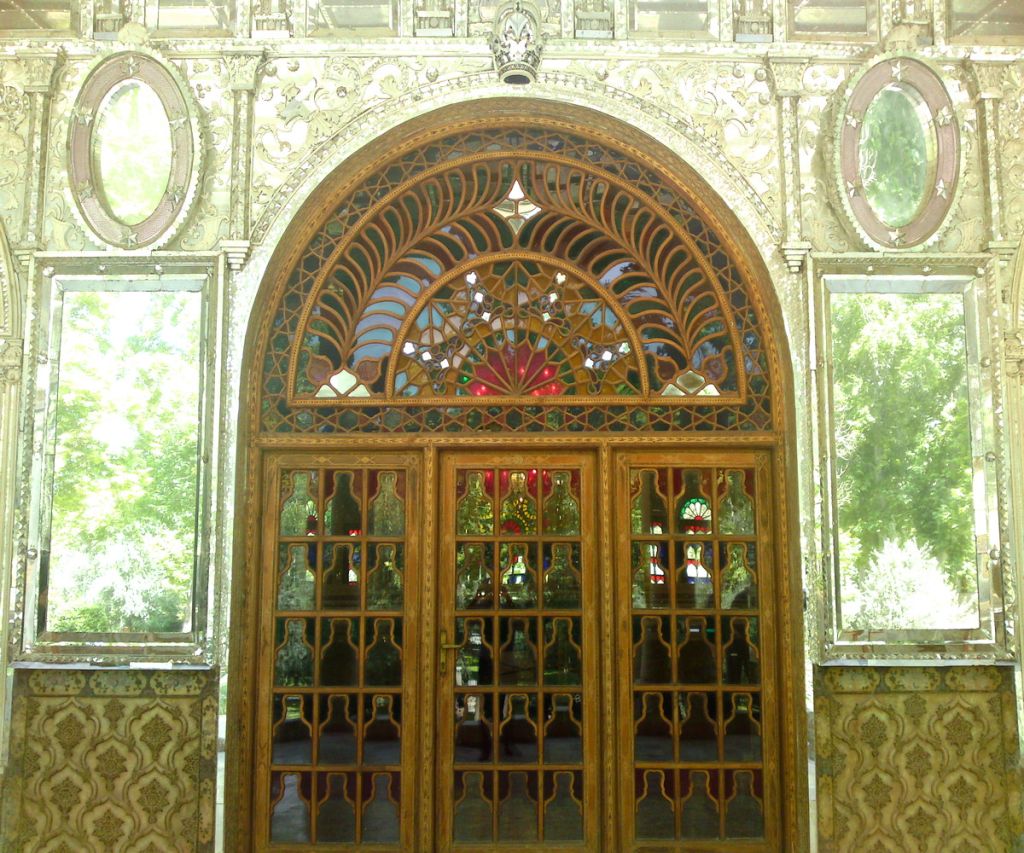
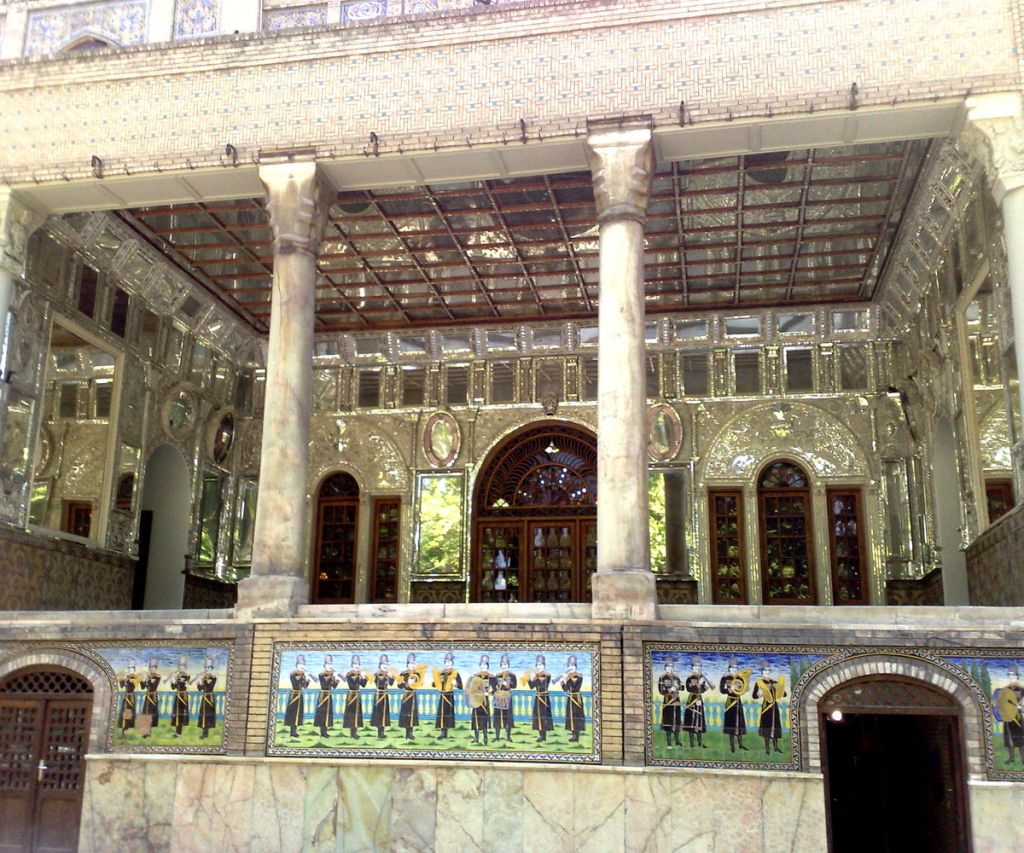
The ornate exterior is complemented by equally impressive interiors, with mirrored halls, painted ceilings, and delicate woodwork reflecting the artistic tastes of the Qajar elite.
Cultural and Political Importance
During the Qajar period, Shams-ol-Emareh was used as a royal residence and also served as a reception hall for foreign dignitaries. It represented Iran's openness to Western ideas while preserving Persian identity. The building played a role in diplomatic ceremonies and was a symbol of the Shah’s vision for a modern capital.
It also introduced Tehranis to new building technologies and materials, including iron and steel, which were rare in Iran at the time.

Visiting Information
- Opening Hours: Daily from 9:00 AM to 5:00 PM (closed on some national holidays)
- Tickets: Entry included with Golestan Palace complex ticket. Some buildings may require additional fees.
- Tour Services: Available in Persian and English; guided tours are recommended for historical context.
- Photography: Allowed in most outdoor areas; restrictions apply inside some historical rooms.
Nearby Attractions
- Golestan Palace Complex
- Tehran Grand Bazaar
- National Museum of Iran
- Masoudieh Palace
- Negarestan Garden
A visit to Shams-ol-Emareh can easily be combined with a full day of exploring Tehran’s rich historical core.
I want to visit
Shams Ol Emareh






Shams Ol Emareh
Visitor Information
- Opening Hours:
- Monday: 09:30 – 18:30
- Tuesday: 09:30 – 18:30
- Wednesday: 09:30 – 18:30
- Thursday: 09:30 – 18:30
- Friday: 09:30 – 18:30
- Saturday: 09:30 – 18:30
- Sunday: 09:30 – 18:30
- Entrance: Paid
- Cash/Credit Card accepted: Cash
- Region: Tehran
- City: Tehran
- Address: 15th Khordad Street, Arg Square, Golestan Palace World Complex
- Postal code: 4336111149
- Phone number: +982136614837
- Is open to public visitors: Yes