
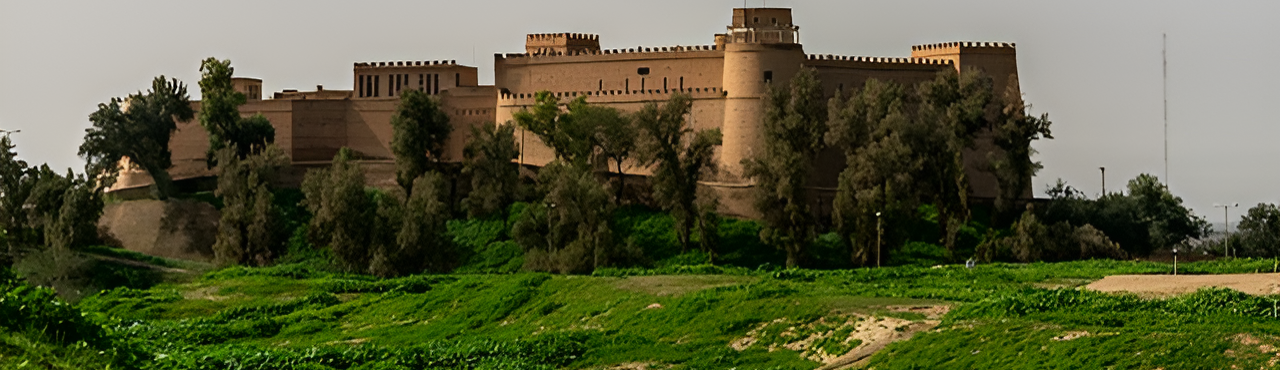
Shush Castle — Iran's French Fortress of Forgotten Empires and Unearthed Secrets
- A Castle Born from Curiosity
- Architecture with Echoes
- War, Revolution, and Restoration
- Why It Captivates
Perched atop the ancient acropolis of Susa, where civilizations once rose and fell in the dust of Khuzestan, stands a castle that seems plucked from medieval Europe and dropped into the heart of Iran. Shush Castle, also known as the French Castle or Château de Suse, is a paradox in brick and mortar—a 19th-century fortress built with the bones of empires long gone.
A Castle Born from Curiosity
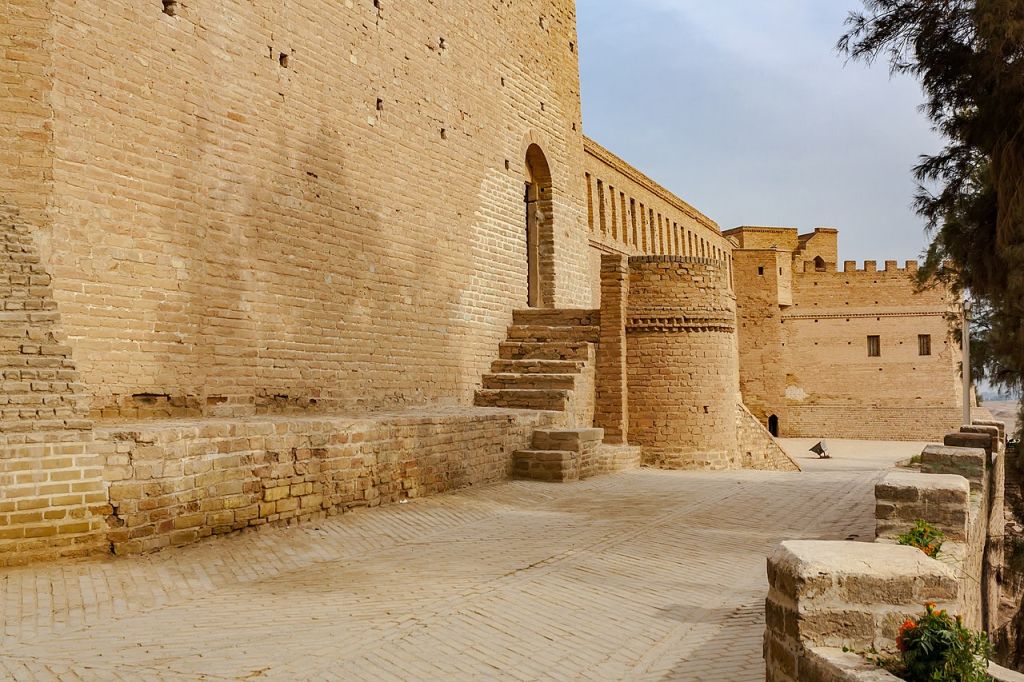
In the late 1890s, French archaeologist Jean-Marie Jacques de Morgan arrived in Susa with a mission: to excavate the ruins of one of the world's oldest cities. But he needed a base—secure, elevated, and enduring. So he built a castle. Not just any castle, but one inspired by medieval European architecture, complete with towers, trapezoidal walls, and courtyards.
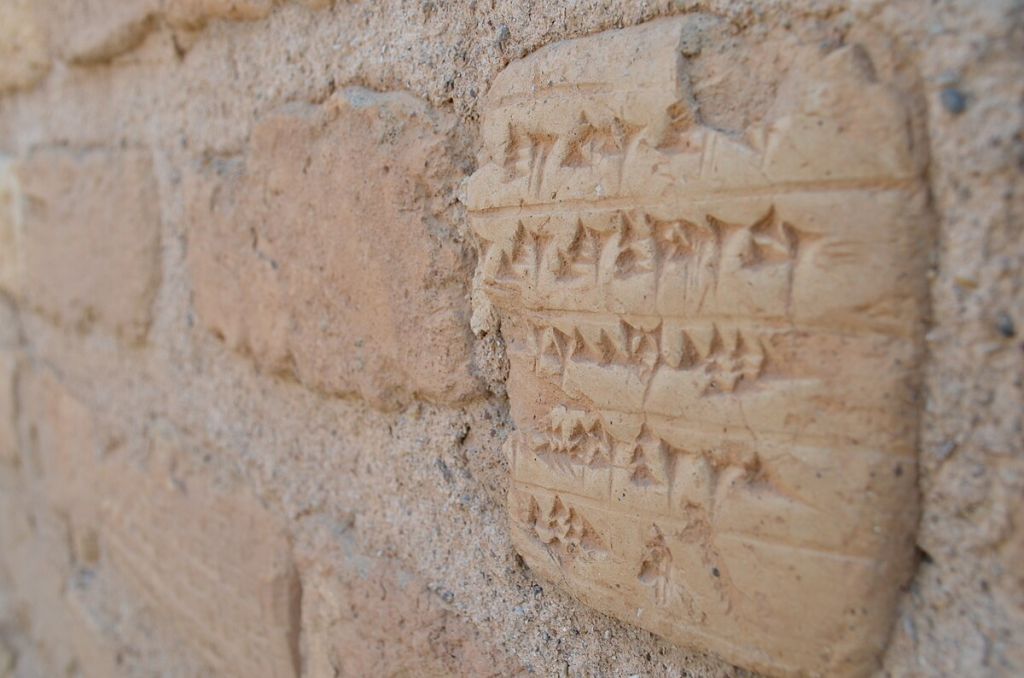
And here's the twist: the bricks used to build it were salvaged from ancient sites, including the Apadana Palace of Darius the Great and even the Chogha Zanbil Ziggurat. In a time before archaeological ethics, history was dismantled to house its own discovery.
Architecture with Echoes
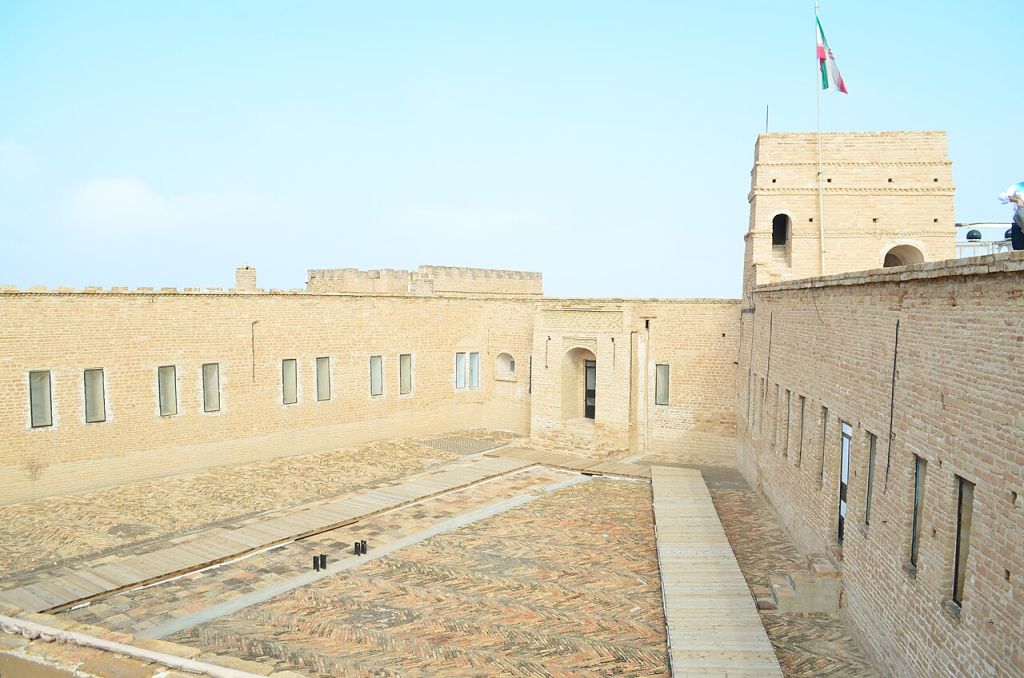
Despite its controversial origins, the castle became a hub for archaeological exploration and a symbol of Iran's layered past.
War, Revolution, and Restoration
Shush Castle has weathered more than time.
Iran–Iraq War
Bombings in the 1980s severely damaged the structure
Post-1979 Revolution
Ownership transferred from France to the Islamic Republic
Restoration efforts
The castle was rebuilt and repurposed as a museum showcasing artifacts from Susa and beyond
Today, it stands as both a monument and a museum, housing relics from the Elamite, Achaemenid, and Parthian periods.
Why It Captivates






Shush Castle
Visitor Information
- Opening Hours:
- Saturday: 09:00 – 17:00
- Entrance: Paid
- Cash/Credit Card accepted: Cash
- Region: Khuzestan
- City: Shush county
- Address: Imam Khomeini Boulevard, Shush Castle.
- Postal code: 1341713915
- Phone number: +9842812059
- Is open to public visitors: Yes