
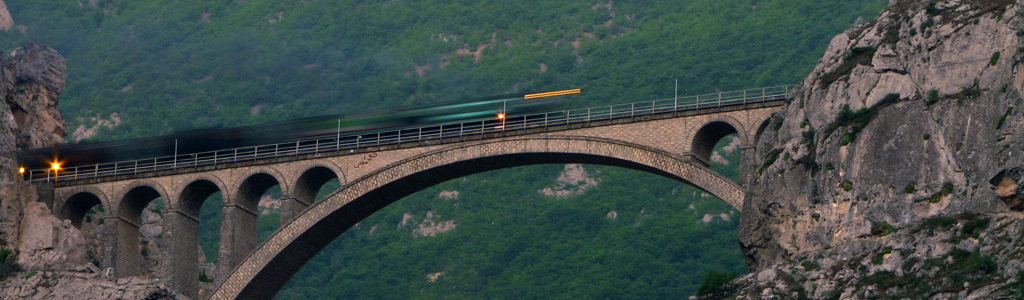
Veresk Bridge - Savadkuh’s Skybound Arch of Victory and Vision
- A Bridge Through Time: The History of Veresk
- Architectural Marvel in the Alborz Mountains
- Nature and Nostalgia: What to See Nearby
- A Journey Worth Taking: Getting There
- Legacy and UNESCO Recognition
A Bridge Through Time: The History of Veresk
Nestled in the majestic mountains of northern Iran, the Veresk Bridge is more than just a railway crossing — it's a monument to human ambition and resilience. Commissioned during the reign of Reza Shah Pahlavi, the bridge was inaugurated in 1936 and quickly became a symbol of national pride. Built by the Italian firm Impresa G.R. Pizzagalli & C. under the leadership of engineer Cesare Delleani, the project involved over 2,700 workers from across Europe and Asia. During World War II, the bridge earned the nickname *Pol-e Piroozi* or “Bridge of Victory,” as it played a strategic role in transporting Allied supplies to the Soviet Union. Today, it stands as a testament to international collaboration and Iran’s industrial heritage.
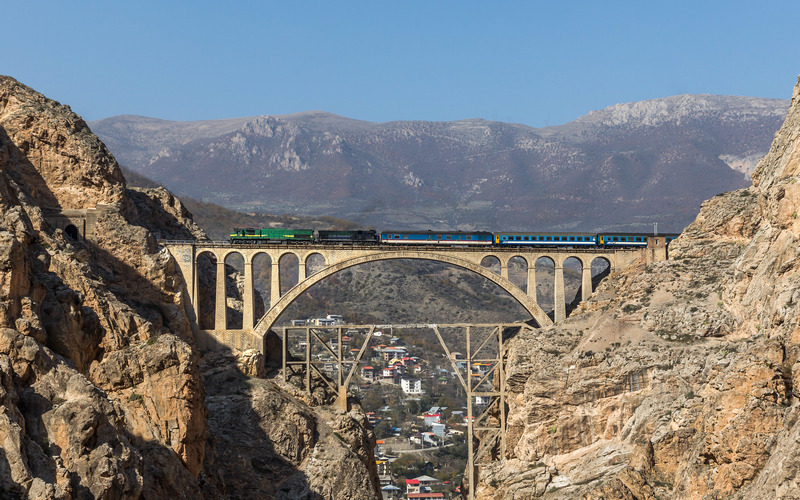
Architectural Marvel in the Alborz Mountains
The Veresk Bridge is a stunning example of early 20th-century engineering. Designed as a masonry arch bridge, it spans 66 meters across a deep gorge and rises approximately 110 meters above the valley floor. Its elegant curvature and robust stonework blend seamlessly with the rugged terrain of the Alborz Mountains. The Danish engineering firm Kampsax, along with Austrian and Italian experts, ensured the bridge’s durability with a 70-year guarantee. Despite the primitive tools available at the time, the bridge has withstood floods, earthquakes, and decades of use — an enduring masterpiece of civil engineering.
Nature and Nostalgia: What to See Nearby
Located in the Veresk district of Savadkuh County in Mazandaran Province, the bridge is surrounded by breathtaking natural beauty. Just east of the bridge lies Veresk Falls, a serene waterfall perfect for a refreshing hike in spring or summer. The nearby Veresk River offers cool breezes and picturesque views, ideal for picnics and photography. Visitors can also explore the memorial site beneath the bridge, dedicated to the workers who lost their lives during its construction. For those interested in railway history, the adjacent tunnels and train station provide a glimpse into Iran’s transportation legacy.
A Journey Worth Taking: Getting There
Veresk Bridge is accessible via the Firoozkuh axis, a scenic route that winds through mountain villages and lush valleys. Travelers from Tehran can head toward Jajroud and Gilavand, passing through Gaduk and Shurab before reaching Veresk village. The bridge is approximately 85 kilometers south of Ghaemshahr and 45 kilometers from Ziraab. Whether you’re a history buff, nature lover, or photography enthusiast, the journey to Veresk is as rewarding as the destination itself.
Legacy and UNESCO Recognition
In 2021, the Veresk Bridge became part of the UNESCO World Heritage-listed Trans-Iranian Railway, a 1,394-kilometer marvel that connects the Caspian Sea to the Persian Gulf. This recognition highlights the bridge’s global significance — not just as a transportation link, but as a cultural and historical landmark. As it celebrates nearly nine decades of service, Veresk Bridge continues to inspire awe and admiration, reminding us that even the most ambitious dreams can be carved into stone.






Veresk Bridge
Visitor Information
- Opening Hours:
- Monday: 08:00 – 21:00
- Tuesday: 08:00 – 21:00
- Wednesday: 08:00 – 21:00
- Thursday: 08:00 – 21:00
- Friday: 08:00 – 21:00
- Saturday: 08:00 – 21:00
- Sunday: 08:00 – 21:00
- Entrance: For free
- Region: Mazandaran Province
- Address: Firuzkooh Road, Savadkooh County, Veresk Village
- Postal code: 4661977947
- Phone number: +981133391001
- Is open to public visitors: Yes