
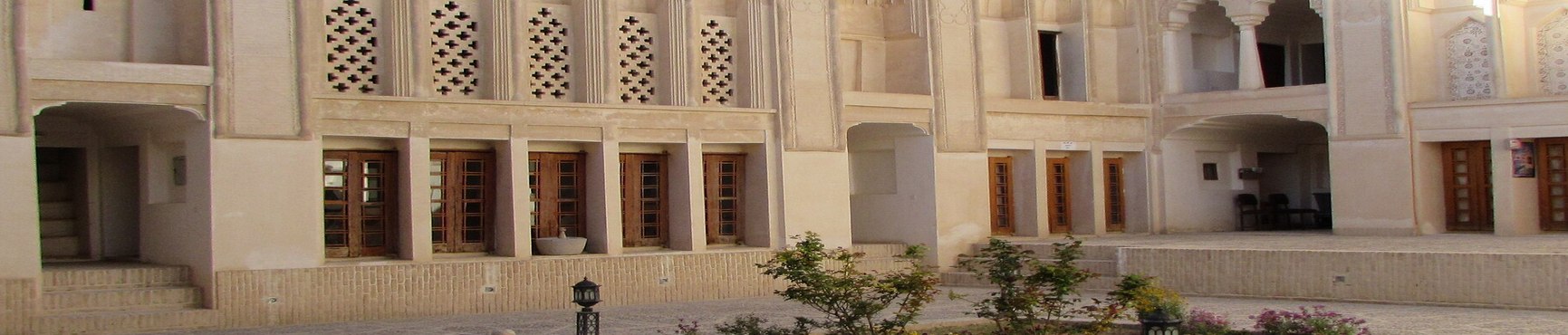
Solat House and Anthropology Museum: A Mansion of Memory in Abarkuh's Desert Heart
- A House Rooted in History
- Architectural Elegance
- Anthropology Museum: A Cultural Time Capsule
- A Place of Quiet Splendor
- Why Visit Solat Historical House
In the ancient city of Abarkuh, where cypress trees stretch toward the sky and adobe walls whisper tales of time, the Solat Historical House stands as a proud relic of Zand and Qajar-era elegance. Built by a local khan and now home to the Anthropology Museum of Abarkuh, this 1,000-square-meter residence offers a rare glimpse into the architectural and cultural soul of Yazd Province.
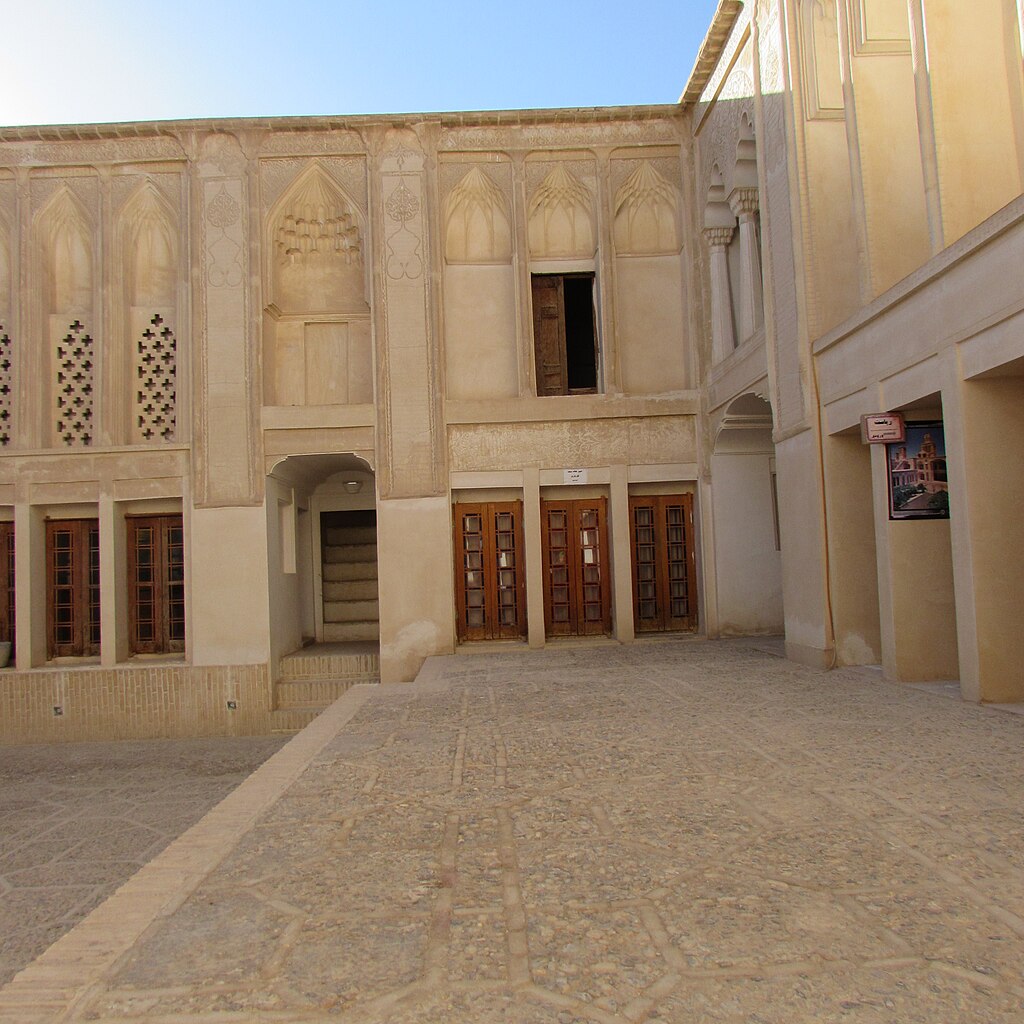
A House Rooted in History
Constructed at the end of the Zand period and expanded during the Qajar dynasty, Solat House was once the residence of a prominent noble family. Its strategic location near Darvazeh Maidan Square and along the Shahid Bahonar Street placed it at the heart of Abarkuh's social and political life.
- Registered as a national heritage site in 1997
- Converted into an Anthropology Museum the same year
- Reflects the lifestyle and traditions of Abarkuh's residents across centuries
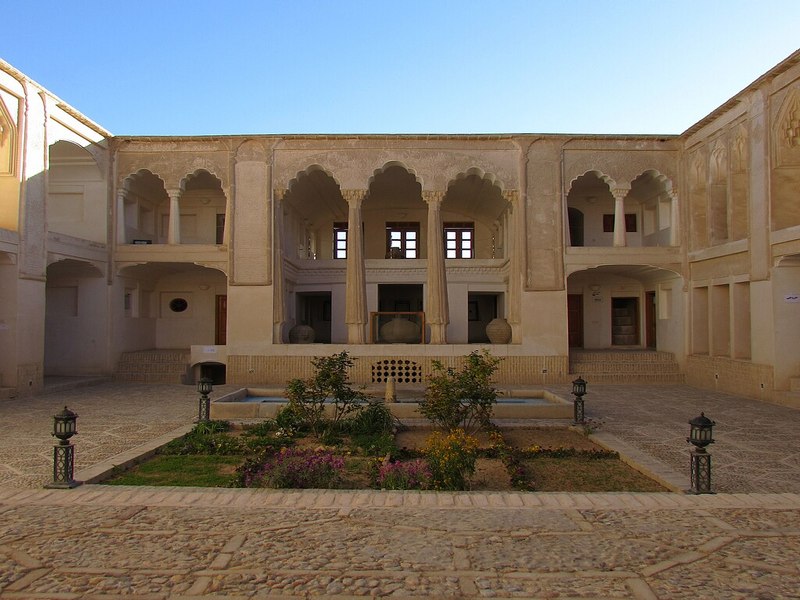
Architectural Elegance
Solat House is a textbook example of introverted Persian architecture, designed to protect privacy and regulate climate:
- Three floors, including underground chambers
- A central courtyard with a pond and garden, surrounded by seasonal rooms
- Stucco reliefs, muqarnas, and floral motifs decorate the corridors and porches
- Qanat access bridge beneath the house, allowing direct water flow from underground aqueducts
- Earring-shaped porches at room entrances, adding symmetry and charm
- From the outside, it may appear modest, but step inside and you're greeted by a world of intricate design and spatial harmony.
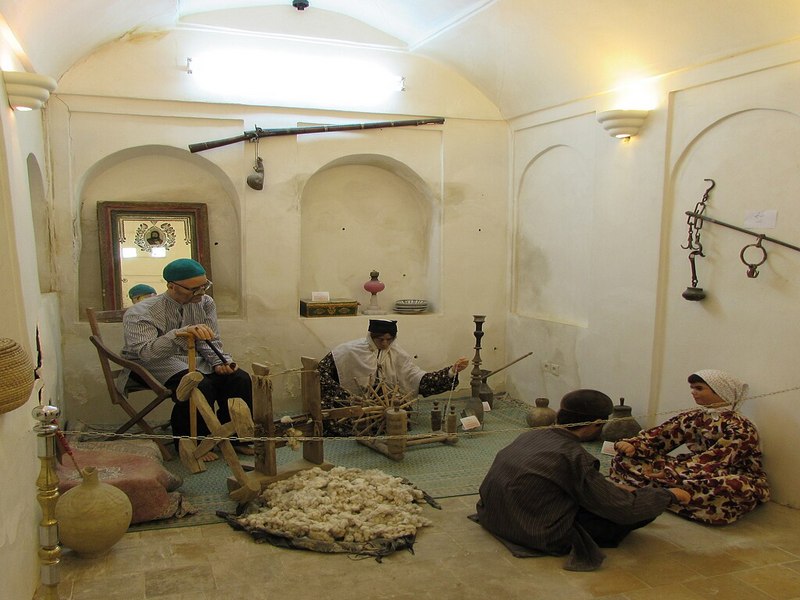
Anthropology Museum: A Cultural Time Capsule
Today, the mansion houses over 800 historical artifacts, each telling a story of Abarkuh's social, economic, and spiritual life:
- Qajar-era coins, handwritten manuscripts, and ceremonial objects
- Agricultural tools, traditional clothing, and wax figures of well diggers
- Copper and brass lamps, steel locks, and ornaments from various dynasties
- Exhibits span from the post-Islamic era to the Ilkhanid, Safavid, and Qajar periods
- The museum isn't just a collection—it's a living archive of desert resilience and cultural continuity.
A Place of Quiet Splendor
Though lesser-known than Yazd's urban landmarks, Solat Historical House offers a tranquil, immersive experience. Visitors can:
- Admire the mirror hall and its shimmering reflections
- Trace the stucco flora along the walls
- Explore the cool underground chambers and imagine life in a bygone era
Why Visit Solat Historical House
Because it's where architecture, anthropology, and desert heritage converge. It's a place to slow down, listen to the silence, and feel the pulse of a city that has endured through artistry and adaptation.
I want to visit
Yazd Solat Historical House






Yazd Solat Historical House
Visitor Information
- Opening Hours:
- Monday: 07:30 – 20:30
- Tuesday: 07:30 – 20:30
- Wednesday: 07:30 – 20:30
- Thursday: 07:30 – 20:30
- Friday: 07:30 – 20:30
- Saturday: 07:30 – 20:30
- Sunday: 07:30 – 20:30
- Entrance: Paid
- Cash/Credit Card accepted: Cash
- Region: Yazd Province
- City: Abarkuh
- Address: Abarkooh, Imam Hussein Square, Shahid Bahonar Street, next to Agha Mosque
- Postal code: 8916773918
- Phone number: +983532820480
- Is open to public visitors: Yes