
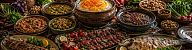
Rasht: Iran's City of Food
- A City Built on Appetite
- Why Rasht Earned the Title "City of Gastronomy"
- The Dishes That Define Gilaki Cuisine
- Wandering the Rasht Grand Bazaar
- Street Food and Local Snacks
- Tea Gardens and the Caspian's Influence
- Planning Your Food Trip to Rasht
- Come Hungry
A City Built on Appetite
Step off the highway from Tehran and the air itself changes. The dry plateau gives way to something thick and green - humidity rolling in off the Caspian Sea, mist settlement over endless rice paddies, and hillsides quilted with tea plantations that climb toward the Alborz Mountains. This is Gilan province , and at its heart sits Rasht, a city that doesn't just eat well — it has built its entire identity around the table.
Walk through Rasht in the early evening and you'll understand why. Smoke curls from charcoal grills tucked into alleyways. The smell of garlic and fried eggplant drifts from open kitchen windows. Vendors call out over baskets of fresh herbs still damp with dew. Here, food isn't an afterthought to travel — it is the destination. Locals will tell you, half-joking and half-serious, that in Rasht, people plan their entire day around what they're going to eat next.
Why Rasht Earned the Title "City of Gastronomy"
In 2015, UNESCO named Rasht a Creative City of Gastronomy - the first Iranian city to receive the honor, and one of a small handful worldwide at the time. It wasn't a symbolic gesture. The recognition acknowledged something Gilanis had always known: that their regional cuisine is one of the most distinct, herb-driven, and technically sophisticated in the entire country.
Part of what sets Gilaki food apart is geography. Sandwiched between the Caspian Sea and the dense Hyrcanian forests, Rasht has access to an unusual pantry—freshwater fish, wild herbs, citrus, walnuts, pomegranates, and rice paddies that produce some of the finest rice in Iran. Unlike the saffron-and-lamb-heavy cooking of central Iran, Gilaki food leans green, sour, and herbaceous, built on a rotating cast of fresh sabzi (herbs) rather than dried spice blends.
But it's not only about ingredients. UNESCO's recognition also nodded to Rasht's culture of hospitality - a deeply ingrained sense that guests are fed generously, that meals are communal, and that recipes are passed down through families rather than written in cookbooks. Eating in Rasht is inseparable from being welcomed.
The Dishes That Define Gilaki Cuisine
If you want to understand Rasht, you eat your way through it. A few dishes anchor the local menu, and each tells you something about the land it comes from.
Baghali Ghatogh is perhaps the most beloved comfort food in Gilan - a stew of fava beans and generous handfuls of dill, simmered with garlic and finished with a whole egg cracked directly into the pot. It's earthy, garlicky, and deeply savory, usually eaten with rice or torn flatbread.
Mirza Ghasemi is the dish most visitors fall for first. Eggplants are charred over an open flame until smoky and collapsing, then mashed and cooked down with tomatoes, garlic, and egg. The smokinness is unmistakable - it's less a side dish than a small act of culinary theater.
Fesenjan , the sweet-and-sour pomegranate-walnut stew, is beloved across Iran, but Gilan's northern take - often made with duck rather than chicken, thanks to the region's wetlands - has its own richness. The sauce is dark, glossy, and deeply nutty, balanced by the tartness of pomegranate molasses.
Then there are the pickles — and in Gilan, pickling is an art form. Torshi-e Tareh , made from leeks, is tangy and slightly funky, meant to cut through rich, fatty dishes. Alongside it you'll find dozens of regional variations: garlic pickles, herb pickles, and vegetable medleys that ferment slowly in clay jars.
Kal Kabab is a must-try Gilani starter where smoky roasted eggplant meets ground walnuts and tangy pomegranate paste—a burst of northern Iran's UNESCO-recognized culinary heritage in every bite. Served cold with fresh bread, this vegan delight perfectly captures the region's mastery of bold, earthy flavors.
For meat lovers seeking a bold Gilani specialty, Kebab-Torsh delivers a mouthwatering punch with its tangy walnut and pomegranate marinade coating tender lamb or chicken- unforgettable taste of Gilan's meat-based heritage.
And almost underneath everything is rice - fluffy, fragrant, and often studded with more fresh herbs, because in Gilan, sabzi isn't a garnish. It's a food group.
Wandering the Rasht Grand Bazaar
No visit to Rasht is complete without losing an hour — or three — in the Rasht Grand Bazaar (Bazar-e Bozorg), one of the oldest and liveliest markets in northern Iran. It's less a single building than a sprawling network of covered lanes, each specializing in something different.
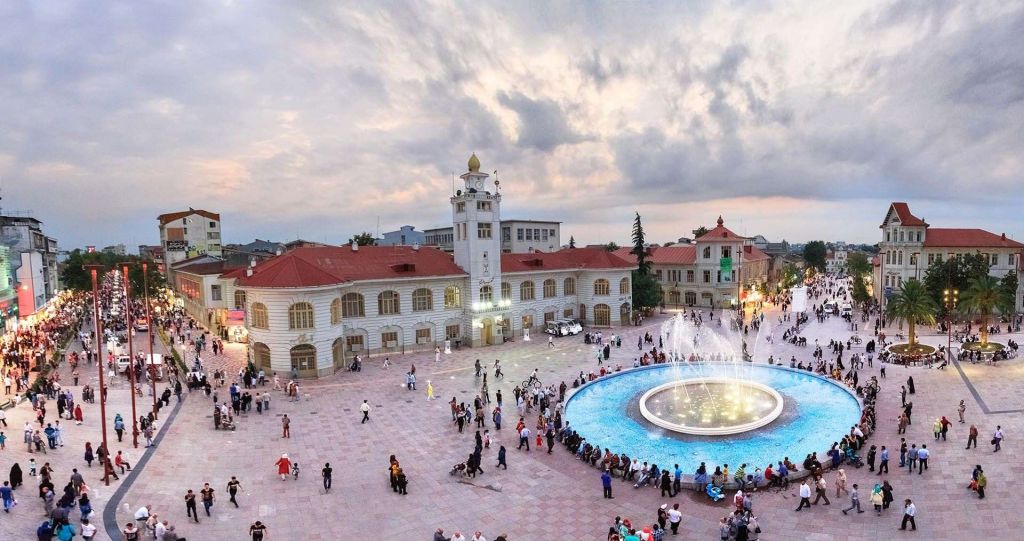
In the spice section, mounds of dried herbs, sumac, and turmeric sit beside sacks of walnuts and dried limes. Nearby, fishmongers lay out the morning's Caspian catch - kutum, silver carp, and sturgeon in season - on beds of ice, calling out prices to passing shoppers. Herb vendors sell bundles of fresh tarragon, mint, and coriander so fragrant you can smell the stalls before you see them.
Don't leave without stopping for something sweet. Rasht's take on baghlava is different from the Middle Eastern version travelers know — thinner, more delicately spiced, often cut into diamond shapes and dusted with crushed pistachio. Paired with a glass of strong Gilani tea, it's the perfect bazaar break.
Street Food and Local Snacks
Rasht rewards aimless wandering, especially when it comes to snacking. Keep an eye out for zeytoon parvardeh , a Gilan specialty of olives marinated in pomegranate paste, walnuts, garlic, and herbs - sour, nutty, and completely addictive, often sold in small plastic cups by street vendors.
In the cooler months, roasted chestnuts appear on nearly every corner, sold hot out of paper cones. Fresh fruit stalls overflow with citrus in winter and berries in summer, a reminder of just how fertile this stretch of the Caspian coast really is.
Tea Gardens and the Caspian's Influence
To understand Gilani food, you have to understand the land it comes from. The rice paddies that ring Rasht aren't just scenery — they're the reason rice appears at nearly every meal, in place of the bread more common further south. The tea plantations climbing the nearby hills, particularly around Lahijan, supply the strong black tea that punctuates every Gilani day, sipped from small glasses alongside sugar cubes or dried fruit.
And the Caspian Sea itself shapes everything from the fish on your plate to the sheer humidity that keeps the region green year-round. It's a landscape of abundance, and Gilani cooking simply reflects what grows and swims nearby.
Planning Your Food Trip to Rasht
When to go: Late spring through autumn is ideal, when herb markets are at their peak and the weather is pleasantly warm rather than the deep humidity of midsummer. Winter has its own charm too, especially for chestnuts and citrus season.
Getting there: Rasht is roughly a 3 to 4-hour drive from Tehran, or a short domestic flight . Regular intercity buses and shared taxis also make the trip easily and affordably.
Eating etiquette: If you're lucky enough to be invited into a local home, expect to be fed generously — and expect polite protest to be met with more food, not less. It's customary to bring a small gift, such as pastries or fruit, when visiting. At traditional restaurants, dishes are often shared family-style, so come hungry and order a spread rather than a single plate.
Come Hungry
Rasht doesn't try to impress you with monuments or grand architecture - its case is made in the kitchen, the bazaar stall, and the family table. It's a city where hospitality and appetite are one and the same, where every dish carries the imprint of the sea, the paddies, and the mist-covered hills around it.
So come with an open schedule and an emptier stomach than usual. Rasht, Iran's City of Food, is waiting to feed you.