
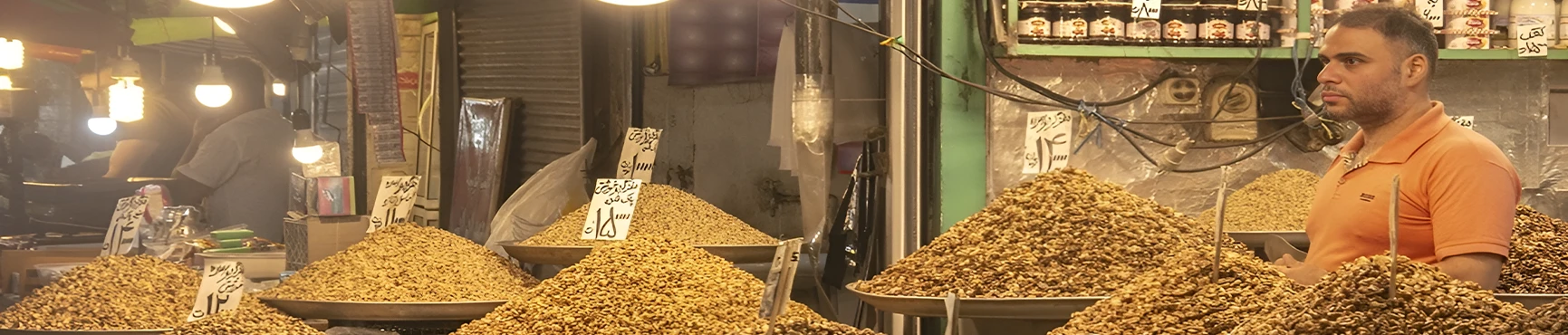
Rasht Grand Bazaar: Gilan’s Roofless Labyrinth of Light, Language, and Local Flavor
- History of Rasht Grand Bazaar
- Map of the Grand Bazaar of Rasht
- Photography in the Rasht Bazaar
- Strolling around the market in the Rasht Bazaar
- Address and access ways
Rasht Grand Bazaar is the vibrant heart of Gilan’s capital city, a sprawling 24-hectare open-air market that pulses with color, culture, and commerce. Unlike the domed bazaars of Isfahan or Tabriz, Rasht’s bazaar is famously roofless — designed to soak up the rare northern sunlight in this rainy region. Its maze of alleys, caravanserais, and arches dates back to the Safavid era and expanded during the Qajar and Pahlavi dynasties, making it not just a marketplace but a living museum of Persian trade and architecture.
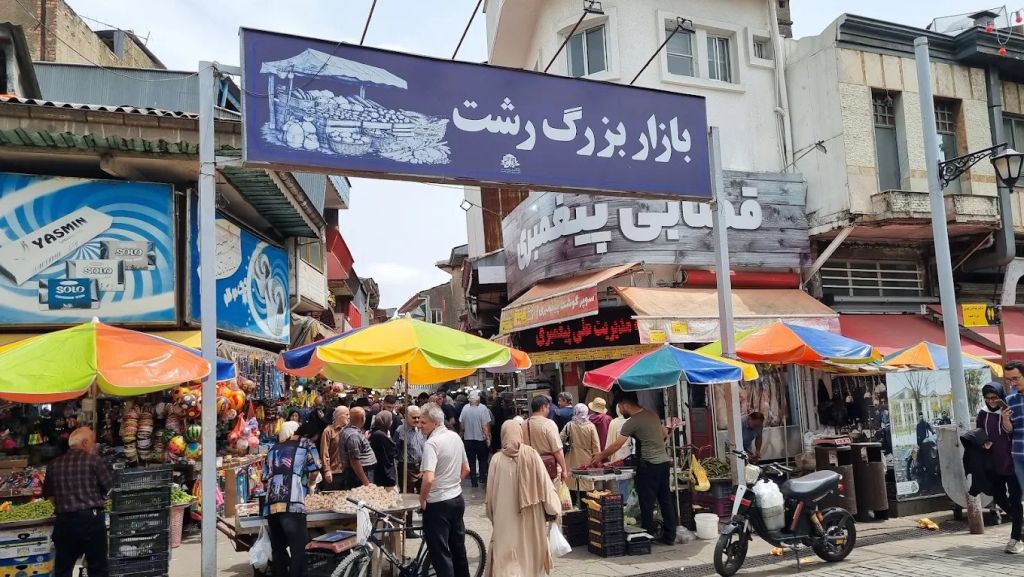
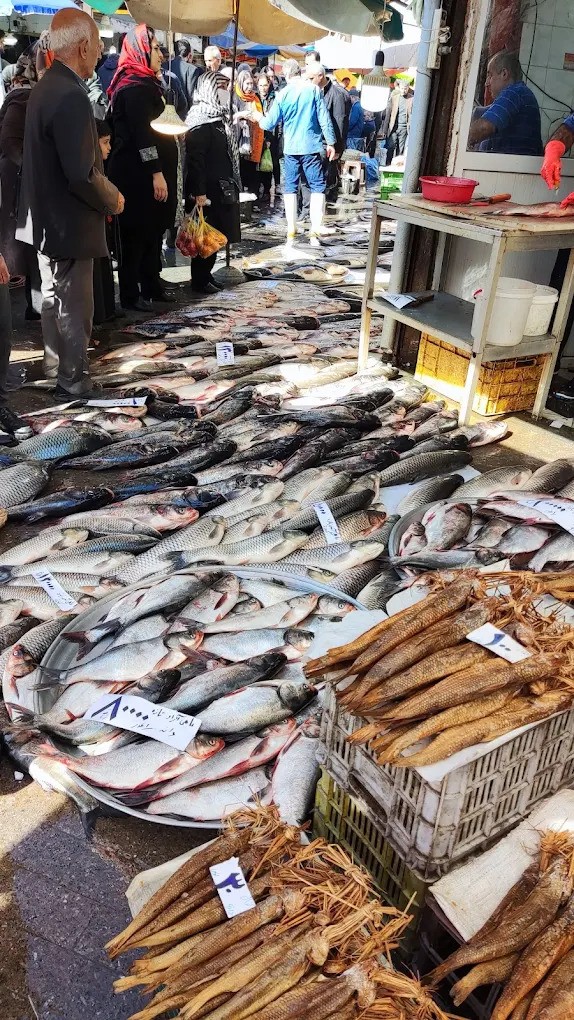
Wander through its bustling lanes and you’ll find everything from freshly caught Caspian fish and fragrant herbs to handmade textiles, pickles, and traditional sweets like Reshteh Khoshkar. The air is filled with the sounds of Gilaki, Farsi, and Turkish dialects — sometimes even folk songs sung by vendors. Whether you're shopping for souvenirs, sampling street food, or simply soaking in the atmosphere, Rasht Grand Bazaar offers an unforgettable sensory journey through the soul of northern Iran.
History of Rasht Grand Bazaar
This local and traditional market, located in the center of Rasht, has a significant impact on the economy, trade, and culture of this city. With an area of over 24 hectares and 14 caravanserais, this local market is considered the largest open-air market in Iran. The traditional Rasht market has long been a place for economic activity for the residents of Rasht and the surrounding cities and villages.
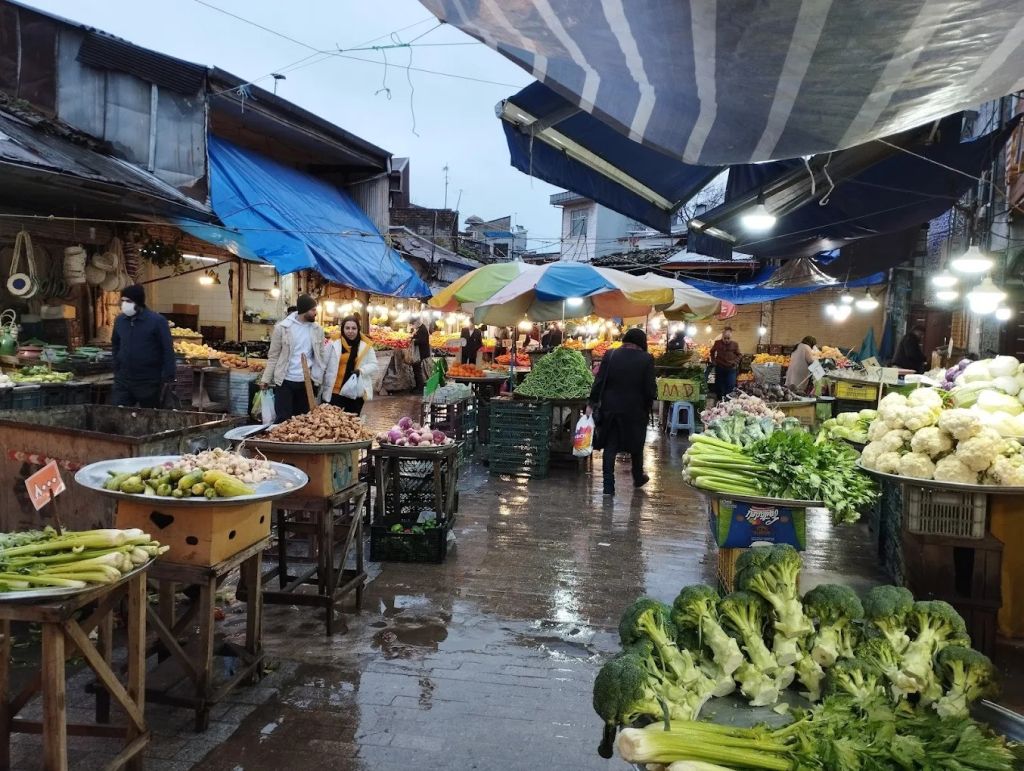
So that everyone would bring their products to this market for sale and display them to passersby. There is not much accurate information about the time of the launch of this market, but some historians believe that the history of this market dates back to the Zand dynasty, but some believe that this traditional market is related to the Safavid dynasty. This market has witnessed many bitter and unfortunate events over the years of its existence and has suffered a lot of damage and losses during these events.
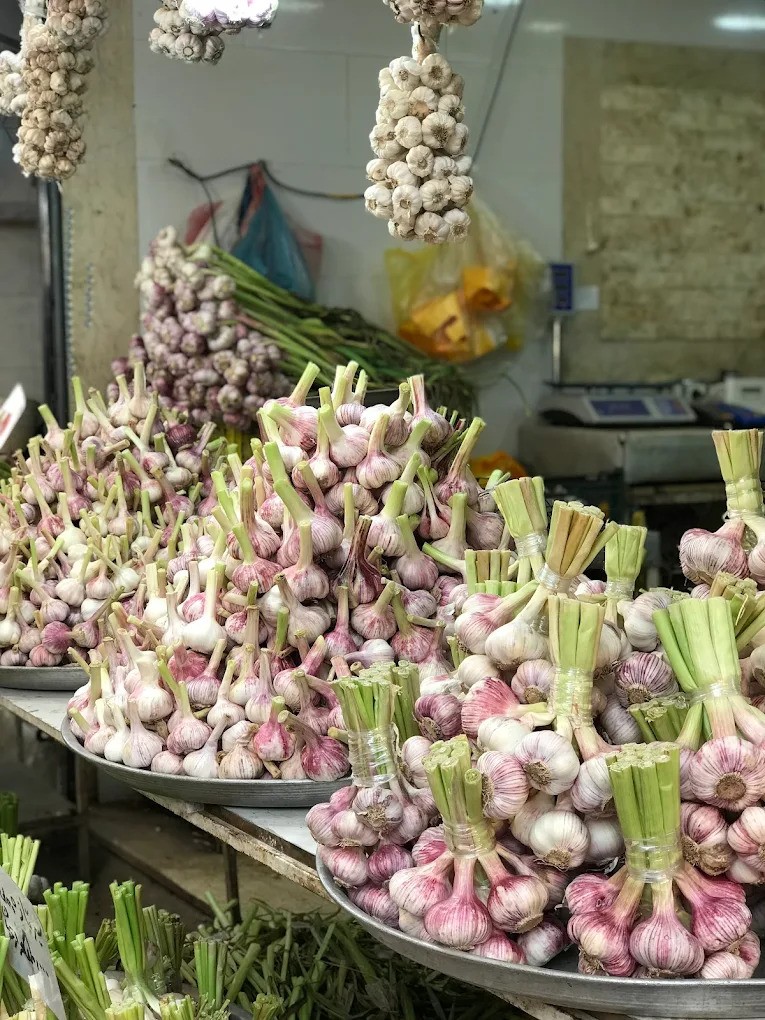
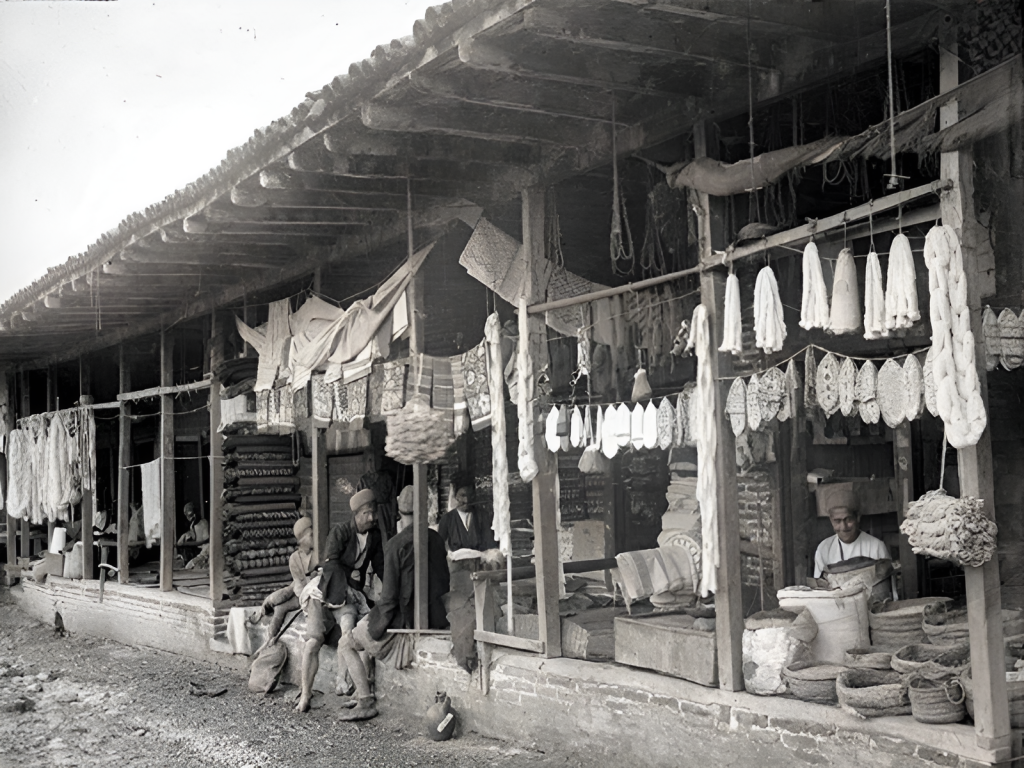
The Grand Bazaar of Rasht had a special place in the past, and the presence of caravanserais in it caused it to host various caravans and to conduct numerous trades with cities near and far. Among the goods traded in this market are silk, rice, etc. Unfortunately, the traditional market of Rasht has been repeatedly burned and looted by foreigners, but despite this, it is still beautiful and has its own grandeur.
Map of the Grand Bazaar of Rasht
With 14 caravanserais, the Rasht Bazaar connects all its rows to each other, and in addition to the caravanserais, there are also four squares and small and large squares, a trading house, a timcheh, and holy places. Among the active centers present in the traditional market of Rasht, we can mention the tomb of Agha Seyyed Ibrahim, the Grand Mosque, the Mosque of the Bowl Sellers, the Saray of Malek, the Saray of Mohtasham, the Saray of Shishe Bozorg, Timcheh of Sadeghieh, the Bazaar of Bozorg Salar, the Mehran Bazaar, the Bazaar of Zargaran, the Raste of Mesgaran, the Raste of Mikh Froushan, etc.
The history of the caravanserais in the traditional market of Rasht dates back to the Qajar and early Pahlavi periods, with the Malek, Chini Chian, Mohtasham, etc. caravanserais being among the most important caravanserais in this market. In 1321, a large arch was built on the southern side of the caravanserais, and after that a small arch was built on the Raste of Zargarha and the western side of the Saray of Qeysarieh. Also, large arches have been built on the Raste of the Small Square and the eastern side of the Raste of the Plastic Sellers.
These small and large arches, which are connected to each other in the 24-hectare area of the Rasht market, are connected by the Rastes that exist in this market. In the meantime, Taq Saadat is considered one of the most important commercial hubs of Rasht Bazaar, which was built in the Qajar period within the Big Square.
Mohtasham Caravanserai was built in 1300 in Rasht Bazaar, and its geographical location is such that it leads to Golshan Caravanserai from the northwest and to Attaran Bazaar from the west. The Chini Chian Caravanserai was also added to this complex in 1308 by the Chini Chian brothers. Malek Caravanserai is considered one of the most important caravanserai in this market, which has been used for trading and exporting rice to Russia and silk to Yazd and Kashan since ancient times.
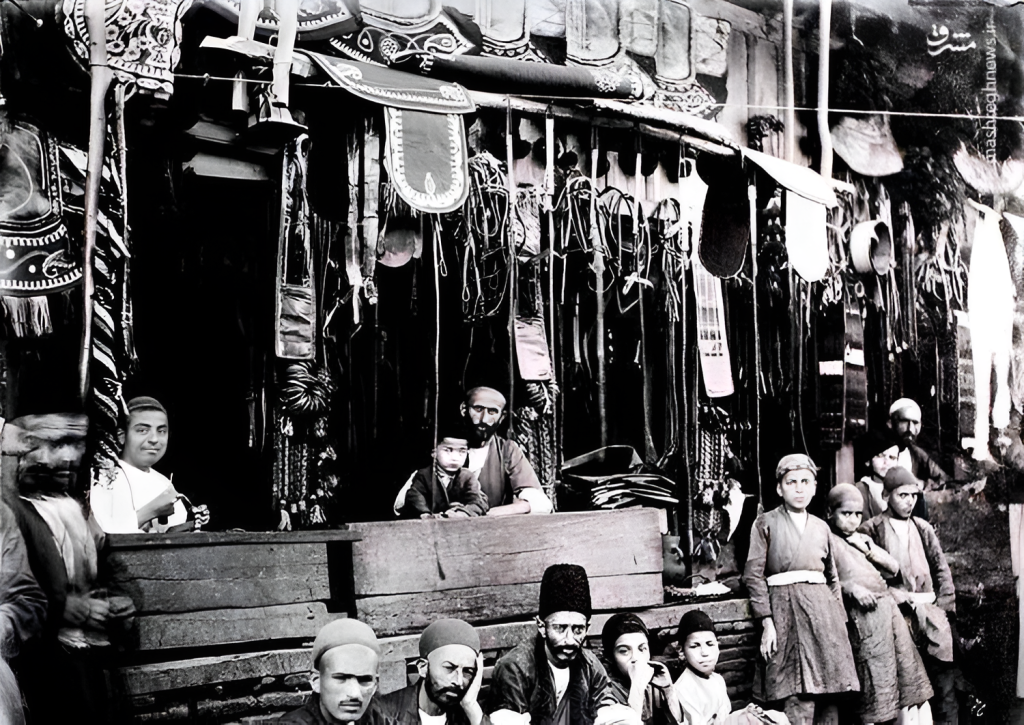
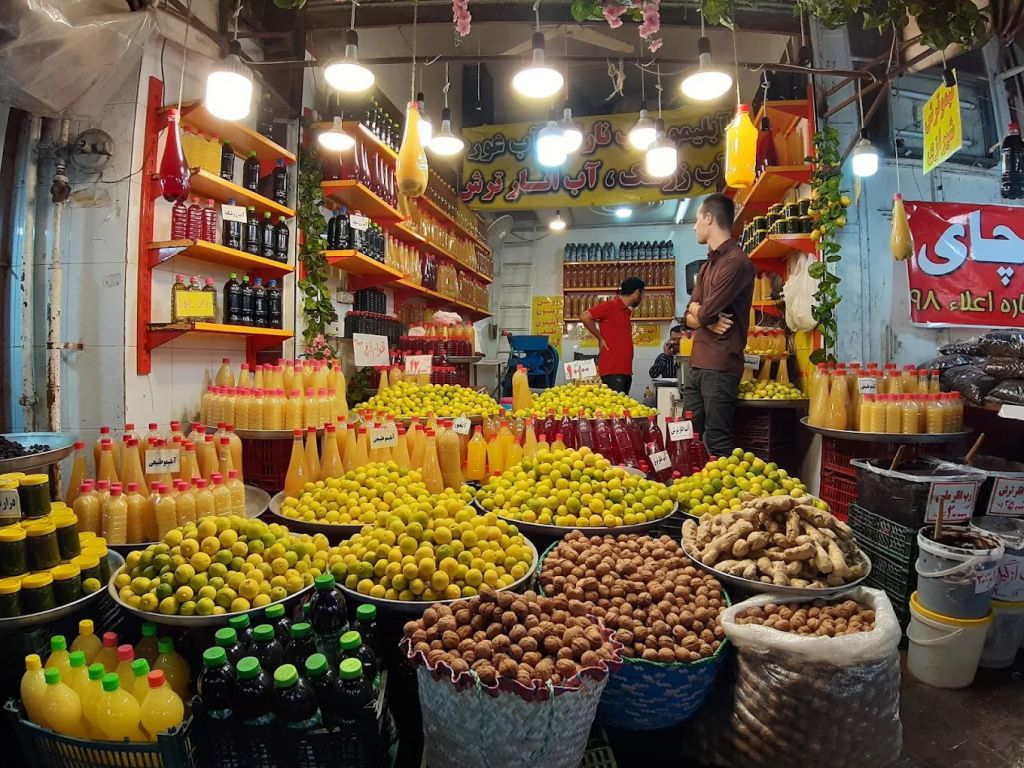
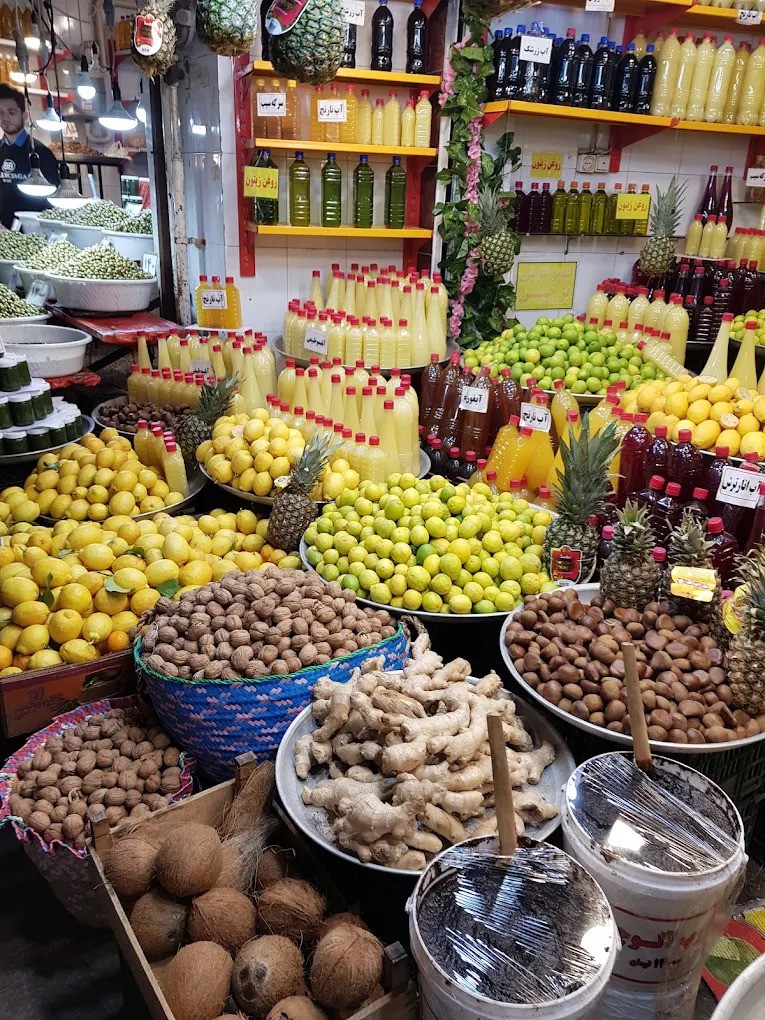
Rasht Bazaar has been one of the most important and main trading markets in the northern region of the country since ancient times, and residents of the cities and villages around Rasht visit this market daily to sell their goods. Among the products that are usually offered in the Rasht market are various types of fish, rice, silk, tobacco, hemp, various types of tea and jam, vegetables, citrus fruits, birds, handicrafts, local sweets, etc.
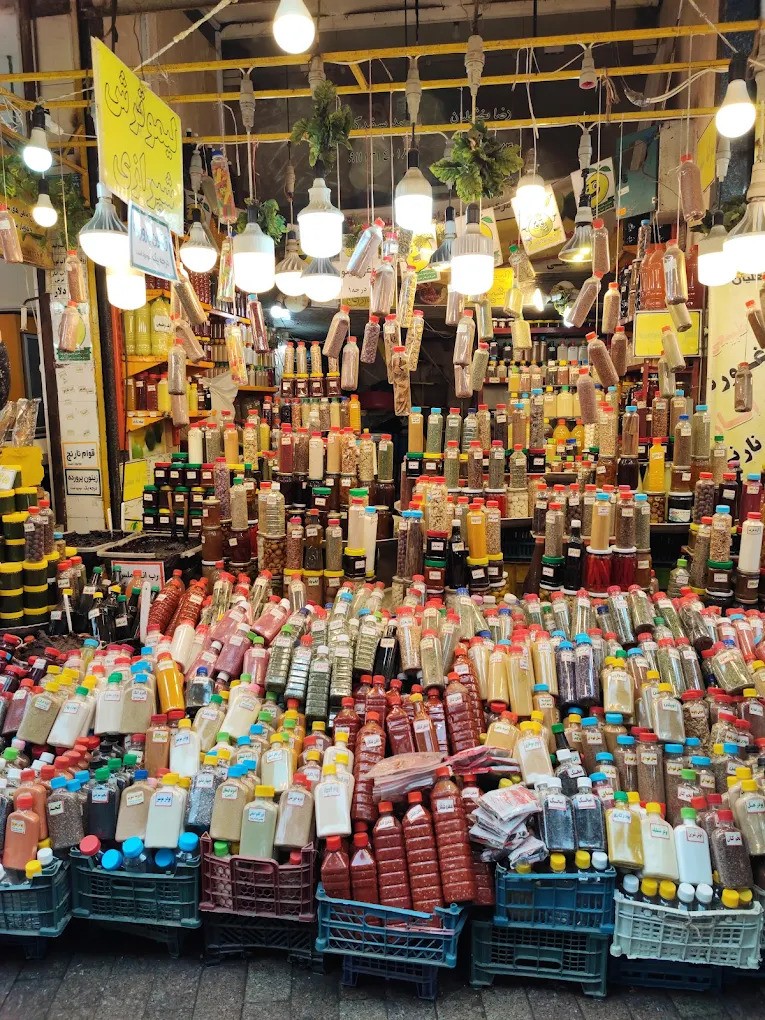
This market can be a good option for buying souvenirs and food from the city of Rasht, and travelers who travel to this city usually visit this market to buy their desired goods and products.
Photography in the Rasht Bazaar
The Rasht market is not only a good place to buy necessary goods and souvenirs from Rasht, but also a very good subject for photography. The crowd, local foods, handicrafts and colorful foods, and the residents of the city of Rasht who are busy selling their products in local clothes can be a beautiful and pleasant sight for photography.
Strolling around the market in the Rasht Bazaar
One of the most attractive parts of a market tour on any trip is strolling around and trying the local foods and dishes of that city. Inside Rasht Bazaar, there are many restaurants, taverns, and coffee houses that cook a variety of delicious local Rasht dishes. You can visit these restaurants and try the delicious taste of Rasht local dishes when visiting Rasht Bazaar.
In addition to restaurants, there are also stalls in Rasht Bazaar that sell delicious snacks and sandwiches, including Khoshkar noodles, freshly cooked fava beans, Fouman cookies, bread and cheese slices, walnuts, etc.
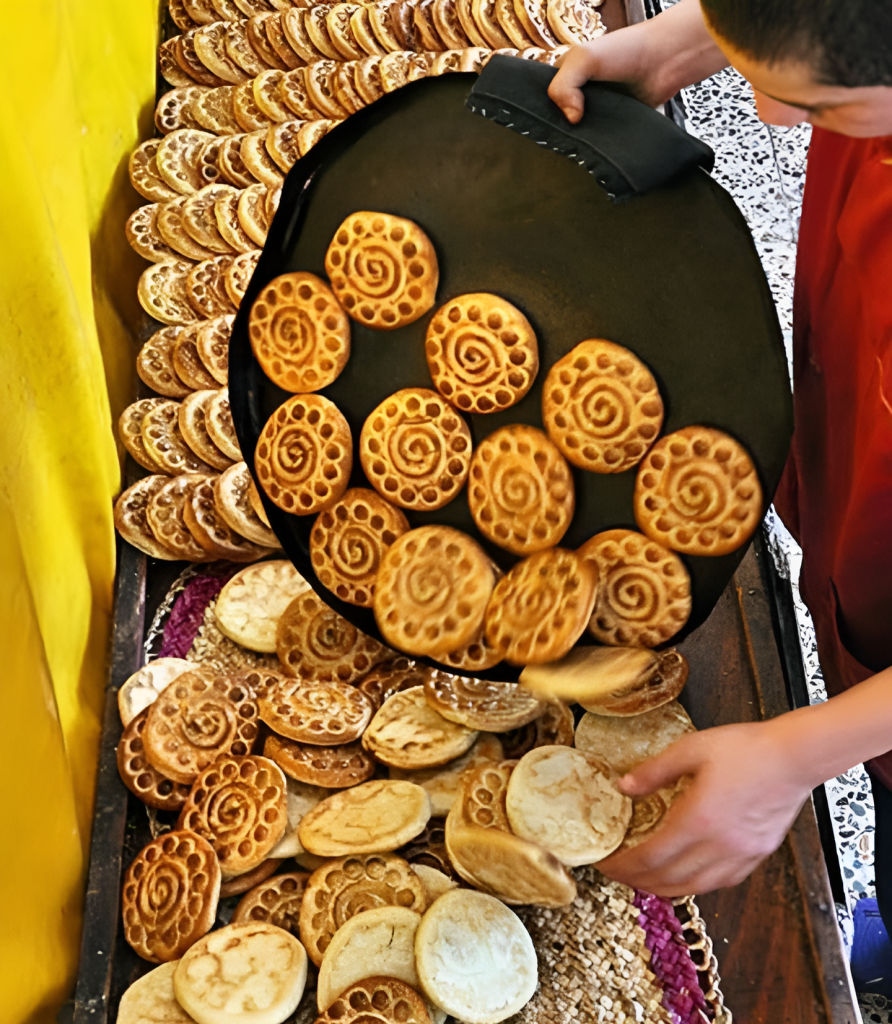
In general, it can be said that visiting Rasht Bazaar, as one of the most important tourist attractions in this city, can be very enjoyable and entertaining. We suggest that if you are planning to travel to Iran and the city of Rasht, be sure to visit Rasht Bazaar on your trip to this region and make a good memory for yourself and your family members.
Address and access ways
Rasht Bazaar is located in Gilan Province, Rasht City, Imam Street, and due to its location on one of the main streets of Rasht, it is easily accessible. This market is located 500 meters from the Municipality Square, and you can first take taxis that pass through Saadi Street to get to the Municipality Square, then walk a short distance to reach Rasht Bazaar.
I want to visit
Rasht Grand Bazaar






Rasht Grand Bazaar
Visitor Information
- Opening Hours:
- Monday: 08:00 – 23:00
- Tuesday: 08:00 – 23:00
- Wednesday: 08:00 – 23:00
- Thursday: 08:00 – 23:00
- Friday: 08:00 – 23:00
- Saturday: 08:00 – 23:00
- Sunday: 08:00 – 23:00
- Entrance: For free
- Region: Gilan Province
- City: Rasht
- Address: Municipality Square, Imam Khomeini Street
- Postal code: 4167763499
- Phone number: +981333667510
- Is open to public visitors: Yes