
Ganjali Khan Complex: A Timeless Masterpiece of Safavid Architecture in Kerman
- Introduction: The Beating Heart of Old Kerman
- History of the Ganjali Khan Complex
- Architectural Brilliance and Unique Features
- Nearby Visiting Attractions
- Cultural and Tourism Value
- Conclusion: A Jewel of Safavid Iran
Introduction: The Beating Heart of Old Kerman
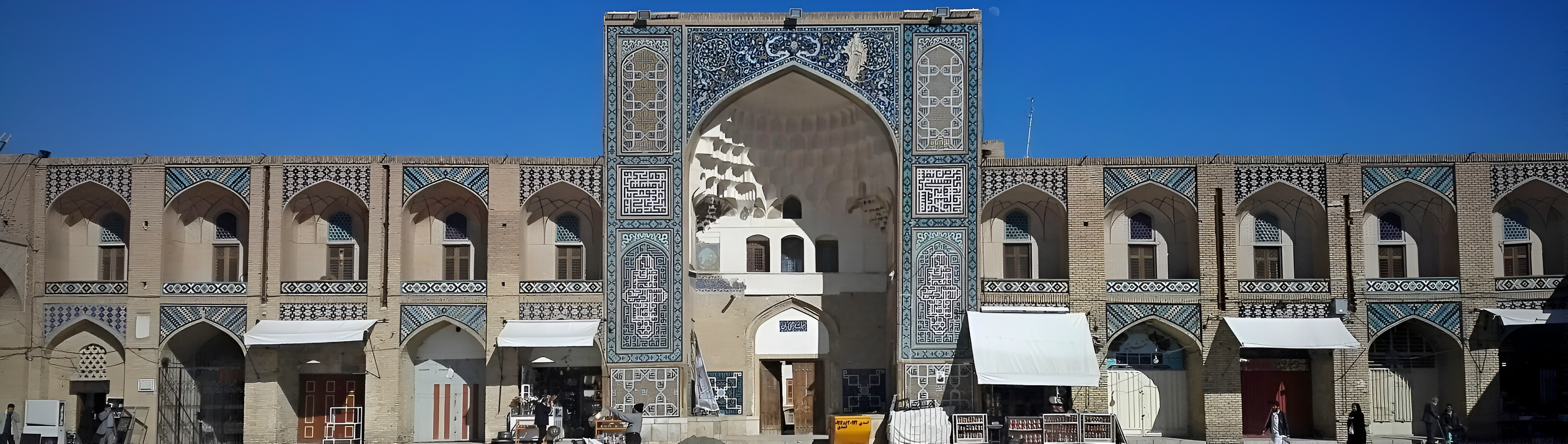
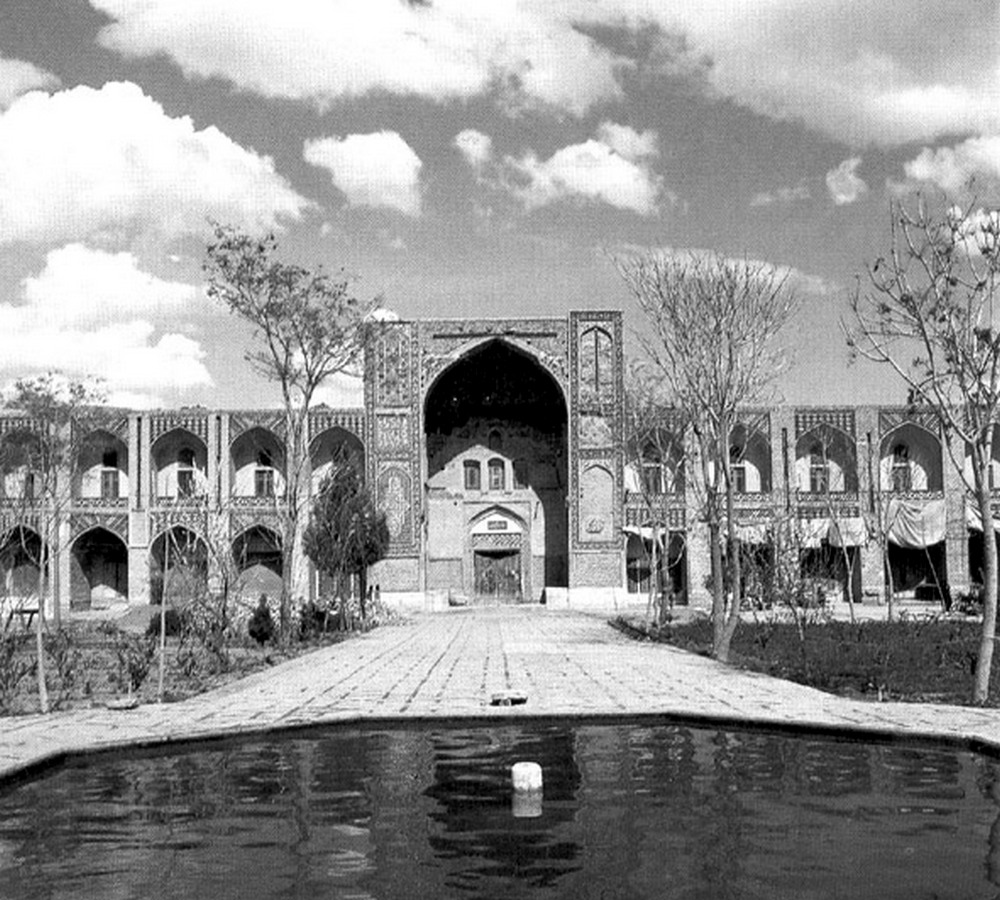
The Ganjali Khan Complex, located in the historic city of Kerman, Iran, is a magnificent ensemble of Safavid-era architecture, culture, and art. Built in the early 17th century, this complex includes a bazaar, mosque, bathhouse, caravanserai, school, and mint, making it one of the most comprehensive architectural projects of its time. Nestled in the city’s old quarter, it remains a symbol of Kerman’s rich history and architectural legacy.
History of the Ganjali Khan Complex
Commissioned by Ganjali Khan, the governor of Kerman under Shah Abbas I of the Safavid dynasty, the complex was constructed between 1596 and 1612. Ganjali Khan was a visionary leader who transformed Kerman into a prosperous hub for trade and culture. The complex was designed as a multifunctional civic center to serve the city's residents and travelers. Over centuries, it has remained remarkably well-preserved and is now a top historical attraction for tourists and scholars alike.
Architectural Brilliance and Unique Features
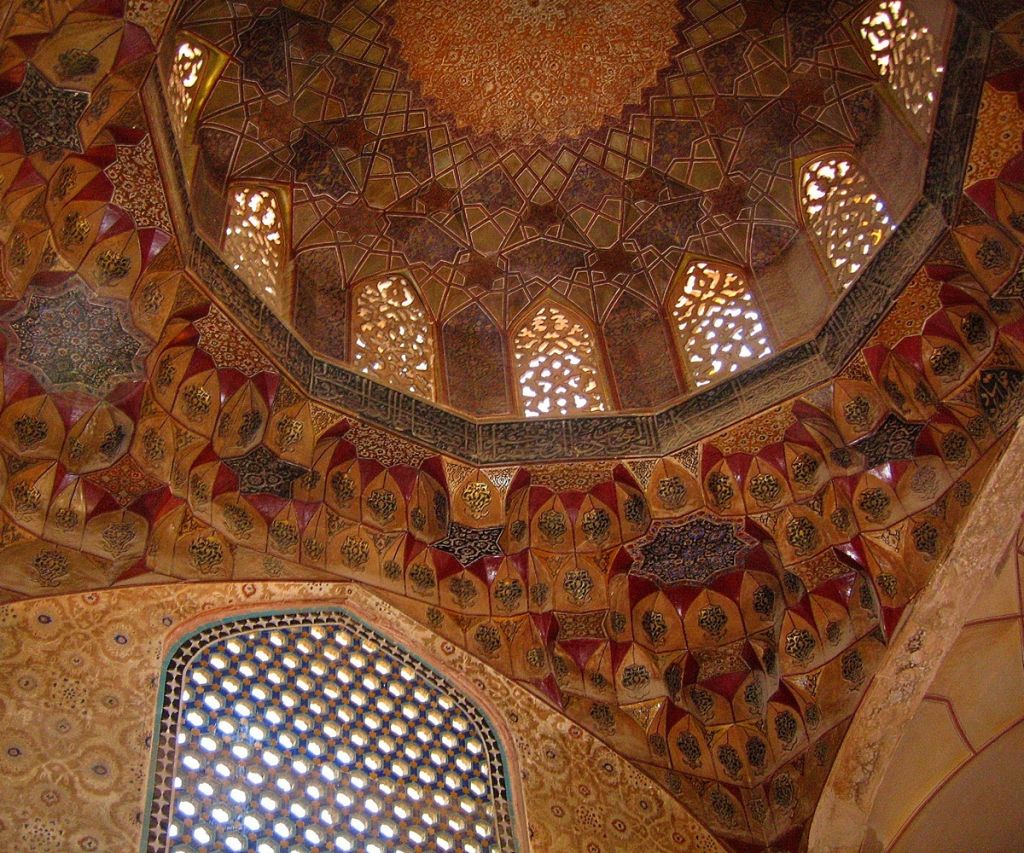
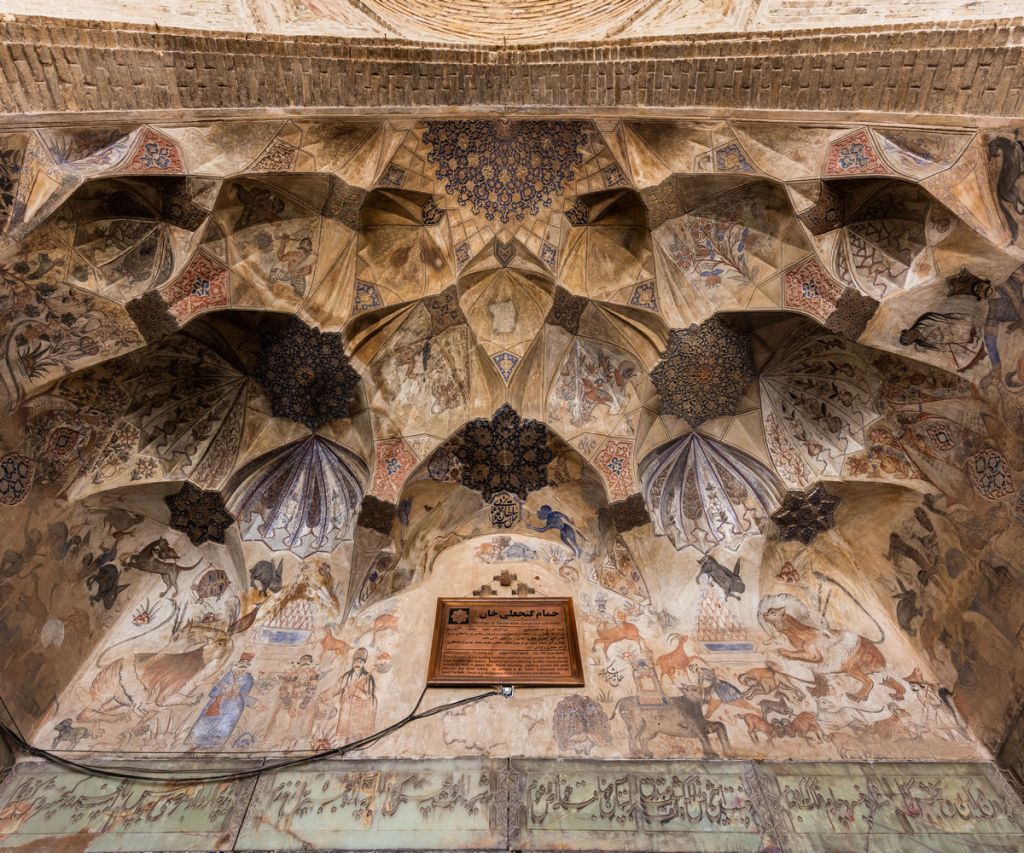
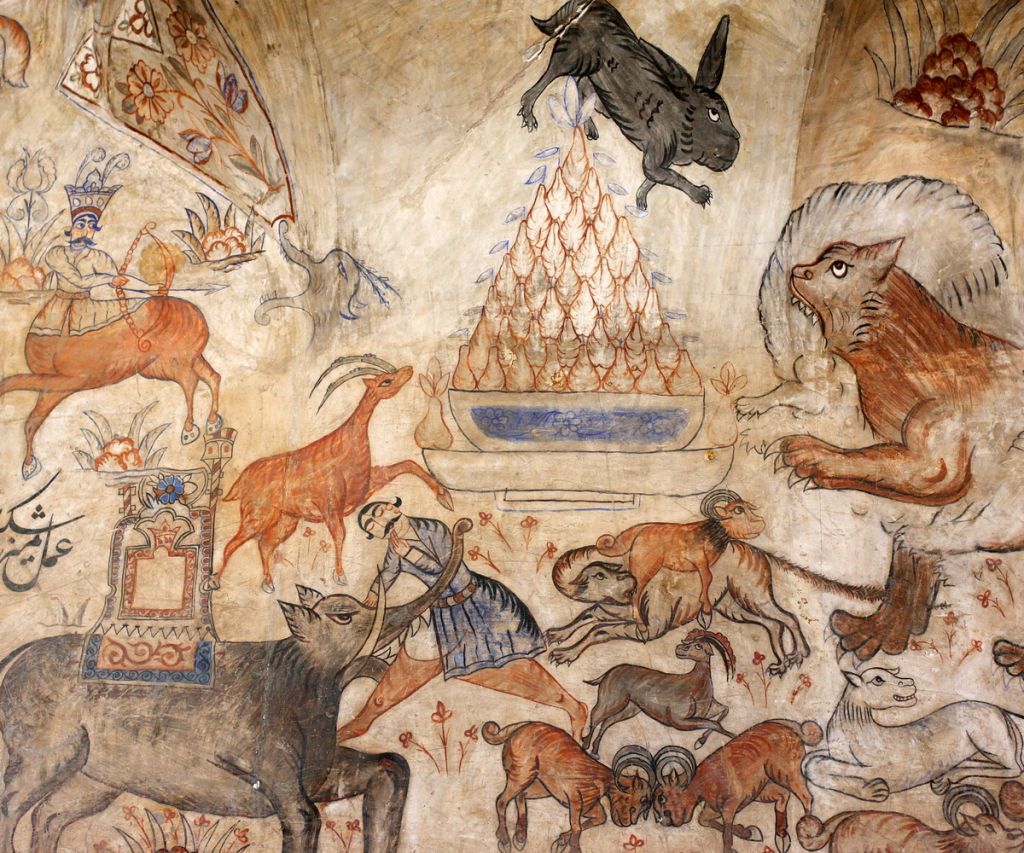
The Ganjali Khan Complex is a showcase of Safavid architectural elegance, featuring beautiful brickwork, tile decorations, frescoes, and calligraphy. The Ganjali Khan Bathhouse is one of its most famous components, known for its intricately tiled walls, domed ceilings, and anthropomorphic sculptures that show traditional Iranian bathing culture. The bazaar is still active today, creating a vibrant fusion of history and commerce. The mosque and school (madrasa) reflect classic Persian-Islamic architectural principles, offering symmetry, geometric beauty, and spiritual atmosphere.
Nearby Visiting Attractions
The Ganjali Khan Complex is centrally located in Kerman, making it easy to visit other notable attractions. Close by, you’ll find the Vakil Bazaar, Jameh Mosque of Kerman, and the Zoroastrian Fire Temple. Just outside the city, visitors can explore the Shazdeh Garden in Mahan, a UNESCO-listed Persian garden, and the Rayen Castle, a well-preserved adobe fortress similar to Arg-e Bam. The Lut Desert (Dasht-e Lut)—a UNESCO World Heritage Site—is also within driving distance, offering a unique desert experience.
Cultural and Tourism Value
The Ganjali Khan Complex plays a central role in preserving Kerman’s cultural heritage. It is not only a historical attraction but also an educational site that offers insights into Safavid urban planning, Islamic art, and traditional Iranian public life. Museums within the complex display ancient coins, artifacts, and artworks that enhance the visitor experience. This makes the complex a favorite among history enthusiasts, architecture lovers, and international travelers alike.
Conclusion: A Jewel of Safavid Iran
The Ganjali Khan Complex is more than a group of ancient buildings—it is a living monument that reflects the artistic and civic genius of Safavid Iran. With its stunning bathhouse, functioning bazaar, and historical ambiance, it stands as a must-visit site in Kerman. Whether you're seeking cultural depth, architectural beauty, or historical context, the Ganjali Khan Complex delivers an unforgettable experience that captures the spirit of Iran’s golden age.
I want to visit
Ganjali Khan Complex






Ganjali Khan Complex
Visitor Information
- Opening Hours:
- Monday: 09:00 – 19:00
- Tuesday: 09:00 – 19:00
- Wednesday: 09:00 – 19:00
- Thursday: 09:00 – 19:00
- Friday: 09:00 – 19:00
- Saturday: 09:00 – 19:00
- Sunday: 09:00 – 19:00
- Region: Kerman Province
- City: Kerman
- Address: Near Shahada Square, between the main Imam Street and Shariati Street, at the beginning of Kerman Bazaar, Ganjali Khan Square
- Postal code: 7618963117
- Phone number: +983432225577
- Is open to public visitors: Yes