

Fire Temple in Kerman: Where a sacred flame and a living culture endure
- At a glance
- Why it matters
- History
- Architecture and symbolism
- The sacred fire
- Community and continuity
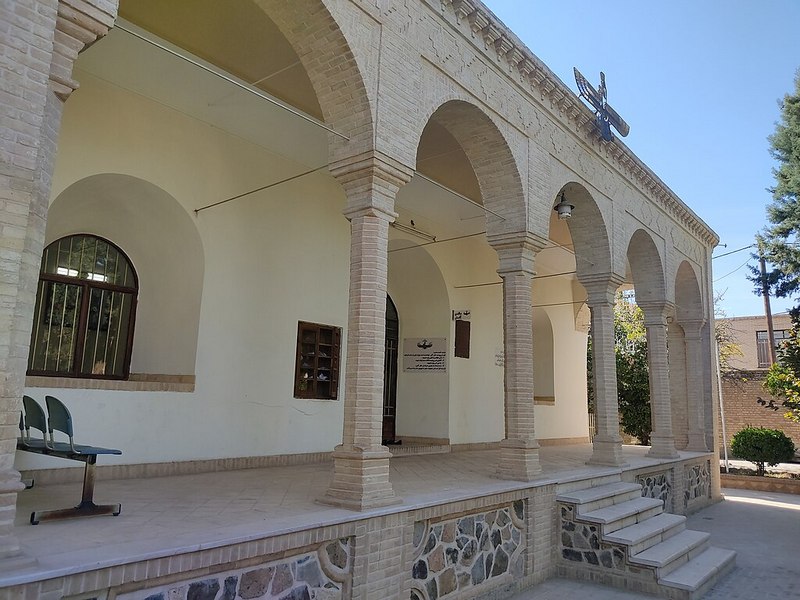
The Fire Temple of Kerman (Atashkadeh-ye Kerman) is a Zoroastrian temple that also houses the world’s only Zoroastrian anthropology museum — an intimate place where faith, memory, and material culture meet.
At a glance
- Affiliation: Zoroastrianism
- Established: 1924 (Pahlavi era)
- Unique feature: Home to the only Zoroastrian anthropology museum in the world
- Sacred fire: Said to have been transferred from India, with origins linked to Adur Farnbag, one of the three holiest Sasanian fires
- Inscription at entrance: “Humata, Hukhta, Hvarshta” — good thoughts, good words, good deeds
- Heritage status: Listed as Iranian national heritage site No. 4190 on 2 October 2001
Why it matters
Beyond bricks and ritual, this temple is about continuity — how a community keeps its story alive. If you’re drawn to places where belief becomes daily practice, this one invites you to listen closely.
History
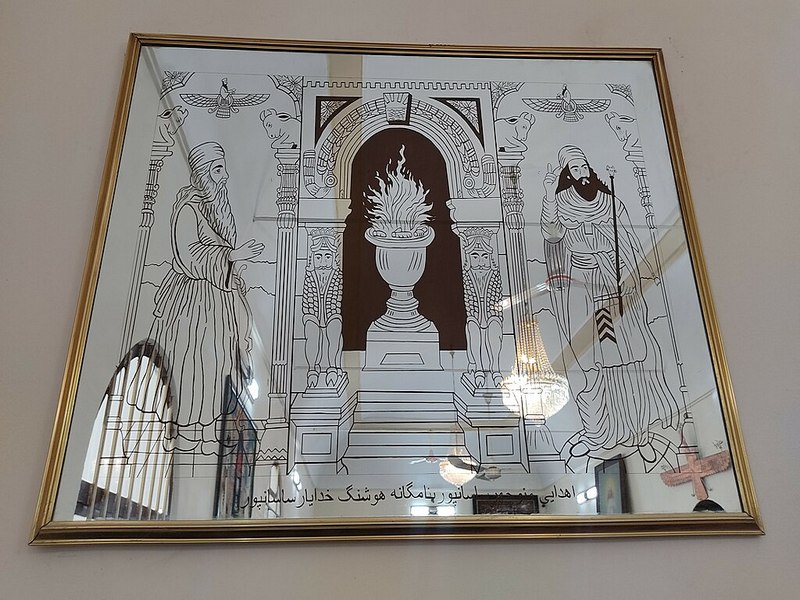
Built in 1924 during the reign of Reza Shah Pahlavi, the temple stands as a 20th‑century anchor for one of the world’s oldest living religions. Another account dates the establishment to 1303 SH, noting it came under Reza Shah’s reign and followed a decade of construction — an echo of the long effort behind its creation.
Local narratives attribute its founding either to the transformation of a residence belonging to Jahangir Ashidari (a Zoroastrian mobed, researcher, and historian) during the second Pahlavi era, or to the philanthropy of Jamshid Khodarahm Narsi Abadi, a Mumbai-based Zoroastrian merchant who helped establish a house of worship and inn for co-religionists in Kerman in 1924. The site was later registered on Iran’s national heritage list as No. 4190 in 20011.
Architecture and symbolism
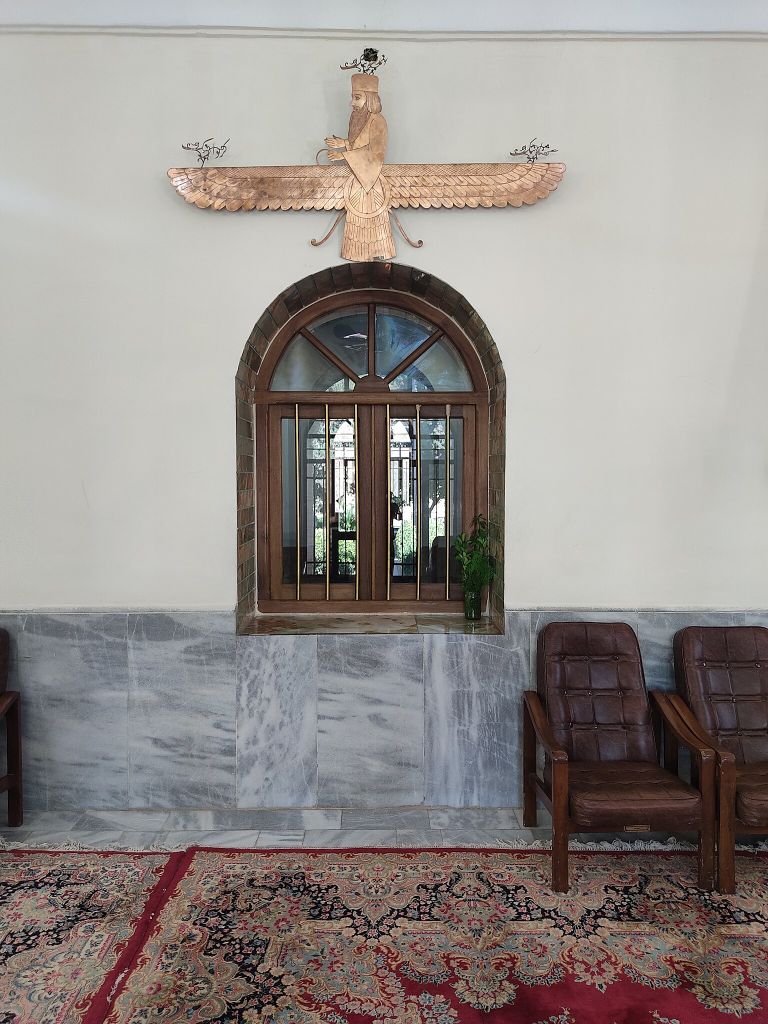
The temple is a dignified brick structure. Above its entrance, the Zoroastrian ethical triad — “Humata, Hukhta, Hvarshta” (good thoughts, good words, good deeds) — frames your passage from the city’s noise into a space of ritual order. Similar inscriptions and composure can be found across Zoroastrian shrines in Iran.
The sacred fire
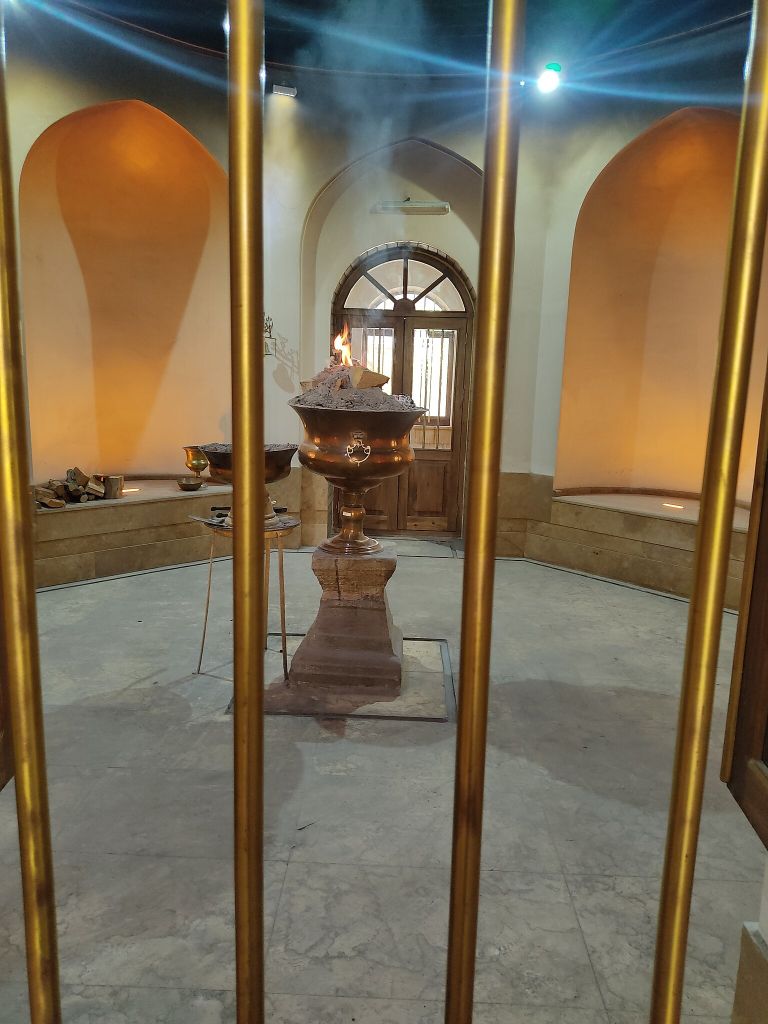
The fire enshrined here is said to have been transferred from India and linked to Adur Farnbag, among the most revered fires of the Sasanian era. That lineage turns a glowing ember into an unbroken thread — spiritual ancestry you can feel rather than merely read about.
Community and continuity
Kerman’s Zoroastrians have treated the site as a home, not just a monument. Oral histories note it as the province’s last active fire temple, underscoring its role as both sanctuary and social memory.
I want to visit
Fire Temple in Kerman






Fire Temple in Kerman
Visitor Information
- Opening Hours:
- Monday: 08:00 – 19:00
- Tuesday: 08:00 – 19:00
- Thursday: 08:00 – 19:00
- Friday: 08:00 – 19:00
- Saturday: 08:00 – 19:00
- Sunday: 08:00 – 19:00
- Entrance: Paid
- Cash/Credit Card accepted: Cash
- Region: Kerman Province
- City: Kerman
- Address: Zarisof (Shohada) Street, beginning of Borzo Amighi Street
- Postal code: 7618963117
- Phone number: +983433126686
- Is open to public visitors: Yes