
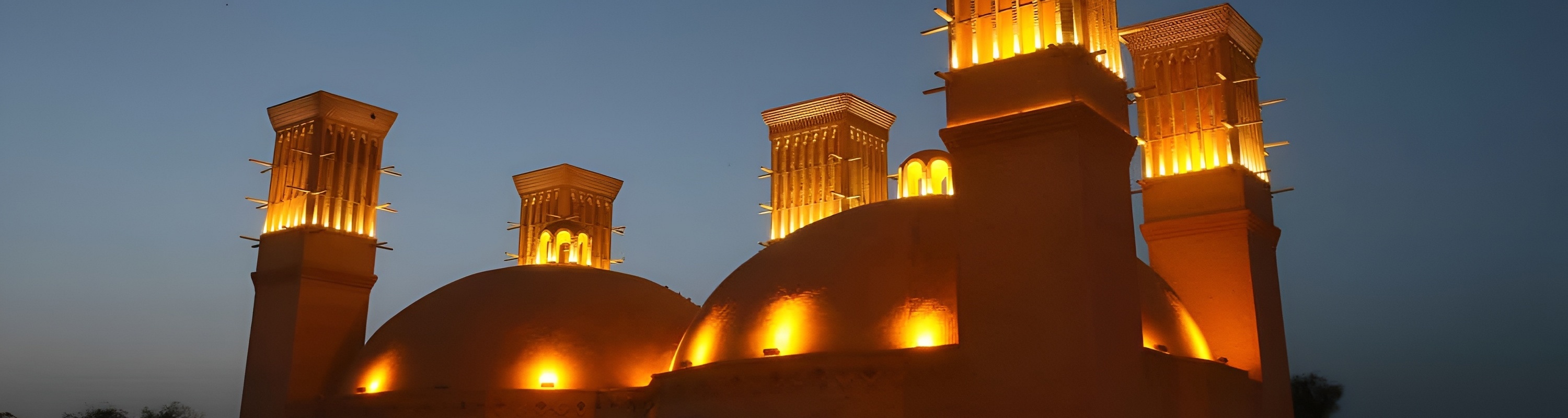
Kish Historical Cistern: A Testament to Persian Water Engineering
- Introduction
- What Is a Cistern?
- Location and Accessibility
- Historical Background
- Significance in Iranian Engineering
- Nearby Attractions
- Conclusion
Introduction
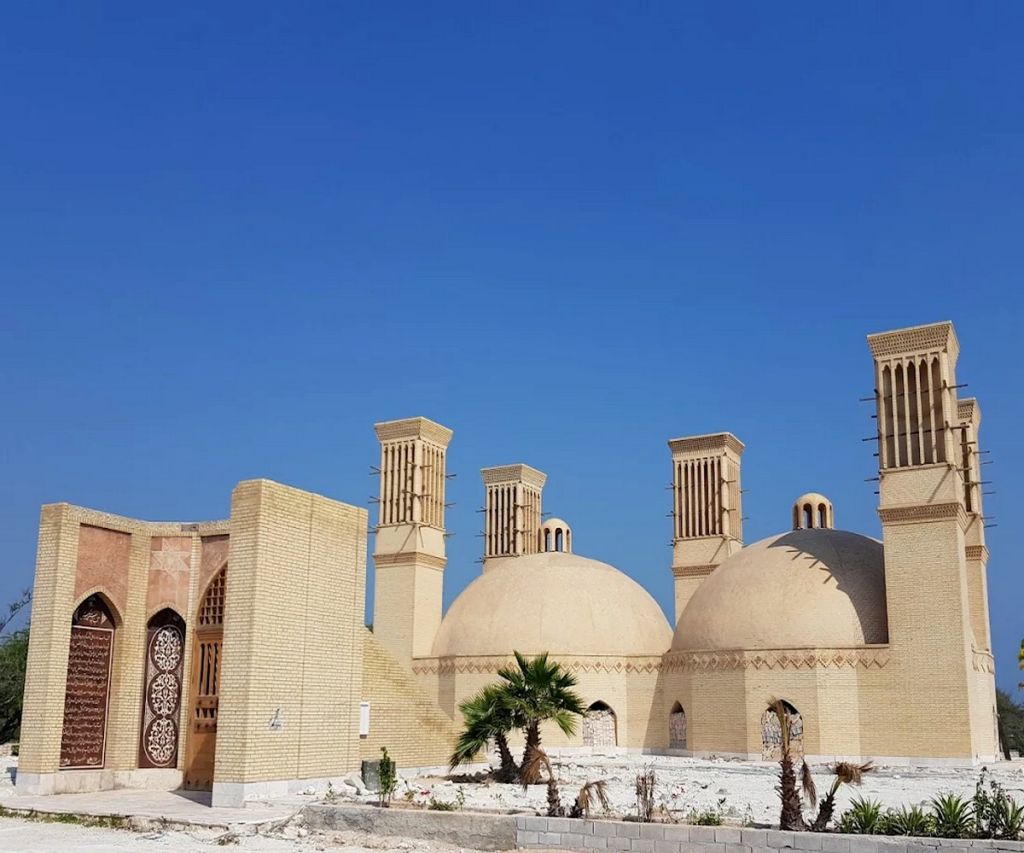
The Kish Historical Cistern, located on Kish Island in southern Iran, stands as a powerful symbol of ancient Persian ingenuity in water management. Known in Persian as "Ab Anbar-e Tarikhi Kish", this cistern was historically used to store and cool fresh water in a hot, arid climate. With its unique architecture and environmental functionality, the cistern not only represents traditional engineering but also serves as a cultural attraction for modern-day visitors to the island.
What Is a Cistern?
A cistern is a traditional water storage system designed to collect rainwater or store qanat-fed water for later use. In Iran, cisterns (ab anbars) were especially important in desert regions where water scarcity posed a constant challenge. The design often included underground chambers, wind towers (badgirs), and domed ceilings to maintain cool temperatures and reduce evaporation.
Location and Accessibility
The Kish Historical Cistern is situated near the Harireh Ancient City and the Kish Underground City (Kariz) on the northern coast of Kish Island. It’s within easy reach of most hotels and tourist areas and is often included in cultural tour packages of the island.
Historical Background
The Kish Cistern was originally constructed around the early Islamic period, possibly during the Safavid or Qajar eras, though some believe it may have even older origins. The structure was vital in providing water to the residents of Harireh and the surrounding settlements, especially during hot seasons when fresh water was scarce.
The cistern was carefully located and built using materials like coral stone, lime mortar, and plaster, sourced locally on the island. Over time, as modern plumbing systems were introduced, the cistern was no longer used for its original purpose. Today, it has been preserved and restored as a historical site, open to the public.
Significance in Iranian Engineering
Cisterns like the one in Kish Island are part of Iran’s long tradition of sustainable engineering. They show how ancient Persian civilizations adapted to harsh desert conditions through creative, eco-friendly solutions. The Kish Cistern is an outstanding example of passive cooling systems, gravity-fed water flow, and natural resource conservation.
The structure also holds educational value for those interested in hydraulic architecture, desert survival systems, and Islamic-era civil engineering.
Nearby Attractions
-
Harireh Ancient City – A medieval coastal city with ruins of homes, baths, and mosques
-
Kariz Underground City – A vast qanat-based underground museum and tunnel network
-
Greek Shipwreck – The remains of a 20th-century cargo ship grounded near the coast
-
Kish Beaches – Known for their white sand and coral reef waters
Conclusion
The Kish Historical Cistern is more than just an old water tank — it is a monument to Iran's age-old mastery of sustainable engineering and climate-resilient architecture. Its design reflects the Persian genius for harmony between human needs and natural elements, offering valuable lessons in both history and environmental design. Whether you're a history lover, architect, or simply a curious traveler, the cistern is a must-see highlight of Kish Island.
I want to visit
Kish Historical Cistern






Kish Historical Cistern
Visitor Information
- Opening Hours:
- Monday: 09:00 – 22:00
- Tuesday: 09:00 – 22:00
- Wednesday: 09:00 – 22:00
- Thursday: 09:00 – 22:00
- Friday: 09:00 – 22:00
- Saturday: 09:00 – 22:00
- Sunday: 09:00 – 22:00
- Entrance: For free
- Region: Hormozgan Province
- City: Kish Island
- Address: Kish Stadium Neighborhood, Olympic Boulevard, Green Tree Street
- Postal code: 7915957913
- Phone number: +987633687197
- Is open to public visitors: Yes