
Where Toys Tell Tales: The Kashan Puppet & Toy Museum
- Historical Charm of Kashan
- Entrance to the Museum
- The Visionary Behind the Museum
- Forms of Traditional Puppet Theater
- Layout of the Museum and Tamasha Khane
- Live Performances and Cultural Immersion
- Diverse Puppet Collection and Exhibits
- Historic 19th Century Puppet Display
- Unique Glove Puppets and Iranian Icons
- Archaeological Finds and Ancient Toys
- Global Doll Collection
- Musical Toys, Cards, and Contributions
- Ritual Puppets and Regional Traditions
- Puppet Workshop and Artisanal Store
- Star Puppet: Ali Varjeh the Gymnast
- Souvenirs and Puppet Books
- Guest House Experience
- Museum Hours and Visitor Info
- Sightseeing near Puppet and Toy Museum House
Historical Charm of Kashan
Most of the city of Kashan is winding clay streets, giving the tourist the ability to travel in time. Just like in Yazd, in Kashan it is easy to imagine yourself as a hero of a historical story of the medieval East: walking block after block and peeping through the half-open heavy doors of unremarkable walls, seeing the rich courtyards of the influential families of Borujerdi and Tabatabai hidden behind them; throwing your head back higher, admiring the badgirs - natural "air conditioners" in the form of towers - and paying tribute to them on particularly hot days, and waiting for the evening coolness, leisurely heading to your business in the bazaar near the Aga Bozorg mosque.
Entrance to the Museum
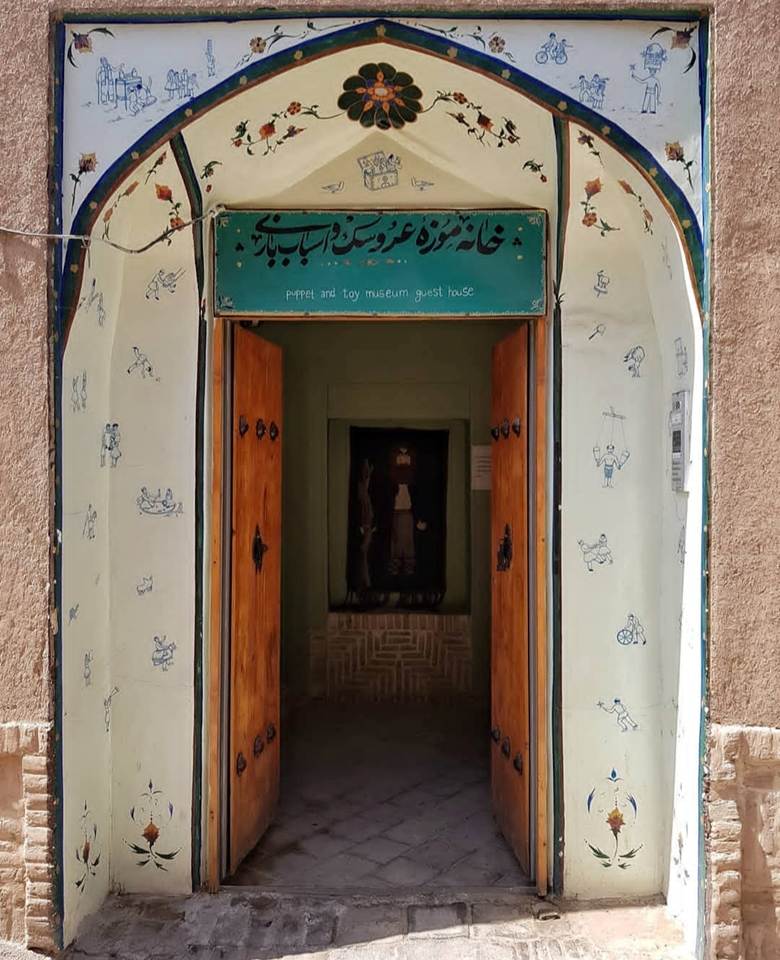
In this very historical center of Kashan, to the north of the Jalali fortress, there is a landmark that deserves special attention and is unexpected for an eastern city – the Museum of Dolls. The entrance to the museum is a traditional arched vault, an aivan, painted with scenes of theatrical and game performances, under it is a massive wooden door with iron handles-"hammers". The "hammers" for men are on the right, the knock of which is heavy and muffled, and on the left – for women, whose sound is much softer. Thus, by knocking on the door, the owners of the house could find out in advance who is knocking on them: a man or a woman. Above this massive door hangs a sign "Guest House and Museum of Dolls and Toys", and behind it is an inner courtyard and a number of rooms.
The Visionary Behind the Museum
The museum's founder, Tehran native Amir Sohrabi, is an ardent fan of his craft – he collects dolls and toys, as well as folk theatrical stories. Over the years of many years of wandering from one Iranian province to another, he managed to organize a collection of 120 dolls and even wrote a book based on the impressions and knowledge he received, "Behind the Scenes of the Puppet World and the Puppet Theater in Isfahan and Nain." Wanting to find a home for his finds, Mr. Sohrabi chose a building with a 150-year history, which once belonged to Jafar Allama Feyzi, a poet and cleric of the late Qajar period (1795–1925).
Forms of Traditional Puppet Theater
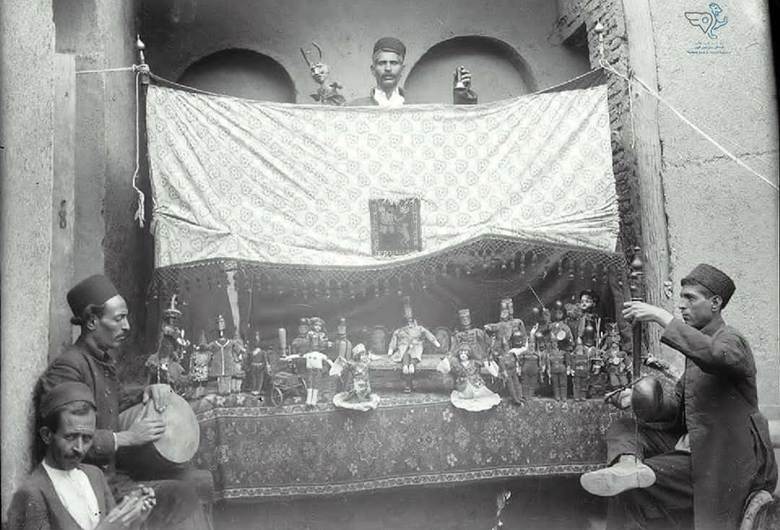
Since the Safavid period (1502–1736), the Iranian puppet show has been known in two main forms: shadow theatre and puppet theatre. The former was called Hiyal-bazi (Persian: “playful fantasy”), while the latter was called Hime-shab-bazi (Persian: “tent night game”). Puppet shows were common in large cities, especially in Isfahan. It is believed that puppet theatre originated in India and China, and Iranian puppeteers adopted and transformed this art form, changing the costumes and shape of the puppets to resemble the heroes of traditional tales familiar to local audiences. Nowadays, this art form is almost forgotten, but you can get acquainted with it at the Kashan Puppet Museum.
Layout of the Museum and Tamasha Khane
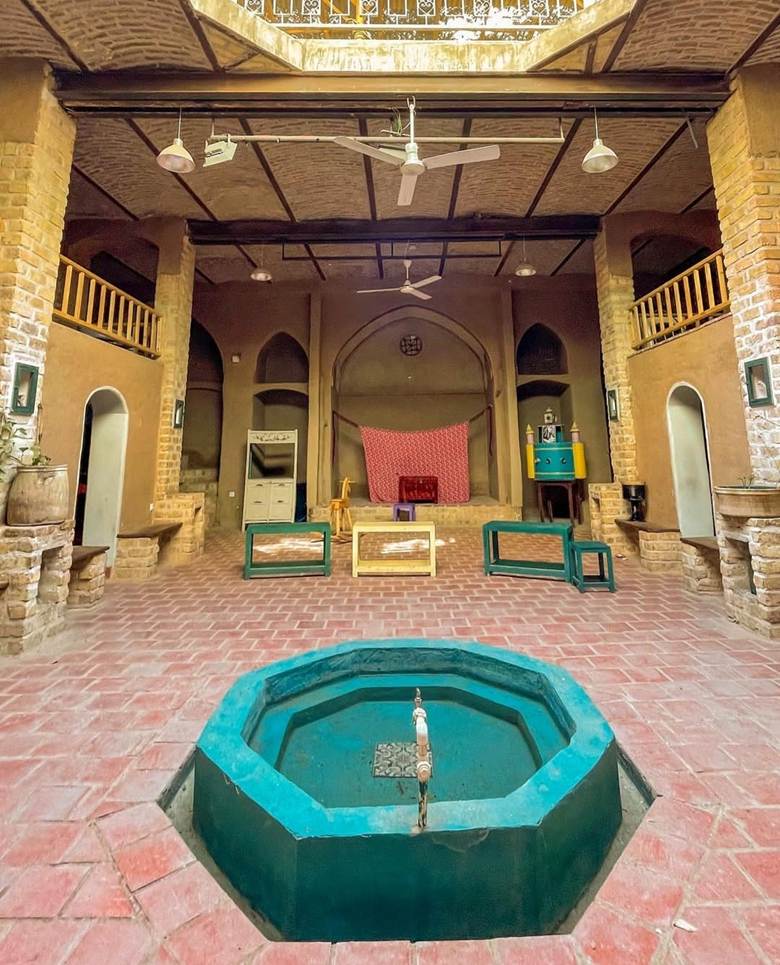
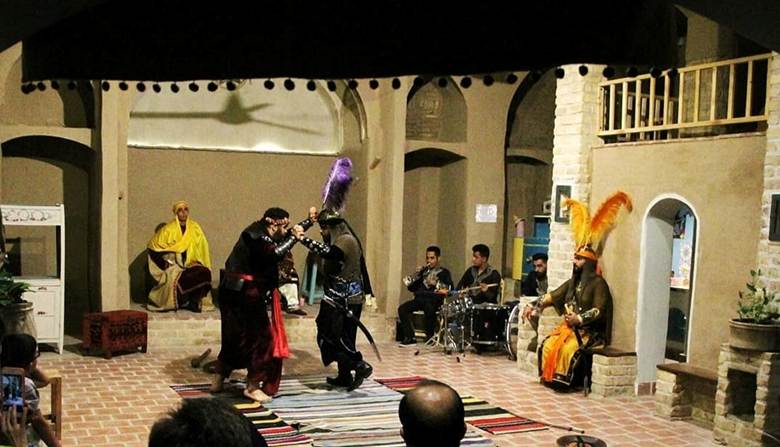
The Doll and Toy Museum occupies several halls and small rooms located on the ground floor of the caravanserai. A high vaulted ceiling, a balcony and a tiny pool are notable features of the Tamasha Khane (Persian for “house of shows”), a venue for creative events and theatrical performances.
Live Performances and Cultural Immersion
The museum staff put on shows, games, tell legends and stories in an effort to introduce their audience to Iranian culture. Children and adults often find themselves involved in the scenes being played out and experience vivid emotions, being in the center of a dramatic narrative. Mr. Sohrabi and his colleagues regularly organize traveling puppet shows in different parts of Iran, attracting the attention of viewers both to their museum and to puppet art in general.
Diverse Puppet Collection and Exhibits
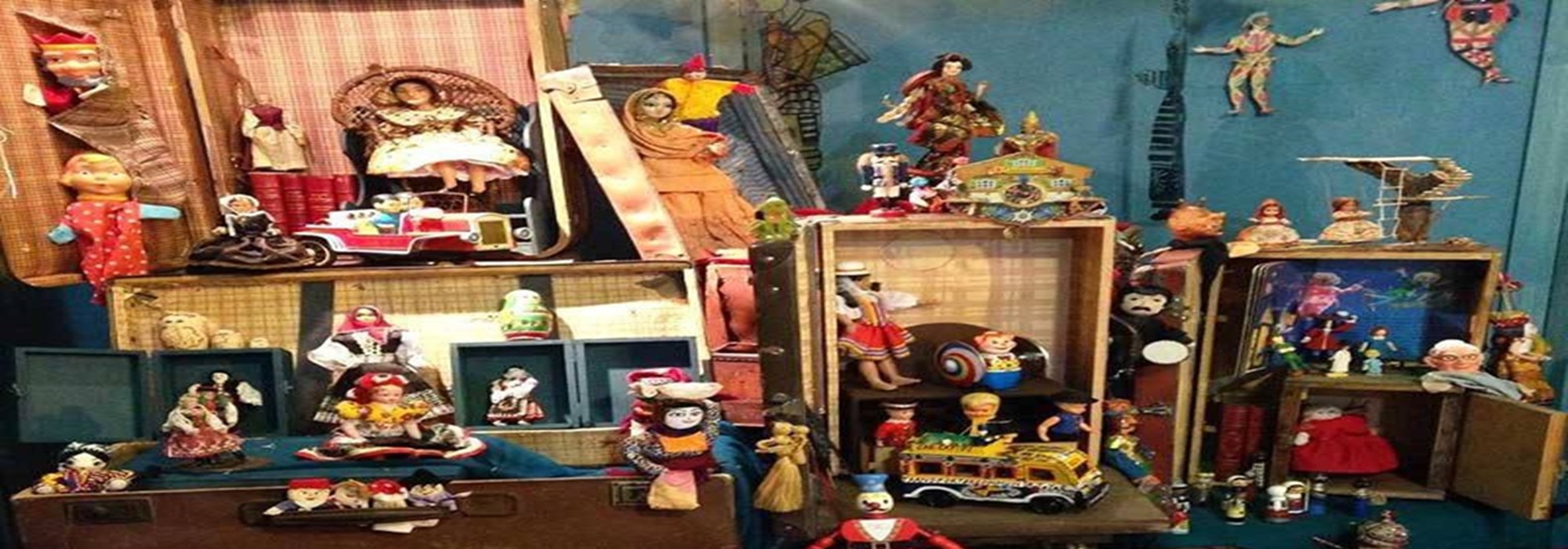
The exhibits themselves are located in niches in the walls of the rooms and corridors of the museum. The collection consists of traditional puppets that participated in theatrical performances in the last and the century before last, ancient toys from the Qajar era, some types of ritual and religious Iranian dolls, as well as examples of puppet art from many countries of the world. Each of the museum rooms is named after one of the local dolls of Iran: Choli Kazak, Dokhtoluk, Buk Barane and others. Museum employees regularly conduct tours of the halls and, moving from display case to display case, tell in detail about the origin and history of each exhibit. If you are lucky, at the end of the tour you will be able to watch a theatrical performance, listen to a traditional ritual with a doll or take part in a game performance.
Historic 19th Century Puppet Display
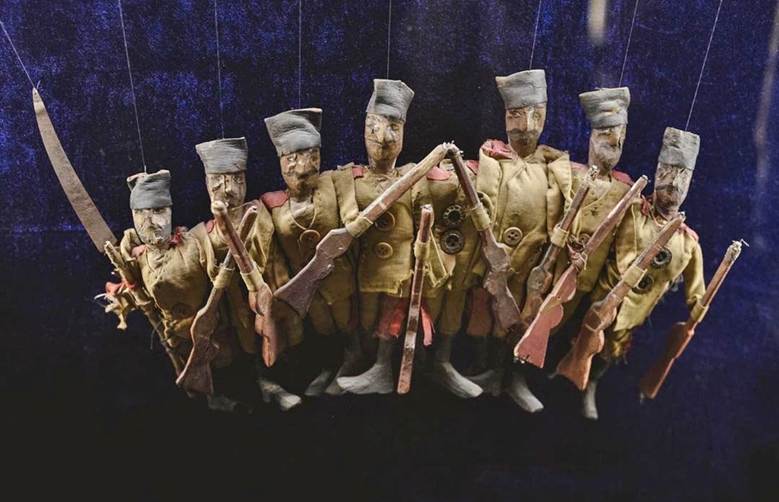
One of the halls contains a collection of historical puppets of the 19th century. For example, the Cossack Brigade of His Majesty the Shah of Persia. Created in the image and likeness of a real Persian Cossack brigade, the creation of which has an interesting history. When Shah Nasir ad-Din (r. 1848–1896) passed through the Caucasus during his second journey to Europe, he was accompanied everywhere by a Cossack detachment of the Russian Empire. The Shah liked the uniform and the trick riding so much that he expressed his intention to create a similar cavalry detachment in Persia.
Unique Glove Puppets and Iranian Icons
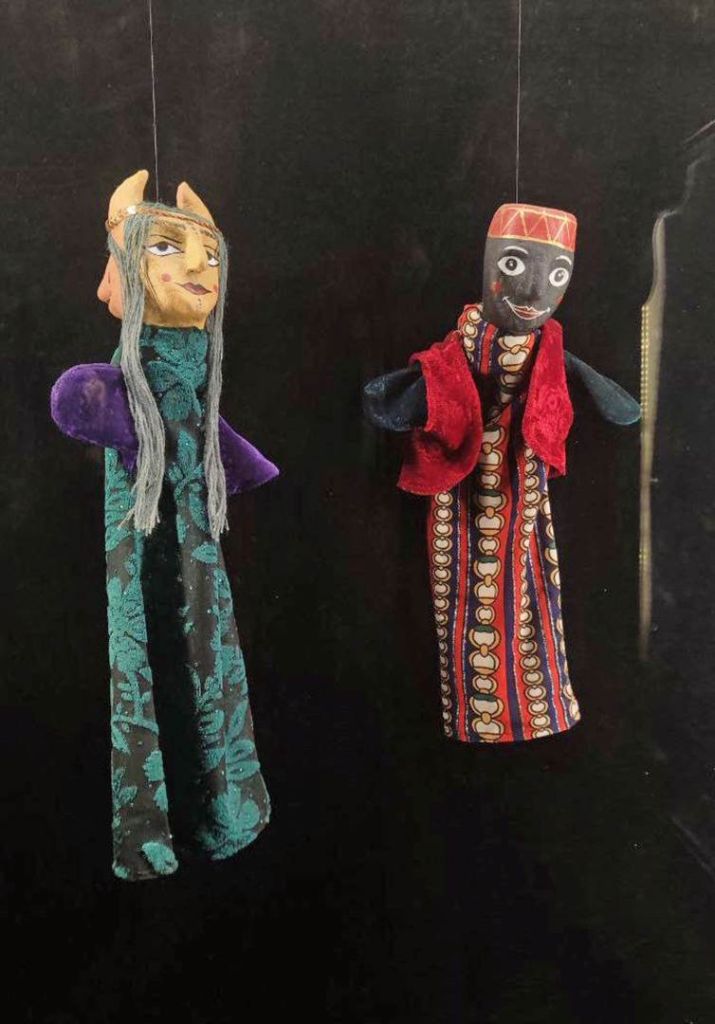
The museum also displays a rarer form of puppetry – glove puppets: the two-faced Servenaz and Mobarak, the heroes of a famous puppet show, brought from Isfahan.
Archaeological Finds and Ancient Toys
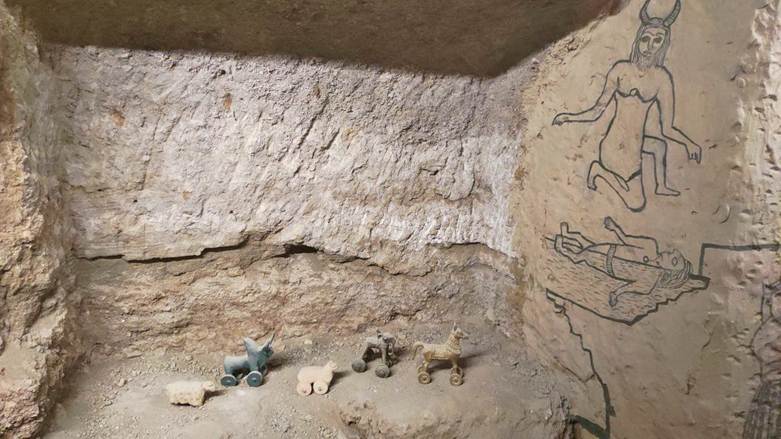
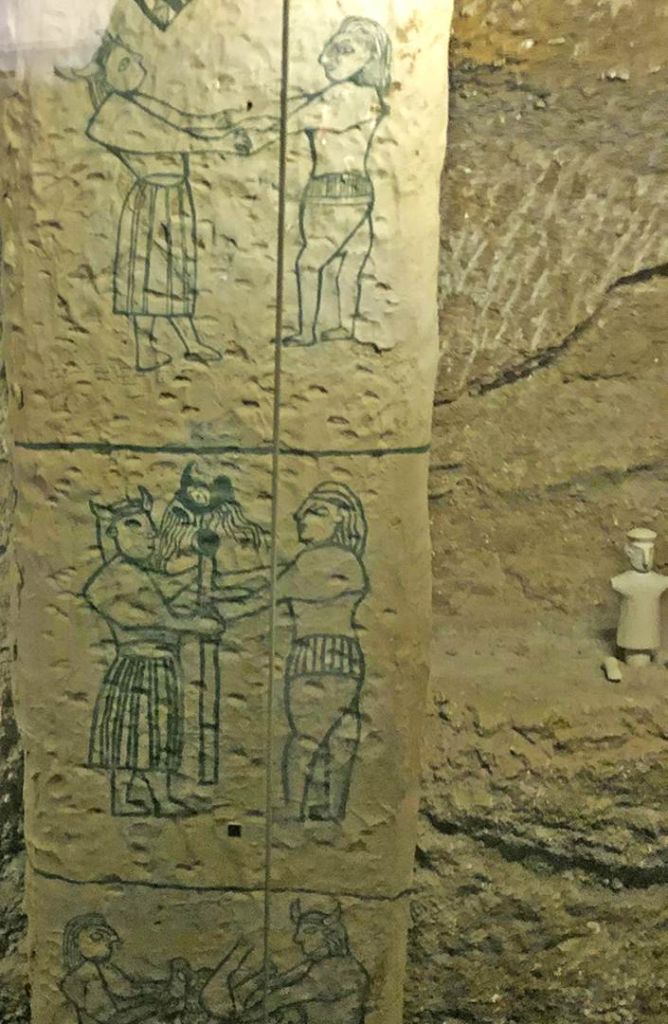
Mr. Sohrabi is especially proud of the toys found during archaeological excavations in what is now Iran. These are mostly primitive children's toys - animals on wheels. However, some of the exhibits are many centuries old.
Global Doll Collection
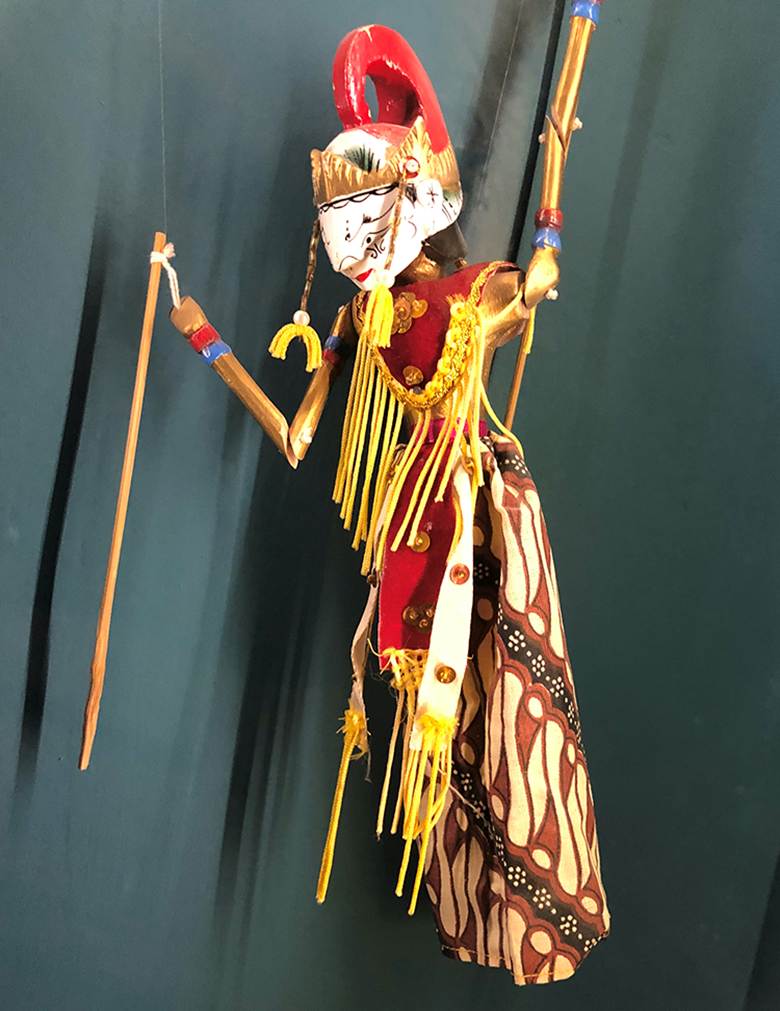
A separate room contains dolls and toys from different countries of the world. Vietnamese dolls from the traditional Saigon water theatre, dolls from Indonesia and many, many others.
Musical Toys, Cards, and Contributions
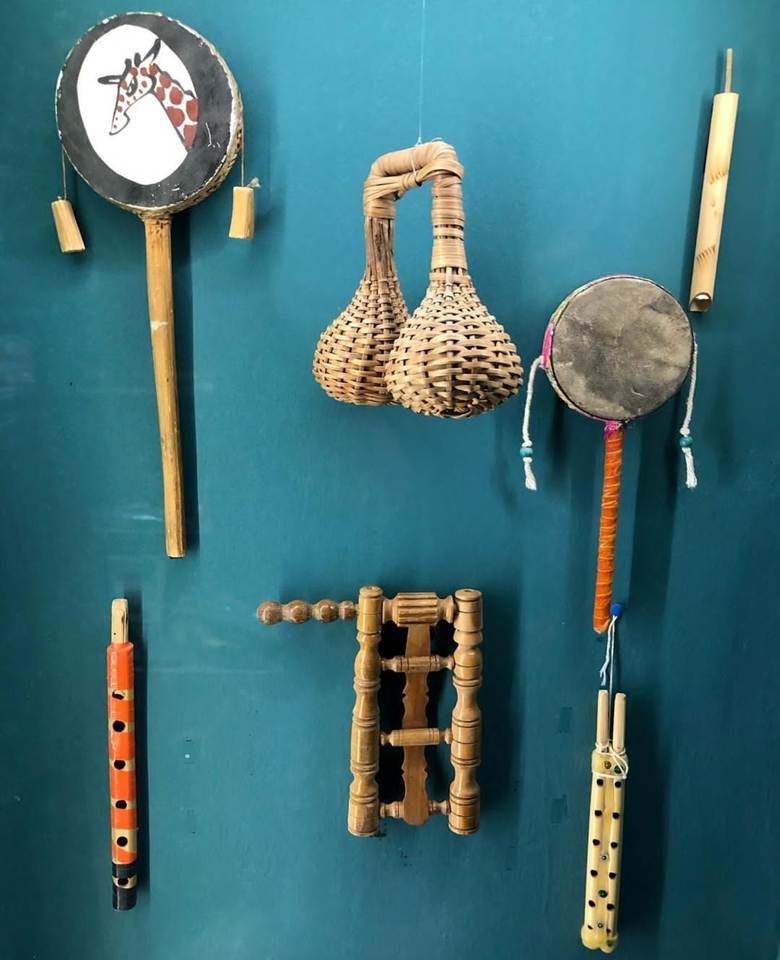
There are also painted musical instruments, old playing cards, and modern children's toys on display. They were brought as gifts by museum visitors, among others.
Ritual Puppets and Regional Traditions
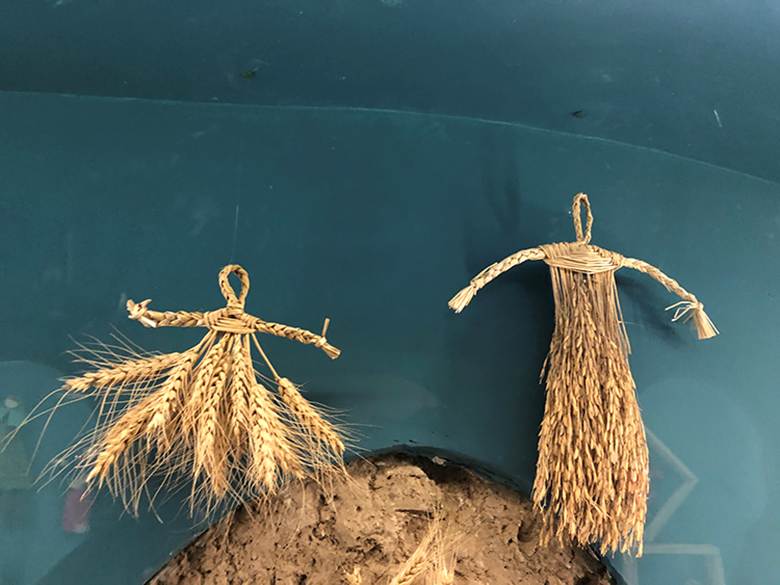
The museum's collection includes several exhibits that were used for ritual purposes in different regions of Iran. For example, in the city of Nahavand, after the wheat harvest, such a "wheat bride" was hung on the walls so that goodness and blessings would reign in the house. In the province of Gilan, a similar doll-bride was made from rice straws.
Puppet Workshop and Artisanal Store
In the museum, next to Tamasha Khane, there is a doll-making workshop, where master classes are held periodically. There is also a toy and handmade doll shop, where the sellers will be happy to show the dolls they have, talk about the biography and the idea behind the creation of each character.
Star Puppet: Ali Varjeh the Gymnast
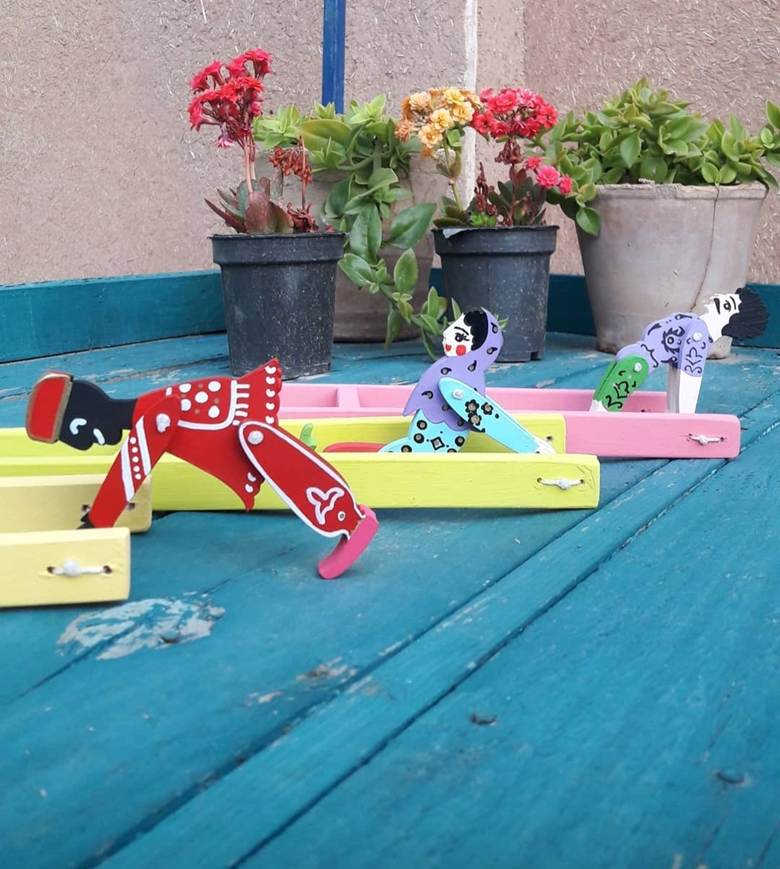
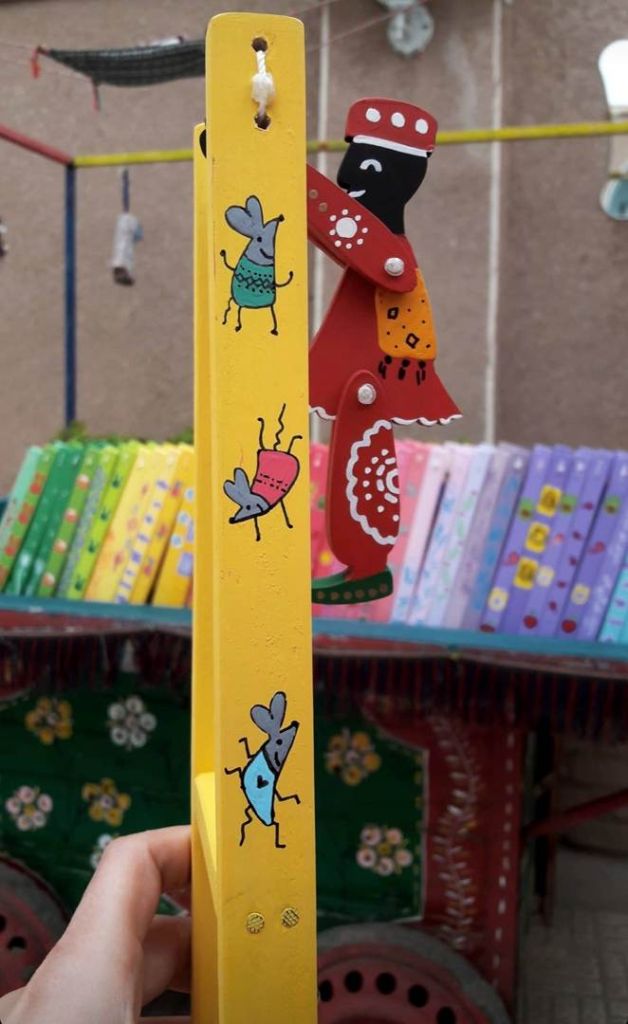
Among the wide selection of dolls, Ali Varje, who performs gymnastic tricks, occupies a special place. She has gained popularity among both Iranians and foreign guests for her amazing abilities. If you bring wooden planks closer to each other at different speeds and pressures, the doll, thanks to simple mechanisms, will deftly move its arms and legs, making a turn around the bar. Playing with such a puppet helps improve motor skills, is great entertainment for both children and adults.
Souvenirs and Puppet Books
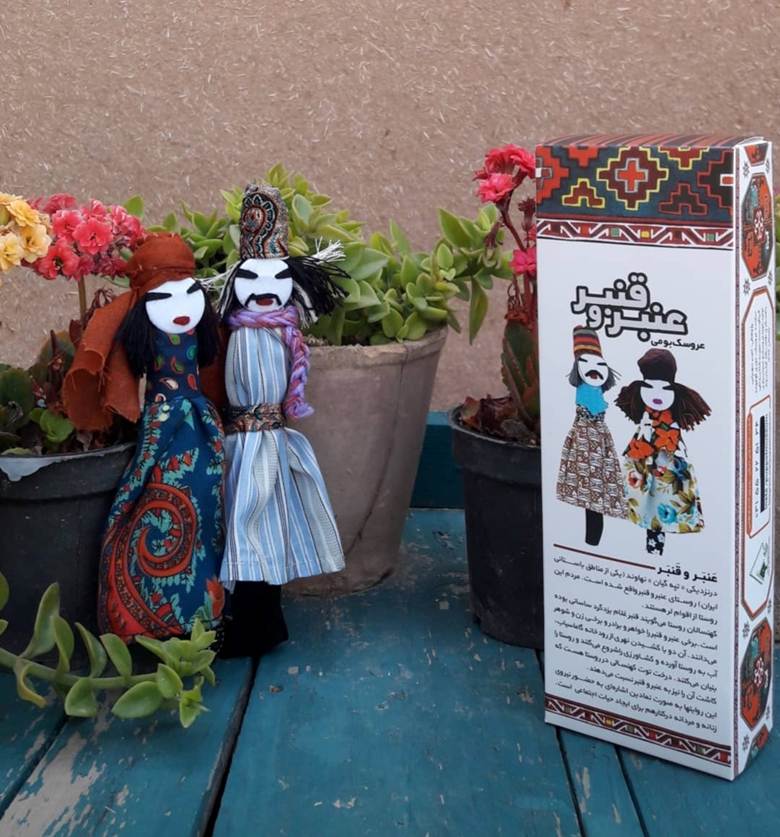
In addition to Ali Varjeh, the museum shop offers for purchase small books with theatrical plots, a set of dolls "Anbar and Kanbar", "Farfre" (spinning top), "Tabalak" (drum) and others. A doll in a beautiful package will be an unusual and interesting souvenir from Iran.
Guest House Experience
Tourists also have the opportunity to immerse themselves in the life of this interesting place – to stay overnight in the museum’s guest house. The rooms are not richly decorated, but they are attractive and original. Among the advantages of such accommodation are more chances to participate in museum performances, seminars and programs, to communicate with museum workers and perhaps even the museum’s creator.
Museum Hours and Visitor Info
Kashan's "Guest House and Museum of Dolls and Toys" is an opportunity to hear the voice of a bygone era and look into the very essence of Persia through the prism of theater and puppets. Opening Hours: Daily, 10:00 – 19:00
Sightseeing near Puppet and Toy Museum House
You can visit Borujerdi house which is located a few minutes away from the Puppet and Toy Museum House.
I want to visit
Puppet & Toy Museum Guesthouse






Puppet & Toy Museum Guesthouse
Visitor Information
- Opening Hours:
- Monday: 17:00 – 20:00
- Tuesday: 17:00 – 20:00
- Wednesday: 17:00 – 20:00
- Thursday: 09:00 – 13:00
- Thursday: 17:00 – 20:00
- Friday: 09:00 – 13:00
- Friday: 17:00 – 20:00
- Saturday: 17:00 – 20:00
- Sunday: 17:00 – 20:00
- Region: Isfahan Prpvince
- City: Kashan
- Address: Alavi St., Hashemian, Nik Bin, Chehel Dekhtroon
- Postal code: 8715713511
- Phone number: +983155225134
- Is open to public visitors: Yes