
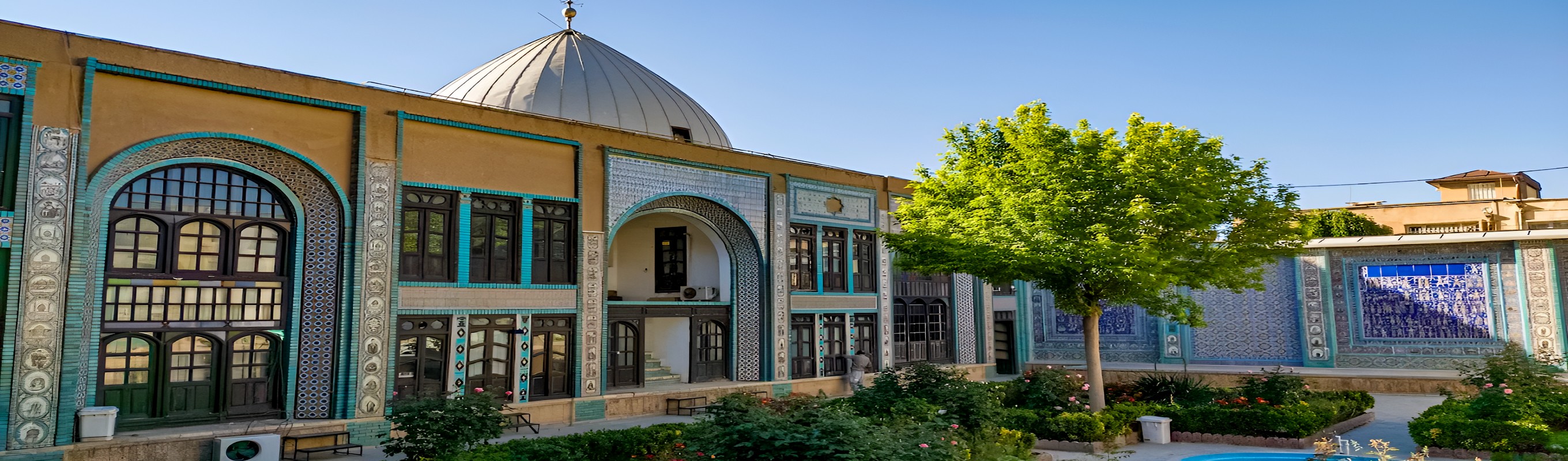
Takyeh Moaven-ol-Molk: A Unique Shiite Heritage Site in Kermanshah
- Introduction: A Hidden Gem of Religious Art and Culture
- History of Tekyeh Moaven al-Molk
- Architectural and Artistic Significance
- Nearby Visiting Attractions
- Cultural Importance and Local Influence
- Conclusion: An Artistic and Spiritual Masterpiece
Introduction: A Hidden Gem of Religious Art and Culture
Located in the heart of Kermanshah, Iran, the Tekyeh of Moaven al-Molk is one of the most visually captivating and historically rich Shiite religious sites in the country. Originally constructed for mourning ceremonies during Muharram, this Tekyeh has become a major attraction due to its vivid tilework, deep religious symbolism, and historical legacy. Whether you're a fan of Islamic architecture or Iranian cultural heritage,Tekyeh Moaven al-Molk is a must-see destination for visitors exploring Western Iran.

History of Takyeh Moaven-ol-Molk
The Tekyeh was built in the early 20th century during the Qajar dynasty, commissioned by Hosseinali Khan Moaven al-Molk, a prominent local governor and political figure. It was primarily used to host Ta'zieh (Shiite passion plays) and religious gatherings in honor of Imam Hussein and the events of Ashura. Over the years, despite suffering damage during conflicts including World War I and the Iran-Iraq War, the site has been carefully restored, preserving its role as a sacred space and cultural icon in Kermanshah.

Architectural and Artistic Significance
What makes Takyeh Moaven-ol-Molk unique among Iranian religious buildings is its extensive and colorful tilework. The walls, ceilings, and facades are decorated with richly detailed ceramic tiles portraying both religious and historical scenes. Unlike typical Islamic art, the tiles feature human figures, including depictions of Shiite Imams, scenes from Karbala, and even Iranian kings and national heroes. The Tekyeh consists of three main parts: the Hosseiniyeh, Zainabiyeh, and Abbasieh, each serving specific religious and ceremonial functions.

Nearby Visiting Attractions
Takyeh Moaven-ol-Molk is centrally located in Kermanshah, making it easy for travelers to explore nearby cultural and historical sites. Just a short drive away is the Taq-e Bostan rock relief complex, an iconic Sassanid-era monument. You can also visit the Kermanshah Bazaar, Emad al-Dowleh Mosque, and the Parthian Bridge. Nature lovers will appreciate the Bisotun World Heritage Site and the scenic Zagros Mountains surrounding the area.
Cultural Importance and Local Influence
Beyond its religious function, the Tekyeh serves as a museum and cultural site. It offers valuable insight into Qajar-era art, Shiite traditions, and Iranian visual storytelling. The site is used for cultural programs, exhibitions, and local festivals, especially during the Islamic months of Muharram and Safar. It continues to play a vital role in preserving the identity of Kermanshah’s religious and artistic legacy.

Conclusion: An Artistic and Spiritual Masterpiece
Takyeh Moaven-ol-Molk is not just a religious center—it's a masterpiece of Iranian tile art, Qajar architecture, and Shiite devotion. Its vibrant colors, detailed storytelling, and rich cultural backdrop make it one of Kermanshah’s top historical attractions. Whether you're exploring ancient Persia or uncovering hidden gems of Islamic heritage, this Tekyeh offers a deeply moving and visually stunning experience.
I want to visit
Takyeh Moaven-ol-Molk






Takyeh Moaven-ol-Molk
Visitor Information
- Opening Hours:
- Monday: 09:00 – 19:00
- Tuesday: 09:00 – 19:00
- Wednesday: 09:00 – 19:00
- Thursday: 09:00 – 19:00
- Saturday: 09:00 – 19:00
- Sunday: 09:00 – 19:00
- Entrance: Paid
- Cash/Credit Card accepted: Cash
- Region: Kermanshah Province
- City: Kermanshah
- Address: Bazaar, Motahari Blvd., Haddad Adel St.
- Postal code: 6718997551
- Phone number: +988337214757
- Is open to public visitors: Yes