
Jabaliyeh Dome: The Mysterious Stone Monument of Kerman
- Introduction: A Historical Enigma in Kerman
- History of the Jabaliyeh Dome
- Architectural Features and Design
- Nearby Visiting Attractions
- Cultural Significance and Present-Day Use
- Conclusion: A Timeless Stone Legacy
Introduction: A Historical Enigma in Kerman
The Jabaliyeh Dome, also known as the Rock Dome of Kerman, is one of the most intriguing and iconic historical structures in southeastern Iran. Situated at the eastern edge of Kerman city, this ancient, stone-built structure stands out for its unique architecture and mysterious origins. Often visited for its archaeological and architectural significance, the Jabaliyeh Dome has become a must-see destination for those exploring Kerman's rich historical landscape.
History of the Jabaliyeh Dome
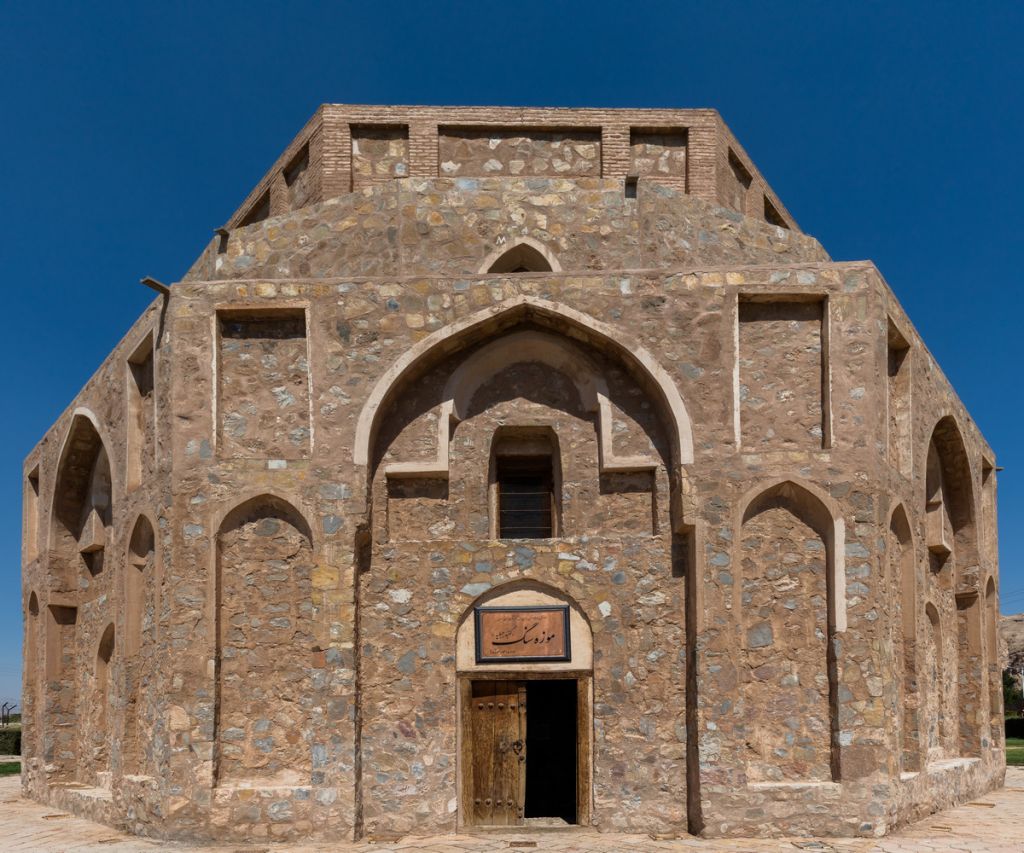
The exact origin of the Jabaliyeh Dome remains unclear, but historians believe it dates back to the Sassanid era (224–651 AD) or possibly the early Islamic period. It was later renovated during the Seljuk dynasty (11th century) and used for religious or civic purposes. Some scholars suggest it may have originally served as a Zoroastrian fire temple, while others propose it was a tomb or mausoleum. Despite ongoing research, the building’s purpose remains one of Iran's enduring historical mysteries.
Architectural Features and Design
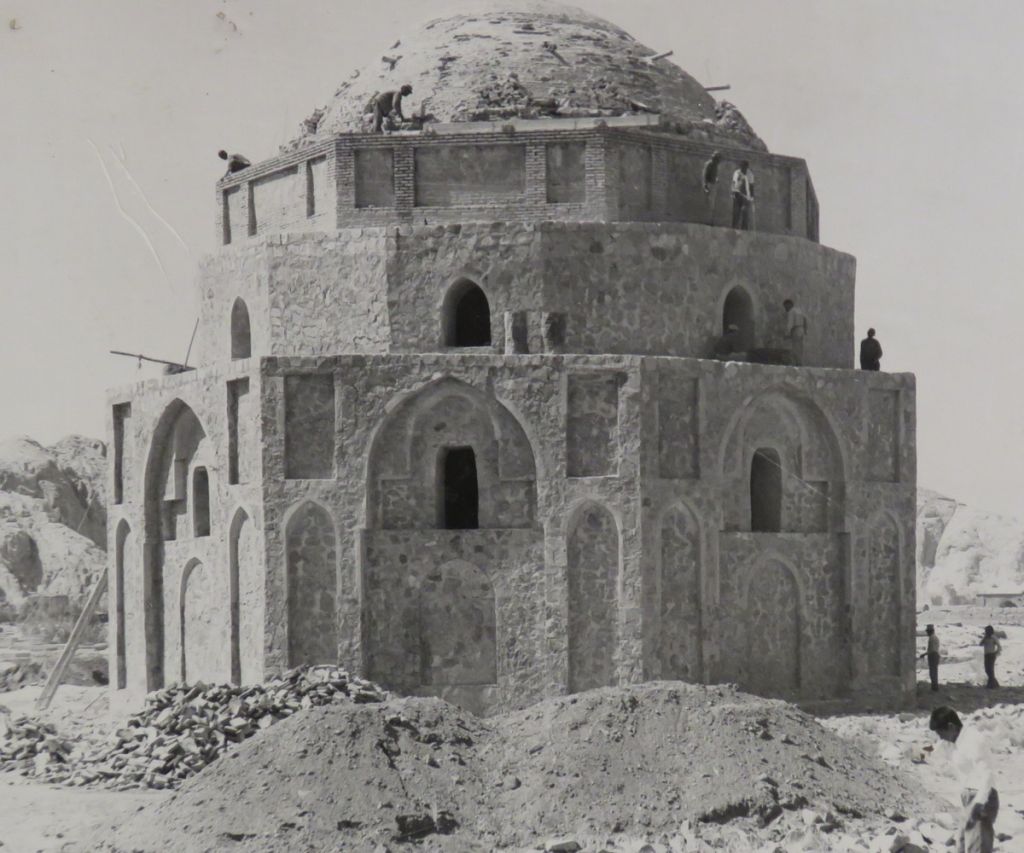
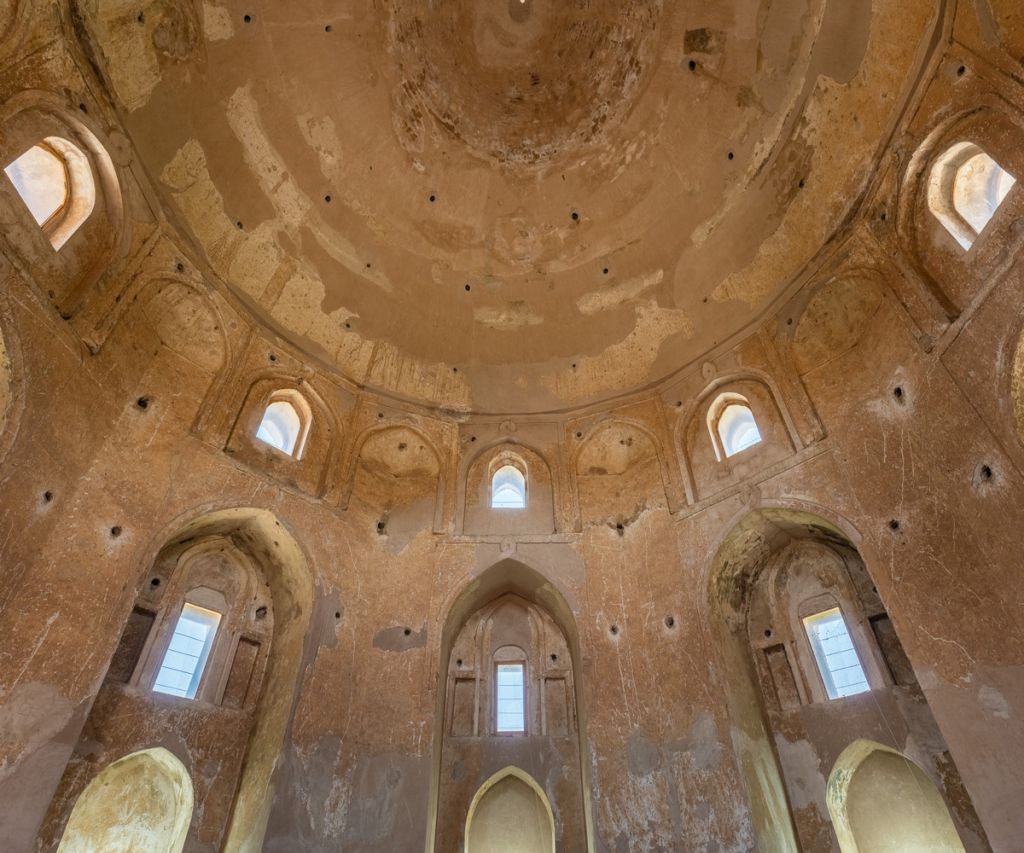
Unlike many other historical buildings in Iran, the Jabaliyeh Dome is entirely constructed of stone, giving it an exceptional durability and a distinctive appearance. The building is octagonal in shape, with eight doors and a majestic brick dome perched atop its stone walls. Its solid and minimalistic design, with limited decoration, reflects a blend of Sassanid engineering and early Islamic architectural aesthetics. The use of stone over the more common brick makes the Jabaliyeh Dome especially unique in Iranian architecture.
Nearby Visiting Attractions
Located just outside central Kerman, the Jabaliyeh Dome is easily accessible for tourists and can be combined with visits to other notable attractions. Nearby sites include the Ganjali Khan Complex, the bustling Kerman Bazaar, and the Harandi Garden Museum, which showcases local history and music. A short drive away, travelers can explore the Shazdeh Mahan Garden, a UNESCO-listed Persian garden, or venture toward the Lut Desert, known for its surreal landscapes and geological wonders.
Cultural Significance and Present-Day Use
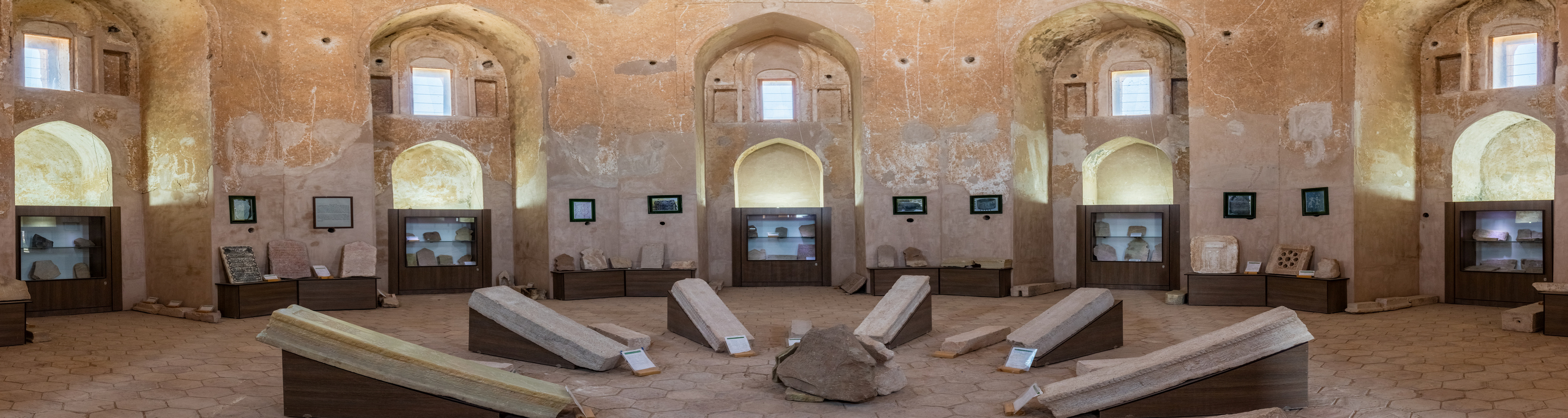
Today, the Jabaliyeh Dome functions as a museum of stone inscriptions, featuring various historical gravestones and artifacts from different periods of Kerman’s history. The site has become a cultural touchpoint for Iranians and tourists alike, admired for its architectural mystery and the craftsmanship that has kept it standing for centuries. It continues to play a role in cultural events and archaeological exhibitions in Kerman province.
Conclusion: A Timeless Stone Legacy
The Jabaliyeh Dome remains a symbol of architectural mystery and historical depth in Kerman. Its rare stone construction, unknown original function, and silent endurance through centuries make it one of Iran’s most unique monuments. Whether you're a history enthusiast, architecture lover, or cultural traveler, a visit to the Jabaliyeh Dome offers a deeper appreciation for Iran’s rich and layered heritage.
I want to visit
Jabaliyeh Dome






Jabaliyeh Dome
Visitor Information
- Opening Hours:
- Monday: 09:00 – 18:00
- Tuesday: 09:00 – 18:00
- Wednesday: 09:00 – 18:00
- Thursday: 09:00 – 18:00
- Friday: 09:00 – 18:00
- Saturday: 09:00 – 18:00
- Sunday: 09:00 – 18:00
- Entrance: Paid
- Cash/Credit Card accepted: Cash
- Region: Kerman Province
- City: Kerman
- Address: East of Kerman, Shohada Street
- Postal code: 7618963117
- Phone number: +983433122000
- Is open to public visitors: Yes