
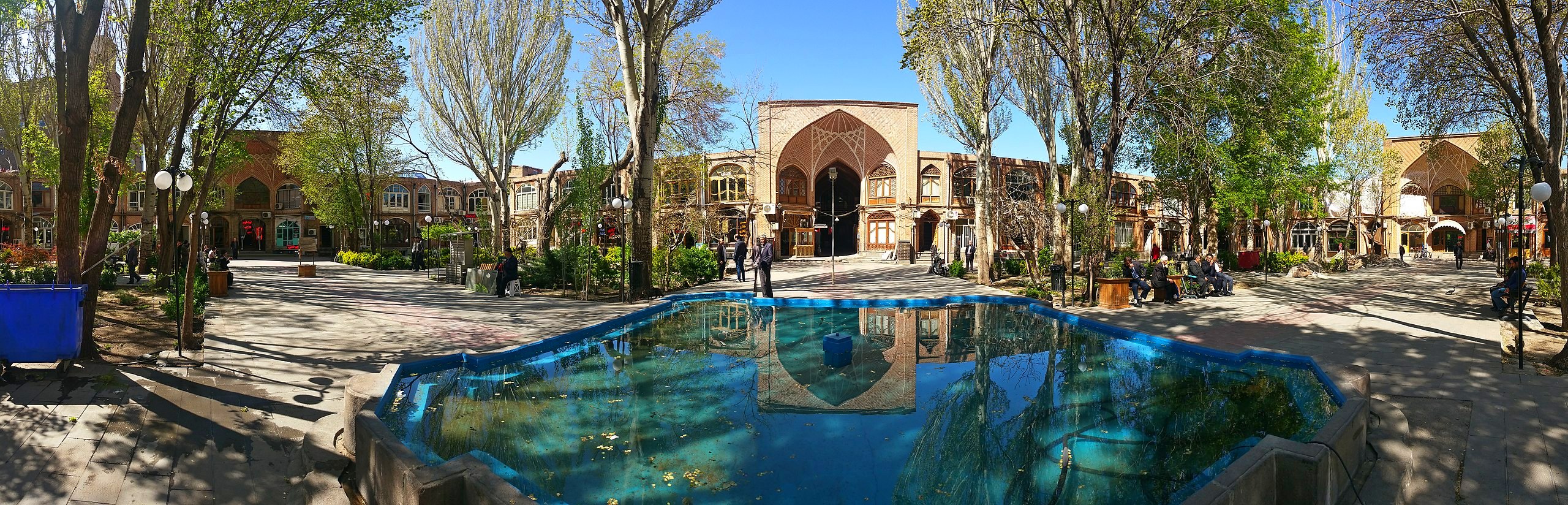
Bazaar of Tabriz: The Beating Heart of Persian Commerce
- Introduction: A Timeless Trade Hub
- History of Tabriz Grand Bazaar
- Architecture and Layout
- Nearby Visiting Attractions
- Cultural Significance and Daily Life
- Conclusion: A Living Legacy of Persian Heritage
Introduction: A Timeless Trade Hub
The Tabriz Grand Bazaar is not only one of the largest and oldest covered bazaars in the world but also a vibrant symbol of Iran’s rich commercial and cultural history. Located in the historical center of Tabriz, East Azerbaijan Province, this bustling marketplace continues to attract tourists, merchants, and locals alike. As a UNESCO World Heritage Site, the bazaar offers a unique blend of traditional Persian architecture, economic activity, and cultural vibrancy.

History of Tabriz Grand Bazaar
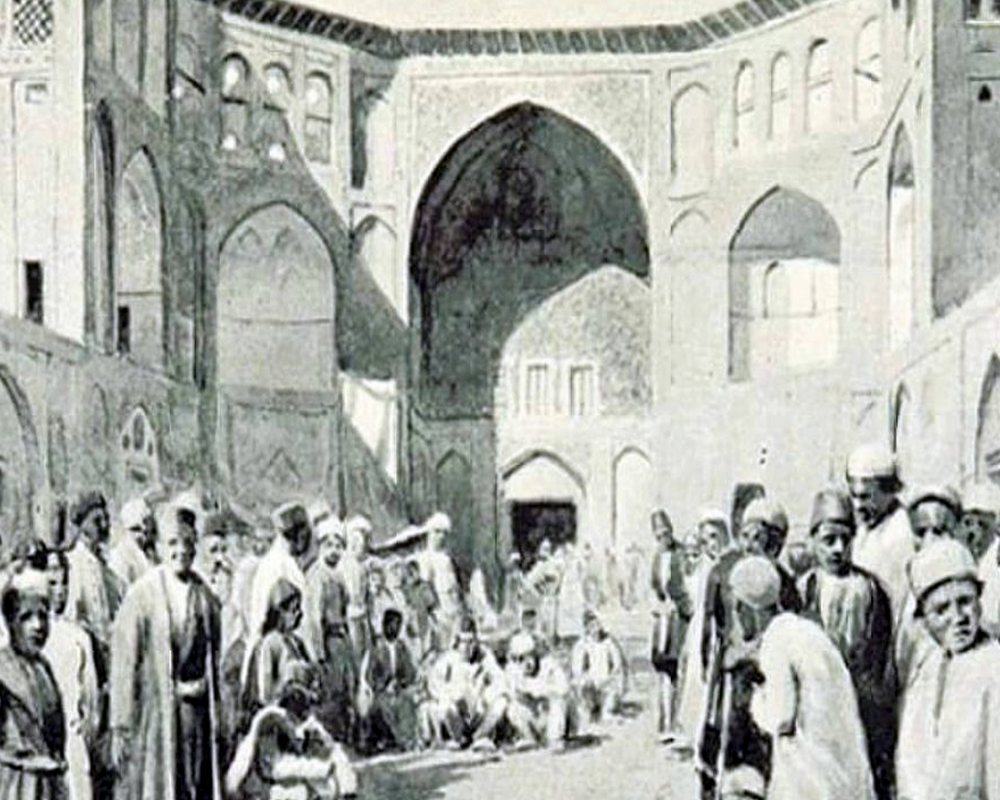
Dating back to the Silk Road era, the Tabriz Grand Bazaar has served as a major trade center for centuries. It flourished during the Ilkhanid, Safavid, and Qajar dynasties, when Tabriz was a political and commercial capital. The bazaar was a vital hub connecting the East and West, attracting traders from Central Asia, the Ottoman Empire, and Europe. Its significance grew especially in the 16th century under Shah Abbas I, who developed Tabriz as a key node in Iran’s trade network.
Architecture and Layout
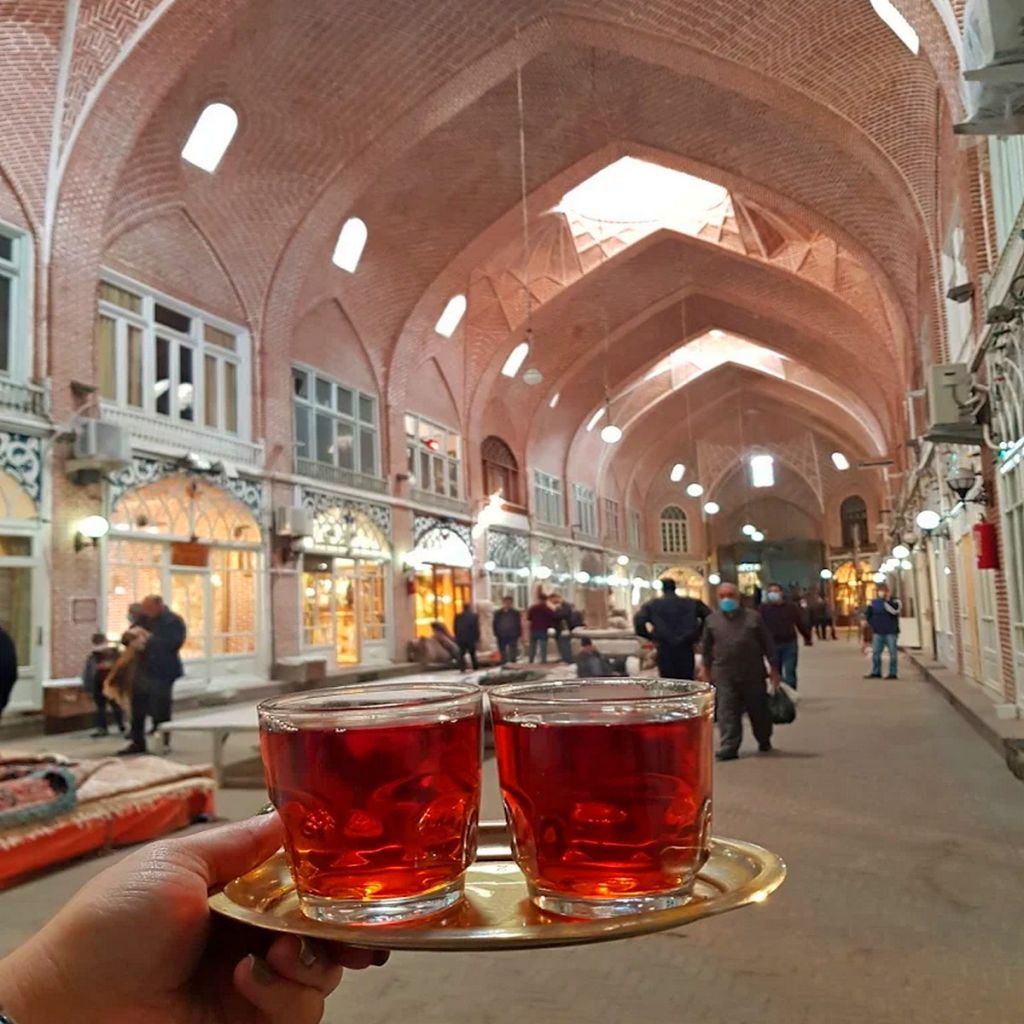
The architectural brilliance of the Tabriz Grand Bazaar lies in its vast, interconnected brick structures, arched ceilings, and domed halls (known as chahar suqs). The bazaar spans over 7 square kilometers, making it one of the largest of its kind globally. It features specialized sections or “timchehs” for goods such as Persian carpets, gold, spices, and leather. Notable architectural highlights include the Mozaffariyeh Timcheh, famed for its intricate brickwork and being the center of the carpet trade.
Nearby Visiting Attractions
The Tabriz Grand Bazaar is ideally located near several other historical and cultural attractions. Just a short distance away is the Arg-e Alishah, a monumental Ilkhanid-era citadel. Visitors can also explore the stunning Blue Mosque (Masjed-e Kabud), known for its intricate turquoise tiles, and the Azerbaijan Museum, home to artifacts from Iran’s prehistoric and Islamic periods. The Constitution House of Tabriz is another must-see, showcasing Iran’s modern political history and the Constitutional Revolution.
Cultural Significance and Daily Life
More than just a shopping destination, the Tabriz Bazaar remains an active center for social, religious, and economic life. Traditional teahouses, mosques, and schools (madrasahs) are integrated into the complex, creating a multi-functional urban space. It is also a place where customs, craftsmanship, and centuries-old traditions are preserved and practiced daily. The bazaar plays a vital role in sustaining Tabriz’s identity and local economy.
Conclusion: A Living Legacy of Persian Heritage
The Tabriz Grand Bazaar is a true architectural and cultural gem, representing centuries of commerce, craftsmanship, and community life. Whether you’re looking for authentic Persian rugs, exploring Iran’s trading history, or simply wandering through its labyrinthine corridors, the bazaar offers an unforgettable experience. Its enduring legacy makes it not just a must-see in Tabriz, but a cornerstone of Iranian cultural heritage.
I want to visit
Tabriz Grand Bazaar






Tabriz Grand Bazaar
Visitor Information
- Opening Hours:
- Tuesday: 06:30 – 21:00
- Wednesday: 06:30 – 21:00
- Thursday: 06:30 – 21:00
- Saturday: 06:30 – 21:00
- Sunday: 06:30 – 21:00
- City: Tabriz
- Address: Tabriz Grand Bazaar, Tabriz, East Azerbaijan Province, Iran
- Postal code: 5137653363
- Phone number: +984135565388