
Iran's Most Popular Import and Export Products in 2026: What Travelers and Traders Should Know
- Top Iranian Exports in 2026
- Top Iranian Imports in 2026
- Where Trade Meets Tourism
- Key Trade Partners
- Conclusion: Trade as a Travel Story
Long before container ships and customs declarations, Iran was already the beating heart of global trade. Caravans loaded with silk, spices, and dyed textiles once wound their way through Persian cities on the ancient Silk Road, stopping in covered bazaars that still stand today. Fast forward to 2026, and Iran remains a trading nation at its core - only now the caravans have been replaced by oil tankers, cargo containers, and the timeless stalls of saffron and carpet merchants working just a few streets from where their ancestors once did.
For travelers, this dual identity is part of what makes Iran so fascinating. You can wander through a UNESCO-listed square in the morning and, by afternoon, be standing in a bazaar surrounded by the very products that anchor the country's economy - pistachios, saffron threads, hand-knotted carpets, and glittering enamel work. Understanding what Iran buys and sells to the world isn't just useful for traders; it's a way of reading the country's culture, geography, and resilience all at once.
Top Iranian Exports in 2026
The Industrial Backbone: Oil and Petrochemicals
It's impossible to talk about Iran's economy without starting underground. Crude oil remains the country's single largest export, and petrochemical products - methanol, urea, polyethylene, and petroleum ether among them - round out a heavyweight energy sector that ships primarily to China, along with regional buyers like Iraq and the UAE. These aren't the products you'll find wrapped up in a bazaar stall, but they quietly fund much of the infrastructure that makes travel in Iran possible, from new highways to airport terminals.
For most visitors, though, the far more interesting exports are the ones you can actually hold in your hand.
Red Gold: Saffron
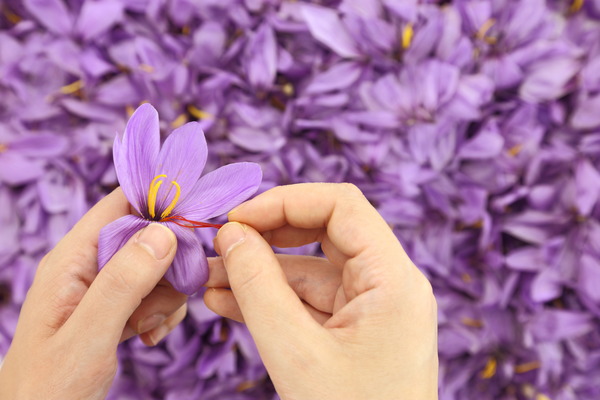
Iran produces more than 90% of the world's saffron, and the industry is treated with the reverence of a national treasure. Grown mainly in the eastern regions around Mashhad and Khorasan, saffron threads are hand-harvested, sun-dried, and graded into categories like Super Negin, Negin, Sargol, and Pushal - each denoting a different quality and thread purity. If you've ever cooked a saffron-infused rice dish anywhere in the world, there's a good chance it started in an Iranian field.
Pistachios: A National Point of Pride
Iranian pistachios are a fierce point of national pride, and rightly so. Varieties like Akbari (prized for its large size), Fandoghi (the everyday favorite), and Kole Ghoochi each bring their own flavor and texture to the table. Despite growing competition from other pistachio-producing nations, Iranian growers lean on generations of cultivation knowledge and a distinctive, richer flavor profile that keeps buyers loyal.
Persian Carpets: Woven Heritage
Few Iranian exports carry as much cultural weight as the Persian carpet. Each weaving region has its own signature style:
- Heriz – bold geometric patterns, durable wool
- Kashan – intricate florals, often in silk
- Isfahan – fine detail work and rich color palettes
- Tabriz – considered by many to be the birthplace of Persian carpet weaving
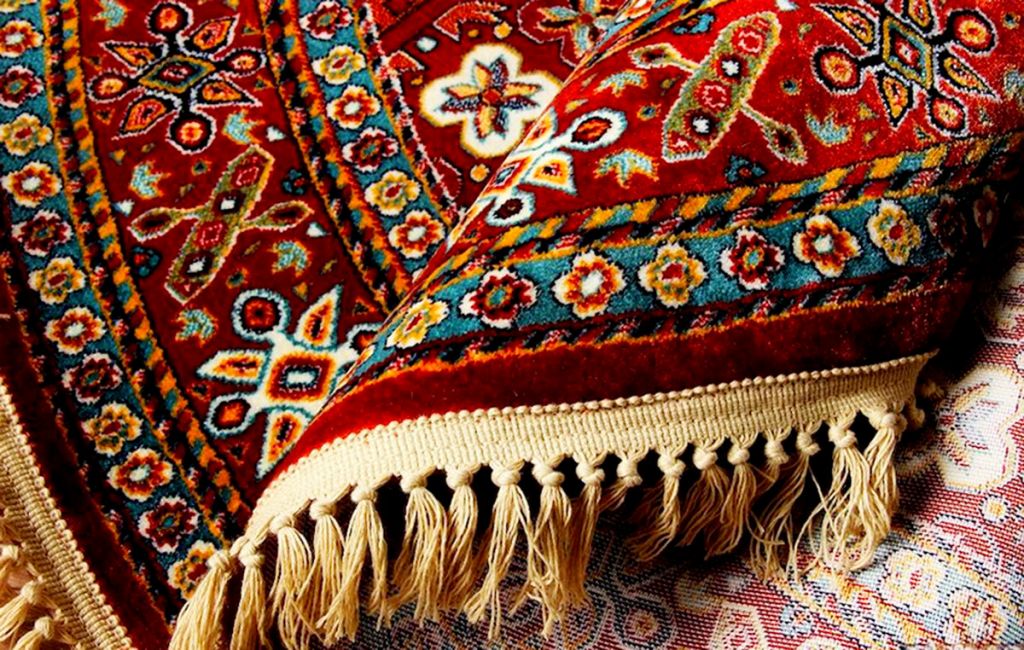
A single high-quality carpet can take a skilled weaver months, sometimes years, to complete by hand - which is part of why an authentic piece is treated less like a rug and more like a work of art.
Handicrafts: Small Treasures with Big Stories
Beyond carpets, Iran exports a wide range of handicrafts that showcase centuries-old artisanal skill - enamel work (minakari), miniature paintings, inlaid woodwork, and pottery. These pieces are popular with buyers in Germany, Japan, and across the Gulf, but nowhere do they feel more alive than in the workshops and stalls where they're actually made.
Caviar and Dates: Delicacies from the Caspian and the Desert
Two more exports round out Iran's reputation for premium foodstuffs, and they couldn't come from more different landscapes. Along the Caspian Sea coast, Iranian caviar - harvested from sturgeon and prized as Beluga, Osetra, and Sevruga — has long been considered among the finest in the world, sold to high-end markets in Europe and the Gulf. At the opposite end of the country, the arid south produces some of the world's best dates, with varieties like Mazafati, Piarom, and Zahedi grown in oasis regions such as Bam and Jiroft. Together, caviar and dates capture just how much geographic range feeds into Iran's export identity - from icy northern waters to sun-baked desert palm groves.
Top Iranian Imports in 2026
Trade is a two-way street, and Iran's import list tells its own story - one shaped heavily by geography and sanctions-driven self-reliance.
On the agricultural side, Iran imports significant volumes of soybeans, corn, and rice, staples that support both its food supply and livestock industry. These come primarily from trade partners like Brazil, India, and Turkey, filling gaps that domestic agriculture — constrained by water scarcity in many regions - can't fully cover.
On the industrial and consumer side, motor vehicle parts are a major import category, reflecting a domestic auto industry that still relies on foreign components even as local production has grown. Meanwhile, years of sanctions have pushed Iran toward greater self-sufficiency in areas like steel, cement, aluminum, and home appliances - sectors that were once import-dependent but have seen real investment and quality improvements in recent years. Industrial machinery for mining, agriculture, and telecommunications also flows in, often from regional partners in Central Asia and Iraq, supporting industries that are harder to see as a tourist but shape the country's development all the same.
Where Trade Meets Tourism
Here's where the story gets exciting for travelers: almost everything on Iran's export list can be seen, smelled, and negotiated over in person.
Tehran's Grand Bazaar is the obvious starting point - a sprawling, centuries-old maze of covered corridors where carpet dealers, spice merchants, and goldsmiths operate side by side, much as they have for generations. Wandering its aisles feels less like shopping and more like stepping into a living museum that happens to sell things.
Head north to the Tabriz Bazaar, a UNESCO World Heritage site and one of the oldest bazaars in the Middle East, particularly renowned for its carpets and textiles. It's a working trade hub as much as a tourist stop, and the scale of it — covered brick corridors stretching for kilometers - is genuinely humbling.
In Isfahan, the Naqsh-e Jahan Square bazaar wraps around one of the most beautiful public squares in the world. Here, artisans work in small shops crafting enamel pieces, miniature paintings, and metalwork right in front of you, making it one of the best places to watch a handicraft export take shape from raw material to finished piece.
A few tips if you're planning to buy while traveling:
- Saffron: Buy from reputable shops rather than street vendors, and ask about the grade (Super Negin is top-tier). Genuine saffron has a distinct aroma and won't be cheap.
- Carpets: Ask about the material (wool vs. silk), knot density, and region of origin. Reputable dealers are usually happy to explain a carpet's story - if they aren't, that's a red flag.
- Pistachios and dried fruits: These travel well and make for some of the most practical souvenirs - just check your destination country's customs rules on food imports before you pack them.
- Handicrafts: Look for maker's marks or small workshops rather than mass-produced tourist-market versions if you want an authentic piece.
Key Trade Partners
Iran's trade relationships are as much about geography as economics. China stands as Iran's largest trading partner by a wide margin, buying crude oil and petrochemicals while supplying machinery and consumer goods in return. Regional neighbors Iraq and the UAE play an outsized role too, both as export destinations and as logistical gateways for goods moving in and out of the country. Turkey, sharing a long land border and deep historical ties, remains another consistent partner across multiple product categories. Together, these relationships shape not just what ends up on ships and trucks, but which cities and border regions see the most commercial activity - often the same regions travelers pass through en route to Iran's major cultural sites.
Conclusion: Trade as a Travel Story
Iran's economy can look, on paper, like a mix of oil barrels and trade statistics. But spend a few days in Tehran, Tabriz, or Isfahan, and it becomes something much more tangible - a saffron vendor explaining thread grades with genuine passion, a carpet weaver describing a pattern passed down from her grandmother, a pistachio seller insisting you try the Akbari before the Fandoghi. These aren't just commodities on an export list; they're threads (sometimes literally) connecting Iran's ancient trading past to its present.
For any traveler curious about the country beyond its monuments, following the trail of what Iran makes, grows, and trades is one of the richest ways to understand it - one bazaar stall at a time.