
- Time Museum (Zaman Museum), A Mansion Full of Stopped Clocks
- Carpet Museum of Iran, Where a Building Becomes the Art
- Sacred Defense Museum, A War Memorial Built Like a Modern Art Installation
- Ebrat Museum, A Former Prison That Doesn't Look Away
- Museum of Dolls of Nations, A Playful Detour Through World Cultures
- Hayk Mirzayans Insect Museum, Four Million Reasons to Look Closer
- Cinema Museum of Iran, Movie History Inside a Qajar Garden Palace
- Dafineh (Money) Museum, The Full Story of Iranian Currency
- Museum of Contemporary Art, A Western Masterpiece
- Typewriter Museum, An Obsessive's Collection
- Why Tehran's Unusual Museums Deserve a Spot on Your Itinerary
Tehran doesn't do anything halfway. The city's major museums - the Archaeological Museum, the Glassware Museum, the Treasury of National Jewels are world-class institutions that deserve their reputations. But if you've already ticked off the obvious stops, or if you're the kind of traveler who'd rather stumble into something strange than follow a guidebook, Tehran has a parallel museum scene that most visitors never discover.
These are the unusual museums in Tehran: places where typewriters outnumber visitors, where carpet patterns carry centuries of meaning, and where a former prison forces you to confront a darker chapter of history. Some are charming. Some are challenging. All of them will give you a story worth telling.
Most Unusual Museums in Tehran: Time Museum (Zaman Museum), A Mansion Full of Stopped Clocks
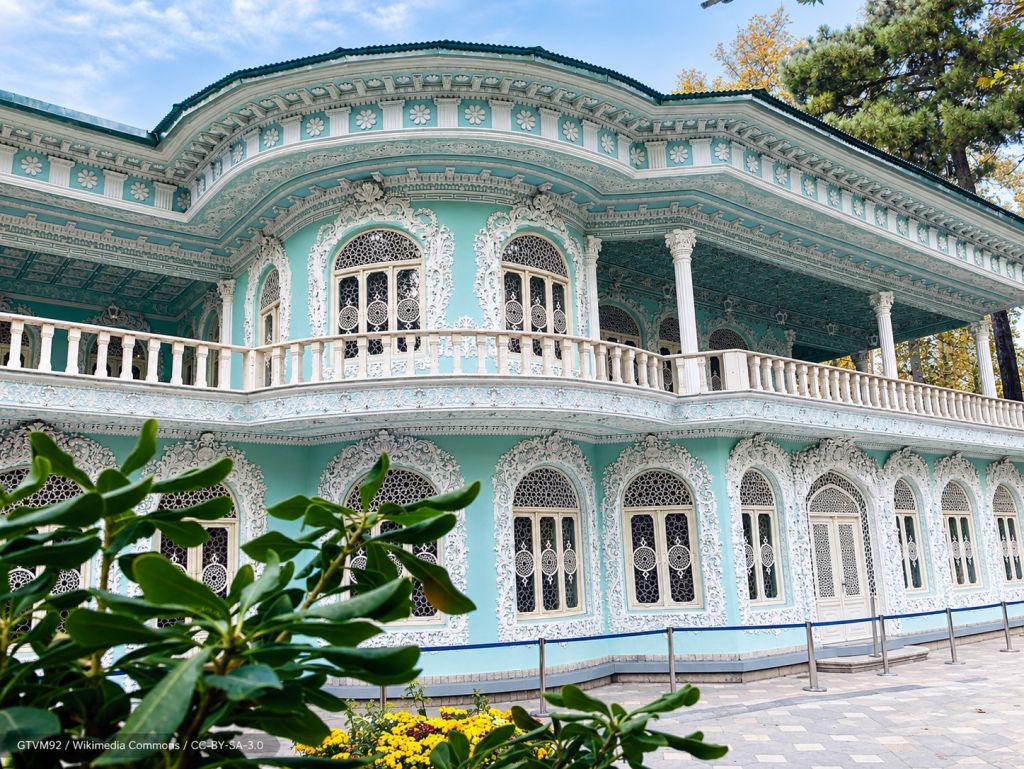
Tucked away on Zafaraniyeh Street in a Qajar-era mansion once owned by the merchant Hossein Khodadad, the Time Museum is one of those unique things to do in Tehran that rarely makes it onto standard itineraries which is exactly why it's worth the detour. Spread across two floors of a beautifully restored historic house, the museum takes you through the entire human effort to measure time: sundials, hourglasses, water clocks, and devices that told time by how far a candle or a length of rope had burned down. Upstairs, pocket watches once owned by Qajar royalty and other notable historical figures sit in glass cases, alongside a section where Iranian public figures have personally donated their own timepieces. Outside, in a five-acre garden, full-scale replicas of ancient clocks let you handle mechanisms you'd normally only see behind glass.
What makes it unusual isn't just the collection - it's the atmosphere. There's no rush here, no crowd. Just the quiet tick of dozens of mechanisms in a mansion that predates Iran by decades.
Insider tip: Combine your visit with the nearby Sa'dabad Palace Complex or Tajrish Bazaar - both are a short taxi ride away, and the Time Museum's own café is a pleasant place to decompress afterward.
Most Unusual Museums in Tehran: Carpet Museum of Iran, Where a Building Becomes the Art
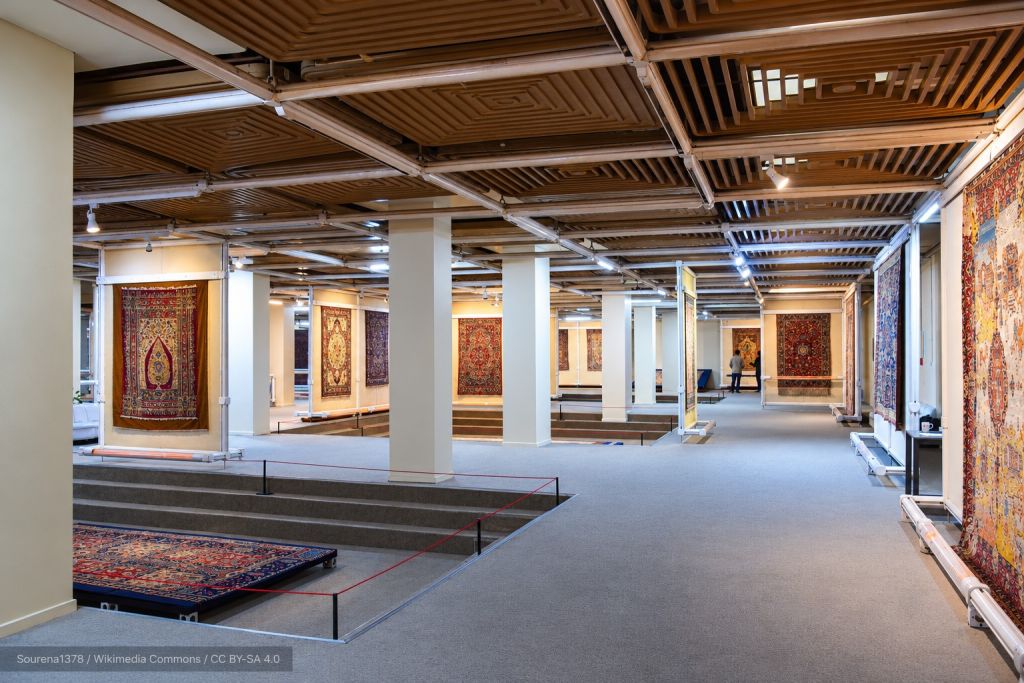
Persian carpets are famous the world over, but few travelers realize there's an entire museum in Tehran devoted to nothing else and that the building itself is part of the exhibit. Commissioned by Empress Farah Pahlavi and opened in 1976 beside Laleh Park, the Carpet Museum of Iran was designed by architect Abdol-Aziz Farmanfarmaian with an exterior lattice screen that mimics the structure of a carpet loom. It's not decoration for its own sake: the perforated façade also shades the building from Tehran's harsh summer sun, protecting the fragile textiles inside.
Inside, more than 150 carpets are on permanent display, some dating back to the 16th-century Safavid era, arranged by region so you can see how weaving traditions differ from Tabriz to Kerman to Qashqai nomadic tribes. A specialized library holding thousands of volumes on carpet history sits alongside a working conservation workshop, where damaged pieces are painstakingly repaired by hand. This isn't a "look but don't touch" experience for the mind, every carpet has a story about who made it, why, and what its knots and colors were meant to communicate. For anyone who thought a carpet was just something you walk on, this museum rewrites the entire idea.
Insider tip: Go slowly through the ground floor first, that's where the permanent, most historically significant pieces are kept, while the upper hall rotates seasonal exhibitions.
Most Unusual Museums in Tehran: Sacred Defense Museum, A War Memorial Built Like a Modern Art Installation
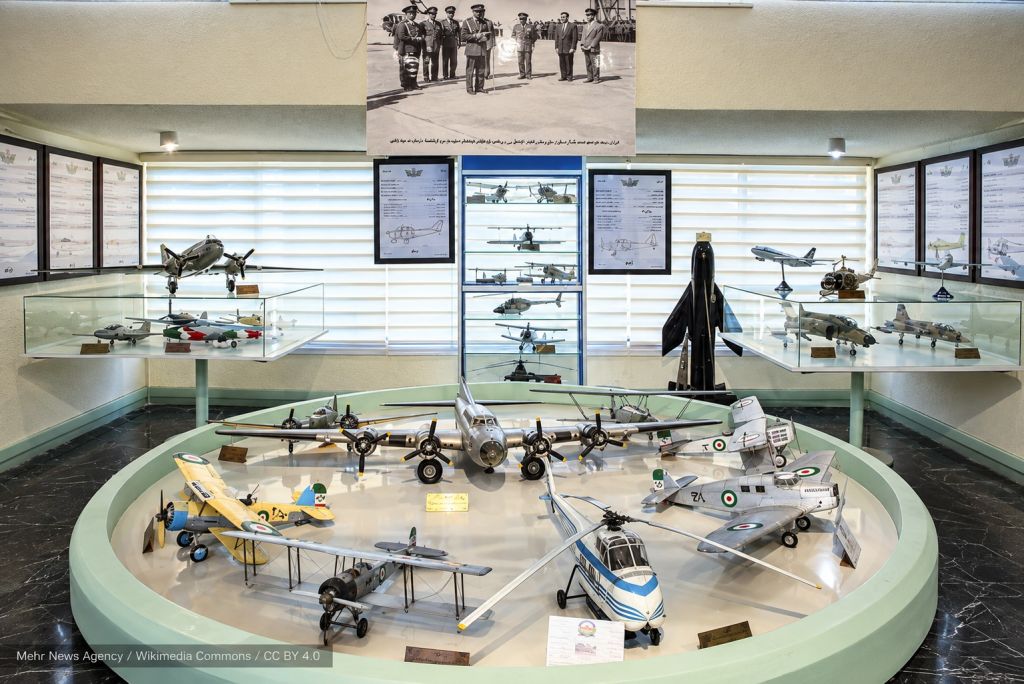
This one isn't light. The Sacred Defense Museum (also called the Holy Defense Museum or in Persian موزه دفاع مقدس) is a sprawling complex in Abbasabad dedicated to the 1980–1988 Iran-Iraq war, a conflict that shaped modern Iranian identity in ways that are difficult for outsiders to fully grasp. The museum uses state-of-the-art technology; air raid simulators, video projections, recreated battlefields to immerse visitors in the experience of a war where Iran suffered an estimated 500,000 dead or missing.
The Hall of Butterflies, dedicated to martyrs and victims, contains personal belongings recovered from battlefields. A recreation of the liberation of Khorramshahr, complete with a replica of the city's mosque, is among the museum's most striking features. The complex also includes outdoor displays of tanks, rockets, and artillery pieces across its 21-hectare site.
This is a museum with a clear point of view, it presents the war from the Iranian perspective, emphasizing national resilience in the face of international isolation. Visitors expecting neutral historical analysis should adjust their expectations accordingly. That said, even critical travelers have called it one of the best museums they've seen anywhere, comparing it to the Imperial War Museum in London.
Practical tip: The museum is accessible via Shahid Haqqani metro station. It's a large complex, so budget at least two hours. Note that as of early 2026, the museum sometimes offers free admission during national holiday periods, so check ahead.
Most Unusual Museums in Tehran: Ebrat Museum. A Former Prison That Doesn't Look Away
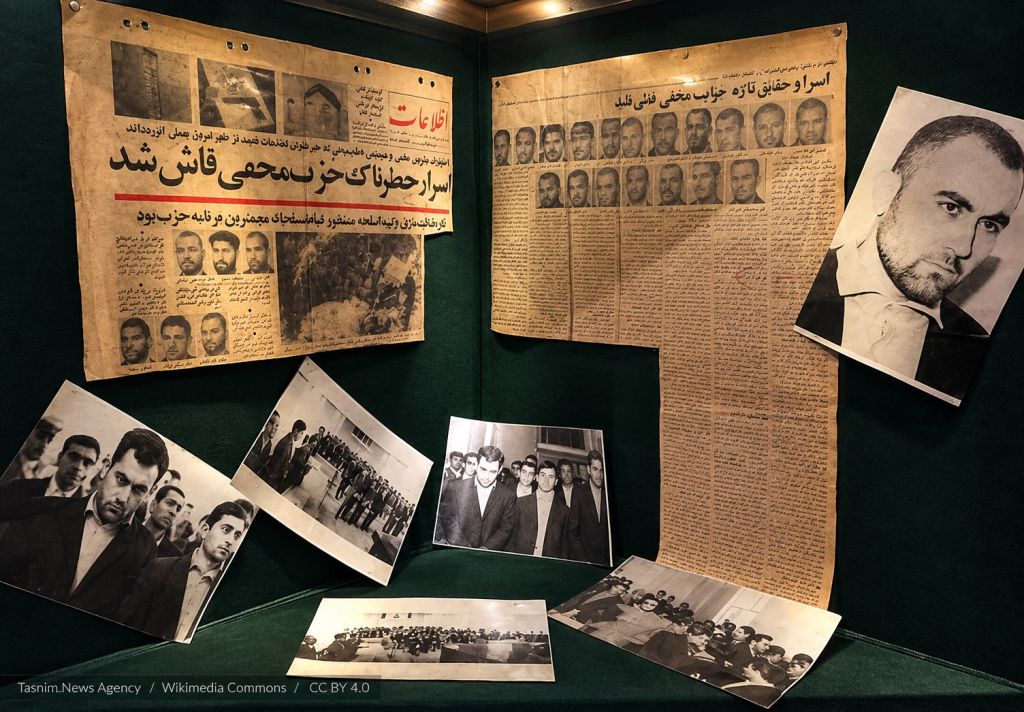
This is the one that leaves the deepest impression on most foreign visitors, and it isn’t for the faint of heart. Built in the 1930s under Reza Shah as one of Iran's first modern prisons, the building later became notorious as a detention and interrogation site run by SAVAK, the Shah's secret police, during the 1960s and 70s. After the 1979 revolution it briefly continued operating as the Towhid Prison before finally closing in 2000 and reopening as the Ebrat ("Edification" or "Lesson") Museum in 2003.
Walking through its circular corridors and narrow cells, you'll find lifelike mannequins recreating scenes of interrogation and torture, an eerie meeting room, mugshots of former inmates, and guides who - remarkable - were once prisoners here themselves. It's genuinely unsettling, and that's the point: this is Iran's answer to dark tourism, a category of travel focused on sites connected to tragedy and historical trauma.
One thing worth knowing before you go: the museum's narrative focuses heavily on abuses under the previous monarchy and says comparatively little about the building's use, or Iran's human rights record, after 1979 a framing choice historians have pointed out. Visiting with that awareness in mind makes for a more informed, less one-sided experience.
Insider tip: Photography with a proper camera isn't allowed, but phone photos generally are. The museum is centrally located near Imam Khomeini Square, making it easy to combine with a walk through the old city center.
Most Unusual Museums in Tehran: Museum of Dolls of Nations, A Playful Detour Through World Cultures
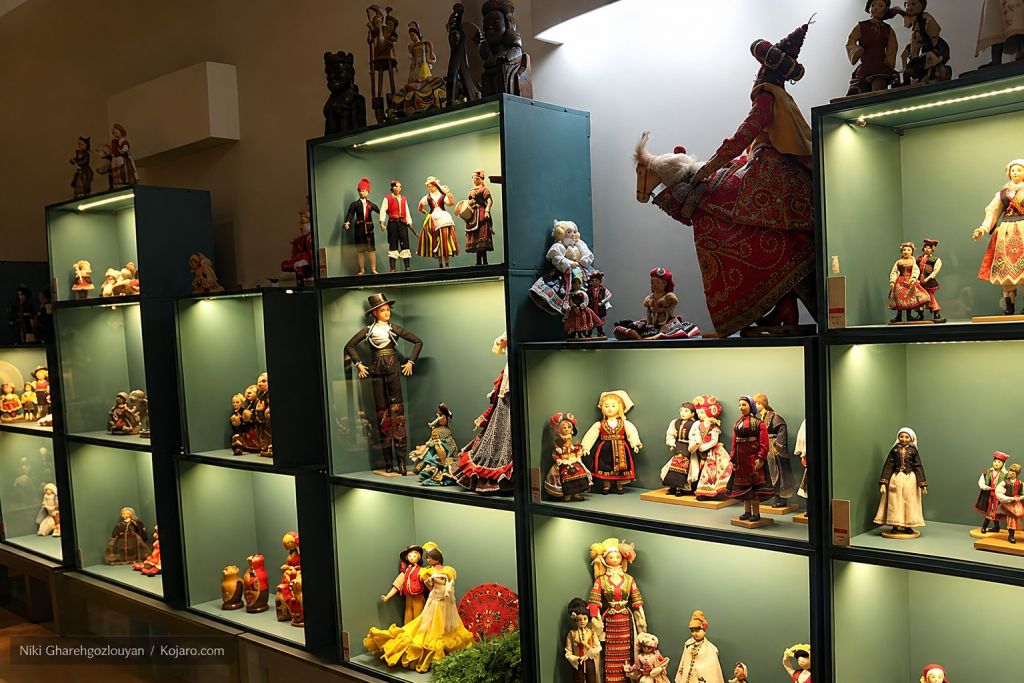
After the intensity of the Sacred Defense and Ebrat museums , the Museum of Dolls of Nations (officially the International Dolls Museum) offers something gentler and genuinely charming. Housed in an 80-year-old traditional building, this private museum holds more than 2,000 dolls representing roughly 80 countries and cultures: Russian matryoshkas, Guatemalan worry dolls, Ghanaian Akua'ba fertility dolls, Japanese Daruma figures, faceless Tajik dolls, and dozens of Iranian ethnic dolls dressed in regional costumes from Gilan, Khorasan, and Mazandaran.
The museum was founded by a children's psychologist and a children's author with the explicit goal of teaching cross-cultural understanding through storytelling, each doll comes paired with a folktale or a piece of cultural context, rather than sitting there as a silent curiosity. It's an easy, low-stress stop that families and solo travelers alike tend to enjoy far more than they expect.
Insider tip: There's a related, similarly named "Museum of Iranian Dolls and Culture" inside the Sa'dabad Palace Complex - worth visiting too if you're already up in north Tehran, but don't confuse the two when planning your route.
Most Unusual Museums in Tehran: Hayk Mirzayans Insect Museum, Four Million Reasons to Look Closer
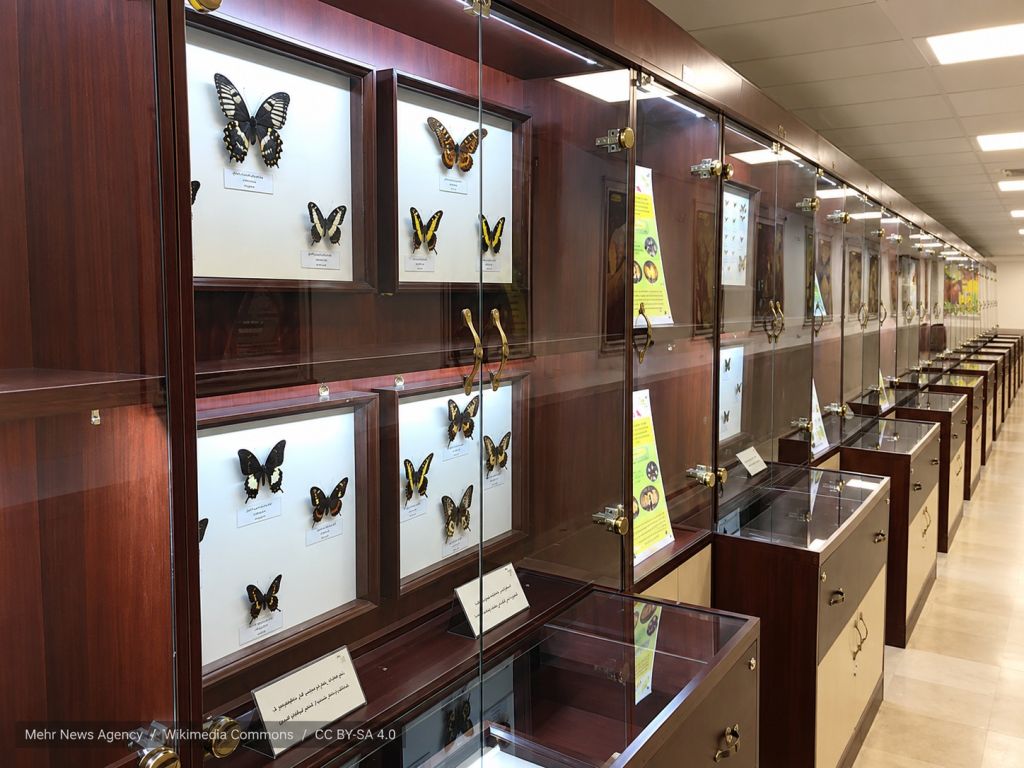
If you think you've seen every kind of museum, the Hayk Mirzayans Insect Museum will change your mind. Located within the Iranian Research Institute of Plant Protection in the Evin district, this is the largest insect collection in the country - over four million specimens representing tens of thousands of species, including an extensive collection of tropical butterflies. It began as a small entomology lab in the 1940s and has quietly grown into one of the richest natural history archives in the Middle East.
It's not a flashy or heavily marketed stop, which is exactly why it counts as one of the truly offbeat museums in Iran - most foreign travelers have no idea it exists, let alone that it's open to visitors with an interest in natural science.
Insider tip: This is a research institution first and a museum second, so it's best to check current visiting hours in advance rather than showing up unannounced.
Most Unusual Museums in Tehran: Cinema Museum of Iran, Movie History Inside a Qajar Garden Palace
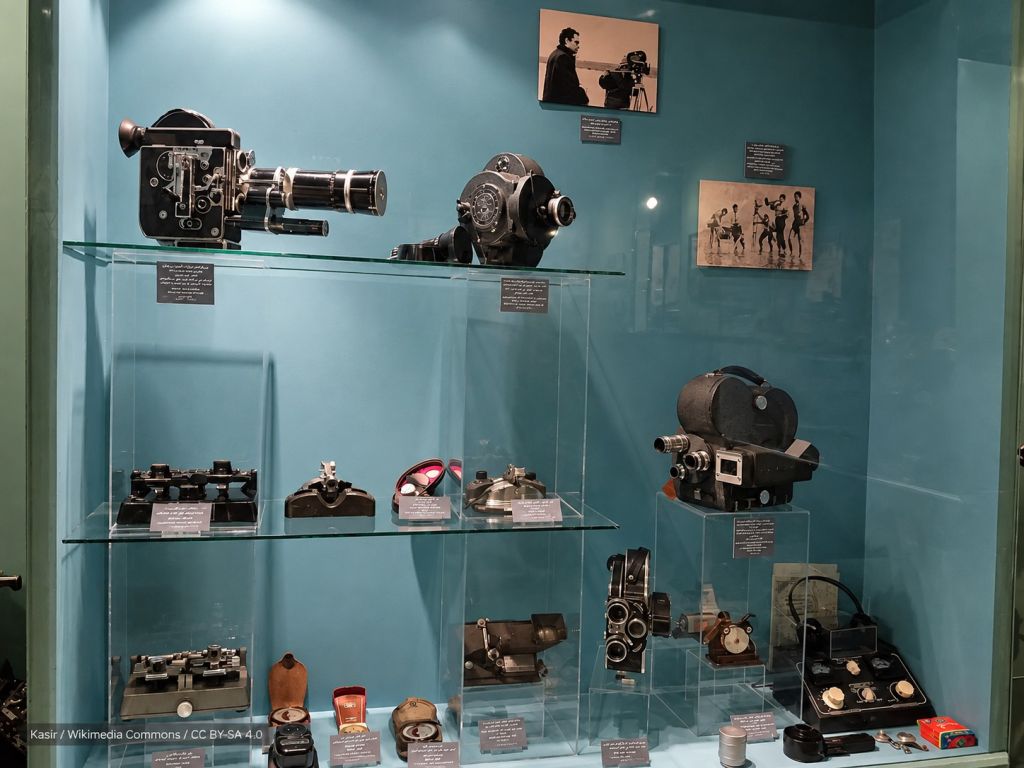
Set inside the leafy Ferdows Garden in a striking 19th-century building, the Cinema Museum of Iran traces the surprisingly long history of Iranian film - from the country's earliest silent productions to the internationally acclaimed directors who put Iranian cinema on the world map decades later. Vintage cameras, projectors, costumes, and film reels fill rooms that still carry the character of the historic residence they're housed in.
It's an easy pairing with the nearby Time Museum, and a good reminder that Tehran's cultural output extends well beyond the historical and political themes covered elsewhere on this list.
Insider tip: The surrounding Ferdows Garden is worth wandering on its own, especially in spring when the grounds are in full bloom.
Most Unusual Museums in Tehran: Dafineh (Money) Museum, The Full Story of Iranian Currency
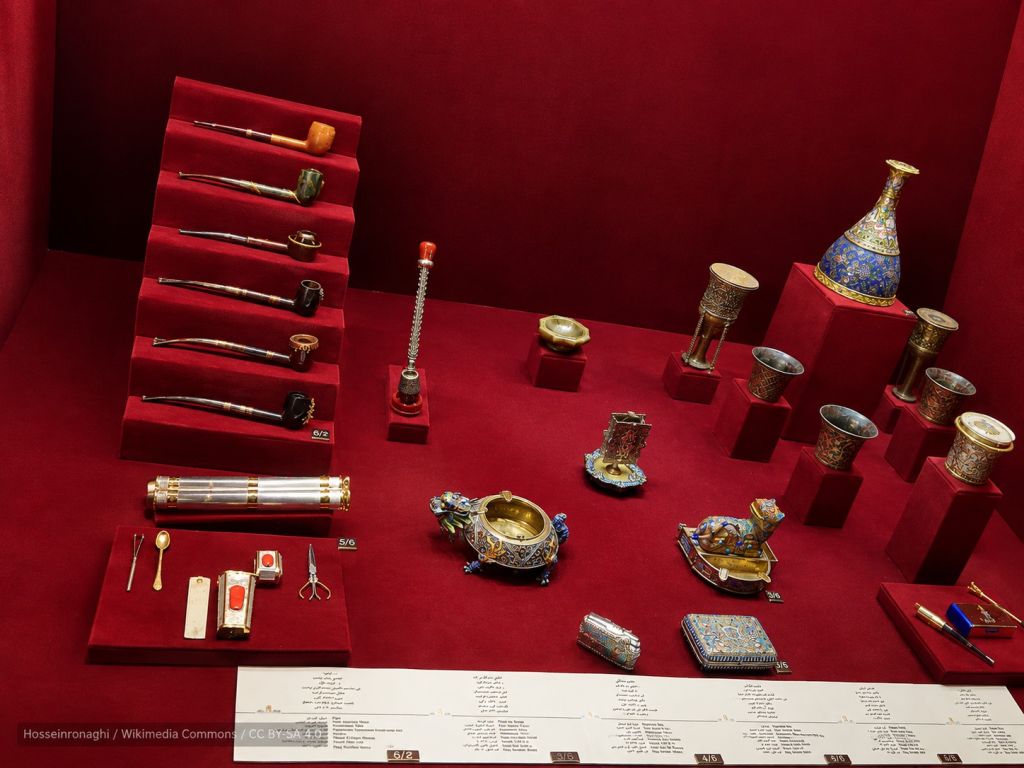
Rounding out this list is a small but fascinating stop for anyone curious about economic history: the Dafineh Museum, Iran's first specialized museum dedicated entirely to coins and banknotes. Around 1,400 coins spanning multiple eras of Iranian history sit alongside roughly 750 banknotes and 200 historical securities, tracing how Iranian currency evolved from ancient minted coins to modern paper money.
It's a quieter, more academic stop than most on this list, but it pairs surprisingly well with a Persian carpet or antique-hunting day in central Tehran, giving useful context for the economic history behind so much of what's on display elsewhere in the city.
Insider tip: Opening hours shift seasonally, so confirm before visiting, it runs later into the evening during spring and summer.
Most Unusual Museums in Tehran: Museum of Contemporary Art, A Western Masterpiece
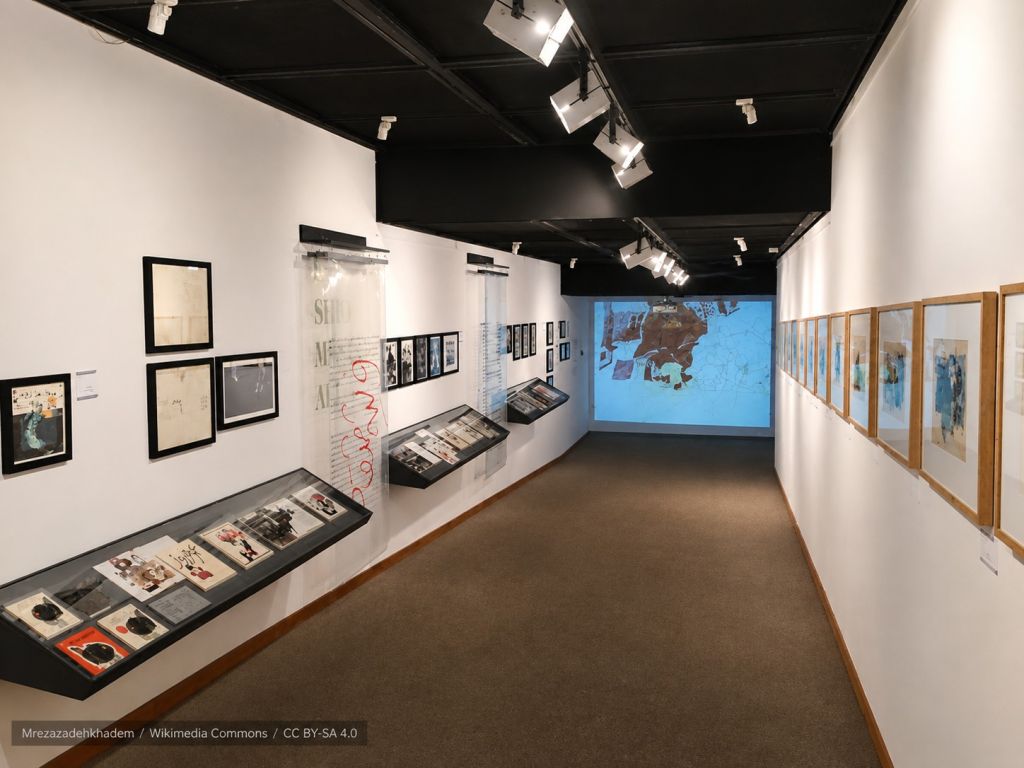
The Tehran Museum of Contemporary Arts (TMoCA) holds one of the most valuable collections of Western modern art outside Europe and North America; Picassos, Warhols, Pollocks, and more, purchased during the 1970s oil boom when Iran was flush with cash and the Shah's wife, Empress Farah, was an enthusiastic patron.
Then came the 1979 revolution. The Western collection was locked in storage for years, and many assumed it had been destroyed or sold. It wasn't. The works survived, and in recent decades they've been gradually brought back into public view through rotating exhibitions that place Western pieces alongside Iranian modern art.
The museum's architecture by Kamran Diba is itself worth the visit, a subterranean structure that feels like a Guggenheim that sank into the earth, with a ramp spiraling down into galleries. The experience of seeing a Jackson Pollock in a building that also displays portraits of Ayatollahs is a distinctly Tehran experience, a collision of worlds that captures something essential about this city.
Practical tip: The museum's exhibition schedule varies, and not all works are always on display. Check current showings before you go. It's located near Laleh Park, so you can pair it with the Carpet Museum.
Most Unusual Museums in Tehran: Typewriter Museum, An Obsessive's Collection
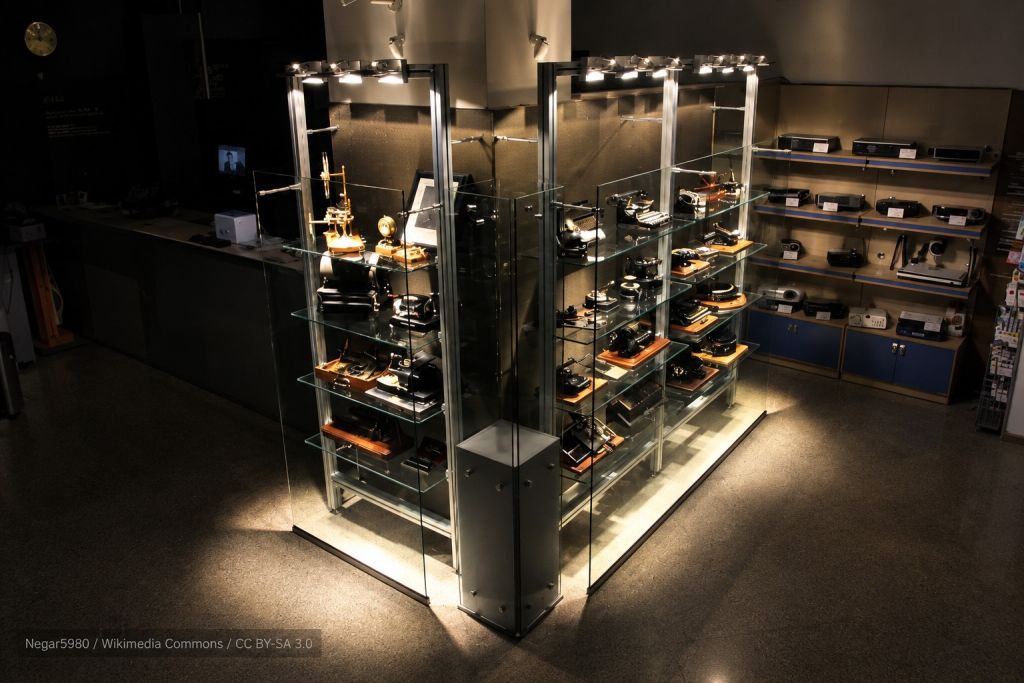
Tucked away on Iranshahr Street, this small museum claims to be the first of its kind in the Middle East. It houses dozens of typewriters, some over a century old, alongside early calculators, telephones, telegraphs, and other mechanical communication devices that trace the evolution of how we wrote and worked before screens took over.
The collection was assembled by Farshad Kamalhani, and many of the machines are maintained in working condition. Among the standout pieces is a rare 1936 typewriter designed for musical notation, described as one of the few surviving examples. The museum's director, Erguvan Mahcub, has said the goal is to preserve "everyday cultural and technological memory" the tools that were once everywhere and are now nearly extinct.
Practical tip: The museum is open four days a week from 4 pm to 8 pm, with free admission. It's a quiet, slightly melancholy place perfect for who small travelers enjoy, personal collections over grand institutional displays.
Why Tehran's Unusual Museums Deserve a Spot on Your Itinerary
Tehran's more unconventional museums don't try to compete with Isfahan's turquoise domes or Persepolis 's ancient columns and they don't need to. What they offer instead is intimacy: a direct, unfiltered look at what Iranians have chosen to preserve, memorialize, and pass down, from the artistry of a hand-knotted carpet to the raw memory of a wartime generation.
If you're building a Tehran itinerary and want to go beyond the obvious, picking even two or three of these hidden Tehran attractions will give you a far richer, more human picture of the city than the standard tourist trail ever could. Start with whichever theme pulls you in; craftsmanship, history, culture, or the simply strange, and let the rest of your trip follow from there.